

Life After Parathyroidectomy: Bone Health, Kidney Follow-Up and Long-Term Calcium Checks

Key Takeaways
- Temporary tingling and cramps after parathyroidectomy usually reflect suppressed remaining glands and calcium-hungry bone rather than a complication, and typically settle as the glands recover.
- Blood calcium and PTH are commonly rechecked around six months after surgery and then yearly, because recurrence, though uncommon, is more likely with multi-gland disease or inherited syndromes.
- Bone density generally improves after successful surgery, most noticeably in the first one to two years, but people already in the osteoporosis range may still need bone-protective care.
- Normal dietary calcium after surgery supports bone rebuilding and lowers kidney stone risk; sharply restricting calcium tends to increase stone formation.
- There is no reliable evidence that parathyroidectomy itself causes weight loss or gain; changes usually follow improved energy, sleep and appetite.
- Parathyroid adenomas are almost always benign and too small to feel in the neck, which is why diagnosis rests on blood tests and imaging rather than examination.
Life after parathyroidectomy is usually quiet: high calcium typically settles within days, and the main long-term tasks are periodic blood calcium checks, a repeat bone density scan when your care team advises it, and kidney follow-up if you had stones or reduced kidney function. Temporary low-calcium symptoms are common early on; lasting problems are uncommon but need prompt reporting.
The strangest part, one patient told her surgeon at the two-week visit, was how ordinary everything felt. The small dressing on her neck had come off. She had slept through the night for the first time in years. And the one thing she had been braced for, some dramatic sign that a gland was gone, simply never arrived.
That is a fair picture of life after parathyroidectomy for many people, but it is not the whole picture. A parathyroidectomy removes one or more of the four rice-grain-sized parathyroid glands that sit behind the thyroid and regulate calcium. Once an overactive gland is out, the body has to rebalance a system it has been fighting for years. Bones start absorbing calcium again. Kidneys stop filtering an excess. Blood levels can briefly overshoot in the other direction.
What follows is a plain account of what the evidence says about that rebalancing: the checks worth keeping, the myths worth dropping, and the signs that should send you back to your care team.
What to expect after parathyroidectomy in the first days and weeks
Most parathyroid operations today are short, and MedlinePlus notes that many people go home the same day or after one night, with a return to routine activities within roughly one to two weeks (see MedlinePlus, Parathyroid gland removal). The incision is usually small and sits in a natural skin fold low on the neck. Soreness when swallowing, a stiff neck and a hoarse or tired voice for a few days are common and generally fade on their own.
The first blood test after surgery matters more than the scar. Surgeons check calcium, often with a parathyroid hormone (PTH) level, to confirm the overactive tissue is gone and that the remaining glands are waking up. PTH is the hormone that tells bones to release calcium and kidneys to hold on to it; when a dominant gland has been suppressing the others for years, those quieter glands can take days or weeks to resume full output.
During that window, mild symptoms of low calcium are frequent: tingling around the lips, pins and needles in the fingertips, muscle cramps or twitching. MedlinePlus lists these as expected early effects rather than complications, and care teams usually give clear instructions about how to report them. What people describe less often, but consistently, is a subjective lift within the first weeks: fewer aching joints, less brain fog, better sleep. These improvements are real for many patients, though the research on quality of life shows they vary widely and are hardest to predict in people whose symptoms were mild before surgery.
Fatigue can linger for a few weeks. Heavy lifting and strenuous exercise are usually paced back in gradually, and your surgeon’s written instructions override any general timeline here.
How parathyroidectomy works, and why the mechanism shapes recovery
The parathyroid glands sit in a tight neighborhood. Four of them, sometimes more, rest against the back of the thyroid, close to the nerves that move the vocal cords. In primary hyperparathyroidism, the most common reason for this surgery, one gland has usually grown into a benign tumor called an adenoma and produces PTH regardless of how much calcium is already in the blood (Mayo Clinic). Less often, several glands are enlarged, and rarely the cause is a parathyroid cancer.
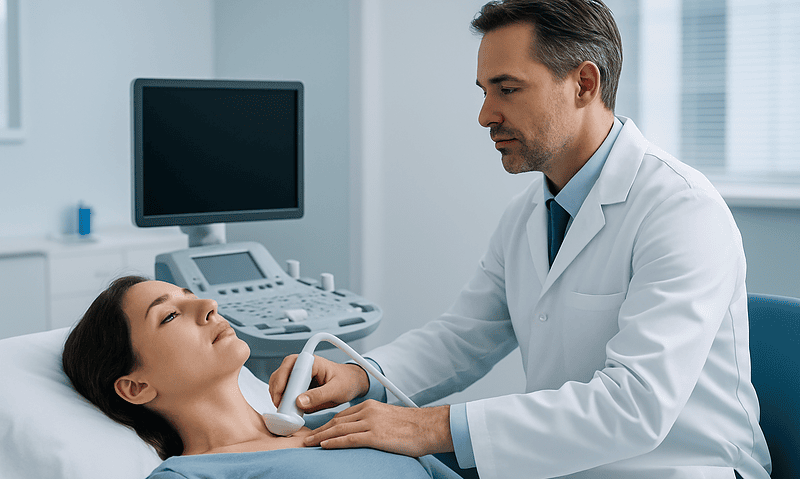
The surgeon’s task is to find the culprit and remove it while leaving healthy glands in place. Imaging before surgery, such as ultrasound or a sestamibi scan, helps locate the overactive gland, and many surgeons measure PTH in the operating room. Because PTH has a half-life of only a few minutes, a sharp fall after the gland is removed suggests the job is done (Cleveland Clinic). If several glands are involved, the surgeon may remove most of the tissue and leave a portion in place, or in some cases move a fragment into the forearm so it can be reached easily later.
This mechanism explains almost everything about the aftermath. Bones that have been losing calcium for years suddenly get a signal to rebuild, which is why calcium can dip. Kidneys stop excreting a calcium surplus, which is why stone risk falls. And because the remaining glands were suppressed, not damaged, they usually recover on their own.
The alternatives are worth naming in neutral terms. Some people with mild disease are monitored without surgery; some are offered medicines that lower calcium or protect bone. Those pathways do not fix the underlying gland, and the choice between them is a shared decision with the treating team.
Who is usually offered parathyroidectomy, and who is asked to wait
Surgery is the only definitive treatment for primary hyperparathyroidism, but not everyone with the condition is offered it straight away. Guidance from bodies such as the NHS and the NIH describes a familiar pattern: people with symptoms, kidney stones, reduced kidney function, osteoporosis or a fracture, markedly high calcium, or younger age are typically referred for surgery (NHS; NIDDK). The reasoning is simple. These are the groups in whom the disease is already causing harm or is likely to over a long remaining lifespan.
People asked to wait are usually those with mild, symptom-free disease, calcium only slightly above normal, healthy bones on scanning and good kidney function. Monitoring in this group means periodic blood tests, kidney assessment and bone density scans, with surgery reconsidered if any of these change. Some later choose surgery anyway, because “symptom-free” can be a moving target; tiredness and low mood are easy to attribute to age or work until they lift after treatment.
Secondary hyperparathyroidism, in which glands enlarge in response to chronic kidney disease or severe vitamin D deficiency, is treated differently. The first step is usually to correct the driver, and surgery is reserved for cases that do not respond to medical management (Mayo Clinic). Tertiary hyperparathyroidism, where glands stay overactive after a kidney transplant, may also lead to surgery.
Fitness for anesthesia matters, as does the presence of other neck conditions. A previous neck operation or radiation makes the anatomy less predictable. None of these factors decides the question alone; they inform a conversation between patient, endocrinologist and surgeon, and the recommendation belongs to that team.
Low calcium after parathyroid surgery: the hungry bone explanation
Ask anyone who has had this operation what surprised them, and low calcium after parathyroid surgery is often the answer. It sounds backwards. You had too much calcium; the gland is gone; why is the number now too low?
Two mechanisms explain it. The first is gland suppression. When one adenoma has been flooding the body with PTH, the other glands go dormant. After surgery they need time to notice that calcium has dropped and to restart production. This is the common, short-lived form, and MedlinePlus describes it as usually temporary.
The second is what doctors call hungry bone syndrome. Bone is a living tissue that is constantly broken down and rebuilt. Years of excess PTH tip that balance toward breakdown, leaving the skeleton depleted. Once the signal stops, bone-building cells pull calcium out of the blood faster than the diet can replace it. People who had very high PTH, very low bone density or large adenomas are more likely to experience this, and it can take longer to settle than simple suppression (NIH, MedlinePlus).
Symptoms follow the nerves’ sensitivity to calcium: tingling around the mouth and in the hands and feet, cramps, twitching, and in more severe cases muscle spasms in the hands or face. Care teams typically prescribe calcium and, where needed, an active form of vitamin D for a period after surgery, then taper as blood tests allow. The schedule is individual and is not something to adjust on your own; report symptoms rather than self-treat.
Permanent hypoparathyroidism, in which the remaining glands never recover enough, is uncommon after removal of a single gland and more likely after surgery on several glands or a repeat operation (MedlinePlus). It is discussed in its own section below.
Long-term calcium checks: what is measured and how often
The follow-up plan is less complicated than it looks from the outside. In the first weeks, blood calcium is checked to catch a fall. Once it is stable, the interval stretches. Care teams commonly measure calcium and PTH around six months after surgery to confirm the problem has not returned, and then once a year or as symptoms dictate (NIDDK; Mayo Clinic). Vitamin D is often checked at the same time, because low vitamin D can drive PTH up and confuse the picture.
| Check | What it tells the team | Typical timing after surgery |
|---|---|---|
| Blood calcium | Whether the correction has held, and whether levels have dipped | First days, then around six months, then usually yearly |
| Parathyroid hormone (PTH) | Whether remaining glands are working normally or overactive again | Often paired with calcium checks |
| Vitamin D | Whether a deficiency is pushing PTH up or slowing bone recovery | Early, then as advised |
| Kidney function (eGFR) and urine tests | Filtration and stone risk | Baseline, then according to kidney history |
| Bone density (DXA) scan | Whether bone has begun to recover | Commonly one to two years after surgery, then per bone health plan |
eGFR stands for estimated glomerular filtration rate, a blood-test estimate of how well the kidneys filter. DXA is a low-dose X-ray scan that measures bone mineral density.
The intervals in the table are typical patterns described in mainstream guidance, not rules. Someone with a single adenoma, normal bones and healthy kidneys may need very little after the first year. Someone with a family syndrome, several enlarged glands or persistent osteoporosis will be followed more closely, often by both an endocrinologist and a bone or kidney specialist. Keep your own copy of results; the trend over years is more informative than any single reading.
Bone health after parathyroidectomy: does bone density come back?
This is the question with the most encouraging answer, and also the one where honesty about limits matters. Excess PTH thins bone, particularly the outer cortical shell of long bones and the wrist, and raises fracture risk (Mayo Clinic; NIDDK). Removing the overactive gland stops that process. Studies summarized in NIH-indexed literature and in patient guidance from the NIDDK consistently show that bone mineral density rises after successful surgery, with the largest gains in the spine and hip and the most rapid change in the first one to two years.
Two caveats. First, recovery is a return toward, not necessarily to, the density you would have had without the disease. Bone that was lost over a decade does not fully rebuild in a year, and people who were already in the osteoporosis range may still need bone-protective treatment afterward. Second, the improvement in fracture risk is inferred largely from density gains and observational data; there is no large randomized trial measuring fractures as the primary outcome, so guidance describes the benefit in measured rather than absolute terms.
The practical consequences are simple. A repeat DXA scan around one to two years after surgery shows whether your bones are responding (NIDDK). Weight-bearing activity, adequate dietary calcium and sufficient vitamin D give the rebuilding process the raw materials it needs; the NIH Office of Dietary Supplements publishes recommended daily amounts by age and sex, and your team can tell you whether food alone covers them. If a bone-strengthening medicine is suggested, that decision, and any changes to it, sit with the prescribing clinician.
People sometimes ask whether they can stop worrying about bones once calcium is normal. Not quite. Age, menopause, smoking, low body weight and some medicines all continue to affect bone regardless of the parathyroids, so the operation removes one risk factor rather than all of them.
Kidney follow-up: stones, filtration and what changes
Kidneys are the other organ with a long memory of hyperparathyroidism. Extra calcium in the blood means extra calcium in the urine, and calcium-based kidney stones are one of the classic complications of the disease (Mayo Clinic; MedlinePlus). Over years, calcium can also deposit within kidney tissue itself, a condition called nephrocalcinosis, and filtration can decline.
After successful surgery, urinary calcium falls and the drive to form new stones with it. That does not dissolve stones already present. If imaging before surgery showed stones or calcifications, your team will usually arrange follow-up imaging and may ask for a urine collection to check that calcium excretion has normalized. Some people continue to form stones for other reasons, including low fluid intake, high salt intake or a separate metabolic tendency, so a stone after surgery is a prompt for evaluation rather than proof the operation failed.
Kidney filtration is tracked through eGFR on routine blood tests. Where function was reduced before surgery, it is generally monitored at least yearly. Guidance from the NIDDK and the NHS both list impaired kidney function as a reason surgery was likely recommended in the first place, which is why it stays on the follow-up list.
Everyday habits matter here more than anywhere else in this article. Drinking enough fluid to keep urine pale is the single most consistent stone-prevention measure in mainstream guidance. Moderating salt lowers urinary calcium. Contrary to intuition, cutting dietary calcium sharply tends to increase stone risk by leaving more oxalate free in the gut, so the usual advice after surgery is normal, not restricted, calcium intake (NIH ODS). Ask before adding calcium supplements beyond what your team has already planned; excess supplement calcium has a different profile from calcium in food.
Will I lose weight after parathyroid surgery?
Search this question and you will find confident answers in both directions. The honest one is shorter: there is no good evidence that parathyroidectomy causes weight loss, and there is no good evidence it causes weight gain. Weight is not an outcome that mainstream guidance from the NIH, NHS or Mayo Clinic lists as expected to change.
What changes is how people feel. Hyperparathyroidism can bring fatigue, muscle weakness, low mood and poor sleep (Mayo Clinic). When those lift, some people move more, cook more and sleep better, and their weight drifts down over months. Others, freed from nausea or a poor appetite, eat more comfortably and gain a little. Both are consequences of feeling well rather than of the operation itself.
A separate confusion comes from the thyroid, which sits in front of the parathyroids and does influence metabolism. The two are unrelated in function; the names overlap because of location. Unless part of the thyroid was removed during the same operation, thyroid hormone and metabolic rate are not expected to shift.
If you notice a significant, unintended change in weight after surgery, treat it the way you would at any other time: mention it to your doctor, who can check thyroid function, review medicines and consider other causes. It should not be assumed to be part of recovery.
The broader lesson is worth keeping. Online forums about life after parathyroidectomy are full of sincere accounts, and they are useful for knowing what questions to ask. They are not a substitute for evidence, and individual stories of dramatic weight change tell you about one person, not about the operation.
Does hyperparathyroidism affect life expectancy, and does surgery change that?
People searching for hyperparathyroidism life expectancy usually want reassurance, and the evidence offers a measured version of it. Primary hyperparathyroidism is, for most people, a slow condition that damages bone and kidney over years rather than a rapidly life-threatening one (NIDDK; NHS). Its serious consequences, fractures, kidney damage and cardiovascular disease, are the ones that can shorten or diminish life if the condition is left untreated for long periods.
Mayo Clinic lists cardiovascular disease among the complications, noting that high calcium levels have been associated with high blood pressure and certain heart conditions, while acknowledging the exact link is not fully understood. Observational studies indexed by the NIH have reported higher rates of cardiovascular events in people with more severe, untreated disease. Whether surgery reverses that excess risk, particularly in mild disease, is where evidence becomes genuinely uncertain: some studies suggest improvement in blood pressure or heart structure after surgery, others find little change. Guidelines therefore do not list cardiovascular protection as an established reason to operate.
What can be said with confidence is narrower and still useful. Successful surgery normalizes calcium in most people (Mayo Clinic), improves bone density, and lowers the risk of new kidney stones. Each of those removes a pathway to serious harm. Parathyroid cancer, which does carry prognostic weight, is rare; Mayo Clinic describes it as an uncommon cause of the condition.
Anyone told they have hyperparathyroidism should hear this plainly from their team: for the typical person with a benign adenoma, the goal of treatment is to protect bones, kidneys and wellbeing over a normal lifespan, and follow-up exists to confirm that protection is holding, not because the diagnosis itself is expected to shorten life.
Persistent and recurrent hyperparathyroidism: when calcium creeps back
Most people never need this section, but it belongs in any honest account. Doctors distinguish two situations. Persistent disease means calcium never normalized after surgery, usually because an overactive gland was missed or sat in an unusual location such as the chest. Recurrent disease means calcium was normal for a period, generally taken as at least six months, and then rose again (NIDDK). Recurrence is more common when several glands were enlarged, in inherited syndromes such as multiple endocrine neoplasia, and when tissue was deliberately left behind or transplanted.
Multiple endocrine neoplasia is a group of genetic conditions in which several hormone-producing glands develop tumors; people with these syndromes are followed lifelong because remaining parathyroid tissue can enlarge over time. If a first-degree relative also has hyperparathyroidism, or if you were diagnosed young, your team may already have discussed genetic testing.
This is the practical reason yearly calcium checks continue even when you feel well. A rising calcium level with a PTH that is not appropriately suppressed is the signal. Symptoms, if they occur, are the familiar ones: tiredness, thirst, aching, low mood, or a new kidney stone.
Repeat surgery is possible but more demanding, because scar tissue alters the anatomy and the risk to the vocal cord nerves and remaining glands is higher than at a first operation (MedlinePlus). Detailed imaging is used to locate the target before any decision is made, and some people are managed medically instead. Which path is right depends on calcium level, symptoms, bone and kidney status and the individual’s other health, and it is a decision for an experienced endocrine team rather than a default.
Living with hypoparathyroidism if calcium does not recover
For a small number of people, the remaining glands do not resume normal function and low calcium becomes long-term. Hypoparathyroidism is the medical term for too little parathyroid hormone; MedlinePlus lists neck surgery as its most common cause. The risk is lowest after removal of a single gland and rises with the number of glands operated on, with repeat surgery, and with simultaneous thyroid surgery.
The condition is managed rather than reversed in most cases. Because PTH is missing, the body cannot pull calcium from bone or activate vitamin D efficiently, so treatment typically combines calcium intake with an active form of vitamin D that bypasses the step PTH would normally perform (MedlinePlus). Some people are also prescribed medicines that reduce calcium loss in the urine. Newer hormone-replacement approaches exist and are used selectively. Every one of these decisions, including any adjustment, belongs to the prescribing clinician, because the margin between too little and too much calcium is narrow.
Monitoring is more frequent than after uncomplicated surgery. Blood calcium, phosphate, magnesium and kidney function are checked regularly, and periodic kidney imaging may be advised, since long-term treatment can increase urinary calcium and stone risk.
Day to day, most people with well-managed hypoparathyroidism live normally, but they learn to recognize the early signs of a low level: tingling, cramps, a fluttering feeling in muscles, or unusual anxiety, and to have a plan agreed with their team for what to do. Illness with vomiting or diarrhea, which interrupts absorption, is a known trigger for a drop and a reason to contact the clinic early rather than wait.
Diet, vitamin D and everyday habits after parathyroid surgery
Diet after this operation is mostly about un-learning restrictions. Many people were told, or assumed, that they should avoid calcium-rich food while their levels were high. Once the gland is out, the opposite is true: bones rebuilding need a steady supply, and the NIH Office of Dietary Supplements recommends meeting the daily calcium amount for your age and sex primarily through food, with supplements filling any gap your team identifies.
Good sources are familiar: dairy, fortified plant milks, canned fish with soft bones, leafy greens such as kale and bok choy, tofu set with calcium, and fortified cereals. Spreading intake across the day improves absorption compared with one large dose (NIH ODS).
Vitamin D deserves equal attention because it governs how much calcium the gut actually absorbs. Deficiency is common, especially at higher latitudes, in winter and in people with darker skin or limited sun exposure. Low vitamin D can also push PTH upward and muddy the interpretation of follow-up tests, which is one reason it is usually measured after surgery (Mayo Clinic). Whether you need a supplement, and in what form, is your team’s call.
Fluid intake is the kidney’s friend, as discussed above. Salt moderation lowers urinary calcium. Alcohol in excess and smoking both weaken bone and slow recovery, so this is a reasonable moment to address either.
Exercise completes the picture. Weight-bearing and resistance activity, walking, stairs, dancing, lifting light weights, stimulates bone formation in a way swimming and cycling do not. Start gently after surgery according to your surgeon’s advice and build up. None of this is exotic; it is the same bone-health advice given to anyone, applied at the one moment when the skeleton is unusually ready to respond.
What people often get wrong about life after parathyroidectomy
“The gland was a tumor, so it must be cancer.” Almost always not. The adenoma that causes most primary hyperparathyroidism is benign; parathyroid cancer is rare (Mayo Clinic). Pathology confirms this after surgery, and your team should tell you the result.
“Once calcium is normal I never need another test.” Recurrence is uncommon but real, and bone and kidney recovery are worth documenting. Yearly checks are the compromise between vigilance and freedom (NIDDK).
“I should keep avoiding dairy.” After surgery, normal dietary calcium supports bone recovery and, counterintuitively, lowers stone risk (NIH ODS). Ask before adding supplements, not before eating yogurt.
“Tingling means the operation went wrong.” Early tingling around the mouth and fingers is the expected consequence of suppressed glands and hungry bones, and is usually temporary (MedlinePlus). It should be reported, not feared.
“You can feel a parathyroid tumor in the neck.” Adenomas are typically too small and sit too deep to be felt, which is why diagnosis comes from blood tests and imaging rather than examination (Cleveland Clinic). A palpable neck lump is more likely thyroid-related and deserves its own assessment.
“Surgery fixes my osteoporosis.” It removes a major driver and allows density to improve, often substantially, but people already in the osteoporosis range may still need bone-protective treatment and continued scans.
“Everyone feels transformed.” Many people do report clearer thinking, better sleep and less aching. Quality-of-life studies also show that improvement is variable and smaller in those with mild pre-operative symptoms, so expectations are best set by your own baseline rather than by other people’s stories.
“Voice changes are permanent.” Hoarseness in the first days is common and usually settles. Lasting change from nerve injury is uncommon (MedlinePlus), and persistent hoarseness after several weeks should be evaluated.
Questions to ask your care team about parathyroidectomy recovery time and follow-up
A good follow-up plan is easier to keep when you understand it. These questions are a starting point for the conversation, and the answers should be written down or shared through your patient record.
- What did the pathology show, and how many glands were removed or left in place?
- Did my PTH fall during the operation, and what were my first post-operative calcium results?
- How long do you expect me to take calcium or vitamin D after surgery, and how will we decide when to taper?
- Which symptoms of low calcium should prompt a same-day call, and which can wait for the next visit?
- When will my calcium and PTH be checked next, and how often after that?
- Do I need a repeat bone density scan, and roughly when?
- Did I have kidney stones or reduced kidney function before surgery, and what kidney follow-up do you recommend?
- Should I be tested for an inherited cause, given my age at diagnosis or family history?
- Is my dietary calcium likely to be adequate, or do I need a supplement, and if so for how long?
- What is my personal parathyroidectomy recovery time for driving, work, lifting and exercise?
- Who do I contact if I develop symptoms between appointments, including out of hours?
- If my calcium ever rises again, what would the next steps be?
Two habits make these conversations more productive. Keep a simple record of your own blood results with dates, so that trends are visible to you and to any new clinician. And bring a short list of the symptoms that troubled you before surgery; comparing them at six and twelve months is the most honest measure of what the operation has done for you personally, and it helps your team distinguish parathyroid effects from everything else life delivers.
When to call your doctor after parathyroidectomy
Most recovery is uneventful, and most of the sensations described in this article are expected. A short list of signs, however, should not wait for a scheduled visit.
Seek urgent medical care, by emergency services if severe, for: difficulty breathing or a sensation of the throat tightening; rapidly increasing swelling at the incision, which can indicate bleeding into the neck; muscle spasms of the hands, feet or face that do not ease; a seizure; or confusion or fainting. These can signal significant bleeding or a sharp fall in calcium and are treated as emergencies (MedlinePlus).
Call your surgical or endocrine team the same day for: tingling around the mouth or in the hands and feet that is worsening or spreading; cramps or twitching that recur through the day; fever, spreading redness, warmth or discharge at the wound; new or worsening hoarseness that has not begun to improve after the first few days; or vomiting or diarrhea that prevents you from keeping down prescribed calcium or vitamin D.
Arrange a prompt but non-urgent appointment for: persistent fatigue, thirst, frequent urination, bone pain or low mood months after surgery, which can indicate calcium rising again; a suspected kidney stone; or any unintended, significant change in weight.
Hoarseness lasting beyond several weeks warrants a vocal cord assessment, and numbness of the skin around the scar, which is common and usually settles, only needs mention if it spreads or is accompanied by other symptoms.
When in doubt, call. Endocrine and surgical teams would rather hear about a symptom that turns out to be benign than miss one that is not, and none of the guidance here replaces the specific instructions you were given at discharge.
Frequently asked questions
What to expect after a parathyroidectomy in the first two weeks?
Expect a small neck incision, a sore throat for a few days and, for many people, a return to routine activities within roughly one to two weeks according to MedlinePlus. Early blood tests check that calcium has normalized and that the remaining glands are recovering. Mild tingling around the lips or fingertips is common and should be reported to your team, who will advise on any calcium or vitamin D they have prescribed.
How long does low calcium after parathyroid surgery usually last?
For most people it lasts days to a few weeks, while suppressed glands resume producing parathyroid hormone. When bones are severely depleted, a condition called hungry bone syndrome can extend that period for longer, and the care team adjusts calcium and vitamin D support based on blood tests. Permanent low calcium is uncommon after single-gland surgery and more likely after operations on several glands or repeat procedures, per MedlinePlus.
What is a typical parathyroidectomy recovery time for work and exercise?
Desk-based work often resumes within about one to two weeks, in line with MedlinePlus guidance on parathyroid gland removal, while heavier physical work and strenuous exercise are reintroduced gradually on your surgeon’s advice. Fatigue can linger for a few weeks. Driving is usually fine once you can turn your neck comfortably and are not taking sedating pain relief. Your written discharge instructions take precedence over any general timeline.
Will I lose weight after parathyroid surgery?
Not as a direct effect of the operation; there is no reliable evidence that parathyroidectomy causes weight loss or gain. Some people lose weight because relief from fatigue and low mood lets them move more, while others gain because appetite and sleep improve. The parathyroids do not regulate metabolism; that is the neighboring thyroid. Any large, unintended weight change after surgery should be discussed with your doctor rather than assumed to be part of recovery.
Does hyperparathyroidism affect life expectancy?
For most people with a benign adenoma treated appropriately, the condition is not expected to shorten life. Its serious risks, fractures, kidney damage and a possible association with cardiovascular disease described by Mayo Clinic, develop over years of untreated disease. Successful surgery normalizes calcium in most people, improves bone density and reduces new stone formation. Whether it lowers cardiovascular risk in mild disease remains uncertain, which is why guidelines do not list that as an established benefit.
Can you feel a parathyroid tumor in your neck?
Usually not. Parathyroid adenomas are typically small and sit behind the thyroid, too deep to be detected by touch, which is why hyperparathyroidism is diagnosed through blood tests showing high calcium and inappropriately high PTH, followed by imaging. A lump you can feel in the neck is more often thyroid-related and should be assessed separately. Rarely, a very large adenoma or a parathyroid cancer can be palpable.
How often should calcium be checked long term after parathyroidectomy?
Common practice described by the NIDDK and Mayo Clinic is a check around six months after surgery to confirm the correction has held, then roughly yearly, alongside PTH and often vitamin D. People with multi-gland disease, inherited syndromes or ongoing bone or kidney problems are followed more closely. The exact schedule is set by your endocrine team and may become less frequent after several stable years.
Will my osteoporosis improve after parathyroid surgery?
Bone density usually improves after successful surgery, with the clearest gains in the spine and hip during the first one to two years, according to NIDDK guidance and NIH-indexed studies. Improvement is a move toward normal rather than a guaranteed return to it, so people already in the osteoporosis range may still need bone-protective treatment and continued scans. A repeat DXA scan, typically one to two years after surgery, shows how your bones have responded.
Do I still need kidney follow-up once my calcium is normal?
If you had kidney stones, calcium deposits in the kidney or reduced kidney function before surgery, yes. Normal calcium lowers the drive to form new stones but does not dissolve existing ones, and filtration is tracked through routine blood tests. Adequate fluid intake, moderate salt and normal dietary calcium are the everyday measures that matter most. Someone with healthy kidneys and no stone history may need little beyond standard blood tests.
What happens if hyperparathyroidism comes back after surgery?
Recurrence is defined as calcium rising again after at least six months of normal levels and is more likely with several enlarged glands or inherited syndromes, per the NIDDK. It is detected through routine blood tests, often before symptoms appear. Options include detailed imaging followed by repeat surgery, which is more complex than a first operation, or medical management. The choice depends on your calcium level, symptoms and bone and kidney status, and rests with your endocrine team.
References
- MedlinePlus: Parathyroid gland removal
- MedlinePlus: Hypoparathyroidism
- NIH NIDDK: Primary Hyperparathyroidism
- NHS: Hyperparathyroidism
This article is for general information only and is not a substitute for professional medical advice. Please consult a qualified doctor about your individual situation.

More from the Blog

When Does Graves Disease Affect the Eyes, and When Is an Eye Specialist Brought In?
Graves disease affects the eyes in roughly one in three people, usually around the time thyroid symptoms appear but sometimes months before or after,…

After Pheochromocytoma Surgery: Intensive Care Monitoring, Early Walking and Going Home
After pheochromocytoma surgery, most people spend the first night in an intensive care or high-dependency unit so nurses can track blood pressure, heart rhythm…

Traveling With Adrenal Insufficiency: Emergency Information, Time Zones and Care Abroad
Traveling with adrenal insufficiency is usually possible with planning. The core steps are: carry replacement steroid medicine and an emergency injection kit in hand…

Graves Disease Symptoms to Report Promptly: Palpitations, Breathlessness, Fever and Eye Pain
With Graves disease, call your doctor the same day for an irregular or persistent racing heartbeat, new breathlessness or ankle swelling, eye pain, double…

TSI or TRAb Test: What Is the Difference, and When Is Each Thyroid Antibody Test Ordered?
TRAb and TSI tests both look for antibodies that attack the thyroid's TSH receptor, the immune fault behind Graves' disease. A TRAb test detects…
Parathyroidectomy Step by Step: How Surgeons Find and Remove an Overactive Gland
A parathyroidectomy is an operation to remove one or more overactive parathyroid glands in the neck, most often to treat primary hyperparathyroidism. Surgeons locate…