

Liver Detox and Milk Thistle: What the Liver Does on Its Own and What the Evidence Says

Key Takeaways
- The liver clears waste through two enzyme-driven phases that run continuously and cannot be accelerated by juices, teas or capsules.
- No randomized trial has ever shown a commercial liver detox product improves any measurable liver outcome.
- A rigorous 2012 trial of milk thistle in 154 people with hepatitis C found no improvement in liver enzymes or viral load versus placebo.
- Losing 7–10% of body weight improves inflammation in fatty liver and has reversed scarring in biopsy-confirmed trials.
- Herbal and dietary supplements now account for roughly one in five serious drug-induced liver injury cases in the United States registry.
- Alcohol-related fatty liver begins to improve within about two weeks of stopping drinking, which is the only "detox" with strong evidence behind it.
A liver detox is not something a cleanse, juice or supplement can perform; the liver already neutralizes and clears waste continuously, and no randomized trial shows that detox products speed this up. Milk thistle (silymarin) has been studied in liver disease, but systematic reviews find no clear benefit on survival or liver damage. Evidence-based liver care means limiting alcohol, managing weight and blood sugar, and reviewing every supplement with a clinician.
The video is forty seconds long. A woman holds up a glass of something green, points at a diagram of a liver that looks like a clogged drain, and promises that three days of this will “pull the toxins out.” The comments ask where to buy milk thistle. As of January 2026, searches for liver detox have climbed to one of their highest points in a decade, carried by short-form videos, a wave of fatty liver headlines, and the first prescription medicine for advanced fatty liver reaching patients.
That mix of real medical news and viral folklore is why so many people are now asking the same two questions: can you detox a liver, and does milk thistle do anything?
The honest answers are more interesting than the marketing. The liver is already the most capable chemistry lab in the body, and the evidence on what helps it is clear, specific, and mostly free.
What changed recently in the liver detox conversation
Three developments explain why a centuries-old herb and an old wellness ritual are suddenly everywhere.
First, the disease got a new name. In June 2023, the major international liver societies agreed to replace “non-alcoholic fatty liver disease” (NAFLD) with “metabolic dysfunction-associated steatotic liver disease” (MASLD). Steatosis simply means fat stored inside liver cells. The rename matters because it ties the condition explicitly to weight, blood sugar, blood pressure and cholesterol rather than defining it by what it is not. Mayo Clinic and other major health libraries have since updated their patient pages to carry both names.
Second, in March 2024 United States regulators approved the first prescription medicine for the inflammatory stage of fatty liver, called MASH, in people with moderate to advanced scarring. Any decision about that medicine belongs with a liver specialist, and it is not a wellness product. Its arrival, though, pushed “fatty liver” into mainstream headlines, and search traffic for anything liver-related followed.
Third, the National Center for Complementary and Integrative Health, part of the NIH, continues to state plainly in its current milk thistle summary that research has not shown milk thistle improves liver function or outcomes in people with liver disease. The NIH LiverTox database, which catalogs liver injury linked to medicines and supplements, has meanwhile grown to hundreds of entries, a reminder that “natural” and “liver-safe” are not the same thing.
Put together: fatty liver is more visible, the treatment landscape is shifting, and social media has filled the gap with products. That is the context for everything that follows.
What does the liver actually do with toxins?
Picture a three-pound organ tucked under the right ribs, receiving about 1.5 liters of blood every minute. Roughly three quarters of that arrives straight from the gut, carrying everything you swallowed. The liver inspects it before the rest of the body ever sees it.

Detoxification, in the medical sense, is a chemical conversion that makes a substance easier to excrete. It happens in two broad phases. In phase one, a family of enzymes called cytochrome P450 (an enzyme is a protein that speeds up a chemical reaction) adds or exposes a reactive handle on the molecule. In phase two, the liver attaches a water-soluble tag to that handle, a step called conjugation, so the altered molecule can leave in bile or be filtered by the kidneys into urine.
This machinery runs around the clock. Alcohol is oxidized to acetaldehyde and then acetate. Ammonia from protein digestion is converted to urea. Old red blood cells are broken down and their pigment, bilirubin, is processed into bile. Medicines, caffeine, hormones and plant compounds all pass through the same lines.
Two details matter for the detox debate. The liver does not store “toxins” in sludge that needs flushing; it transforms them and exports them. And the system has enormous reserve. Healthy liver tissue can regenerate after losing up to about two thirds of its mass, which is why living-donor transplants are possible.
What the liver cannot do is work faster because you drank something bitter. Enzyme activity is set by genetics, by what is already in the blood, and by medicines that induce or block specific enzymes. Nothing sold as a cleanse has been shown to upgrade that capacity.
Is a liver detox even possible? What cleanses claim versus what physiology allows
The products vary, but the promise is consistent: a short program, usually three to ten days, of juices, teas, herbal capsules or a lemon-and-oil “flush” that will remove accumulated toxins and give the liver a rest.
Start with the word “rest.” A liver does not tire the way a muscle does. Reducing what it has to process, say by drinking less alcohol or eating less refined sugar, is genuinely useful, but that benefit comes from the removal, not from the juice.
Next, “toxins.” Almost no cleanse names the specific compound it clears or shows a before-and-after measurement. When researchers have looked, the only consistent change after detox diets is modest, temporary weight loss, which tracks with the calorie restriction involved and reverses when normal eating resumes.
Then the “flush.” The olive oil and citrus protocol produces soft green pellets in the stool that are presented as expelled gallstones. Laboratory analysis of those pellets has found they are soap-like clumps formed when the oil reacts with digestive juices, not stones from the gallbladder.
Many people do feel better during a cleanse. That is worth taking seriously rather than dismissing. Cutting alcohol for a week improves sleep architecture. Dropping ultra-processed snacks reduces bloating. Drinking more water relieves mild dehydration. Paying attention to the body is itself a reset. All of this is real, and none of it requires a product.
The physiology, then, points one way: you cannot speed the liver’s chemistry from the outside, but you can lighten its workload. Harvard Health’s long-running review of detox practices and Johns Hopkins hepatologists reach the same conclusion in almost the same words.
What the evidence actually says about liver detox, graded
Medical evidence comes in tiers. Randomized controlled trials, where people are assigned by chance to a treatment or a comparison, sit at the top because they control for wishful thinking. Observational studies, which follow people who chose a behavior themselves, come next. Expert opinion and laboratory findings sit lower. Here is where liver detox lands on that ladder.
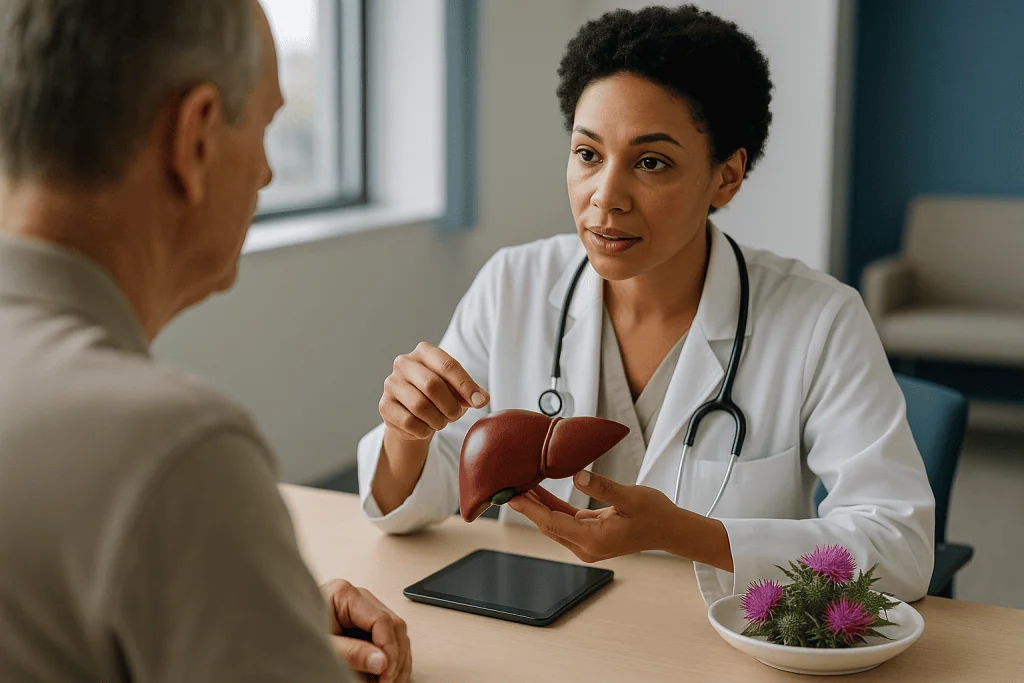
Randomized trials of commercial liver cleanses: essentially none. A 2015 review in a nutrition journal searched for rigorous trials of detox diets in humans and found none that met basic quality standards. More than a decade later, that gap has not closed.
Observational data: limited to self-reported wellbeing and short-term weight change, with no liver-specific outcome such as enzyme levels, fat content on imaging or scarring.
Laboratory and animal studies: some individual ingredients, including dandelion, artichoke and turmeric compounds, show antioxidant activity in cells or rodents. Those results have repeatedly failed to translate into human benefit at doses people actually consume, a pattern seen across much of supplement research.
Expert consensus: uniformly skeptical. Johns Hopkins, Cleveland Clinic, Harvard Health and the NHS all state that there is no evidence detox products improve liver health in healthy people.
Grade: the claim that a liver detox clears toxins is unsupported by any trial and contradicted by basic physiology. The claim that short-term lifestyle changes help the liver is supported by consistent observational data and, for weight loss and alcohol reduction, by trials. The products borrow credibility from the second claim to sell the first.
If you take one thing from this section, take this: the evidence does not say “we are not sure yet.” It says the benefit, where it exists, comes from what you stop doing.
What is milk thistle and how is it supposed to work?
Milk thistle (Silybum marianum) is a spiky purple flower in the daisy family, named for the white veins on its leaves. Physicians in ancient Greece and Rome recorded it as a liver remedy, and European herbalists have used it continuously since. Few supplements carry that much history, which is partly why it feels trustworthy.
The seeds contain a group of related compounds collectively called silymarin. The most abundant and best-studied member is silibinin, sometimes written silybin. When a label says “standardized extract,” it usually means the product has been processed to contain a set proportion of silymarin.
In laboratory experiments, silymarin does several interesting things. It scavenges free radicals (unstable molecules that damage cells), appears to stabilize the outer membrane of liver cells so that certain toxins enter less easily, and dampens signaling pathways involved in inflammation and scar formation. In animals exposed to the toxin from death cap mushrooms, silibinin given promptly reduced liver damage, and an intravenous form has been used in European hospitals for that specific poisoning for decades.
Those mechanisms are plausible. The challenge is delivery. Silymarin dissolves poorly in water and is absorbed poorly from the gut; a large share is broken down or excreted before reaching the liver in meaningful amounts. Manufacturers have tried binding it to fats or other carriers to improve uptake, which means different products behave differently and results from one cannot be assumed for another.
So milk thistle is not snake oil. It is a real plant with real biochemical activity in a dish. The question that matters is whether that activity changes anything measurable in a living person with a liver problem, and that is where the trials come in.
Does milk thistle help the liver? What the trials found
Milk thistle has been tested in more human trials than almost any other herbal liver product, which is useful, because it means the uncertainty is not for lack of looking.
Alcohol-related and viral liver disease: a Cochrane systematic review pooled 13 randomized trials in roughly 900 people with alcoholic liver disease or hepatitis B or C. Across all trials there was a hint of lower liver-related mortality, but when the analysis was restricted to the better-designed studies, that signal disappeared. The reviewers graded the overall evidence as low quality and concluded the benefit was unproven.
Hepatitis C: an NIH-funded randomized trial published in 2012 enrolled 154 people with chronic hepatitis C who had not responded to standard therapy. After 24 weeks, silymarin did not lower the liver enzyme ALT or reduce viral load compared with placebo. This remains one of the most rigorous milk thistle trials ever run, and it was negative.
Fatty liver (MASLD and MASH): several small trials, mostly under 100 participants and under a year, reported modest drops in liver enzymes. A 2017 trial using liver biopsies found no significant improvement in the primary measure of inflammation and cell injury, though scarring scores shifted favorably in a secondary analysis. Small, short, mixed: that is the fair summary.
Mushroom poisoning: the intravenous form appears helpful in observational case series, but no randomized trial exists, and this is an emergency hospital treatment, not a supplement use.
Grade: moderate-quality evidence that milk thistle does not improve outcomes in hepatitis C; low-quality, inconsistent evidence of small enzyme changes in fatty liver; no evidence that it protects a healthy liver or offsets alcohol. Mayo Clinic’s current summary and the NIH fact sheet describe the picture the same way.
Is milk thistle safe? Side effects and interactions
Across trials, milk thistle has been generally well tolerated for periods up to about four years, and serious harm is rare. That is a fair reason it has survived as a supplement. It is not a reason to assume it is inert.
The most common complaints are digestive: loose stools, nausea, bloating and a feeling of fullness. Headache and itching appear in a minority of reports.
Allergy deserves a specific mention. Milk thistle belongs to the same botanical family as ragweed, chrysanthemums, marigolds and daisies. People with known allergy to those plants have reported reactions ranging from rash to, very rarely, anaphylaxis.
Interactions are the under-discussed issue. Silymarin can influence some of the same liver enzymes and transport proteins that handle prescription medicines, which in theory could raise or lower blood levels of drugs such as certain statins, blood thinners, anti-seizure medicines, immunosuppressants and some diabetes medicines. Clinical reports of meaningful interactions are limited, but the mechanism is real enough that the NIH advises anyone taking prescription medicines to check with their clinician first.
Blood sugar is another consideration. A few small studies suggest milk thistle may lower glucose slightly, which could matter for someone already on glucose-lowering treatment.
Because silymarin has weak estrogen-like activity in laboratory models, people with hormone-sensitive conditions are usually advised to discuss it with their doctor. There is not enough data to establish safety in pregnancy or breastfeeding.
Finally, the NIH LiverTox database lists milk thistle itself as an unlikely cause of liver injury, but it also documents that supplement products are sometimes contaminated or mislabeled, and that liver injury from mixed-ingredient “liver support” blends has been reported. Any new supplement is a decision to make with a prescribing clinician, not instead of one.
Liver detox approaches at a glance: what the evidence shows
The table below sets the common approaches side by side, with the strength of evidence stated plainly. “Strong” means consistent randomized trials or large, repeated observational studies; “weak” means small or conflicting trials; “none” means no human trial has tested the claim.
| Approach | The claim | What evidence shows | Strength |
|---|---|---|---|
| Juice cleanse or short fast | Removes toxins, rests the liver | Temporary weight loss from calorie restriction; no liver-specific benefit measured | None for the claim |
| Olive oil and citrus “flush” | Expels gallstones | Pellets are soap-like clumps, not stones; can cause diarrhea and cramping | None; contradicted |
| Detox teas and herbal blends | Cleanses the liver | No trials; some blends linked to liver injury reports in NIH LiverTox | None; possible harm |
| Milk thistle (silymarin) | Protects and repairs the liver | Negative in hepatitis C trial; small, mixed enzyme changes in fatty liver; no effect on survival in quality trials | Weak to moderate, mostly negative |
| Reducing alcohol | Lets alcohol-related fat and inflammation settle | Fat accumulation improves within weeks of abstinence; mortality and cirrhosis risk fall with lower intake | Strong |
| Weight loss of 5–10% in fatty liver | Reduces liver fat and inflammation | Trials show about 5% reduces fat; 7–10% improves inflammation and can improve scarring | Strong |
| Coffee, 2–3 cups daily | Lowers liver disease risk | Large observational studies show lower rates of fibrosis and liver cancer; no randomized trial | Moderate, observational |
| Mediterranean-pattern diet and regular exercise | Supports liver health | Trials show reduced liver fat even without major weight change | Strong |
Read down the right-hand column and a pattern appears. Everything with strong evidence is a habit, not a product. Everything sold in a bottle sits at the bottom. That is not cynicism about supplements; it is simply where the trials have landed.
Fatty liver (MASLD): the real liver problem behind the trend
If there is a legitimate medical worry fueling the liver detox boom, it is fatty liver. Roughly one in four adults worldwide now has MASLD, defined as fat making up more than about 5% of the liver’s weight in a person who drinks little or no alcohol. In many countries it has become the most common chronic liver condition and a leading reason for transplant.
The mechanism is metabolic. When the body stores more energy than it uses, and especially when insulin stops working efficiently (insulin resistance), fat is shuttled into liver cells. In most people this stage, simple steatosis, causes no symptoms and no scarring. In perhaps one in five, fat triggers inflammation and cell injury, the stage called MASH, and over years that inflammation lays down scar tissue, or fibrosis. Advanced fibrosis is called cirrhosis.
Diagnosis does not come from a tongue photo or a detox symptom quiz. Doctors use blood tests for liver enzymes such as ALT and AST (proteins released when liver cells are stressed), ultrasound or specialized scans that measure fat and stiffness, and occasionally a biopsy. Many people are found incidentally during a scan for something else.
Here is the encouraging part, and it is better supported than any supplement. Losing about 5% of body weight reduces liver fat in most people. Losing 7–10% improves inflammation, and in trials with repeat biopsies, scarring regressed in a meaningful share of participants. The NHS, Mayo Clinic and Cleveland Clinic all frame weight management, physical activity and control of blood sugar and cholesterol as the core treatment. Medicines for the advanced stage exist and are prescribed by specialists; whether one is appropriate is a decision for your own clinician.
Alcohol and the liver: what the numbers actually show
Alcohol remains the substance the liver spends the most effort processing, and it is where the “detox” idea has the most real-world grounding, because stopping genuinely allows the liver to recover.
The arithmetic is unforgiving. The liver clears roughly one standard drink per hour, with wide individual variation. Drink faster than that and alcohol circulates while the liver catches up. Over weeks and months, regular heavy intake pushes fat into liver cells; around 90% of people who drink heavily develop fatty liver. Continue, and a proportion progress to alcoholic hepatitis and cirrhosis.
Guidelines in the United States describe lower-risk drinking as up to two drinks a day for men and one for women, with the CDC noting that less is better for health and that some people should not drink at all. The NHS frames the same idea as no more than 14 units a week, spread over at least three days, with several alcohol-free days.
What does stopping do? Alcohol-related fatty liver begins to improve within about two weeks of abstinence, and liver enzymes often normalize over four to eight weeks. Inflammation takes longer. Established scar tissue does not fully reverse, which is why early change matters more than any later cleanse.
A month off alcohol, the pattern popularized as a “dry” month, has been studied in small observational cohorts: participants reported better sleep, modest weight loss, and small improvements in blood pressure and insulin resistance. That is real, if modest, and it costs nothing.
One caution belongs here. Milk thistle does not offset alcohol, and no trial suggests it allows safer heavier drinking. Anyone who drinks heavily and finds it hard to cut down should talk to a clinician, because withdrawal can be medically serious and support is available.
What actually supports the liver, according to the evidence
Strip away the marketing and a short, well-supported list remains. None of it is glamorous. All of it has better evidence than any detox product.
Eat in a Mediterranean pattern. Trials in people with fatty liver show that a diet built on vegetables, legumes, whole grains, olive oil, fish and nuts reduces liver fat even when weight stays stable. The likely mechanism is lower intake of refined carbohydrate and added sugar, particularly fructose, which the liver converts to fat more readily than other sugars.
Move most days. About 150 minutes a week of moderate activity, the standard public health target, lowers liver fat independently of weight loss in randomized trials. Resistance training appears to help as well.
Drink coffee if you tolerate it. Large observational studies across several continents link two to three cups a day with lower rates of fibrosis, cirrhosis and liver cancer. There is no randomized trial, so this remains an association, but it is one of the most consistent in liver epidemiology.
Treat the metabolic neighbors. Blood sugar, blood pressure and cholesterol managed with your clinician reduce the drivers of fatty liver. The condition is, in effect, the liver’s expression of the same process affecting the heart and blood vessels.
Use medicines as directed. Acetaminophen is safe at recommended amounts for most people, but the liver has a limited capacity to neutralize it, and exceeding label directions, especially alongside alcohol, is a leading cause of acute liver failure. Never adjust a prescribed medicine on your own; ask the prescriber.
Ask about hepatitis vaccination. Hepatitis A and B vaccines are recommended for specific groups by the CDC; whether you are eligible is a question for your clinician.
Supplements and the liver: the injury risk the videos leave out
There is an uncomfortable irony in the liver detox trend. The organ that herbal products promise to protect is the organ most often injured by herbal products.
The United States Drug-Induced Liver Injury Network, an NIH-funded registry, has tracked cases of serious liver damage from medicines and supplements since 2004. In its early years, herbal and dietary supplements accounted for about 7% of cases. A decade later the share had risen to around 20%, and it has continued to climb. Supplements are now one of the leading identifiable causes of liver injury severe enough to require hospital care.
Certain categories recur in the data. Concentrated green tea extract, the kind found in weight-loss capsules rather than brewed tea, has caused dozens of documented cases of acute hepatitis. Bodybuilding products containing undeclared anabolic steroids are a frequent culprit. Kava, comfrey, kratom and some multi-ingredient “liver support” and “detox” blends appear in the NIH LiverTox database with case reports attached. Turmeric and curcumin extracts, long assumed harmless, have been linked to a growing number of injury reports, particularly in formulations designed for high absorption.
Why does this happen? Dietary supplements are not required to prove safety or effectiveness before sale, and independent testing has repeatedly found products that contain less of the labeled ingredient, more, or something else entirely. The liver, as the first organ to meet whatever is swallowed, absorbs the consequences.
None of this means every supplement is dangerous, and milk thistle itself has a reassuring record. It does mean that the burden of proof runs the other way from what the videos imply. Before adding anything marketed for the liver, the evidence-based move is to bring the bottle to your clinician and ask whether it is likely to help, likely to interact, or simply unnecessary.
Common myths about liver detox, corrected
Viral claims tend to share a structure: a visible sign, an invisible cause, and a product that bridges them. Here are the ones circulating most widely, and what the evidence says.
- “A coated tongue, dark under-eye circles or acne mean your liver is toxic.” None of these are signs of liver disease in medical practice. Liver dysfunction shows up as jaundice, fluid retention, confusion or abnormal blood tests, not cosmetic changes. The symptoms in these lists are so common they apply to nearly everyone, which is the point.
- “You can see the toxins leaving.” Changes in stool or urine color during a cleanse reflect what was eaten, the laxative effect of the ingredients, and dehydration. Transformed waste leaves the body continuously and invisibly in bile and urine, cleanse or no cleanse.
- “A flush passes gallstones.” Covered above: the pellets are soap-like products of oil meeting digestive juices. Genuine gallstones need imaging to diagnose and, when symptomatic, medical treatment.
- “Milk thistle lets you drink safely.” No trial supports this. Alcohol-related damage depends on how much alcohol reaches the liver, and silymarin does not change that.
- “Feeling unwell during a cleanse means it is working.” Headache, fatigue and nausea during a juice fast are symptoms of low calorie intake, caffeine withdrawal and electrolyte shifts. They are not evidence of toxins releasing.
- “A detox before or after the holidays resets the liver.” The liver does not accumulate a backlog that needs clearing. What helps is drinking less and eating better across the year, not a corrective week.
A fair reading of the myths is that they take real physiology, the liver’s genuine role in clearing waste, and attach it to products that have never been tested. Correcting them is not about scolding anyone. It is about redirecting effort to the habits that actually move liver outcomes.
When to see a doctor about your liver, milk thistle or a cleanse
Most people reading about liver detox have a healthy liver and curiosity, and nothing here should cause alarm. There are, however, specific signs that call for prompt medical attention rather than a supplement.
Seek care urgently if you notice any of the following:
- Yellowing of the skin or the whites of the eyes (jaundice)
- Dark, tea-colored urine together with pale or clay-colored stools
- Swelling of the abdomen or legs, or sudden unexplained weight gain from fluid
- Confusion, unusual drowsiness or difficulty concentrating
- Vomiting blood or passing black, tarry stools
- Severe or persistent pain under the right ribs
- Persistent itching without a rash, or easy bruising
Contact a clinician without delay if any new symptom begins within days or weeks of starting a supplement, herbal blend or cleanse. Bring the product with you; identifying the ingredient matters for diagnosis.
Make a routine appointment if you have risk factors for fatty liver, including excess weight around the waist, type 2 diabetes, high blood pressure or high cholesterol, and have never had liver tests. Do the same if you drink above guideline limits and would like help cutting down.
Talk to your prescribing clinician before starting milk thistle if you take any regular medicine, have diabetes, have a hormone-sensitive condition, are pregnant or breastfeeding, have a known allergy to plants in the daisy family, or have surgery scheduled.
Two things should never happen on the strength of a video or an article, including this one. Do not stop or change a prescribed medicine to make room for a cleanse, and do not treat abnormal liver tests with a supplement instead of following up. Every decision about treatment belongs with the clinician who knows your history and can see your results.
Frequently asked questions
Does milk thistle actually work for the liver?
Not in a way trials have been able to demonstrate. The largest well-designed study, in hepatitis C, found no benefit over placebo, and a Cochrane review of 13 trials found no effect on survival in the higher-quality studies. Small trials in fatty liver show modest, inconsistent enzyme changes. It is not proven useless, but it is far from proven helpful.
How do you cleanse your liver naturally?
You do not need to, because the liver cleans itself. What reduces its workload is drinking less alcohol, cutting added sugar and refined carbohydrate, moving regularly and managing weight, blood sugar and cholesterol. These habits have randomized trial evidence for lowering liver fat and inflammation, which no cleanse product can claim.
What are the side effects of a liver detox or cleanse?
Short juice fasts commonly cause headache, fatigue, dizziness and irritability from low calorie intake and caffeine withdrawal. Oil-and-citrus flushes often cause diarrhea and cramping. Herbal detox blends carry a less obvious risk: several multi-ingredient products appear in the NIH LiverTox database with reports of liver injury. People with diabetes or kidney disease face added risk from fasting.
Is it safe to take milk thistle every day?
In clinical trials, daily use for up to several years was generally well tolerated, with mild digestive upset the most common complaint. Safety is less clear if you take prescription medicines, have diabetes, have a hormone-sensitive condition, are pregnant, or are allergic to ragweed-family plants. Discuss daily use with your prescribing clinician before starting.
Can milk thistle protect your liver from alcohol?
No evidence supports this. Alcohol damage depends on how much alcohol reaches the liver and for how long, and silymarin does not change that. Trials in people with alcoholic liver disease have not shown improved survival. The only intervention with strong evidence for alcohol-related liver injury is drinking less.
What are the real signs of liver problems?
Clinically meaningful signs include yellowing of the skin or eyes, dark urine with pale stools, abdominal or leg swelling, confusion, vomiting blood and persistent pain under the right ribs. A coated tongue, under-eye circles or acne are not signs of liver disease. Early fatty liver usually causes no symptoms at all, which is why risk-based blood tests matter.
How long does it take the liver to recover after stopping alcohol?
Fat accumulation from alcohol begins to improve within about two weeks of abstinence, and liver enzymes often normalize over four to eight weeks. Inflammation settles more slowly. Established scar tissue does not fully reverse, so earlier change produces more recovery. Anyone who drinks heavily should seek medical support before stopping abruptly, because withdrawal can be serious.
Does coffee help the liver?
Large observational studies across many countries consistently link two to three cups of coffee a day with lower rates of liver fibrosis, cirrhosis and liver cancer. There is no randomized trial, so this remains an association rather than proof. For people who already drink coffee and tolerate it, the evidence is reassuring; it is not a reason to start if you dislike it.
What is the difference between fatty liver and a toxic liver?
Fatty liver, now called MASLD, is a defined medical condition in which fat exceeds about 5% of the liver’s weight; it is diagnosed with blood tests and imaging and affects roughly one in four adults. “Toxic liver” is a marketing phrase with no medical definition or test. Genuine toxin-related liver injury does occur, most often from excess acetaminophen, alcohol or supplements.
Can milk thistle interact with medications?
Possibly. Silymarin can influence liver enzymes and transport proteins that handle many prescription drugs, including some statins, blood thinners, anti-seizure medicines, immunosuppressants and diabetes medicines. Documented clinical interactions are limited, but the mechanism is plausible enough that the NIH advises checking with a clinician or pharmacist before combining milk thistle with any regular medicine.
References
- Milk Thistle: Usefulness and Safety (NIH National Center for Complementary and Integrative Health)
- Non-alcoholic fatty liver disease (NHS)
- Liver: Anatomy and Functions (Cleveland Clinic)
- Liver Diseases (MedlinePlus)
This article is for general information only and is not a substitute for professional medical advice. Please consult a qualified doctor about your individual situation.

More from the Blog

Reading Your Autoimmune Hepatitis Treatment Plan: Questions Worth Asking a Specialist
A second opinion for autoimmune hepatitis is usually considered when the diagnosis rests on borderline results, when liver blood tests do not settle after…

After Variceal Banding: Soft Foods, Chest Discomfort and the First Days of Recovery
Recovery after variceal banding is usually measured in days. Most people go home the same day, drink clear liquids first, then eat soft foods…
Pancreatitis Complications Explained: Fluid Collections, Infection and When to Return
Most acute pancreatitis settles within about a week, but pancreatitis complications warning signs include pain that returns or worsens after improving, fever or chills,…
Lactose Intolerance vs Milk Allergy: Why the Distinction Changes Testing and Treatment
Lactose intolerance is a digestive problem: the gut lacks enough lactase enzyme to break down milk sugar, causing bloating, gas and loose stools but…

Is It a Flare? Changes That Autoimmune Hepatitis Patients Report Between Visits
Autoimmune hepatitis flare warning signs that patients commonly report between visits include deepening fatigue, dull discomfort under the right ribs, nausea or loss of…

Can Ulcerative Colitis Stay in Remission? What Long-Term Control Realistically Involves
Ulcerative colitis can stay in remission for months or years, and many people have long stretches with few or no symptoms, but it is…