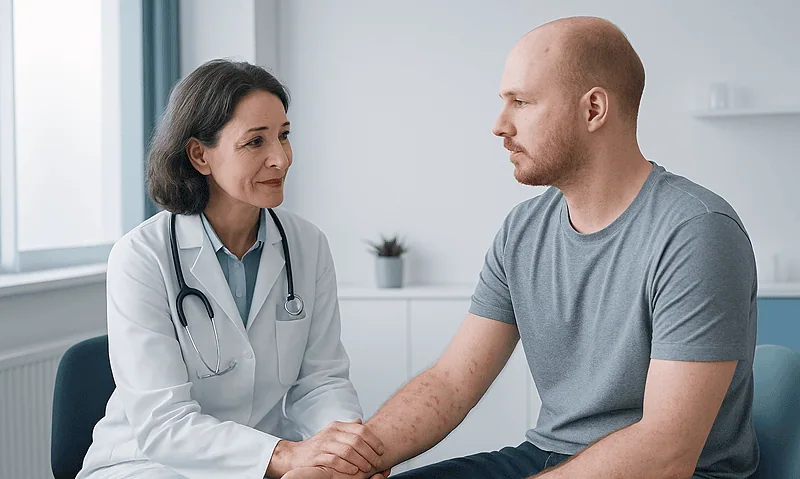
Glioblastoma Prognosis: What Shapes the Outlook and What the Numbers Really Mean
Glioblastoma prognosis is serious: with surgery, radiation and chemotherapy, median survival is roughly 12 to 18 months, and about 5 to 7 percent of…
Read article

3,567 plain-language articles across 62 topics, symptoms explained, nutrition, lab results, medical technology and everyday wellbeing, written by Dr. Şule Eren, published daily by the group behind 45 hospitals and clinics in Türkiye, Bulgaria, Serbia, Netherlands and North Macedonia. For clinical guidance on a condition or procedure, see the Patient Guides.
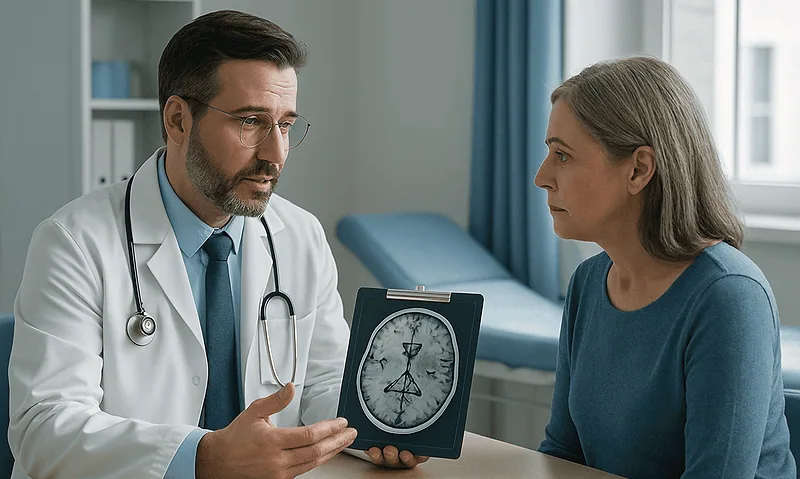
Glioblastoma prognosis is serious: with surgery, radiation and chemotherapy, median survival is roughly 12 to 18 months, and about 5 to 7 percent of…
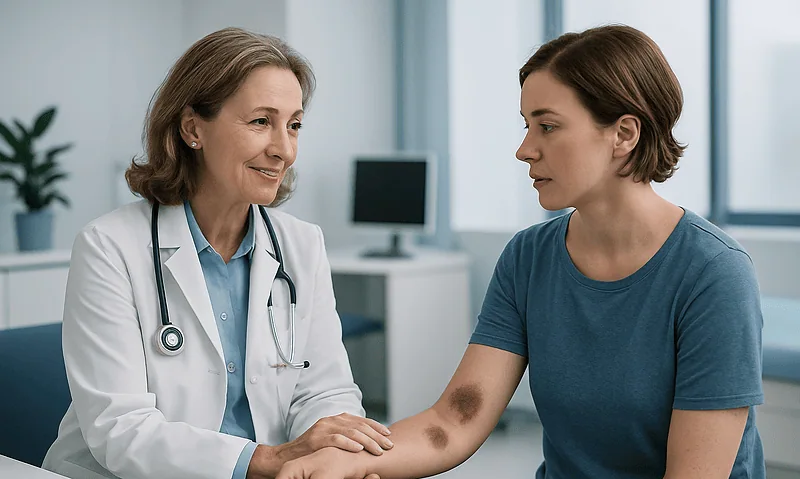
Leukemia bruises happen because the marrow makes too few platelets, the cell fragments that plug small leaks in blood vessels. They tend to appear…
Leukemia is caused by acquired DNA changes in blood-forming cells of the bone marrow that make them multiply out of control and crowd out…
Leukemia is sorted along two axes: how fast it progresses (acute or chronic) and which blood cell line it comes from (lymphoid or myeloid).…
Most brain tumors have no identifiable cause. They begin when cells in or around the brain acquire DNA changes that let them multiply unchecked,…
Brain tumors are grouped by the cell they start from and by grade, a 1-to-4 scale describing how abnormal the cells look and how…
Chronic lymphocytic leukemia often causes no symptoms at first and is frequently found on a routine blood test. When symptoms do appear, the most…
Leukemia symptoms in kids usually build over a few weeks and stem from bone marrow crowded by abnormal white cells. Parents most often notice…
The overall five-year relative survival rate for leukemia in the United States is about 67 percent, according to NIH SEER data, but that single…
Lymphoma survival rates are high compared with many cancers, though they vary widely. In US registry data, about 89% of people with Hodgkin lymphoma…
Some leukemias can be cured and others are controlled for many years, so the answer depends on the type, the person's age, and how…
To lower blood sugar, the most reliable lifestyle levers are regular movement (even a 2- to 5-minute walk after meals measurably blunts spikes), meals…
Most colds last 7 to 10 days. Symptoms typically begin 1 to 3 days after exposure, peak around days 2 to 3 with congestion…
There is no single correct frequency. Most people do well washing their hair two or three times a week, though very oily scalps may…
A cold usually creeps in over one to three days with sneezing, a sore throat, and a runny nose, while flu tends to strike…
Multiple myeloma prognosis depends mainly on the stage at diagnosis, the genetic features of the myeloma cells, kidney function, a person's age and overall…
A lymphoma rash most often comes from cutaneous T-cell lymphoma, a rare lymphoma that begins in the skin. It usually appears as flat, scaly,…
A leukemia rash is not usually a true rash. Most often it is a cluster of tiny red or purple dots called petechiae, or…
Choose which cookies you allow. Essential cookies are always on because the site cannot work without them.