

RSV Vaccine for Adults: Who Is Eligible, How It Works and What Side Effects Were Recorded

Key Takeaways
- US guidance recommends a single RSV vaccine dose for all adults 75 and older and for adults 50 to 74 with a qualifying risk condition such as chronic heart or lung disease, complicated diabetes, severe obesity or a weakened immune system.
- All three licensed adult vaccines target the prefusion F protein, a shape of the virus's fusion protein locked in place by NIH researchers in 2013, and none contains live virus.
- Randomized trials of roughly 25,000 to 37,000 older adults each found first-season reductions in RSV lower respiratory tract disease of about 67 to 84 percent, and real-world studies found roughly 75 to 80 percent protection against hospitalization.
- Protection wanes gradually but persists into a second season, which is why the vaccine is currently given once with no booster recommended.
- The most common recorded side effects were injection-site pain, fatigue, headache and muscle aches lasting one to three days, more frequent with the adjuvanted and mRNA products than the unadjuvanted one.
- An FDA analysis of Medicare data estimated about seven to nine excess Guillain-Barré syndrome cases per million doses of the two protein vaccines, a risk disclosed on the labels in January 2025 and judged to be outweighed by benefit in the recommended groups.
RSV vaccines for adults are given as a single dose and are recommended in the US for everyone aged 75 and older, and for adults aged 50 to 74 who have a condition that raises their risk of severe RSV, such as chronic heart or lung disease, diabetes with complications or a weakened immune system. Trials recorded mostly mild, short-lived side effects; a rare Guillain-Barré syndrome signal was later identified. Your clinician decides whether it fits you.
A 68-year-old with well-controlled asthma walks into her pharmacy for a flu shot and is asked a question she has never heard before: has she considered the RSV vaccine? She had filed respiratory syncytial virus under childhood illnesses, something her grandchildren caught. The pharmacist is not wrong to ask. As of early 2026, the RSV vaccine is one of the most searched immunization topics in the country, and for concrete reasons rather than noise.
Three products have been licensed for adults since 2023, US eligibility widened in June 2025 to include at-risk adults in their fifties, and in January 2025 regulators added a rare nerve condition to two of the labels after a large post-licensing safety study. Meanwhile, second-season effectiveness data landed, answering the question nearly everyone types into a search bar: is this a yearly shot or a one-time one?
That mixture of genuine new evidence and understandable confusion is why this piece exists. What follows is the guideline-level picture, with the strength of each claim graded plainly.
What changed recently with the RSV vaccine for adults?
The timeline matters because most viral claims online are built on an outdated snapshot. Here is the sequence, anchored to the CDC and NHS pages listed in the references.
In May 2023 the first two adult RSV vaccines, Arexvy (GSK) and Abrysvo (Pfizer), were approved in the United States for adults aged 60 and older. Abrysvo was additionally approved in August 2023 for use during pregnancy to protect newborns. In May 2024 a third product, mResvia (Moderna), became the first mRNA vaccine licensed for RSV in adults 60 and older.
The recommendation itself shifted in June 2024. The CDC’s Advisory Committee on Immunization Practices moved from a broad shared decision-making approach for everyone over 60 to a clearer rule: all adults 75 and older, and adults 60 to 74 at increased risk. That guidance is spelled out in the MMWR report published in August 2024.
Two further changes arrived in 2025. In January, the FDA required label updates for Arexvy and Abrysvo describing a small increased risk of Guillain-Barré syndrome, a rare condition in which the immune system attacks the nerves, based on a study of Medicare beneficiaries. Then in June 2025 the CDC adopted an expanded recommendation covering adults aged 50 to 59 who have qualifying risk conditions.
Across the Atlantic, the NHS launched its first routine adult RSV program in September 2024, offering a single dose to people aged 75 to 79 and to pregnant women from 28 weeks.
Why does this matter for a reader now? Because eligibility depends on age and health status, not on a general sense of being cautious or being healthy, and because the safety picture in 2026 is more complete than the one the trials alone could offer. The rest of this article works through each of those threads in turn.
What is RSV, and why does it hit older adults harder?
Respiratory syncytial virus is a common seasonal virus that infects the nose, throat and lungs. Almost every child has met it by age two, and adults keep catching it throughout life, usually as something indistinguishable from a cold: runny nose, cough, a few rough nights.
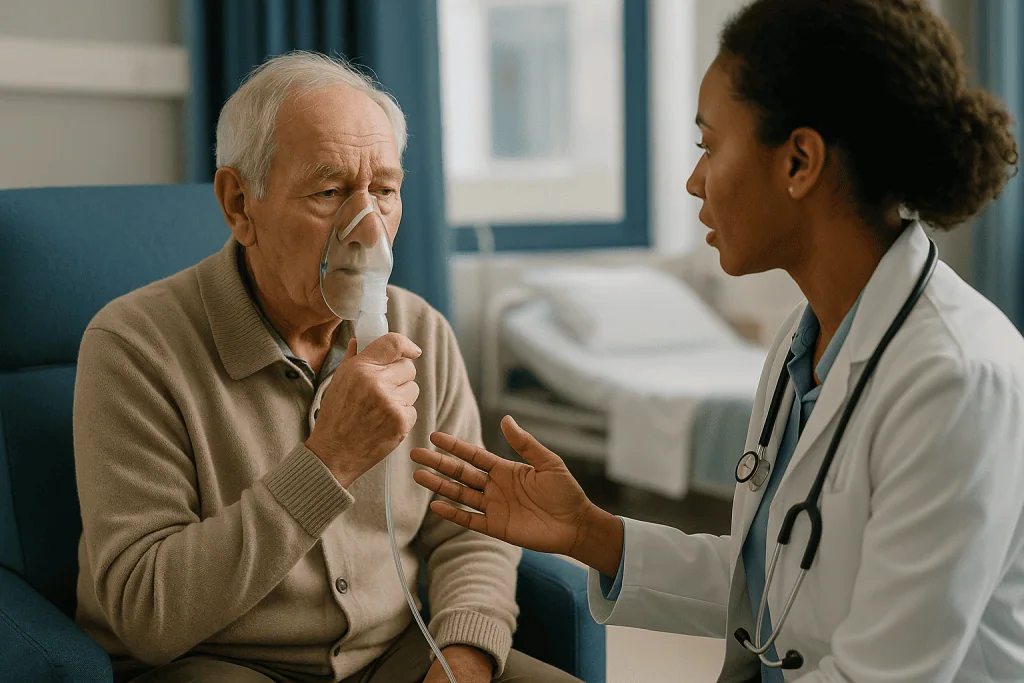
The problem is not the virus changing. It is the host changing. Immune defenses weaken with age, a process called immunosenescence, and the lungs lose some of their reserve. When RSV travels from the upper airway into the small airways and air sacs, doctors call that lower respiratory tract disease, and in an older or medically fragile adult it can mean pneumonia, a flare of heart failure or a chronic obstructive pulmonary disease exacerbation that lands someone in hospital.
The CDC estimates that RSV causes roughly 100,000 to 150,000 hospitalizations and 6,000 to 10,000 deaths each year among US adults aged 65 and older. Those figures come from surveillance modeling rather than a single count, so treat them as a range, but the scale is comparable to a moderate influenza season in the same age group. Mayo Clinic notes that people with heart disease, lung disease or weakened immune systems are the adults most likely to become seriously ill.
Two features make RSV easy to underestimate. First, adults are rarely tested for it, so many hospitalizations are recorded simply as pneumonia. Second, there is no widely used antiviral treatment for RSV in adults; care is supportive, meaning oxygen, fluids and time. Prevention is therefore doing more of the work than it does for flu or COVID-19.
None of this means every older adult is in danger. A healthy 66-year-old who walks three miles a day is in a very different position from a 66-year-old on home oxygen. That distinction is exactly what the current eligibility rules try to capture, and it is where the next section begins.
Who is eligible for the RSV vaccine in the United States?
The CDC’s current recommendation, updated in June 2025, has two parts.
First, every adult aged 75 and older is recommended to receive a single dose of an RSV vaccine. No risk condition is required; age alone qualifies.
Second, adults aged 50 to 74 are recommended to receive it if they are at increased risk of severe RSV disease. The CDC lists the qualifying conditions, which include:
- Chronic cardiovascular disease such as heart failure or coronary artery disease
- Chronic lung disease such as COPD or moderate to severe asthma
- Diabetes with complications affecting the kidneys, nerves, eyes or heart, or diabetes requiring insulin
- Severe obesity, defined as a body mass index of 40 or above
- Advanced or end-stage kidney disease, or chronic liver disease
- A weakened immune system from a medical condition or immune-suppressing treatment
- Certain neurologic conditions that impair breathing or clearing secretions, and some blood disorders
- Living in a nursing home or other long-term care facility
The CDC also notes that other factors a clinician judges to raise risk, such as frailty, can count. The phrase to remember is increased risk as determined with a healthcare provider; it is not a self-certification.
Adults aged 60 to 74 without any of these conditions are not currently recommended to receive it, and neither are healthy adults under 60. That is not a statement that the vaccine is unsafe for them. It reflects where the benefit is large enough, relative to a rare risk, for a population-level recommendation, a balance discussed later under Guillain-Barré syndrome.
Timing is flexible. The CDC advises that late summer or early fall, before RSV begins circulating, is ideal, but an eligible adult can receive it at any point in the year. If you have already had one dose in a previous season, you are not currently recommended to get another, which is covered in the section on how often the vaccine is given.
How does eligibility differ in the UK and internationally?
Readers often compare countries and conclude that someone must be wrong. In reality, the programs are answering slightly different questions with different budgets, populations and vaccine supplies.
In England, the NHS has offered the RSV vaccine since September 2024 to adults aged 75 to 79, delivered as a single dose. People turning 75 are invited routinely, and those who were already 75 to 79 when the program started were included in a one-time catch-up. The NHS also offers it to pregnant women from 28 weeks to protect their babies. Unlike the US, the NHS has not built its adult program around a list of risk conditions for younger age bands; it uses age as the primary criterion, and the product used is the Pfizer vaccine. People aged 80 and over were not included at launch because trial data in that age group were limited, and UK advisers have said they will keep that under review as evidence accrues.
The World Health Organization has focused its formal position on protecting infants, through maternal vaccination and long-acting antibody products, because infant RSV deaths are concentrated in lower-income countries. WHO has not issued a global recommendation for routine older-adult RSV vaccination, leaving that to national advisory bodies, which is a normal division of labor rather than a sign of doubt.
Canada, Australia and several European countries have introduced or are phasing in older-adult programs, most commonly starting at 75 or at 60 for people with risk conditions. The convergence is telling: independent committees looking at the same trials keep landing on age 75 as the point where universal use makes sense and on risk-based use below that.
If you split time between countries, the practical advice is simple. Eligibility follows where you receive care, and a single dose received in one country counts in another; the vaccines are the same products.
How does the RSV vaccine work?
All three adult RSV vaccines target the same piece of the virus, and the story of how that target was found explains why these vaccines took six decades to arrive.
RSV uses a surface protein called F, for fusion, to merge with human cells. Before it does its job, F sits in a spring-loaded shape scientists call the prefusion form; after fusion it snaps into a stable, inert postfusion shape. Early vaccine attempts used the postfusion shape because it was easy to purify, and the antibodies they generated were weak. In 2013, researchers at the NIH worked out how to lock the F protein in its prefusion form. Antibodies against that shape neutralize the virus far more effectively, and every licensed adult RSV vaccine is built on it.
The three products deliver that prefusion F target in different ways:
- Arexvy contains a purified prefusion F protein combined with an adjuvant, which is an ingredient that amplifies the immune response. Its adjuvant, AS01E, is the same family used in the recombinant shingles vaccine, which is one reason its reactions and its stronger response in older adults look familiar.
- Abrysvo contains prefusion F proteins from both RSV subtypes, A and B, without an adjuvant. This is why it was selected for pregnancy use, where a milder reaction profile was a design priority.
- mResvia uses messenger RNA, a set of instructions wrapped in a lipid particle, that tells your own cells to produce the prefusion F protein for a short time; the immune system then learns from it.
In each case the outcome is the same: the body builds neutralizing antibodies and memory cells before RSV season, so an infection is either prevented or kept in the upper airway instead of spreading to the lungs.
None of these vaccines contains live virus, so none can cause RSV. Protection takes roughly two weeks to develop, which is why late summer or early fall vaccination is preferred.
Which RSV vaccines are approved for adults? A side-by-side summary
The CDC does not express a preference among the three products for adults; any licensed RSV vaccine may be used for eligible adults. The differences below are real but modest, and in practice most people receive whichever product their clinic or pharmacy stocks.
| Vaccine | Technology | US approval and age range | Pivotal trial efficacy, first season | Notable safety notes |
|---|---|---|---|---|
| Arexvy (GSK) | Prefusion F protein with AS01E adjuvant | May 2023, 60 and older; extended in 2024 to 50 to 59 at increased risk | About 83 percent against RSV lower respiratory tract disease; about 94 percent against severe disease | Higher rates of injection-site pain and fatigue than the unadjuvanted product; GBS label update January 2025 |
| Abrysvo (Pfizer) | Bivalent prefusion F protein, no adjuvant | May 2023, 60 and older; August 2023 in pregnancy; extended in 2024 to 18 to 59 at increased risk | About 67 percent against disease with two or more symptoms; about 86 percent against disease with three or more symptoms | Milder reaction profile; GBS label update January 2025 |
| mResvia (Moderna) | mRNA encoding prefusion F | May 2024, 60 and older; extended in 2025 to 18 to 59 at increased risk | About 84 percent against disease with two or more symptoms | Reactions similar to other mRNA vaccines; no GBS signal identified to date, with fewer post-licensing data |
A caution about reading the efficacy column: the three trials used slightly different definitions of illness and enrolled somewhat different populations, so the numbers are not a ranking. Comparing them directly is a common error in viral posts. The honest summary is that all three cut the risk of RSV lung disease by a large margin in their first season, with the widest confidence intervals for the rarest outcomes.
Note also that the extended age ranges describe what the FDA has licensed, which is broader than what the CDC recommends. A product being licensed for adults aged 18 to 59 at increased risk does not mean a healthy 35-year-old is advised to receive it; the recommendation currently starts at 50 for at-risk adults.
What the evidence actually says, and how strong it is
It helps to sort the evidence into tiers, because a randomized trial, a surveillance study and an expert vote carry different weight.
Tier one: randomized controlled trials. Each vaccine was tested in a large placebo-controlled trial of adults aged 60 and older, roughly 25,000 to 37,000 participants per trial. Participants did not know whether they received vaccine or placebo, which is the strongest design for measuring efficacy. The results, published in peer-reviewed journals including the New England Journal of Medicine, showed reductions in RSV lower respiratory tract disease of about 67 to 84 percent in the first season. The evidence that these vaccines prevent RSV lung illness is therefore high quality.
Tier one, with a gap. The trials enrolled relatively few people over 80, few nursing-home residents and few with severely weakened immune systems. Efficacy in those groups is inferred, not directly measured. This is an acknowledged limitation, not a hidden one.
Tier two: observational effectiveness studies. Once a vaccine is in use, researchers compare vaccinated and unvaccinated adults who are tested for RSV in hospitals. Confounding is possible because vaccinated people differ in other ways, but the designs adjust for that. CDC-led networks reported that during the 2023 to 2024 season the vaccines were about 75 to 80 percent effective against RSV-associated hospitalization in adults 60 and older, including those with immunocompromising conditions. Data from the second season showed protection persisting, though at a lower level. This is moderate-quality evidence that supports and extends the trials.
Tier two: safety surveillance. The Guillain-Barré signal came from an FDA-sponsored analysis of Medicare claims covering millions of doses, a design well suited to detecting rare events but unable to prove causation on its own. The estimated risk is small, roughly seven to nine excess cases per million doses, and is discussed in detail below.
Tier three: expert judgment. Decisions such as where to set the age cutoff, or whether to revaccinate, are informed by modeling and committee deliberation rather than direct trial evidence. Reasonable committees in different countries have drawn the line differently, which is why national guidance varies.
Put together: strong evidence of benefit against RSV lung disease, moderate evidence of durable real-world protection against hospitalization, and a well-characterized rare risk.
How often do you need an RSV vaccine?
This is the question that surprises people most, because they have been trained by flu shots to expect an annual visit. The current answer from the CDC is that the RSV vaccine is given once. Adults who have already received a dose are not recommended to receive another, and the CDC has not established a revaccination schedule.
The reasoning rests on durability data. In the trials, protection did not vanish at the end of the first season. Over two full seasons, the GSK vaccine reduced RSV lower respiratory tract disease by roughly two-thirds cumulatively, and the Pfizer product showed a similar pattern through its extended follow-up. Real-world CDC studies through the second season confirmed that vaccinated older adults remained meaningfully less likely to be hospitalized with RSV, though the protective effect was smaller than in year one.
Two things are worth being candid about. Protection does wane; the question is how fast and to what floor. And the trials tested a second dose about a year later and found it did not restore antibody levels to the peak seen after the first dose, which is part of why an annual booster has not been recommended. Whether a booster several years out would help is being studied, and advisory committees have said they will revisit the question as data accumulate.
Practically, this means:
- If you received an RSV vaccine in 2023, 2024 or 2025, you are considered vaccinated and do not currently need another dose.
- If you have never received one and are eligible, the timing that maximizes protection is before your first RSV season, typically late summer or early fall, but any time is acceptable.
- There is no need to wait for a particular season to end before receiving it.
Compared with influenza, whose virus mutates enough each year to require reformulated vaccines, RSV is genetically stable, and the prefusion F target does not drift in the same way. That biological difference, not manufacturing convenience, is why one dose has held up. If a future guideline introduces a booster, it will be announced through the same CDC channels, and your clinician will know.
RSV vaccine side effects: what the trials recorded
Side effects recorded in the trials fall into the familiar pattern of any protein or mRNA vaccine: local reactions where the needle went in and short-lived whole-body symptoms as the immune system responds. Nearly all resolved within one to three days without treatment.
For the adjuvanted GSK vaccine, roughly six in ten participants reported injection-site pain, about a third reported fatigue, and about a quarter to a third reported muscle aches or headache. For the unadjuvanted Pfizer vaccine, the numbers were lower: fatigue in about one in six, headache in about one in eight, and injection-site pain in about one in nine, only modestly above placebo. The Moderna mRNA vaccine sat closer to the GSK profile, with injection-site pain in over half of recipients and fatigue in about a third. Severe reactions that interfered with daily activity occurred in a low single-digit percentage across products.
What about rarer events? In the two protein-vaccine trials, a small number of participants developed inflammatory neurologic conditions within weeks of vaccination, including cases of Guillain-Barré syndrome and a related condition affecting the eyes and nerves. Numbers were too small to draw conclusions in the trials themselves, which is exactly why regulators asked for post-licensing studies; the outcome of those studies is covered in the next section. Atrial fibrillation, an irregular heart rhythm, was reported slightly more often in vaccine than placebo recipients in one trial, but later, larger surveillance did not confirm an increased risk.
Allergic reactions, including anaphylaxis, can occur with any vaccine and are estimated at a few cases per million doses; that is why vaccination sites keep you for a short observation period.
Two practical points from the data. First, a sore arm or a day of tiredness is not a sign something went wrong; it is the expected cost of an immune response and does not predict how well protected you are. Second, if you have had a severe allergic reaction to any component of a vaccine before, that is a conversation to have with your clinician beforehand, not something to sort out at the counter.
Is there a downside to the RSV vaccine? Guillain-Barré syndrome in context
Guillain-Barré syndrome, usually shortened to GBS, is a rare condition in which the immune system damages the peripheral nerves, causing weakness and tingling that typically starts in the legs and can progress over days to weeks. Most people recover, often after weeks to months, though some are left with lasting weakness, and a small proportion need breathing support during the acute phase. In the general population it occurs in roughly one to two people per 100,000 each year, most commonly after an infection such as a gastrointestinal illness or, notably, after influenza itself.
Here is what the data show. In January 2025, the FDA announced that a study of Medicare beneficiaries aged 65 and older had found an increased risk of GBS in the 42 days after vaccination with either Arexvy or Abrysvo. The estimated excess was about nine cases per million doses for Arexvy and about seven per million for Abrysvo. The FDA required both labels to carry this information. For mResvia, which has been in use for a shorter time, no signal had been identified, but fewer doses had been given, so the absence of a finding is not the same as proof of absence.
How should a person weigh that? The CDC’s advisory committee did the arithmetic explicitly. Among adults 75 and older, RSV vaccination is estimated to prevent thousands of hospitalizations and hundreds of deaths per million doses. Against that, the GBS risk is in the single digits per million. For adults 60 to 74 without risk conditions, the number of hospitalizations prevented per million doses is much smaller, which is precisely why the committee chose a risk-based recommendation rather than a universal one in that age band. The rare harm did not disappear; it was set against a benefit that shrinks with better health.
Observational data cannot fully exclude that some of the association reflects coincidence or other factors, and the confidence intervals are wide. The neutral summary is that a small, real-seeming risk exists, it has been openly labeled, and it is outweighed for the groups currently recommended. A history of GBS is not a listed contraindication, but it is a reason to discuss timing and product choice with your clinician.
Is the RSV vaccine really necessary if I feel healthy?
The honest answer depends on two numbers only you and your clinician can supply: your age and your medical history. The vaccine works about as well in a healthy 70-year-old as in an unwell one; what differs is how much illness there is to prevent.
Consider two neighbors. One is 77, active, no chronic conditions. Age alone places her in the group where the CDC recommends the vaccine, because RSV hospitalization rates climb steeply after 75 even among people who consider themselves well; the immune and lung changes of aging happen whether or not a diagnosis is attached. The other is 62 with nothing on her problem list. She is not currently recommended to receive it, and the reason is not that she is invulnerable but that her baseline risk of severe RSV is low enough that, spread across a million people like her, the vaccine would prevent relatively few hospitalizations against a small fixed risk.
Where people most often misjudge themselves is in the middle. Adults in their fifties and sixties frequently do not think of themselves as high risk while living with conditions that are on the CDC list: asthma that needs a daily inhaler, type 2 diabetes with early kidney changes, a body mass index over 40, a past heart attack, or a medication for rheumatoid arthritis or psoriasis that dampens the immune system. Each of those independently raises the chance that a routine RSV infection becomes pneumonia or a heart failure admission. The CDC’s own modeling suggests the benefit per dose in a 60-year-old with COPD resembles that in a healthy person over 75.
Then there is the indirect case. RSV spreads in households, and adults are a common source of infection for infants and for frail relatives. Vaccination reduces symptomatic infection, though the trials did not measure transmission, so the evidence for protecting others is indirect and should not be oversold.
If none of the risk conditions apply and you are under 75, current guidance does not recommend it, and declining is consistent with the evidence. If any of them do, or you are 75 or older, the evidence points the other way. Either way, the decision sits with you and your prescribing clinician.
Can you get the RSV vaccine with your flu and COVID shots?
Yes, according to the CDC, which states that RSV vaccine may be given at the same visit as influenza and COVID-19 vaccines, in separate injection sites. For many people that convenience is the difference between getting protected and forgetting. But the evidence deserves a fair account, because it is not entirely one-sided.
Studies that gave RSV vaccine together with a flu vaccine found antibody responses to both were acceptable, though slightly lower for some components than when the vaccines were given on separate days. Whether those small laboratory differences translate into any difference in protection is unknown; there are no clinical-outcome data showing reduced effectiveness from co-administration. Regulators and the CDC judged the differences not clinically meaningful.
Side effects were somewhat more common when vaccines were combined. People who received the RSV vaccine alongside a flu shot reported more fatigue, muscle aches and headache than those who received either alone, which is intuitive: two immune stimuli produce a bigger response. The increase was in mild to moderate reactions, not serious ones.
There are practical trade-offs to weigh with your clinician:
- If you are someone who tends to feel wiped out after vaccines, spreading them across two or more visits may make the days afterward easier.
- If a second visit is unlikely to happen, receiving everything at once is a reasonable choice supported by guidance.
- Because RSV vaccine is given once rather than annually, a person can receive it in a quiet month, say August, and return for flu and COVID vaccines in October, which sidesteps the question entirely.
Other adult vaccines, including pneumococcal and shingles, follow the same general principle that non-live vaccines may be co-administered. The shingles vaccine uses a similar adjuvant to Arexvy, and combining those two on the same day is the pairing most likely to produce a notably sore couple of days, though it is not prohibited.
Whichever schedule you choose, keep a record. Because the RSV dose is currently a one-time event, it is the easiest one to lose track of, and knowing the date and product name will matter if future guidance introduces a booster.
What about the RSV vaccine during pregnancy?
The pregnancy indication is technically an adult vaccination, but its purpose is different: the goal is to protect the newborn, not the mother. It is worth understanding because it appears in the same search results and is often muddled with older-adult use.
Only one product, Abrysvo, is approved for this use. In the US, the CDC recommends a single dose during weeks 32 through 36 of pregnancy, given in September through January in most of the country so that antibodies are transferred across the placenta just before RSV season. In England, the NHS offers it from 28 weeks onward. The mother’s antibodies protect the infant during the first months of life, when RSV is most dangerous and when infant lungs are smallest.
The pivotal trial, which enrolled about 7,400 pregnant participants, found the vaccine reduced severe RSV lower respiratory tract illness in infants by about 82 percent in the first 90 days of life and about 69 percent through six months. That is high-quality randomized evidence for the outcome that matters most.
Side effects in pregnant recipients were mostly injection-site pain, headache and muscle aches. The trial recorded a numerically higher rate of preterm birth in the vaccine group than the placebo group, a difference that was not statistically significant and was concentrated in some study sites. Regulators responded cautiously: the approved window was set at 32 to 36 weeks, later than the trial’s earliest enrollment, so that any preterm birth would occur at a stage when outcomes are generally good. Post-licensing surveillance so far has not shown an increased preterm birth risk, but monitoring continues, and this remains an area where the evidence is described as reassuring rather than settled.
An alternative pathway exists: infants can receive a long-acting monoclonal antibody after birth instead, and the CDC advises that most infants need one or the other, not both. Which route suits a given pregnancy, including timing relative to the season and any medical history, is a decision for the obstetric clinician.
If you have been vaccinated during a pregnancy, that dose does not count toward older-adult protection decades later; the two uses are separate.
Common myths about the RSV vaccine, corrected
Search traffic around this topic carries a predictable set of claims. Each is addressed against the evidence, without drama.
Myth: the RSV vaccine can give you RSV. None of the three products contains live virus. Two are purified protein; one is mRNA that your cells briefly translate into a single viral protein. There is no biological route by which they can cause infection. A cold in the week after vaccination is a coincidence during respiratory season, not a vaccine-caused RSV illness.
Myth: it is a new, untested technology rushed to market. The prefusion F target was characterized in 2013 and refined for a decade; the adjuvant in Arexvy has been used in the shingles vaccine since 2017; and mRNA platforms have now been given to billions. The trials each enrolled tens of thousands of participants over multiple seasons. What was fast was not the science but the concurrent arrival of several mature programs.
Myth: you need it every year. Current guidance is a single dose with no booster recommended. Protection wanes gradually rather than expiring, and second-season data still show meaningful protection.
Myth: the Guillain-Barré risk was hidden. Cases were reported in the original trial publications in 2023, regulators required follow-up studies, the studies found a small signal, and the labels were updated in January 2025 with public announcements. That is the surveillance system working as designed. The estimated risk, several cases per million doses, is real and is disclosed on the label.
Myth: healthy people over 60 are being pushed to get it. The reverse is true. US guidance for adults 60 to 74 requires a qualifying risk condition, and healthy adults in that band are not recommended to receive it.
Myth: it does not work in the very old. Trials had limited numbers over 80, so trial efficacy there is less precise, but real-world hospitalization studies included many adults in their eighties and nineties and found protection in the same range as younger seniors. Less precision is not evidence of failure.
Myth: natural immunity from past infections is enough. Adults are reinfected with RSV throughout life precisely because natural immunity is short-lived and incomplete. The vaccine produces higher neutralizing antibody levels than a typical natural infection.
When to see a doctor
Two separate situations call for medical attention: reactions after vaccination, and RSV illness itself, whether or not you have been vaccinated. Neither list replaces the judgment of the clinician who knows your history; if you are unsure, call.
After an RSV vaccine, seek urgent care or emergency services for:
- Signs of a severe allergic reaction within minutes to hours: hives spreading beyond the injection site, swelling of the face or throat, wheezing, difficulty breathing, dizziness or fainting.
- New weakness or numbness, especially starting in the legs and moving upward, difficulty walking, trouble with facial movements, swallowing or breathing, or tingling that spreads over hours to days. These can be early signs of Guillain-Barré syndrome and warrant same-day assessment, even though the risk is a few cases per million.
- A fever above 102 degrees Fahrenheit that lasts more than 48 hours, or injection-site redness and swelling that keep enlarging after three days, which may indicate infection rather than a normal reaction.
- A new irregular or racing heartbeat, chest pain or breathlessness.
Mild arm soreness, fatigue, headache and muscle aches for one to three days are expected and do not need a visit.
For respiratory illness in an older or higher-risk adult, contact a clinician promptly, or seek emergency care if severe, for:
- Shortness of breath at rest or when speaking, or breathing that is fast and shallow.
- Bluish or gray lips or nail beds.
- Confusion, unusual drowsiness or difficulty waking.
- Chest pain, or a worsening of an existing heart or lung condition such as needing more rescue inhaler than usual or sudden leg swelling.
- Inability to keep fluids down, or very little urine.
- Any cold-like illness that seems to improve and then worsens again, which can signal pneumonia.
Before vaccination, book a conversation rather than a walk-in if you have had a serious allergic reaction to any vaccine, have a history of Guillain-Barré syndrome, are currently unwell with a fever, take immune-suppressing medicines, or are unsure whether a condition you live with counts as increased risk. Never start, stop or change a prescribed medicine on your own in preparation for a vaccine; the timing of both belongs to your prescribing clinician.
How to talk with your clinician about the RSV vaccine
Good vaccine decisions rarely happen at the checkout. They happen when a person arrives with a clear picture of their own risk and a short list of questions, and the clinician can fill in the rest. Here is what tends to make that conversation productive.
Know your category. Are you 75 or older? Then age alone qualifies you under US guidance. Are you 50 to 74? Bring your problem list, including conditions you may not consider serious: asthma, diabetes, kidney function results, heart history, body mass index, and any medication that suppresses the immune system. Many people discover they qualify only when a clinician reads the list against the CDC criteria.
Ask about product choice only if it matters to you. For most eligible adults the three vaccines are interchangeable and the clinic will have one in stock. If you are reaction-prone, the unadjuvanted product tends to produce fewer sore days; if you have a history of Guillain-Barré syndrome, product selection and timing are worth a specific discussion.
Ask about timing. If you are vaccine-averse to feeling unwell, spacing RSV, flu and COVID vaccines across separate visits is legitimate; if you are unlikely to return, one visit is legitimate too. Because the RSV dose is currently one and done, many clinicians suggest getting it in a month when nothing else is due.
Ask what to expect. A good answer covers the likely sore arm and fatigue, the very rare warning signs that would need urgent care, and how the dose will be recorded so that any future booster guidance can be applied.
Finally, ask what the clinician would advise for someone with your exact profile, and be willing to hear either answer. For a healthy 64-year-old, a recommendation to wait is consistent with the evidence. For a 58-year-old with heart failure, a recommendation to proceed is too. The evidence is strong enough to support confident advice in both directions, which is a better position than most vaccine decisions offer. What matters most is that the choice is made deliberately, with current guidance in hand, rather than by default at a pharmacy counter or by a viral post written from a two-year-old snapshot.
Frequently asked questions
What age is the RSV vaccine recommended for adults?
In the United States, the RSV vaccine is recommended for all adults aged 75 and older, and for adults aged 50 to 74 who have a condition that increases their risk of severe RSV disease. Healthy adults under 75 are not currently recommended to receive it. In England, the NHS offers it to people aged 75 to 79. Age cutoffs vary by country because advisory committees weigh the same trial data against local burden and supply.
Is the RSV vaccine really necessary?
For adults 75 and older, and for younger adults with heart, lung, kidney, liver, metabolic or immune conditions, the evidence supports vaccination because RSV causes an estimated 100,000 to 150,000 US hospitalizations a year in people over 65 and the vaccine cuts RSV lung disease by roughly two-thirds or more. For a healthy adult under 75, current guidance does not recommend it, and declining is consistent with the evidence. Your clinician can place you in the right category.
How often is the RSV vaccine given?
Once. The CDC currently recommends a single dose with no booster, because trial and real-world data show protection lasting through at least two RSV seasons, with gradual rather than sudden waning. Studies of a second dose one year later did not restore antibody levels to the initial peak, so annual revaccination has not been advised. Whether a booster several years out will help is under study, and any change will come through official guidance.
What are the most common RSV vaccine side effects?
Injection-site pain, fatigue, headache and muscle aches, typically lasting one to three days. In trials, about six in ten recipients of the adjuvanted GSK vaccine reported a sore arm and about a third reported fatigue; rates were considerably lower with the unadjuvanted Pfizer product and similar to other mRNA vaccines with the Moderna product. Severe reactions that limited daily activity affected a low single-digit percentage. These reactions do not indicate a problem and do not predict how well protected you are.
Is there a downside to the RSV vaccine?
The main recorded downside beyond short-lived soreness and fatigue is a small increased risk of Guillain-Barré syndrome, a rare nerve condition, estimated at about seven to nine extra cases per million doses of the two protein vaccines in adults over 65. This was added to the labels in January 2025. For the recommended groups, the hospitalizations and deaths prevented per million doses far exceed that figure, which is why advisers set a risk-based cutoff for adults under 75.
What is the controversy with the RSV vaccine?
Most debate concerns two evidence questions rather than the vaccine’s core efficacy: how to weigh a rare Guillain-Barré syndrome signal against benefit in healthier adults aged 60 to 74, and how far to extend eligibility below 60. Advisory bodies addressed both by recommending universal use only from 75 and risk-based use from 50, and by requiring label disclosure of the neurologic risk. The randomized trial evidence of protection against RSV lung disease is not in dispute.
Is the RSV vaccine for seniors different from the pregnancy vaccine?
The pregnancy indication uses one specific product, Abrysvo, given between weeks 32 and 36 in the US to pass protective antibodies to the newborn; the older-adult indication can use any of three products to protect the recipient directly. The trial evidence, side-effect profile and monitoring priorities differ, and a dose received during pregnancy does not count toward later older-adult protection. Both decisions belong to the treating clinician.
Can I get the RSV vaccine at the same time as my flu shot?
Yes, CDC guidance allows RSV vaccine to be given at the same visit as influenza and COVID-19 vaccines in separate arms. Studies found antibody responses remained acceptable, though people reported somewhat more fatigue and aches when vaccines were combined. Because the RSV dose is given only once, some people choose to receive it in a quieter month and return later for seasonal shots. Either approach is consistent with guidance; discuss which suits you.
Does the RSV vaccine work if you are over 80?
Real-world studies suggest it does. The original trials enrolled relatively few participants over 80, so efficacy estimates in that group are less precise, but CDC-supported hospital studies that included many adults in their eighties and nineties found protection against RSV hospitalization in the same broad range seen in younger seniors, roughly 75 to 80 percent in the first season. The evidence is moderate in quality and consistent in direction.
Should I get the RSV vaccine if I have already had RSV?
Past infection is not a reason to skip vaccination if you are otherwise eligible. Adults are reinfected with RSV repeatedly across life because natural immunity is short-lived and incomplete, and the vaccine generates higher neutralizing antibody levels than a typical infection. There is no recommended waiting period after recovery beyond being free of fever and acute illness at the time of vaccination. Confirm timing with your clinician if you were recently unwell.
References
- CDC MMWR – Use of Respiratory Syncytial Virus Vaccines in Adults Aged ≥60 Years: Updated Recommendations of the Advisory Committee on Immunization Practices
- NHS – RSV vaccine
This article is for general information only and is not a substitute for professional medical advice. Please consult a qualified doctor about your individual situation.

More from the Blog

Food Sensitivity Tests: Why IgG Kits Fail the Evidence Test
Food sensitivity tests that measure IgG antibodies to foods are not supported by current evidence. IgG against a food usually signals normal exposure and…

CRP and ESR: The Inflammation Blood Tests Explained
A CRP test measures C-reactive protein, a substance the liver releases within hours when the body is inflamed by infection, injury or inflammatory disease.…

Celiac Testing: The Blood Tests, the Biopsy, and Why You Must Not Go Gluten-Free First
Celiac disease is diagnosed in two steps: a blood test that looks for antibodies, most often tissue transglutaminase IgA (tTG-IgA), followed, for most adults,…

Calprotectin Stool Test: How It Separates IBS From Inflammatory Bowel Disease
Calprotectin is a protein released by white blood cells into the gut when the bowel lining is inflamed. A stool test measures it in…
FibroScan: The Liver Stiffness Test Explained
FibroScan is a painless, non-invasive scan that uses a brief vibration and ultrasound to measure how stiff the liver is, reported in kilopascals (kPa),…

The PSA Test: What Levels Mean by Age, and Why Context Is Everything
There is no single normal PSA. Commonly used age-referenced upper limits are roughly 2.5 ng/mL for men in their 40s, 3.5 in their 50s,…