

Sermorelin: What the Growth-Hormone Secretagogue Is, What It Is Not, and What Clinics Rarely Say

Key Takeaways
- Sermorelin is a synthetic copy of the first 29 amino acids of growth-hormone-releasing hormone; it prompts the pituitary to release its own growth hormone rather than supplying the hormone directly.
- It was FDA-approved in 1997 for diagnosing pituitary function and treating pediatric growth hormone deficiency, was commercially discontinued in 2008, and no approved sermorelin product is marketed in the US today.
- The pooled evidence on raising growth hormone in healthy older adults shows roughly 2 kilograms of lean mass gained and 2 kilograms of fat lost, with no gain in strength and more swelling, joint pain and abnormal blood sugar.
- Sermorelin's preserved pulsatility and somatostatin feedback are a plausible safety advantage over growth hormone, but no long-term trial in healthy adults has tested that advantage.
- Adult growth hormone deficiency is diagnosed by a stimulation test and usually has a cause such as pituitary damage: a low IGF-1 level alone, read against a youthful range, does not qualify.
- Corticosteroids blunt sermorelin's effect, untreated hypothyroidism dampens it, and raising growth hormone can counteract diabetes medicines, so any use requires a full medication review by the prescriber.
Sermorelin is a synthetic fragment of growth-hormone-releasing hormone that prompts the pituitary gland to release the body's own growth hormone. It was FDA-approved in 1997 for diagnosing and treating growth hormone deficiency in children, then discontinued commercially in 2008. Evidence for anti-aging, fat-loss or sleep benefits in healthy adults comes from small, short studies; no approved sermorelin product currently exists, and any use belongs under an endocrinologist's supervision.
Scroll a longevity forum for ten minutes and you will meet a word that sounded like a chemistry-exam footnote a few years ago: peptides. Among them, one keeps surfacing in before-and-after posts and clinic menus, sermorelin, pitched as the “natural” cousin of growth hormone that supposedly restores deep sleep, melts belly fat and turns the clock back a decade. As of May 2026, search interest sits at a multi-year high, carried by the same wave that made injectable weight-loss medicines dinner-table conversation.
The irony is that sermorelin is not new. It is a 1990s medicine with a real pediatric approval, a commercial disappearance, and a second life in a regulatory gray zone that most marketing copy skips past in a single sentence.
This piece slows that sentence down. What the molecule does, what the trials actually measured, where the data thins to almost nothing, and why the most honest thing anyone can say about sermorelin for healthy adults is: we do not know enough yet.
What is sermorelin, in plain terms?
Sermorelin is a laboratory-made copy of the first 29 building blocks of a hormone your brain already produces. That hormone is growth-hormone-releasing hormone, or GHRH: a 44-amino-acid messenger released by the hypothalamus that tells the pituitary gland to secrete growth hormone. Researchers discovered decades ago that the first 29 amino acids carry essentially all of GHRH’s biological punch, so the shortened version, GHRH(1-29), sold as sermorelin acetate, became a practical drug candidate.
Because it acts one step upstream of growth hormone itself, sermorelin belongs to a class called growth hormone secretagogues. A secretagogue is any substance that causes a gland to release, or secrete, a hormone. Sermorelin does not add growth hormone to the body; it asks the pituitary to make more of its own.
That distinction is the entire foundation of the marketing around it. Recombinant human growth hormone, the medicine given to children with growth failure and adults with proven deficiency, is the hormone itself. Sermorelin is the request for the hormone. If the pituitary is healthy, the request is answered in a pulse: a brief surge that peaks within minutes and fades, much like the pulses that occur naturally during the first hours of deep sleep.
Historically, sermorelin had two approved jobs. One was diagnostic: injecting it and measuring how much growth hormone the pituitary produced in response helped doctors test whether the gland worked. The other was therapeutic: in children whose short stature stemmed from inadequate growth hormone release, regular sermorelin improved growth velocity. Both approvals came in 1997 under the brand name Geref.
Neither approval had anything to do with aging, sleep quality, body composition in adults or athletic recovery. Everything you read about those uses rests on far smaller studies, on extrapolation from growth hormone research, or on testimony, and it pays to know which is which before the next section.
What changed recently, and why sermorelin is trending now
Three dated threads explain the current surge, and none of them is a new sermorelin trial.

The first is old. Sermorelin’s brand product was approved by the US Food and Drug Administration in 1997 and voluntarily withdrawn from the market in 2008. The withdrawal was commercial, not a safety recall: by then recombinant growth hormone dominated pediatric treatment, and a short-acting upstream peptide had little market left. That detail matters because “was FDA-approved” appears in nearly every sales page, while “has not been on the approved market since 2008” rarely does.
The second thread is the growth hormone-releasing family widening. In 2010, a longer-acting GHRH analog, tesamorelin, was approved for one narrow indication: reducing excess abdominal fat in adults with HIV-associated lipodystrophy. In 2017, an oral secretagogue, macimorelin, was approved purely as a diagnostic test for adult growth hormone deficiency. Neither carries an anti-aging label, but their existence made the whole category feel legitimate to consumers.
The third thread is the loudest. Since semaglutide received a weight-management approval in 2021, injectable metabolic medicines have become normal, and a peptide culture has grown alongside them on social platforms, “stacks” combining sermorelin with other research compounds, and clinics offering compounded versions as part of longevity programs. Regulators have, since 2023, been reviewing which bulk peptides may be compounded at all and have flagged several popular ones as carrying significant safety concerns; sermorelin’s compounding status remains under evaluation rather than settled.
Mainstream medical sources have not moved. Mayo Clinic’s review of growth hormone for aging still concludes that benefits in healthy adults are unproven and risks are real, and Harvard Health reaches the same verdict. The 2007 systematic review in Annals of Internal Medicine that anchors both positions has not been overturned by any large trial since. What changed is the volume of the conversation, not the evidence underneath it.
How does sermorelin work? The pituitary, the pulse and the brake
Picture growth hormone secretion as a conversation between three voices. GHRH from the hypothalamus says “release.” Somatostatin, another hypothalamic hormone, says “stop.” And ghrelin, the stomach-derived hunger hormone, whispers “a little more.” The pituitary listens to all three and releases growth hormone in bursts, roughly every few hours, with the largest burst during slow-wave sleep.
Sermorelin plays the first voice. It binds the GHRH receptor on pituitary somatotroph cells, the cells that manufacture growth hormone, and triggers release of stored hormone. Growth hormone then travels to the liver and other tissues, where it stimulates production of insulin-like growth factor 1, or IGF-1: the messenger that carries out most of growth hormone’s effects on muscle, bone and fat, and the blood marker doctors usually measure.
Two features distinguish this from injecting growth hormone directly. First, the somatostatin brake stays in the circuit. When IGF-1 rises, the hypothalamus increases somatostatin and the pituitary’s response dampens. In theory, that feedback makes it harder to overshoot to harmful levels. This is a genuine pharmacological difference, and the 2006 commentary by Walker in Clinical Interventions in Aging built its case around it. It is also, so far, a theoretical safety advantage: no long-term trial has demonstrated fewer adverse outcomes with sermorelin than with growth hormone in adults.
Second, sermorelin is fleeting. Its half-life, the time for half the drug to leave the bloodstream, is measured in minutes, not hours. The released growth hormone lasts longer, and IGF-1 lasts longer still, but the stimulus itself is a brief tap rather than a sustained push.
One more mechanism point cuts against the hype. Sermorelin can only amplify what the pituitary is able to produce. In someone whose pituitary has been damaged by a tumor, surgery or radiation, the request goes unanswered, which is exactly why it worked as a diagnostic test.
Sermorelin vs HGH: is “natural” a meaningful difference?
The most common way sermorelin is sold is by contrast: growth hormone is “synthetic” and “shuts down your own production,” while sermorelin is “natural” and “supports” it. Some of that is accurate. Much of it is framing.

Recombinant human growth hormone is bio-identical to what the pituitary makes; it is produced by bacteria carrying the human gene, not synthesized in a vat of chemicals. Sermorelin, by contrast, is a shortened synthetic peptide that does not occur in that exact form in nature. Calling one natural and the other synthetic inverts the chemistry.
What is true is the physiology described in the previous section. Exogenous growth hormone produces a steady, non-pulsatile level and suppresses the body’s own GHRH output through feedback. Sermorelin preserves pulsatility and the somatostatin brake. Endocrinologists generally agree that pulsatile release is how tissues are designed to see growth hormone, and that steady exposure is more likely to cause the fluid retention, joint pain and insulin resistance seen in growth hormone trials.
The gap in the argument is outcomes. For adults with proven growth hormone deficiency, recombinant growth hormone has decades of data on body composition, bone density, lipids and quality of life, summarized in the 2011 Endocrine Society clinical practice guideline. Sermorelin has a handful of small adult studies, mostly from the 1990s, measuring hormone levels and short-term body composition. A cleaner mechanism is not the same as a proven result.
There is also a practical point people rarely hear. Because sermorelin depends on a responsive pituitary, adults with true organic deficiency, the group with the strongest case for hormone treatment, are often the ones it helps least. The people most likely to respond are those whose pituitary already works, whose growth hormone has declined with age, and for whom the benefit of raising it back is unproven.
So the honest comparison is not natural versus synthetic. It is well-studied hormone with known risks versus lesser-studied stimulator with a plausible but unconfirmed safety edge.
What will sermorelin do to your body?
Separate two kinds of answers: what has been measured, and what has been reported.
Measured effects, in the small studies that exist, begin with hormones. After sermorelin, growth hormone rises within about 30 minutes and IGF-1 climbs over days to weeks. In the pediatric registration studies, that translated into faster height velocity in children with inadequate growth hormone secretion. In older adults given nightly GHRH(1-29) for several months in 1990s studies, IGF-1 rose toward young-adult ranges and some measures of lean mass, skin thickness and self-rated well-being improved modestly, with small sample sizes and short follow-up.
Beyond that, most expectations are borrowed from growth hormone research. The 2007 systematic review in Annals of Internal Medicine pooled 31 studies of growth hormone in healthy older adults and found an average gain of about 2 kilograms of lean mass and a loss of about 2 kilograms of fat, with no improvement in strength, aerobic capacity, bone density or cholesterol, and with more swelling, joint pain, carpal tunnel syndrome and abnormal blood sugar. If sermorelin raises growth hormone modestly, the ceiling on its benefit is unlikely to exceed that.
Reported effects are broader and softer: deeper sleep, better recovery from exercise, sharper mood, thicker hair, fewer wrinkles. Growth hormone does interact with slow-wave sleep, so a sleep effect is biologically plausible. But plausibility is not proof, and every one of these outcomes is exquisitely sensitive to expectation. Someone paying attention to sleep, training and protein intake because they have started a “protocol” will often feel better regardless of what is in the vial.
What sermorelin will not do is reverse aging, build muscle without training, or replace the metabolic effect of medicines designed for weight loss. Nor does it produce dramatic change quickly; the 1990s studies ran for months before body composition shifted, and the shifts were small enough to require a research-grade scan to detect.
What the evidence actually says about sermorelin, graded
Grading evidence means asking not just whether a study exists, but what kind, how large, how long and in whom. Applying that lens to sermorelin gives a lopsided picture.
Strongest: diagnosis of pituitary function. Using a GHRH analog to provoke and measure growth hormone release is well-validated physiology, supported by controlled studies and adopted into practice guidelines for decades. This is the one indication where the science is settled, and it is a test, not a treatment.
Moderate: growth in children with inadequate growth hormone secretion. The 1997 approval rested on controlled pediatric trials showing increased growth velocity. This is real, regulator-reviewed evidence. It also applies to a population most readers are not in, and recombinant growth hormone has since become the standard because it works even when the pituitary cannot respond.
Weak: body composition and well-being in healthy older adults. Several small studies from the mid-1990s, typically a few dozen participants, months rather than years, surrogate endpoints like IGF-1 and lean mass, found hormone levels normalized and modest physical changes. None was powered to detect differences in fractures, heart disease, cognition or survival. None has been replicated at scale.
Absent: hard outcomes. There is no randomized trial showing sermorelin extends healthy lifespan, prevents disease, improves sleep architecture in a clinically meaningful way, or produces sustained fat loss in adults without deficiency. Claims in this category are expert opinion and extrapolation at best, and advertising at worst.
Absent: long-term safety in healthy adults. The theoretical safety edge over growth hormone has never been tested against growth hormone’s known harms over years of use. Given the observational link between higher IGF-1 and certain cancers, this is not a gap to wave away.
Mayo Clinic, Harvard Health and Cleveland Clinic each reach the same conclusion about growth hormone and its stimulators for healthy aging: the benefits are unproven and the risks are not zero. That consensus is the current state of the evidence, not an outdated caution.
Sermorelin vs HGH vs tesamorelin vs ipamorelin: how the options compare
The peptide conversation often lumps very different compounds together. The table separates what each is, where it stands legally in the United States, and how much evidence supports the way it is being talked about online.
| Compound | What it is | US regulatory status | Approved use | Evidence for anti-aging use in healthy adults |
|---|---|---|---|---|
| Sermorelin | GHRH(1-29) analog; stimulates pituitary growth hormone release | Approved 1997, brand discontinued 2008; no approved product currently marketed | Historically: diagnosis and pediatric growth hormone deficiency | Small 1990s studies; surrogate endpoints only |
| Recombinant human growth hormone | Bio-identical growth hormone | Approved and marketed | Proven deficiency in children and adults; several other specific conditions | Systematic review: modest lean-mass gain, more side effects, no functional benefit |
| Tesamorelin | Longer-acting GHRH analog | Approved 2010 and marketed | Excess abdominal fat in HIV-associated lipodystrophy | Not studied for aging; no approval outside HIV indication |
| Ipamorelin / CJC-1295 | Ghrelin-mimetic and modified GHRH peptides | Never approved; flagged by regulators as compounding safety concerns | None | Essentially no human outcome data |
| Macimorelin | Oral ghrelin-receptor agonist | Approved 2017 | Diagnostic test for adult growth hormone deficiency only | Not a treatment |
Two patterns stand out. Every compound with an active approval earned it for a narrow, disease-defined indication, never for slowing aging. And the peptides most aggressively marketed as “stacks” alongside sermorelin are precisely those with the least human data and the most regulatory concern.
Sermorelin occupies an awkward middle: enough history to sound established, too little current standing to be prescribed as an approved medicine. That middle is where clinical marketing does its most creative work, and where a careful reader should be most alert.
Is sermorelin like Ozempic? Why the comparison misleads
The question is asked constantly, and the short answer is no: they share only the fact that both are peptides given by injection.
Semaglutide, sold as Ozempic for type 2 diabetes and as Wegovy for chronic weight management, is a GLP-1 receptor agonist. GLP-1 is a gut hormone that slows stomach emptying, increases insulin release when blood sugar is high and acts on appetite centers in the brain. Semaglutide mimics it with a half-life of about a week. In the large randomized STEP trials, adults with obesity lost roughly 15 percent of body weight over 68 weeks, and a separate cardiovascular outcomes trial showed fewer heart attacks and strokes. That is a mountain of evidence.
Sermorelin acts on a different gland, a different receptor and a different axis entirely. It nudges the pituitary to release growth hormone, which raises IGF-1, which over months may shift a couple of kilograms from fat to lean tissue in the best-case reading of small studies. It does not suppress appetite, does not act on the gut and has no trial remotely comparable to STEP. Nobody has shown that sermorelin produces clinically meaningful weight loss in adults without deficiency, and growth hormone itself was studied for exactly that and failed to deliver functional benefit.
The comparison persists for a commercial reason. GLP-1 medicines made metabolic injections mainstream, and “peptide” became a halo word. Grouping sermorelin under the same umbrella borrows credibility it has not earned.
There is one legitimate point of contact. Growth hormone raises blood glucose by opposing insulin. Anyone using a diabetes medicine, including a GLP-1 agonist, who also raises growth hormone is combining agents that pull glucose in opposite directions, which is a reason for close monitoring by the prescribing clinician, not a reason to think of them as alternatives.
If the goal is weight, the evidence points firmly toward the medicines that were actually tested for it, prescribed by a doctor, alongside the unglamorous foundations of diet and movement.
What are the downsides of sermorelin? Sermorelin side effects explained
The original prescribing information, drawn from pediatric trials, lists a fairly short catalog. Injection-site reactions, redness, swelling, pain, were the most common, reported by a meaningful minority of children. Others included headache, facial flushing, dizziness, trouble swallowing, hives, drowsiness and hyperactivity. A subset of children developed antibodies to GHRH, without any obvious loss of effect. Those are the documented sermorelin side effects, and they describe short-term use in children with a specific diagnosis.
The more important downsides are the ones that follow from what sermorelin does rather than what it is. Raising growth hormone in adults who are not deficient exposes them to growth hormone’s own risk profile. The 2007 systematic review of growth hormone in healthy older adults found significantly more soft-tissue swelling, joint pain, carpal tunnel syndrome, breast enlargement in men, and new cases of impaired fasting glucose or diabetes. Whether sermorelin’s pulsatile action softens those risks is a reasonable hypothesis that has not been tested in a long trial.
Then there is the cancer question. Growth hormone and IGF-1 promote cell growth; observational studies have linked higher IGF-1 levels to increased risk of some cancers, and growth hormone treatment is not given to people with active malignancy. This is an association, not a proven cause, and it does not mean sermorelin causes cancer. It does mean that raising IGF-1 for years in a healthy person for cosmetic or performance reasons is a decision with an unknown denominator.
Consider also the downsides no label captures. A product that is compounded or sold as a research chemical may vary in purity, potency and sterility, contamination and mislabeled peptides are documented problems. Combining it with other unapproved peptides multiplies unknowns. And a monthly “protocol” can displace attention and money from interventions that actually have outcome data.
Finally, sermorelin can mask a real problem. Someone with fatigue, low libido and weight gain might have thyroid disease, sleep apnea, depression or true pituitary disease. A stimulant for growth hormone treats none of those, and delay has a cost.
What not to mix with sermorelin: interactions that matter
Interaction lists for sermorelin come mostly from its life as a diagnostic test, when anything that changed the pituitary’s response could spoil the result. Those same factors matter if it is used for treatment, because they change how much growth hormone actually gets released, and how safe that release is.
Corticosteroids blunt the response. Prednisone, dexamethasone and related medicines suppress growth hormone secretion, which is part of why children on long-term steroids grow slowly. Anyone taking these for asthma, autoimmune disease or after a transplant should expect a reduced effect and should not adjust either medicine without their prescriber.
Thyroid status shapes the response too. Untreated hypothyroidism dampens growth hormone release; thyroid hormone replacement can restore it. A clinician assessing growth hormone should check thyroid function first, which is one of many reasons self-directed use is a poor idea.
Diabetes medicines pull the other way. Growth hormone raises blood glucose, so it can partially counteract insulin, metformin, GLP-1 agonists and other glucose-lowering drugs. In the prescribing information for growth hormone products, this is a standard warning. People with diabetes or prediabetes need their glucose monitored more closely if growth hormone is being raised, and only their clinician should adjust doses.
Several other drug classes were flagged as altering growth hormone testing, including certain anti-inflammatory medicines that inhibit cyclooxygenase, some Parkinson’s medicines such as levodopa, clonidine, and medicines with anticholinergic effects. In diagnostic settings, these were often held before a test. In everyday life, they are another reason a full medication review belongs in any conversation about secretagogues.
The mix that worries clinicians most is not a prescription drug. It is the “stack”: sermorelin combined with other peptides like ipamorelin or CJC-1295, sometimes with testosterone or thyroid hormone, in combinations that have never been studied together in humans. Additive effects on IGF-1, blood sugar and fluid retention are predictable in direction and unknown in magnitude.
Alcohol, poor sleep and excess body fat each suppress growth hormone release independently: a reminder that the biggest variables in this system are lifestyle ones.
Who actually has low growth hormone, and how it is properly diagnosed
Marketing for growth hormone secretagogues leans on a simple story: growth hormone falls with age, your symptoms match low growth hormone, therefore raise it. Endocrinology tells a more disciplined one.
Adult growth hormone deficiency is a defined disease, not a stage of life. It most often follows damage to the pituitary or hypothalamus: a tumor, surgery, radiation, traumatic brain injury, infiltrative disease, or continues from childhood-onset deficiency. It usually travels with other pituitary hormone deficits. Mayo Clinic, Cleveland Clinic and MedlinePlus each describe it this way, and the 2011 Endocrine Society guideline restricts testing to people with a recognizable cause or clear clinical suspicion.
Diagnosis is not a single IGF-1 blood test. IGF-1 can be normal in true deficiency and low in healthy people, especially with age, obesity, poor nutrition or liver disease. The standard is a stimulation test: giving a provoking agent, insulin-induced hypoglycemia, glucagon, or the oral secretagogue macimorelin, and measuring whether growth hormone rises above a threshold. Body weight changes the interpretation, because people with obesity release less growth hormone even when their pituitary is healthy.
The age-related decline everyone cites is real. Growth hormone secretion falls by a commonly quoted estimate of about 14 percent per decade after age 30, and IGF-1 drifts down alongside it. Whether that decline is a disorder to correct or an adaptation to leave alone is one of the genuinely open questions in aging biology. Some researchers note that lower growth hormone signaling is associated with longer lifespan in several animal models, which is the opposite of the marketing assumption.
What this means practically: a low IGF-1 result at a wellness clinic, read against a “youthful” reference range, does not diagnose growth hormone deficiency. The symptoms attributed to it, fatigue, weight gain around the middle, poor sleep, low mood, reduced strength, are shared by thyroid disease, sleep apnea, depression, low testosterone, iron deficiency, medication effects and ordinary overwork. A proper evaluation starts by ruling those out.
An endocrinologist is the right specialist for that evaluation. If true deficiency is found, approved growth hormone with established monitoring is the standard treatment, not an unapproved stimulator.
Approved, discontinued, compounded: the regulatory status clinics rarely say out loud
Here is the sentence that deserves to appear in large type on every page selling sermorelin: there is currently no FDA-approved sermorelin product on the US market.
The brand product Geref was approved in 1997 and voluntarily discontinued by its manufacturer in 2008. Discontinuation was not a safety withdrawal, and that is worth saying plainly to be fair. But an approval that lapsed 18 years ago does not confer approval on whatever is in a vial today.
What exists instead falls into two categories. The first is compounded sermorelin, prepared by a pharmacy under state and federal compounding rules. Compounded medicines are not reviewed by the FDA for safety, effectiveness or quality before they are dispensed; that is the legal definition of compounding, not a criticism of it. Regulators have been evaluating since 2023 which bulk peptides may lawfully be used in compounding. Several peptides commonly stacked with sermorelin were placed in a category signaling significant safety risk. Sermorelin’s own status remains under review, which is a long way from “approved.”
The second category is “research use only” product sold online, often with disclaimers that it is not for human use. This is an unregulated market. Independent analyses of such products have found mislabeled contents, incorrect concentrations and bacterial contamination. These products are not medicines, are not for sale for human use, and are not safe to self-administer.
Why do clinics say little about this? Partly because “formerly FDA-approved, now compounded” is an accurate but unflattering phrase. Partly because the longevity model often bundles peptides into subscriptions where the individual product’s status is not the headline. And partly because “natural growth hormone support” tests better than “unapproved pituitary stimulant.”
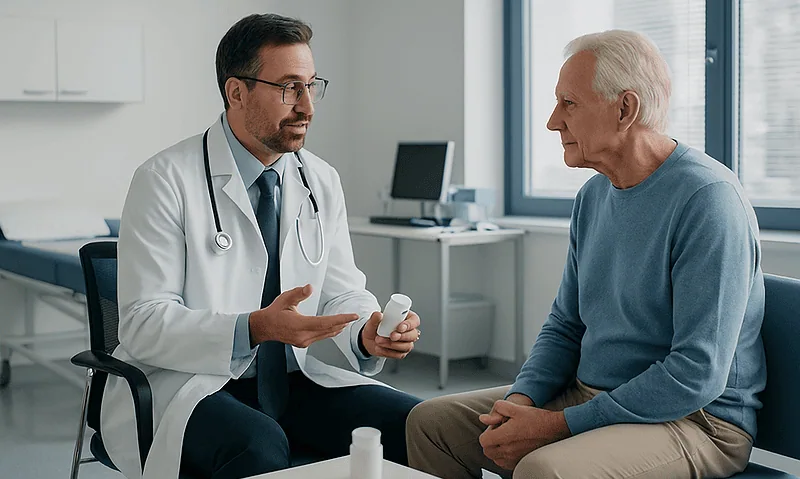
None of this makes a clinician who prescribes compounded sermorelin a villain; off-label and compounded prescribing are legal and sometimes appropriate. It does mean a patient should hear, in plain words, that the evidence for their intended use is thin, the product is not approved, monitoring is essential and the decision rests with a prescriber who can take responsibility for it. If those words are missing, the conversation is incomplete.
Sermorelin for anti aging: separating the “somatopause” from a disease
The anti-aging pitch has a name for the target: somatopause, an informal term for the age-related decline in growth hormone and IGF-1, coined to echo menopause. The echo is deliberate and, medically, a stretch.
Menopause is a defined transition with a clear endpoint, ovaries stop producing estrogen, and hormone therapy for it has decades of randomized data on which symptoms improve and which risks rise. Somatopause is a gradual slope with no threshold, no consensus definition and no trial showing that reversing it improves how long or how well people live. Treating the two alike is analogy, not endocrinology.
The best evidence on reversing growth hormone decline in older adults comes from growth hormone itself, and it is sobering. A landmark 1990 study in the New England Journal of Medicine showed lean-mass gains in 12 men over six months and launched an industry. The 2007 systematic review of everything that followed found the same modest lean-mass shift, no improvement in strength or function, and a consistent rise in side effects. Mayo Clinic’s plain-language summary, growth hormone is not a proven anti-aging therapy and may cause harm, reflects that literature.
Sermorelin was the hoped-for workaround: raise growth hormone gently and physiologically, keep the benefits, lose the harms. It is a coherent hypothesis. Small 1990s studies of GHRH(1-29) in older adults supported the first half, IGF-1 rose, lean mass nudged up, without lasting long enough to test the second half. No one has run the multi-year trial that would settle it.
Meanwhile, the interventions that do raise growth hormone pulses have solid data for aging outcomes on their own merits. Slow-wave sleep is when the largest natural pulse occurs; chronic short sleep flattens it. Resistance training and high-intensity exercise trigger acute growth hormone release and, more importantly, build strength and bone directly. Reducing abdominal fat restores blunted growth hormone secretion. Adequate protein supports the muscle that IGF-1 acts on.
A reasonable position, grounded in the evidence, is that these are the first-line “secretagogues” for healthy adults, and that a peptide with unproven long-term benefit should not be the thing that makes someone feel they have addressed their aging.
Common myths about sermorelin, corrected
Viral claims about sermorelin tend to recycle a handful of half-truths. Each deserves a direct correction.
“Sermorelin is FDA-approved.” It was, in 1997, for diagnosis and for pediatric growth hormone deficiency. The product was discontinued in 2008, and no approved sermorelin is marketed today. Current products are compounded or unapproved.
“It is natural, so it is safe.” Sermorelin is a synthetic peptide, and “natural” is doing marketing work in that sentence. Its pulsatile mechanism is a plausible safety advantage over growth hormone, but long-term safety in healthy adults has not been studied. Raising IGF-1 for years carries theoretical risks that no trial has ruled out.
“It cannot be overdone because of feedback.” Feedback via somatostatin does limit the response to a single stimulus. It does not make excessive or prolonged stimulation harmless, and it does not protect against the effects of whatever else is in a stack.
“It melts fat like weight-loss injections.” No trial shows meaningful weight loss from sermorelin in adults without deficiency. Growth hormone itself produced only about 2 kilograms of fat loss in pooled trials, with no functional benefit. GLP-1 medicines are a different mechanism with vastly stronger evidence.
“It fixes low growth hormone in aging adults.” A low IGF-1 relative to a young reference range is not a diagnosis. Adult growth hormone deficiency requires a stimulation test and, usually, a cause such as pituitary damage. Age-related decline may be adaptive rather than pathological.
“It reverses aging and improves memory.” There are no randomized trials showing sermorelin improves cognition, lifespan or disease risk. Small studies measured hormone levels and body composition over months. Everything beyond that is extrapolation or testimonial.
“Research-grade peptide is the same medicine at a better price.” Products labeled for research are not for human use and are not tested for identity, purity or sterility. They are not medicines and are not safe to self-administer, regardless of the label on the vial.
Correcting myths is not the same as dismissing the molecule. Sermorelin is an interesting compound with a real history. The problem is the gap between what it has been shown to do and what it is being said to do.
When to see a doctor about sermorelin or growth hormone concerns
Two situations warrant a medical conversation: symptoms that make you wonder about growth hormone, and problems that arise while using sermorelin or any growth hormone secretagogue.
If you are considering sermorelin because of fatigue, unexplained weight gain around the abdomen, loss of muscle, poor sleep, low mood or reduced exercise tolerance, start with a primary care clinician rather than a peptide vendor. These symptoms have many common causes, thyroid disorders, sleep apnea, depression, anemia, low testosterone, medication effects, and a basic evaluation catches most of them. Referral to an endocrinologist is appropriate if there is a history of pituitary tumor, brain surgery or radiation, head injury, childhood growth hormone treatment, or other pituitary hormone problems, because those raise the real possibility of adult growth hormone deficiency.
If you are already using sermorelin, prescribed or otherwise, seek care promptly for any of the following:
- Swelling of the hands, feet or face, or rapid unexplained weight gain, possible fluid retention.
- Numbness, tingling or weakness in the hands, especially at night, possible carpal tunnel syndrome.
- Increased thirst, frequent urination, blurred vision or unusual fatigue, possible raised blood sugar.
- New or worsening joint or muscle pain that limits movement.
- Persistent headache, visual changes or nausea, which can signal a pituitary problem and should never be attributed to the drug without evaluation.
- Breast tenderness or enlargement in men.
- A new lump, unexplained bleeding, or unintentional weight loss, any potential cancer sign requires assessment because growth hormone and IGF-1 promote cell growth.
Seek emergency care for signs of a serious allergic reaction after an injection: difficulty breathing, swelling of the lips or throat, widespread hives, or lightheadedness. Also seek urgent care for fever, spreading redness, warmth or pus at an injection site, which can indicate infection, a particular concern with unregulated products.
Bring the actual product, its source and everything else you take, including other peptides, hormones and supplements, to that appointment. Do not stop a prescribed medicine on your own because of something you read here or elsewhere; talk to the prescriber first. Every decision about starting, continuing, combining or stopping sermorelin belongs with a clinician who can examine you, order the right tests and take responsibility for the plan.
Frequently asked questions
What will sermorelin do to your body?
Sermorelin causes the pituitary to release a pulse of growth hormone within about half an hour, which raises IGF-1 over days to weeks. In small studies of older adults, that produced modest gains in lean mass and skin thickness over several months. Claims of deep sleep, fat loss and rejuvenation come mostly from testimonials; no large trial has measured them, and effects are far smaller and slower than marketing suggests.
What are the downsides of sermorelin?
Documented sermorelin side effects include injection-site pain and redness, headache, flushing, dizziness and hives. The larger concern is growth hormone’s own profile: fluid retention, joint pain, carpal tunnel syndrome and raised blood sugar were all more common in trials of healthy older adults. Long-term safety in people without deficiency is unstudied, and unregulated products add risks of contamination and mislabeling.
Is sermorelin like Ozempic?
No. Ozempic (semaglutide) is a GLP-1 receptor agonist that acts on the gut, pancreas and appetite centers, with large randomized trials showing about 15 percent weight loss. Sermorelin acts on the pituitary to release growth hormone and has no comparable weight-loss evidence. They share only being injectable peptides. Someone using a diabetes medicine who also raises growth hormone needs closer glucose monitoring, because the two pull blood sugar in opposite directions.
What not to mix with sermorelin?
Corticosteroids such as prednisone blunt the growth hormone response, and untreated thyroid disease does too. Growth hormone can counteract insulin and other diabetes medicines, so glucose needs monitoring. Certain anti-inflammatories, levodopa, clonidine and anticholinergic drugs alter growth hormone release. The riskiest combinations are unapproved peptide stacks with ipamorelin, CJC-1295 or added hormones, which have never been studied together. Any change belongs with your prescriber.
How does sermorelin work compared with HGH?
Recombinant HGH is the hormone itself and produces steady, non-pulsatile levels that suppress the body’s own release. Sermorelin binds GHRH receptors on the pituitary and triggers a brief natural-style pulse, leaving the somatostatin feedback brake intact. That mechanism is a plausible safety advantage, but HGH has decades of outcome data in proven deficiency while sermorelin has small, short adult studies.
Is sermorelin FDA-approved?
It was. The brand product Geref received FDA approval in 1997 for diagnosing pituitary function and treating growth hormone deficiency in children. The manufacturer discontinued it in 2008 for commercial reasons, not safety. There is currently no approved sermorelin on the US market; products available today are compounded, which is not FDA-reviewed, or sold as research chemicals not intended for human use.
Does sermorelin help with anti aging?
The evidence does not support that claim. Small 1990s studies showed sermorelin raised IGF-1 and slightly increased lean mass in older adults over a few months, but none measured lifespan, disease risk, cognition or function. Growth hormone itself was studied more extensively for aging and produced no functional benefit with more side effects. Mayo Clinic and Harvard Health both conclude these therapies are unproven for healthy aging.
How is adult growth hormone deficiency actually diagnosed?
Through a stimulation test, not a single blood level. A clinician gives a provoking agent, insulin, glucagon or the oral test drug macimorelin, and measures whether growth hormone rises enough. IGF-1 alone can be normal in true deficiency and low in healthy people. Testing is generally reserved for those with a plausible cause, such as pituitary tumor, surgery, radiation or head injury.
Can sermorelin cause cancer?
There is no evidence that sermorelin causes cancer, but the concern is not baseless. Growth hormone and IGF-1 promote cell growth, and observational studies link higher IGF-1 to increased risk of some cancers. Growth hormone treatment is avoided in people with active malignancy for this reason. Raising IGF-1 for years in a healthy adult for cosmetic goals is a decision with unknown long-term risk.
Does sermorelin improve sleep?
It is plausible but unproven. The largest natural growth hormone pulse occurs during slow-wave sleep, and the two systems influence each other, so a sleep effect is biologically reasonable. No randomized trial has shown sermorelin improves sleep quality or architecture in a clinically meaningful way. Consistent sleep timing, reduced alcohol and treating sleep apnea have far stronger evidence for both sleep and growth hormone release.
This article is for general information only and is not a substitute for professional medical advice. Please consult a qualified doctor about your individual situation.

More from the Blog

Urolithin A: The Mitochondria Supplement Trend: What Human Trials Actually Show
Urolithin A is a compound that gut bacteria make from polyphenols in pomegranates, walnuts and berries; it triggers mitophagy, the cell's recycling of worn-out…

Peptides for Weight Loss: Which Are Approved Medicines, Which Are Research Chemicals
Peptides for weight loss fall into two very different groups. Semaglutide, tirzepatide and liraglutide are regulated prescription peptides with randomized trial data showing average…
Rapamycin for Longevity: What Animal Data Show and Where Human Evidence Stands
Rapamycin, an FDA-approved transplant medicine (sirolimus), reliably extends lifespan in yeast, worms, flies and mice, including mice started late in life. In humans, evidence…

Senolytics: The “Zombie Cell” Drugs in Trials, and Why They Are Not for Sale
Senolytics are experimental drugs designed to selectively kill senescent cells, the damaged cells that stop dividing but linger and release inflammatory signals. Candidates such…

Biological Age vs Chronological Age: What Epigenetic Clocks Measure, and What They Cannot Yet Tell You
A biological age test estimates how old your body seems, usually by reading chemical marks on DNA called methylation and comparing them with patterns…

Fasting Insulin and Insulin Resistance Tests: What HOMA-IR Means and Who Should Ask for It
A fasting insulin test measures how much insulin your pancreas is releasing after an overnight fast, and HOMA-IR combines that number with fasting glucose…