

The Health MOT: What a Complete Service for Your Body Covers

Key Takeaways
- High blood pressure affects nearly half of US adults and usually causes no symptoms; the American Heart Association defines normal as below 120/80 mm Hg.
- The CDC estimates more than 1 in 3 American adults has prediabetes, and about 8 in 10 of them don't know it, because an HbA1c of 5.7–6.4% feels like nothing.
- A standard health MOT contains no test that rules out cancer; screenings like colonoscopy (from age 45) and mammography run on separate, age-based schedules.
- For healthy adults with normal results, cholesterol needs rechecking only every four to six years, while blood pressure deserves a look at least every year or two.
- England's public Health Check program offers one structured cardiovascular check every five years between ages 40 and 74: a useful benchmark for sensible frequency.
- Whole-body CT and MRI scans are not recommended for symptom-free people by any major medical body, largely because harmless incidental findings trigger cascades of follow-up testing.
A health MOT is a structured, head-to-toe preventive check-up modeled on a car's annual inspection. A typical version measures blood pressure, cholesterol, blood sugar, weight, and waist size, and reviews kidney, liver, and thyroid function through blood tests, alongside questions about smoking, alcohol, diet, and activity. It is designed to flag early risk factors, not to diagnose disease or replace care for new symptoms.
There’s a small ritual most drivers know by heart: once a year, the car goes in, a technician runs down a checklist, and you drive away with either a clean bill of health or a short list of things to fix before they get expensive. Nobody skips it, because the stakes are obvious.
Our bodies rarely get the same courtesy. Nearly half of American adults have high blood pressure, and many of them have no idea, because it produces no warning light and no strange noise. Blood sugar can drift upward for a decade before anyone notices. Cholesterol never once announces itself.
That’s the logic behind the so-called health MOT: a term borrowed from Britain’s annual vehicle inspection and now shorthand for a full-service check-up. What follows is an honest tour of what one actually covers, what the numbers mean, and where the marketing gets ahead of the evidence.
What is a health MOT, exactly?
The name comes from the United Kingdom, where the MOT, originally the Ministry of Transport test, is the annual roadworthiness inspection every car over three years old must pass. Somewhere along the way, the phrase jumped species. A “health MOT” or “body MOT” now means a structured preventive check-up: a set of measurements and blood tests taken while you feel perfectly fine, to catch risk factors before they become illness.
The idea has an official pedigree. In England, adults aged 40 to 74 without certain pre-existing conditions are offered a free, standardized Health Check every five years, focused squarely on cardiovascular risk, blood pressure, cholesterol, weight, blood sugar, smoking, and alcohol. In the United States, the closest equivalents are the routine physical and the annual wellness visit, which cover similar ground with more variation from one clinician to the next.
Here is the part the glossier guides tend to skip: the evidence supports the measurements, not the ritual. Research summarized by sources like MedlinePlus shows the value of a check-up lies in specific, proven screenings, blood pressure, lipids, glucose, and age-appropriate cancer screening, rather than in the sheer number of tests run. A good health MOT is a short list done well. A padded one mostly generates paperwork, and occasionally anxiety.
What does a full health MOT include?
Strip away the packaging and most versions rest on the same chassis. First comes the conversation, which is genuinely the most diagnostic part: your medical history, your family’s history, medications and supplements, sleep, mood, smoking, alcohol, diet, and how much you actually move in a week. Honest answers here shape everything that follows.
Then the measurements:
- Vitalsblood pressure and resting heart rate, taken seated and rested.
- Body metricsheight, weight, and often waist circumference, which tracks abdominal fat better than weight alone.
- Blood teststypically a lipid panel, a blood sugar measure, a complete blood count, and kidney and liver function; thyroid testing is common when symptoms or history suggest it.
- Urine testingsometimes included to check for protein or blood, early clues to kidney trouble.
- A brief physical examheart and lung sounds, abdomen, skin, and anything your history flags.
Larger private packages layer on extras: resting ECGs, lung function tests, hearing and vision checks, sometimes imaging. Some of these earn their place for specific people: an ECG matters more if you have palpitations or a strong family history of heart disease. For a symptom-free adult, the core five numbers, blood pressure, LDL cholesterol, HDL cholesterol, blood sugar, and waist size, carry most of the predictive weight. Everything else is trim level.
Why blood pressure is the headline act
If a health MOT measured only one thing, this should be it. High blood pressure is the single most consequential number in preventive medicine: it quietly damages arteries, heart, kidneys, brain, and eyes for years, and it does so without symptoms in the vast majority of people. The old nickname, the silent killer, is melodramatic but not wrong.
The American Heart Association defines the categories in millimeters of mercury: normal is below 120 over 80. Readings of 120–129 systolic with a diastolic under 80 count as elevated. Stage 1 hypertension begins at 130 or 80; stage 2 at 140 or 90. A reading above 180 over 120 is a crisis that needs prompt medical attention, especially with symptoms like chest pain or vision changes.
Technique matters more than people realize. A proper reading means sitting quietly for about five minutes first, feet flat, back supported, arm at heart level, no caffeine or exercise in the previous half hour, and a cuff that actually fits your arm. One high number in a clinic proves little, some people run high only in medical settings, a phenomenon real enough to have its own name, white-coat hypertension. That’s why a single elevated reading at a health MOT should trigger repeat measurements, often at home, before anyone reaches conclusions. The trend is the diagnosis; the snapshot is just a clue.
What do the blood tests actually measure?
The blood draw is where a health MOT earns its “full service” billing, and where the jargon gets thickest. Here is the standard panel, translated:
| Test | What it measures | Why it matters |
|---|---|---|
| Complete blood count (CBC) | Red cells, white cells, platelets, hemoglobin | Flags anemia, infection, clotting issues, and some blood disorders |
| Lipid panel | Total, LDL, and HDL cholesterol; triglycerides | Core inputs for estimating heart attack and stroke risk |
| HbA1c or fasting glucose | Average or current blood sugar | Detects prediabetes and type 2 diabetes years before symptoms |
| Kidney function (creatinine, eGFR) | How well kidneys filter waste | Kidney disease is usually silent until well advanced |
| Liver enzymes (ALT, AST) | Signs of liver cell stress | Can reveal fatty liver disease, alcohol effects, or medication side effects |
| Thyroid (TSH), when indicated | Thyroid hormone regulation | An under- or overactive thyroid mimics fatigue, weight change, and mood problems |
Two honest caveats. Reference ranges describe where 95 percent of healthy people fall, which means one mildly “abnormal” value on a twenty-item panel is often statistical noise, not disease: Mayo Clinic notes that CBC results outside the range frequently need nothing more than a recheck. And more tests aren’t automatically better: each added marker raises the odds of a red flag that leads nowhere. A thoughtful panel beats an exhaustive one.
How do I read my cholesterol numbers?
Cholesterol results arrive as four numbers, and they matter in different ways. In US units, a total cholesterol under 200 mg/dL is generally considered desirable. LDL, the particle that deposits cholesterol in artery walls, is the main target; lower is better, though the number a clinician wants for you depends on your overall risk. HDL helps carry cholesterol away, so higher is protective; 60 mg/dL or above counts in your favor, while low HDL adds risk. Triglycerides, the fat your blood carries after meals, ideally sit below 150 mg/dL.
The mistake people make, and some check-up packages encourage, is treating any single number as a verdict. Modern practice reads lipids through a risk calculator that combines your cholesterol with age, blood pressure, smoking status, and diabetes to estimate your ten-year chance of a heart attack or stroke. Two people with identical LDL values can land in entirely different risk categories, and their next steps differ accordingly.
One logistical note: fasting used to be mandatory before lipid testing, but many laboratories now accept non-fasting samples for routine screening, since only triglycerides swing meaningfully after eating. If your health MOT requests a 9-to-12-hour fast, water is fine throughout. For healthy adults with normal results, mainstream guidance suggests rechecking cholesterol roughly every four to six years, more often once numbers drift or other risk factors stack up.
Blood sugar: the screening most people skip
Here is a number worth sitting with: the CDC estimates that more than one in three American adults has prediabetes, and about eight in ten of them don’t know it. Blood sugar that runs high, but not yet high enough for a diabetes diagnosis, produces no symptoms at all. It also happens to be one of the few conditions where early detection changes the story dramatically, because structured lifestyle change can cut the progression to type 2 diabetes substantially.
A health MOT usually screens with one of two tests. The HbA1c measures the percentage of hemoglobin coated in sugar, which reflects your average blood glucose over roughly the past three months: a season, not a snapshot. Below 5.7 percent is normal; 5.7 to 6.4 signals prediabetes; 6.5 or above, confirmed on repeat testing, indicates diabetes. The alternative is a fasting glucose: under 100 mg/dL is normal, 100 to 125 is the prediabetes zone, and 126 or higher on two occasions points to diabetes.
Who should be tested? US guidance generally supports screening adults from around age 35, and earlier for anyone carrying extra weight, with a family history of type 2 diabetes, a history of gestational diabetes, or from higher-risk ethnic backgrounds. If your check-up package doesn’t include a glucose measure, some budget versions don’t, ask for it. It’s inexpensive, and it’s the test most likely to hand you actionable news.
Does a health MOT check for cancer?
Mostly, no, and this is the gap between what people assume they’re buying and what a general check-up delivers. A standard health MOT contains no test that rules cancer in or out. A normal blood count, clear liver enzymes, and a clean physical exam are reassuring about many things, but they are not a cancer screen, and it’s worth saying plainly because false reassurance is one of the real harms of a check-up done carelessly.
Cancer screening happens through separate, evidence-backed programs matched to age and risk: cervical screening beginning in a person’s twenties, mammography typically starting in the forties, and colorectal screening, by colonoscopy or stool-based testing, now recommended from age 45 for people at average risk. Lung cancer screening with low-dose CT exists for long-term heavy smokers within specific age windows. Prostate testing with a PSA blood level is offered as a shared decision, because the test catches some dangerous cancers but also flags many slow-growing ones that would never have caused harm.
Where a good health MOT genuinely helps is coordination. It’s the appointment where someone checks whether you’re up to date on the screenings you’re actually due, asks about family history that might justify starting earlier, and looks at your skin while you’re there. Think of the check-up as the dispatcher, not the detective: its job is to make sure the right specialized tests happen on schedule.
How often do you really need a health MOT?
Less often than the marketing implies, more often than most people manage. The honest evidence summary: for healthy young adults, an exhaustive annual physical has never been shown to reduce deaths, and large reviews have found routine comprehensive check-ups do little for mortality on their own. What does work is keeping specific screenings current, and different numbers run on different clocks.
- Blood pressureat least every year or two if it’s normal, more often once it’s elevated. Pharmacy machines and home cuffs count between visits.
- Cholesterolevery four to six years for low-risk adults; more frequently with risk factors or borderline results.
- Blood sugarroughly every three years from your mid-thirties if results are normal; annually once prediabetes appears.
- Cancer screeningseach on its own schedule, from annual to every ten years depending on the test.
England’s approach offers a sensible benchmark: one structured cardiovascular check every five years between 40 and 74, with everything found feeding into ongoing care. For someone in their twenties or thirties with normal numbers, a full work-up every two to three years is a defensible rhythm; from the forties onward, most clinicians favor yearly contact, even if the full battery of tests isn’t repeated each time. The unglamorous truth is that frequency matters less than follow-through: a check-up whose results change nothing was scenery.
What changes at 30, 40, 50, and beyond?
A health MOT shouldn’t look identical at 28 and 58, and the better providers adjust the checklist rather than the price.
Twenties and thirties are about baselines: a first blood pressure and cholesterol reading to anchor future trends, cervical screening for those due, sexual health testing where relevant, skin checks, and, underrated, an honest conversation about mood, sleep, and alcohol, since these decades are when mental health problems most often take root. Diabetes screening enters the picture around 35, earlier with risk factors.
The forties shift the spotlight to metabolism and the heart. This is when blood pressure and cholesterol begin drifting for many people, when mammography discussions typically start, and when a formal cardiovascular risk estimate becomes genuinely informative rather than academic.
The fifties add colorectal screening if it didn’t start at 45, menopause-related bone and heart considerations for women, prostate testing discussions for men, and closer attention to eyes and hearing.
Sixties onward, the check-up broadens beyond numbers: bone density scanning (routinely recommended for women from 65), balance and fall risk, vision and hearing, memory concerns raised early rather than late, and a deliberate review of all medications, since interactions accumulate quietly over the years.
The pattern is worth noticing: the older you get, the less a check-up resembles a lab report and the more it resembles a conversation about function, what you can do, and what might quietly be taking that away.
Do whole-body scans belong in a health MOT?
Full-body CT and MRI scans have become the luxury tier of the check-up market, sold on an intuitive promise: look everywhere, find everything early. The intuition is understandable. The evidence, so far, doesn’t cooperate.
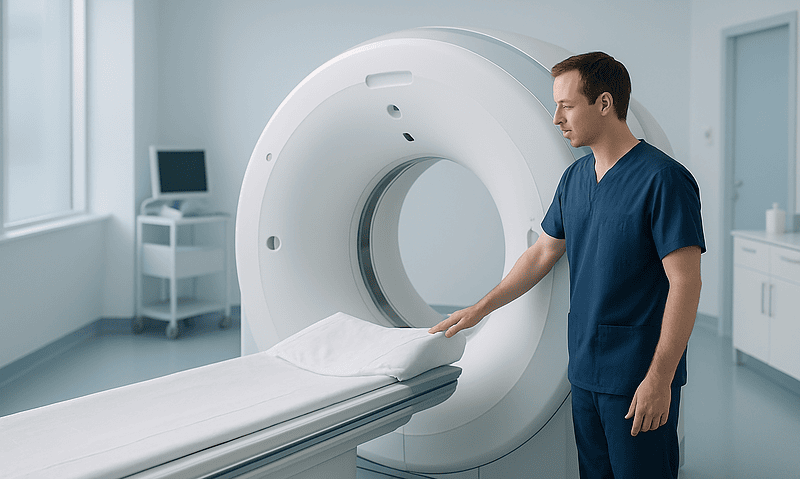
No major medical body recommends whole-body imaging for people without symptoms, and the reasons are practical rather than stingy. Scan a healthy adult from head to pelvis and you will very frequently find somethinga small nodule, a cyst, a spot of ambiguous tissue. Radiologists call these incidentalomas, and the overwhelming majority are harmless. But “probably harmless” isn’t a phrase people live with comfortably, so each finding tends to trigger follow-up scans, sometimes biopsies, months of worry, and occasionally complications from investigating something that never needed finding. CT adds radiation exposure to the ledger; a whole-body CT delivers many times the dose of a standard chest X-ray.
There’s a subtler problem, too: false reassurance. A clean scan can miss cancers that imaging catches poorly at early stages, and some people respond to a “clear” result by skipping the unglamorous screenings, colonoscopy, mammography, that actually have decades of evidence behind them.
None of this means imaging has no place in prevention. Targeted scans for specific, higher-risk groups are well supported. The distinction is between a test aimed at a known risk and a fishing expedition. When a package prominently features whole-body imaging for the symptom-free, that’s a signal to read the rest of the brochure skeptically.
What a health MOT can't promise you
The car metaphor flatters us, and it’s worth naming where it breaks down. A mechanic can inspect nearly every part that fails; medicine cannot. Some serious diseases have no reliable screening test in symptom-free people, ovarian and pancreatic cancer are sobering examples, which means no check-up, however comprehensive, can certify you disease-free. Anyone implying otherwise is selling past the evidence.
A health MOT is also a photograph, not a film. Your blood pressure on one calm Tuesday morning, your glucose after one particular week of eating: these are single frames. Real diagnostic power comes from comparing frames over years, which is an argument for consistency (same measurements, records you keep) over intensity (the biggest panel money can buy).
Then there’s the trade running quietly beneath all screening: false positives and overdiagnosis. Cast a wide enough net and you will catch findings that look ominous and turn out to be nothing, along with a few genuine abnormalities that would never have caused harm in your lifetime. Both carry costs, anxiety, follow-up procedures, sometimes treatment of things that didn’t need treating. Mainstream screening programs are designed the way they are, with specific tests at specific ages, precisely to keep this trade favorable.
What a check-up can honestly promise: an accurate picture of your major modifiable risks, caught while they’re still cheap to change. That’s a smaller claim than the advertisements make. It’s also, over a few decades, a life-sized one.
How do I prepare to get the most out of the appointment?
Fifteen minutes of preparation roughly doubles the value of a check-up, because the interview portion is only as good as what you bring to it.
- Do the family history homework. Before the visit, find out what your parents, siblings, and grandparents were diagnosed with and at what age. Early heart disease or cancer in a close relative can change which screenings you’re offered and when: this is the single most useful thing you can bring.
- List everything you take, including over-the-counter products and supplements. Interactions and side effects hide here.
- Confirm the fasting rules. Some panels want 9 to 12 hours without food; many no longer require it. Ask when you book, and drink water regardless.
- Protect the blood pressure reading. Skip caffeine, nicotine, and exercise for at least 30 minutes beforehand, arrive early enough to sit quietly, and wear a sleeve that rolls up easily.
- Write down your three real questions. The symptom you’ve been dismissing, the family worry, the habit you’re not proud of. Appointments end faster than intentions.
- Ask about the results process before you leave. Who calls, when, and what happens if something is borderline, vague answers here predict results that fall through the cracks.
One more thing: don’t clean up your habits the week before to improve your numbers. You’d only be gaming a test whose entire purpose is to tell you the truth.
What happens after the results come back?
The follow-up is where a health MOT either pays off or evaporates. When results arrive, resist the two reflexive responses, filing a normal report away unread, or spiraling over a single flagged value.
Borderline and mildly abnormal results are common and usually call for confirmation before conclusions. A first high blood pressure reading leads to repeat measurements, often at home over a week or two. A prediabetic HbA1c gets rechecked, then addressed primarily through food, movement, sleep, and weight: the interventions with the strongest evidence at that stage. A slightly off liver enzyme or blood count is frequently retested in a few weeks and, per Mayo Clinic’s guidance on blood counts, often normalizes on its own. Clearly abnormal results, by contrast, should come with a concrete next step and a timeline; if you receive a worrying number and no plan, ask for one explicitly.
Keep your own copy of everything. A folder, paper or digital, with each year’s numbers turns future check-ups from isolated snapshots into a trend line, and trends are where early detection actually lives. An LDL that climbed 30 points over five years tells a story a single reading can’t.
Finally, translate the report into no more than two priorities. The evidence on behavior change is unambiguous: people who leave a check-up with one or two specific commitments do far better than those handed a ten-item improvement plan. Pick the change with the biggest payoff, it’s usually blood pressure, smoking, or activity, and let the rest wait for next year’s service.
When should you see a doctor instead of waiting for a check-up?
A health MOT is for the body that feels fine. New symptoms play by different rules, and one of the quiet dangers of the check-up mindset is the thought, “I’ll mention it at my physical in March.” Some things shouldn’t wait for March.
Call emergency services now, not a clinic, not tomorrow, for chest pain or pressure, especially with breathlessness, sweating, or pain spreading to the arm or jaw; for stroke signs, where the FAST check applies (face drooping, arm weakness, speech difficulty, time to call); for sudden severe headache unlike any before; or for serious difficulty breathing.
Book a prompt appointment, within days to a couple of weeks, for symptoms that are new, persistent, and unexplained: weight loss you weren’t trying for, blood in stool or urine, a lump anywhere (breast, testicle, neck), a mole that’s changing, a cough lasting more than three weeks, swallowing difficulties, unusual bleeding, night sweats that soak the sheets, or fatigue that rest doesn’t touch. None of these means something serious, most turn out benign, but each is on the short list of symptoms that mainstream guidance says deserve evaluation on their own timetable, not the calendar’s.
The same applies to mental health. Persistent low mood, anxiety that interferes with daily life, or thoughts of self-harm warrant a conversation now; in the US, the 988 Suicide and Crisis Lifeline answers around the clock. A check-up culture only works if it never becomes a waiting room for problems that already have your attention.
Frequently asked questions
What is the body MOT?
A body MOT, also called a health MOT, is a preventive check-up named after the UK’s annual car inspection. It typically bundles a health and lifestyle interview, blood pressure, weight and waist measurements, and blood tests covering cholesterol, blood sugar, blood count, and kidney and liver function. Its purpose is to find risk factors early in people who feel well, not to diagnose disease or investigate symptoms.
How long does a health MOT take?
Usually 20 to 60 minutes for the appointment itself, depending on how many tests are included. The blood draw takes minutes; the history, measurements, and physical exam take the rest. Laboratory results typically come back within a few days to two weeks. Larger private packages with ECGs, lung function tests, or imaging can stretch to half a day, though longer does not necessarily mean more useful.
Do I need to fast before a health MOT?
Sometimes, but less often than in the past. Many labs now accept non-fasting samples for routine cholesterol screening, since only triglycerides change much after eating. A fasting glucose test does require 8 to 12 hours without food, though an HbA1c, which measures three-month average blood sugar, does not. Confirm the requirement when you book, and drink plain water freely either way; it actually makes the blood draw easier.
Is a health MOT the same as an annual physical?
Essentially yes: the health MOT is the British-flavored name for what Americans call a physical or wellness visit. The core content overlaps heavily: history, vitals, body measurements, and screening blood work. Private “MOT” packages sometimes add extras like ECGs or imaging that a standard physical omits. The evidence supports the shared core, blood pressure, lipids, glucose, and age-appropriate screening, more than the add-ons.
At what age should I start getting health MOTs?
Baselines are worth establishing in your twenties: a blood pressure reading, an initial cholesterol test, and cervical screening if due. Diabetes screening generally starts around 35, earlier with risk factors such as excess weight or family history. From 40 onward, regular structured checks earn their keep, England offers its formal Health Check every five years from that age, and the checklist should expand with each decade.
Can a health MOT detect cancer?
Not reliably, and it’s important to know this. Standard check-up blood tests cannot rule cancer in or out, and a normal result is not an all-clear. Cancer detection relies on dedicated screening programs, cervical, breast, colorectal, and lung screening for eligible smokers, each with its own age range and schedule. A good check-up’s role is making sure you’re current on the screenings you’re actually due.
What blood tests are included in a health MOT?
The typical core panel includes a complete blood count, a lipid panel measuring total, LDL, and HDL cholesterol plus triglycerides, a blood sugar test (fasting glucose or HbA1c), and kidney and liver function markers. Thyroid testing is added when history or symptoms suggest it, and urine testing sometimes checks for early kidney problems. More markers beyond this core add cost and false-positive risk faster than they add insight.
Are whole-body scans worth adding to a check-up?
For symptom-free people, mainstream evidence says no. No major medical organization recommends whole-body CT or MRI screening, because these scans frequently find harmless incidental abnormalities that trigger anxiety, follow-up testing, and occasionally risky procedures, while CT adds radiation exposure. Targeted imaging for specific high-risk groups is a different matter and well supported. For most adults, proven screenings plus the basic numbers deliver far more benefit per dollar.
What is a good blood pressure reading?
Below 120/80 mm Hg is normal by American Heart Association definitions. Readings of 120–129 over less than 80 count as elevated, 130/80 or higher marks stage 1 hypertension, and 140/90 or above is stage 2. One elevated clinic reading isn’t a diagnosis, proper technique and repeat measurements, often at home, come first. Anything above 180/120 needs prompt medical attention, urgently so if symptoms accompany it.
What happens if my health MOT results are abnormal?
Usually, confirmation comes before conclusions. Borderline results: a first high blood pressure reading, a mildly elevated liver enzyme, an HbA1c in the prediabetes range, are typically rechecked, and many normalize or respond to lifestyle changes alone. Clearly abnormal results should come with a specific next step and timeline; if yours doesn’t, ask for one. Keep copies of every report, because year-over-year trends reveal more than any single result.
References
- NHS: NHS Health Check
- MedlinePlus: Health Checkup
- CDC: Testing for Diabetes
- MedlinePlus: Cholesterol Levels (Lab Test)
This article is for general information only and is not a substitute for professional medical advice. Please consult a qualified doctor about your individual situation.

More from the Blog

What Happens During a Physical: The Exam, Explained Step by Step
During a physical, a clinician reviews your health history, checks vital signs, blood pressure, heart rate, temperature, height, and weight, then examines you head…

Private Health Checks: What You Get, Tier by Tier: an Honest Guide
A private health check bundles screening tests into a paid package. Entry tiers center on blood pressure, cholesterol, blood sugar, and basic blood work,…

The Annual Check-Up: What Happens, What Is Tested and How Often You Need One
An annual check-up typically includes a review of your medical history, measurements of blood pressure, heart rate, and weight, a hands-on physical exam, and…
Biometric Screening: The Workplace Health Check, Decoded
A biometric screening is a brief health check, usually 15 to 30 minutes, that measures blood pressure, height, weight, waist circumference, blood cholesterol, and…

Health Checks After 40 and 50: What Changes and What to Screen
After 40, prioritize blood pressure, cholesterol, and blood sugar checks every one to three years, colorectal cancer screening starting at 45, mammograms for many…

Fasting Before a Blood Test: Which Tests Need It
Whether you can eat before a blood test depends on the test. Most bloodwork, thyroid panels, complete blood counts, and many others, …