

What Results Can You Expect From Sleep Apnea Treatment? Sleep Quality, Energy and Snoring
Key Takeaways
- The headline result of effective treatment is a residual apnea-hypopnea index below 5 events per hour, down from the 15 to 30 that defines moderate apnea and above 30 for severe.
- Daytime sleepiness typically improves over the first two to four weeks as device use becomes consistent, and the biggest early change is usually seen in people who started with severe apnea.
- CPAP generally silences snoring for as long as the mask stays on, so a partner hearing snoring at 4 a.m. is more often a sign of a dislodged mask than a failed treatment.
- Randomized trials show CPAP lowers blood pressure by a modest low single-digit mmHg on average, which supports but never replaces prescribed blood-pressure treatment.
- Persistent tiredness despite a normal AHI is most often explained by short hours of use, mask leak or a coexisting sleep disorder, all of which are checkable at a follow-up visit.
- Weight loss, dental work or aging can change the severity of apnea, so a repeat sleep study, not an assumption, is the basis for any change in treatment.
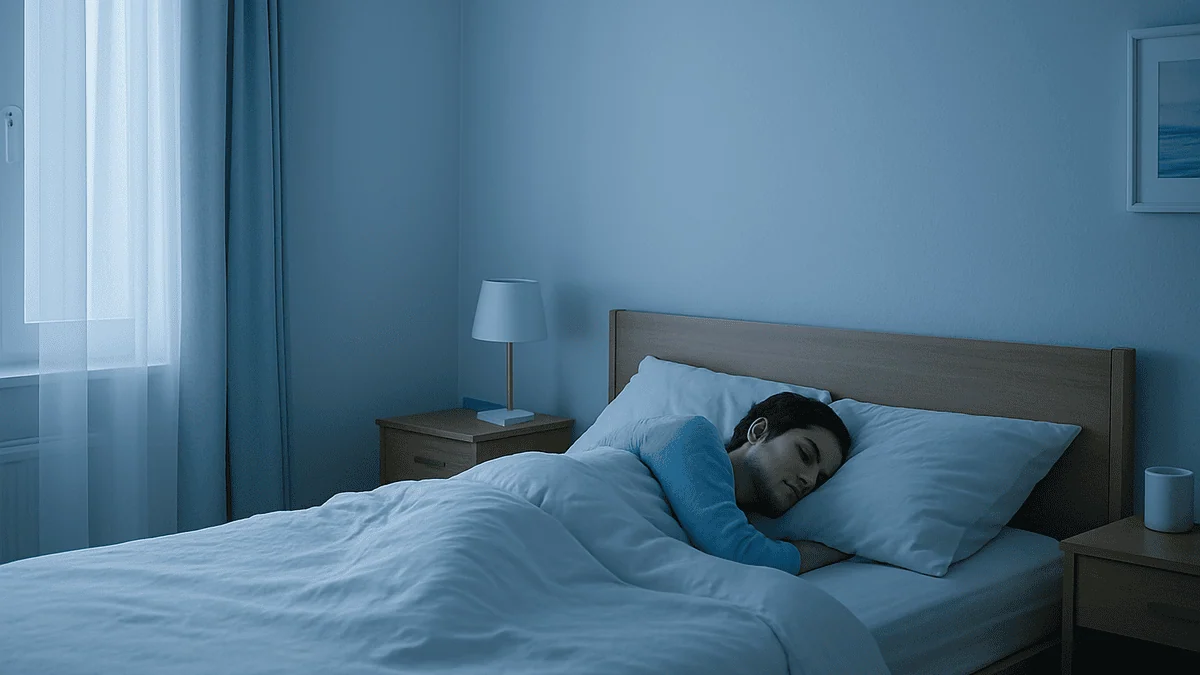
Effective sleep apnea treatment usually reduces breathing pauses during sleep to a normal range, which in turn tends to improve sleep continuity, daytime alertness and snoring. Many people notice less sleepiness within the first weeks, though the size and speed of change varies with how severe the apnea was, how consistently treatment is used and whether other conditions also disturb sleep. Your sleep team tracks these results.
A woman in her fifties sits in a sleep clinic waiting room holding a printout she does not fully understand. It says her breathing stopped or became shallow 34 times an hour last night. Her partner has been sleeping in the spare room for two years. She is not asking the doctor whether she has sleep apnea anymore; she is asking what happens next, and whether any of it will actually make her feel different.
That is the honest question behind most searches for sleep apnea treatment results. Not the mechanics of a mask or a mouthpiece, but the lived payoff: will I wake up rested, will I stop nodding off in afternoon meetings, will the snoring that drove my partner away finally quiet down?
The evidence gives clearer answers than many people expect, and some less tidy ones. Here is what treatment usually changes, how fast, and where the limits lie.
What actually happens when sleep apnea is treated
Obstructive sleep apnea is a condition in which the soft tissues of the throat relax during sleep and repeatedly block the airway. Each blockage lowers blood oxygen, the brain registers the threat and jolts the body briefly toward wakefulness so the throat muscles tighten and breathing resumes. Most people never remember these arousals, but they can happen dozens of times an hour.
Every mainstream treatment works by interrupting that loop at a different point. Continuous positive airway pressure, usually shortened to CPAP, delivers a steady stream of air through a mask that acts like a pneumatic splint holding the airway open. A mandibular advancement device, a custom mouthpiece from a dentist trained in sleep medicine, nudges the lower jaw and tongue forward so the airway behind them widens. Positional therapy keeps a person off their back, where gravity pulls the tongue backward. Weight management reduces fatty tissue around the neck and upper airway. Surgical options reshape or stiffen tissue, or stimulate the nerve that controls the tongue.
The results people care about flow from one upstream change: fewer breathing pauses and fewer micro-awakenings. When the airway stays open, oxygen stays stable, the brain stops sounding the alarm, and sleep can progress through its deeper stages instead of being reset every few minutes. The National Heart, Lung, and Blood Institute describes this restoration of uninterrupted breathing as the central goal of treatment, with symptom relief and lower cardiovascular strain following from it.
Understanding this chain matters because it explains why results depend so heavily on use. A mask left on the nightstand splints nothing. A mouthpiece worn four nights a week leaves three nights of unbroken alarm cycles. The treatment only produces results during the hours it is physically doing its job.
Sleep apnea treatment results on paper: AHI and oxygen levels
Before you feel anything, your sleep team will probably see the first results on a report. The key number is the apnea-hypopnea index, or AHI: the average number of complete pauses (apneas) and partial reductions in breathing (hypopneas) per hour of sleep. Cleveland Clinic lists the standard bands as mild at 5 to 15 events per hour, moderate at 15 to 30, and severe above 30.

A well-fitted CPAP machine typically brings that figure below 5, which is the threshold most sleep laboratories treat as normal breathing. Modern devices record a residual AHI every night and transmit it to the clinic, so your team can see whether the pressure is adequate or whether leaks around the mask are letting events slip through. Oral appliances usually lower AHI by a smaller margin than CPAP, which is one reason guidelines position them mainly for mild to moderate disease or for people who cannot tolerate pressure therapy.
The second number worth asking about is oxygen saturation. Untreated apnea often produces repeated dips into the 80s or lower; treated breathing keeps saturation steady through the night. The NHS notes that these repeated oxygen drops are what link untreated apnea to high blood pressure, stroke and type 2 diabetes over time, so a flat oxygen trace is a meaningful result even when you cannot feel it.
Two cautions. A low residual AHI on a machine readout is an estimate, not a full sleep study, and it says nothing about hours of use. Your team will read it alongside how long the device was worn and how you report feeling. Numbers on a report are the foundation of results, not the whole building.
Will I sleep better? What changes in sleep quality
People often assume they will simply sleep longer. More commonly, they sleep the same number of hours and wake up feeling that those hours finally counted. Untreated apnea fragments the night so thoroughly that a person can log eight hours in bed and spend a fraction of it in the restorative slow-wave and REM stages. Johns Hopkins Medicine describes this fragmentation, rather than total sleep time, as the reason sufferers feel unrefreshed despite a full night.
Once breathing stabilizes, several things tend to shift. Night-time bathroom trips often decrease, because the pressure swings in the chest during obstructed breathing drive hormonal changes that increase urine production. Morning headaches, which Mayo Clinic links to overnight carbon dioxide retention, frequently fade. Waking with a dry mouth or gasping becomes rarer. Partners sometimes report that the person moves less and no longer startles awake.
Some patients describe a striking first morning; others notice the difference gradually, as a week of steadier sleep accumulates into feeling less foggy. Both experiences are common. One honest expectation to set: the first nights with a new mask can be worse before they are better, because the sensation of airflow or the strap on the face is itself a novelty that disturbs sleep until the brain learns to ignore it.
Sleep quality is also shaped by factors apnea treatment does not touch. Irregular bedtimes, late caffeine, alcohol, chronic pain, restless legs and untreated insomnia will still fragment the night after the airway is open. Treating apnea removes one powerful disruptor; it does not override the others, which is why sleep teams often ask about habits and other conditions at the same visit.
How long does CPAP take to work on energy and daytime sleepiness?
Daytime sleepiness is the result most people are chasing, and it is also the one with the most variable timeline. Some people wake alert after the very first full night of effective pressure. More describe a change over the first two to four weeks as they get used to the equipment and begin wearing it for the whole night rather than pulling it off at 3 a.m. The NHS advises patients that CPAP takes time to get used to and that persisting through the early awkwardness is usually rewarded.
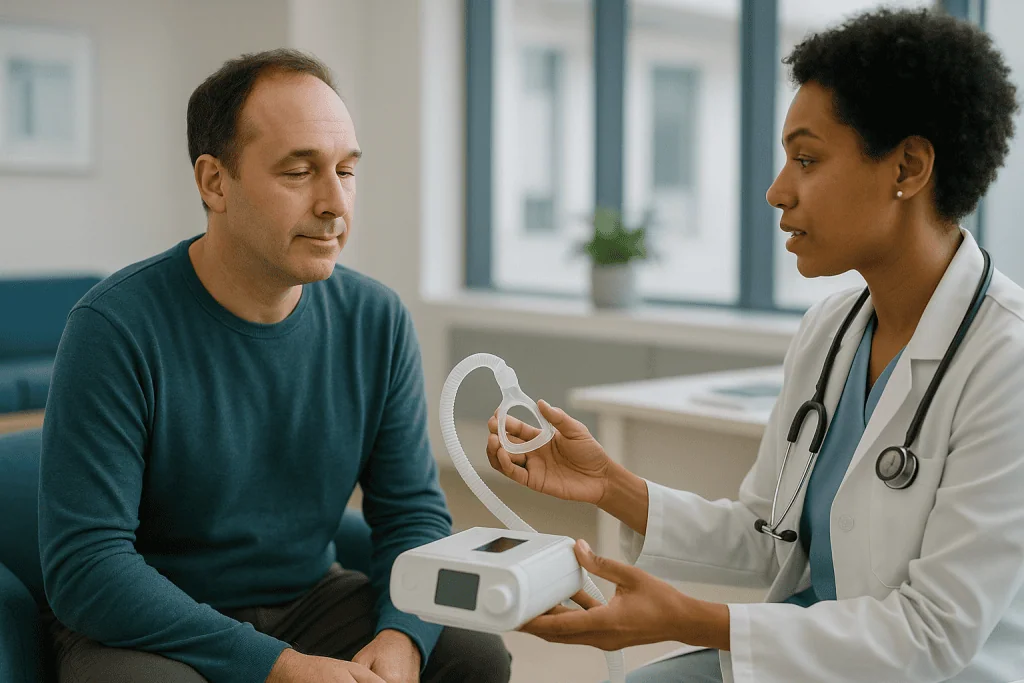
Clinicians often track this with a short questionnaire about how likely you are to doze in everyday situations, such as sitting in traffic or watching television. Scores typically fall as treatment takes hold, and comparing your pre-treatment score with a follow-up score gives a concrete measure of change that is harder to argue with than a vague sense of feeling better.
What does improved energy look like in practice? Fewer afternoon crashes. Not needing to fight sleep on the drive home. Finding that an evening with friends no longer feels like an endurance event. Concentration and short-term memory, both of which Mayo Clinic lists among the casualties of untreated apnea, often sharpen in parallel, and irritability or low mood may lift as sleep debt is repaid.
Severity shapes the speed of change. Someone with severe apnea and heavy sleepiness has further to travel and often notices the biggest early shift. Someone with mild apnea who was mainly bothered by snoring may feel only a subtle difference in energy. Neither pattern means treatment is failing; it means the baseline was different.
Does CPAP stop snoring, and what about other treatments?
Snoring is the sound of air vibrating soft tissue in a narrowed throat. Hold the airway fully open and the vibration stops, which is why a properly adjusted CPAP mask typically silences snoring for as long as it is worn. For many households this is the first result anyone notices, and it is often what brings a partner back into the shared bedroom.
Two qualifications apply. If the mask comes off during the night, snoring returns within minutes, so a partner may hear the familiar sound at 4 a.m. and conclude the treatment is not working when the real issue is the mask on the floor. And some noise can come from the equipment itself: a leaking mask seal produces a hiss, and a mouth falling open during nasal CPAP can create a sound that is not snoring but can be just as disruptive. Both are fixable with mask adjustments, a chin strap or a different mask style, which is a conversation for your equipment provider or sleep team rather than something to troubleshoot alone.
Oral appliances reduce snoring in many users by holding the jaw forward, though the reduction is often partial rather than complete. Positional therapy helps people whose snoring is mainly a back-sleeping problem. Weight loss reduces snoring in proportion to how much tissue is lost around the neck. Surgery on the palate is sometimes offered specifically for snoring, but the Mayo Clinic notes that surgical results for apnea itself are less predictable than for snoring alone.
One myth to retire: quiet nights do not by themselves prove the apnea is treated. Snoring can diminish while breathing pauses continue silently, so the report, not the bedroom, is the arbiter.
Blood pressure, heart health and sugar control: what the evidence shows
This is where expectations most need calibrating. Observational studies consistently link untreated apnea with hypertension, atrial fibrillation, stroke and heart failure, and the American Heart Association recognizes obstructive sleep apnea as a cardiovascular risk factor. It is reasonable to hope that treating it would reverse those risks. The trial evidence is more modest than the hope.
Randomized trials of CPAP show average reductions in blood pressure in the low single-digit mmHg range, with larger falls in people who have resistant hypertension or who use the device for most of the night. That is a real benefit at a population level, comparable to some lifestyle changes, but it is not a substitute for prescribed blood-pressure treatment, and nobody should stop or change antihypertensive medicine on the strength of a new mask. Any such decision belongs to the prescribing clinician.
Large trials that gave CPAP to people with established cardiovascular disease have not demonstrated a clear reduction in heart attacks or strokes over several years, partly because average use in those trials was low. The honest summary, which the AHA shares, is that treatment improves symptoms and markers such as blood pressure, while the effect on hard cardiovascular events remains uncertain and probably depends on consistent nightly use.
Blood sugar follows a similar pattern. Apnea worsens insulin resistance, and treatment can improve some metabolic measures, but it does not replace diabetes management. Where weight-management medicines are part of a plan, including the newer injectable class that mimics gut hormones, they act by reducing appetite and body weight over months, and their place in an individual’s care is a decision for the treating team.
Sleep apnea treatment results compared: CPAP, oral appliances, lifestyle and surgery
No single option suits everyone, and the right comparison is not which treatment is best in the abstract but which one you will actually use every night. The table below summarizes how the main approaches tend to perform on the outcomes people ask about most, drawing on descriptions from Mayo Clinic, the NHS and Cleveland Clinic.
| Approach | How it works | Effect on breathing pauses | Effect on snoring | Typical time to notice change | Main trade-off |
|---|---|---|---|---|---|
| CPAP | Air pressure splints the airway open | Usually brings AHI into normal range when worn | Usually stops while mask is on | Days to a few weeks as use becomes consistent | Mask comfort, dryness, adjustment period |
| Mandibular advancement device | Holds lower jaw and tongue forward | Reduces AHI, often less fully than CPAP | Often reduced, sometimes not eliminated | Weeks, as device is adjusted | Jaw soreness, tooth movement over time |
| Positional therapy | Prevents back sleeping | Helps mainly when events cluster on the back | Reduced in position-dependent snorers | Nights to weeks | Limited benefit if apnea occurs in all positions |
| Weight management | Reduces tissue around upper airway | Improves in proportion to weight lost | Often reduced | Months | Gradual; apnea may persist at lower weight |
| Surgery or nerve stimulation | Reshapes tissue or activates tongue muscles | Variable; selected patients | Often improved | Weeks to months after recovery | Surgical risks, careful candidate selection |
Read the table as a map of tendencies rather than a scoreboard. A less powerful treatment used every night can outperform a more powerful one used rarely. Combination approaches are common, such as pressure therapy alongside weight management, or an oral appliance for travel and CPAP at home. Your sleep team will weigh severity, anatomy, other health conditions and your own preferences before recommending a path.
Who is usually offered which treatment, and who is asked to wait
Treatment decisions start with severity and symptoms rather than with a single test number. The NHS and Mayo Clinic both describe CPAP as the usual first offer for moderate to severe obstructive sleep apnea, and for mild apnea when daytime sleepiness, cardiovascular disease or safety-critical work make the stakes higher. People with mild apnea and few symptoms are sometimes offered lifestyle measures first, with a plan to reassess.
Oral appliances tend to be suggested for mild to moderate disease, for people who have tried pressure therapy and cannot tolerate it, or as a travel alternative. They require healthy teeth and gums and a dentist with sleep training, so someone with significant dental disease may be steered elsewhere.
Surgery is rarely a first step. Candidates are usually people whose anatomy shows a clear, correctable obstruction such as very large tonsils, or who have failed other options. Nerve stimulation devices are typically considered only after CPAP has been tried, within specific body-weight and anatomical criteria, and after an airway examination under sedation.
Who is asked to wait, or to do something else first? Someone with untreated nasal obstruction may be asked to address that before a mask is fitted, since a blocked nose undermines nasal CPAP. A person with a recent cardiac event may have their equipment titrated in hospital rather than at home. Children follow a different pathway altogether, where enlarged tonsils and adenoids are the common cause and ear, nose and throat assessment comes first. And anyone whose study suggests central sleep apnea, in which the brain intermittently fails to signal breathing rather than the airway collapsing, needs a different device and different evaluation, often involving a cardiologist.
The first days and weeks on treatment: what usually happens
The opening stretch rarely feels like the triumphant transformation people imagine. A typical first week with CPAP involves wrestling with straps, waking to find the mask pushed up on the forehead, and wondering whether the airflow feels like breathing into a wind tunnel. The NHS is candid that this adjustment is normal and that most people adapt with persistence and support.
Several things help in those early days, and your team will usually offer them. A ramp setting starts the pressure low and raises it gradually as you fall asleep. Heated humidification eases dry nose and throat. Wearing the mask for short periods while reading or watching television during the evening teaches the brain that the sensation is harmless before sleep is at stake. Trying more than one mask style is routine, not a sign of failure.
By the second and third week, most users are sleeping through more of the night with the device on, and this is when the energy results described earlier typically begin to show. Machine data sent to the clinic allows the team to spot high leak rates or a residual AHI that suggests the pressure needs adjusting, so a check-in during the first month is standard practice.
Oral appliance users follow a slower curve. The dentist advances the device in small steps over several weeks, with a follow-up sleep test to confirm the setting that controls events. Jaw stiffness in the morning is common at first and usually settles.
Across all approaches, the first month is a calibration period. Results are expected to improve over it, and the right response to early frustration is a call to the team rather than abandoning the plan.
Why some people still feel tired after sleep apnea treatment
A minority of people use their treatment faithfully, see a normal AHI on the report, and still feel sleepy. This is a recognized problem, not an imaginary one, and it has several possible causes worth untangling with your team rather than assuming the treatment has failed.
The most common explanation is simply hours. Someone who wears a mask for three hours and removes it has effectively treated a third of the night. Machine downloads make this easy to check. The second is leak: a seal that breaks when the face relaxes can let the pressure escape without waking the user, and the residual event count may be underestimated.
Beyond the equipment, other sleep disorders frequently coexist with apnea. Insomnia, restless legs, periodic limb movements and circadian problems from shift work all fragment sleep independently and were often masked by the louder apnea symptoms. Sedating medicines, depression, thyroid disease, anemia and iron deficiency produce fatigue that an open airway cannot fix.
Sleep debt itself takes time to repay. A person who has slept poorly for a decade may need weeks of good nights before the body stops feeling as though it is running on empty. Mayo Clinic notes that improvements in alertness build with continued use rather than arriving all at once.
For the small group who remain sleepy after every fixable factor is addressed, sleep specialists sometimes consider wake-promoting medicines. Whether that is appropriate, and which agent, is strictly a decision for the treating physician after a full reassessment. The point for readers is that persistent tiredness is a reason to go back to the clinic, not a verdict on the therapy.
CPAP side effects and other trade-offs to weigh
Every treatment that produces results also produces nuisances, and knowing them in advance makes them easier to manage. Cleveland Clinic and Mayo Clinic describe the common ones.
With CPAP, the frequent complaints are a dry or stuffy nose, a dry mouth from air escaping between the lips, skin irritation or pressure marks where the mask sits, bloating from swallowing air, and a feeling of claustrophobia. Nosebleeds can occur when humidity is too low. Most of these respond to humidification, mask changes, a chin strap or pressure adjustments, which is why early follow-up matters. Serious harm from CPAP is uncommon; the main risk to health is the risk of not using it.
Oral appliances can cause jaw joint discomfort, excess saliva or dry mouth, and gradual changes in how the teeth meet over years of use. A dentist monitors bite changes at review visits.
Surgical options carry the usual risks of anesthesia, bleeding and infection, plus procedure-specific issues such as throat pain, swallowing changes or altered voice after palate surgery, and device-related problems with implanted stimulators. Results from surgery are also less predictable, which is why candidate selection is cautious.
Lifestyle approaches have no side effects as such, but they do have a cost in time and effort, and weight loss sufficient to change the airway typically takes months.
The way to weigh these is not against a perfect alternative but against the untreated condition: fragmented sleep, daytime sleepiness that raises crash risk, and the cardiovascular strain the AHA describes. Seen that way, a dry nose is usually a manageable price, and your team’s job is to keep lowering it.
What people often get wrong about sleep apnea treatment results
“If I lose weight, I will not need treatment.” Weight loss helps many people and is worth pursuing, but apnea also depends on jaw shape, tongue size, nasal anatomy and age. Plenty of lean people have significant apnea, and some who lose substantial weight still have events. A repeat sleep study, not an assumption, tells you whether treatment can change.
“CPAP is for life, so I may as well not start.” Treatment continues for as long as the apnea does, which is often long term, but circumstances change. Weight, surgery, dental treatment or aging can all shift the picture, and reassessment is normal. Starting is not a life sentence; it is a response to a current problem.
“Quiet nights mean I am treated.” As covered earlier, snoring and apnea are related but not identical. Silence is encouraging; the report is the evidence.
“Over-the-counter snoring strips, sprays or boil-and-bite guards will do the same job.” Nasal strips may ease nasal airflow in some people and generic mouthguards may reduce snoring, but there is no reliable evidence that they control obstructive sleep apnea. They should not stand in for an evaluated treatment.
“Treating apnea will fix my blood pressure.” It may lower it modestly, as the trial data show. It does not replace prescribed treatment.
“I can use the mask only on nights I feel tired.” Apnea happens every night whether or not you feel it the next day, and cardiovascular effects accumulate across untreated nights. Results track with consistency.
“My partner says I stopped snoring years ago, so the problem went away.” Snoring can lessen as apnea worsens, because fully blocked airways make no sound. Changes in snoring deserve a review, not relief.
Questions to ask your care team about your results
A good follow-up appointment is a conversation about numbers and about how you feel, and arriving with specific questions makes it far more useful. These are the ones that tend to surface the most helpful answers.
- What was my AHI before treatment, and what is my residual AHI now on the machine data?
- How many hours a night am I actually using the device, and how many nights a week? Does that match what I think I am doing?
- Is my mask leak rate acceptable, or would a different mask style help?
- Did my oxygen levels stay stable through the night on treatment?
- My sleepiness score was this before treatment. What is it now, and what change would you expect for someone with my severity?
- I still feel tired despite good use. What else could be contributing, and should I be tested for other sleep disorders?
- Could my nasal congestion be undermining the therapy, and is that worth treating separately?
- If I lose weight or have dental work, when should I be reassessed, and would a repeat sleep study be needed before changing anything?
- Am I a reasonable candidate for an oral appliance or another alternative if I cannot tolerate pressure therapy?
- Are there any medicines I take that could worsen apnea or sleepiness, and should my prescriber know about this diagnosis?
- How does this diagnosis affect driving, and what should I do about sleepiness at the wheel?
- Who do I contact if the equipment breaks or the mask stops fitting between appointments?
Write down the answers. Comparing your numbers across visits turns a vague sense of whether treatment is working into a record you and your team can act on.
When to call your doctor
Most problems with sleep apnea treatment are nuisances that can wait for a scheduled review. A few are not, and knowing the difference protects you.
Contact your sleep team promptly if, despite using treatment as advised, you remain so sleepy that you have nodded off or nearly nodded off while driving, operating machinery or in another situation where a lapse could injure you or others. Do not drive until you have discussed this. Call if your partner reports that you are still gasping, choking or stopping breathing during the night with the device on, or if your machine’s reported residual AHI has climbed and stayed high. New or worsening morning headaches, a return of loud snoring through the mask, or waking repeatedly with a racing heart also warrant a call rather than a wait.
Seek urgent medical care, not a routine appointment, if you develop chest pain, severe breathlessness, a very irregular or pounding heartbeat, sudden weakness or numbness on one side, facial drooping, difficulty speaking, or confusion. These can signal a cardiac or neurological emergency and are not explained by sleep apnea or its treatment.
For equipment-related concerns, call sooner rather than later if you notice persistent nosebleeds, ear pain, eye irritation from air leaking into the eyes, skin breakdown under the mask, or jaw pain and bite changes with an oral appliance that do not settle within a few days. After airway surgery, bleeding from the mouth or throat, fever, inability to swallow fluids or escalating pain are reasons to contact the surgical team immediately.
Finally, if you have stopped using your treatment, for whatever reason, tell your team. Returning to untreated apnea is itself a health risk, and there is almost always an adjustment or an alternative worth trying.
Frequently asked questions
How long does CPAP take to work?
Breathing pauses are controlled from the first night the pressure is adequate, but feeling the benefit usually takes longer. Many people notice less daytime sleepiness within the first two to four weeks, once they adapt to the mask and wear it for most of the night. People with severe apnea often notice the earliest change; those with mild disease may see a subtler difference.
Does CPAP stop snoring completely?
While the mask is on and sealed, CPAP usually eliminates snoring because the airway no longer narrows enough to vibrate. Snoring returns quickly if the mask is removed during the night, and a leaking seal can produce a hiss that partners sometimes mistake for snoring. Both are usually solved with mask adjustments through your sleep team.
What are the most common CPAP side effects?
The usual complaints are a dry or congested nose, dry mouth, skin marks or irritation from the mask, a bloated feeling from swallowed air and a sense of claustrophobia in the early weeks. Heated humidification, a different mask style, a chin strap and pressure adjustments resolve most of these. Serious harm from CPAP is rare.
Is there effective sleep apnea treatment without CPAP?
Yes, for selected people. Custom oral appliances that hold the jaw forward are an established option for mild to moderate apnea or for those who cannot tolerate pressure therapy. Positional therapy helps when events cluster during back sleeping, and weight management reduces severity over months. Surgery and nerve stimulation are considered for specific anatomy after other options. Your sleep team matches the choice to your study results.
How do I know if my sleep apnea treatment is working?
Two sources together answer this: the machine or follow-up study data showing a low residual AHI with stable oxygen and adequate hours of use, and your own report of less sleepiness, fewer night-time awakenings and quieter nights according to a partner. One without the other is incomplete, which is why clinics review both at follow-up visits.
Will treating sleep apnea lower my blood pressure?
Often modestly. Pooled trial data show average reductions in the low single-digit mmHg range with regular CPAP use, with larger effects in people who have hard-to-control hypertension. This is a genuine benefit but not a reason to change prescribed blood-pressure medicines, a decision that belongs to your prescribing clinician.
Why am I still tired after starting sleep apnea treatment?
The usual culprits are too few hours of use each night, mask leak that lets events through unrecorded, or another sleep disorder such as insomnia or restless legs that was hidden behind the apnea. Medicines, mood, thyroid or iron problems can also cause fatigue. Persistent tiredness is a reason to return to your team for reassessment, not a sign the therapy is pointless.
Will I need sleep apnea treatment for the rest of my life?
Treatment continues for as long as the apnea does, which for many adults is long term because jaw and airway anatomy do not change on their own. Weight loss, certain surgeries or dental changes can alter severity, so periodic reassessment is standard. Any decision to reduce or stop treatment should follow a repeat sleep study and a discussion with your sleep team.
Can an oral appliance give the same results as CPAP?
For mild to moderate apnea, a custom mandibular advancement device often achieves similar improvement in sleepiness, partly because people tend to wear it more consistently. It usually lowers the AHI less completely than CPAP, so for severe disease pressure therapy remains the first recommendation. A follow-up sleep test confirms whether the appliance setting is controlling events.
What happens if sleep apnea is left untreated?
Untreated obstructive sleep apnea fragments sleep night after night, producing daytime sleepiness that raises the risk of road and workplace accidents. Over years it is associated with high blood pressure, atrial fibrillation, stroke, heart failure and type 2 diabetes, according to the NHS and the American Heart Association. Treatment addresses the nightly breathing pauses at the root of these effects.
References
- Sleep apnoea: NHS
- Sleep Apnea: Cleveland Clinic
- Sleep Apnea: National Heart, Lung, and Blood Institute (NIH)
This article is for general information only and is not a substitute for professional medical advice. Please consult a qualified doctor about your individual situation.

More from the Blog
Nasal Sprays vs Saline Rinses for Sinusitis: Does Your Treatment Plan Need Both?
Saline rinses and nasal sprays treat sinusitis in different ways, so many care plans use both. A saline rinse physically flushes mucus and irritants…
Tympanoplasty Step by Step: How Surgeons Graft a Perforated Eardrum Under the Microscope
Tympanoplasty repairs a perforated eardrum with a small graft of the patient's own tissue, most often thin fascia from above the ear or cartilage…

After Professional Earwax Removal: Temporary Sensitivity and Symptoms Worth a Call
After professional earwax removal, most people notice a few brief effects: the ear may feel oddly open or ticklish, ordinary sounds can seem loud,…

Preparing Your Child for Adenoid Surgery: Fasting, Comfort Items and What to Say Beforehand
Preparing a child for adenoidectomy usually means three things: following the written fasting instructions exactly (solid food stops earliest, clear fluids last), packing familiar…

After a Repositioning Maneuver for Vertigo: Head Movements to Avoid in the Days That Follow
After an Epley maneuver, most current guidance no longer requires strict head restrictions, and the major ENT guideline says postural limits do not clearly…
Who Needs SMR Rather Than a Simpler Septum Repair? What the ENT Evaluation Shows
Submucous resection, or SMR, is usually reserved for a septum that a conservative septoplasty cannot straighten: thick bony spurs, deviations involving both cartilage and…