

Chronic Low Back Pain
Chronic Low Back Pain is persistent lower back pain lasting 12 weeks or more. Learn symptoms, causes, diagnosis, treatment, and when to seek care.

Quick answer
Chronic low back pain is persistent pain or stiffness in the lower back, often caused by disc problems, arthritis, muscle strain, or nerve-related conditions, and it is treated according to the underlying cause and symptom severity. At Acibadem in Turkey, evaluation may include physical examination and imaging, with treatment ranging from medication, physical therapy, and pain-management procedures to surgery when…
Chronic Low Back Pain is pain, stiffness, or discomfort in the lower back that continues for 12 weeks or longer, even after an initial injury or strain may have healed. It can have several causes and is usually best managed with a personalized plan that may include exercise-based rehabilitation, lifestyle changes, medication, interventional pain procedures, or specialist treatment when needed.
Overview
Chronic Low Back Pain is pain located between the lower ribs and the buttocks that lasts for 12 weeks or more. The pain may be constant or come and go, and it may feel like aching, stiffness, burning, pressure, or sharp discomfort. Some people have pain mainly in the back, while others also feel pain, tingling, or numbness spreading into the buttock, hip, or leg.
Low back pain becomes chronic for many reasons. In some people, tissues such as muscles, ligaments, joints, or spinal discs remain irritated after an injury. In others, age-related spine changes, reduced physical conditioning, poor sleep, stress, or repeated strain contribute to ongoing pain sensitivity. Chronic pain does not always mean that the back is being damaged each day; it often reflects a combination of physical, nerve-related, and lifestyle factors.
The main goals of care are to identify any specific treatable cause, rule out warning signs, reduce pain, restore movement, and improve daily function. Many people improve with a structured plan that combines education, safe activity, targeted rehabilitation, and selected medical treatments. A specialist assessment helps determine which approach is most appropriate for each person.
Symptoms
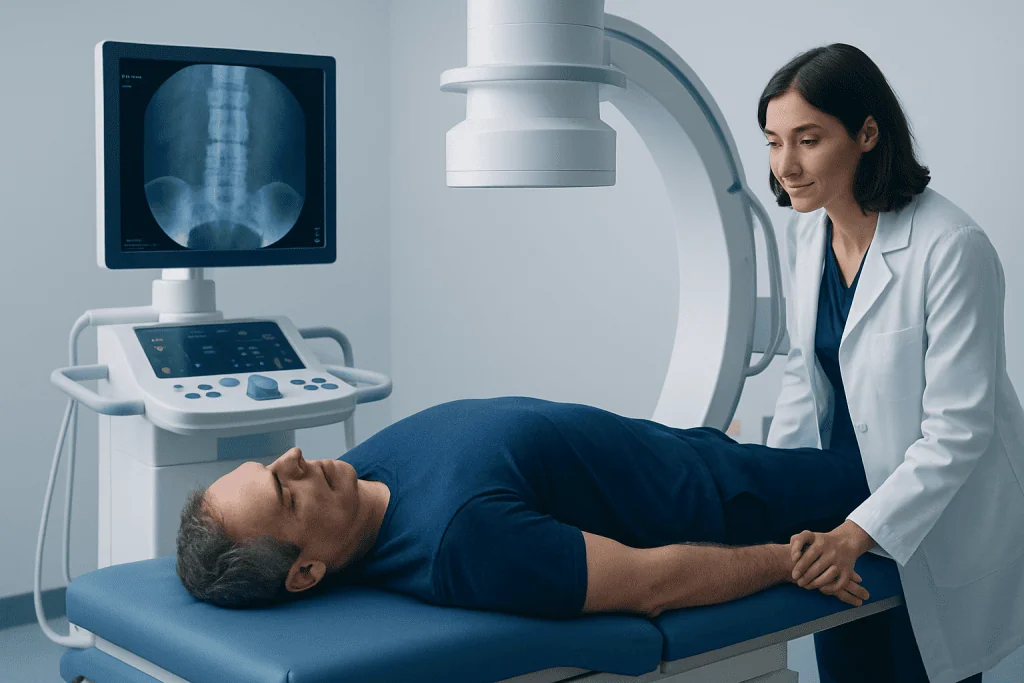
Chronic Low Back Pain symptoms can differ widely from person to person. Pain may be dull and persistent, or it may flare with bending, lifting, standing, sitting for long periods, or getting up from a chair. Morning stiffness is common, especially after poor sleep or inactivity, and symptoms may ease as the body warms up with gentle movement.
Some people experience pain that travels into the buttock, thigh, calf, or foot. This may be associated with tingling, pins and needles, numbness, or a feeling of leg weakness. Symptoms that follow a nerve pathway may suggest irritation or compression of a spinal nerve, but a clinical examination is needed to understand the source.
Chronic back pain can also affect sleep, mood, work, exercise, and social activities. People may begin avoiding movement because they fear worsening the pain, but long-term inactivity can lead to weaker muscles and reduced flexibility. A balanced plan encourages safe movement while respecting pain limits.
- Common symptoms include aching, stiffness, muscle tightness, reduced range of motion, and pain after prolonged sitting or standing.
- Leg symptoms may include shooting pain, numbness, tingling, or heaviness.
- Function-related symptoms may include difficulty lifting, walking far, sleeping comfortably, or performing daily tasks.
Causes & Risk Factors
Chronic Low Back Pain is often described as non-specific, meaning there is no single clearly identifiable disease causing the pain. It may arise from muscles, ligaments, facet joints, sacroiliac joints, spinal discs, or irritated nerves. Disc degeneration, disc herniation, spinal stenosis, arthritis, spondylolisthesis, previous injuries, and muscular imbalance can all contribute in selected cases.
Risk factors include physically demanding work, repeated lifting or twisting, long periods of sitting, low physical activity, weak core and hip muscles, obesity, smoking, poor sleep, and high stress levels. Previous episodes of back pain increase the chance of recurrence. Age-related spinal changes are common, but they do not always match the amount of pain a person feels.
Less commonly, persistent low back pain may be linked to inflammatory arthritis, infection, fracture, kidney or pelvic conditions, or cancer. These causes are not the most common, but they are important to consider when certain red flags are present. A doctor evaluates symptoms, medical history, and examination findings to decide whether further testing is needed.
Pain can also become chronic because the nervous system becomes more sensitive over time. This means normal movements may feel more painful than expected, even when tissues are not being newly injured. Education, graded activity, rehabilitation, and appropriate pain management can help calm this sensitivity and improve confidence in movement.
Diagnosis
Diagnosis of Chronic Low Back Pain begins with a detailed medical history. The doctor asks where the pain is located, how long it has been present, what worsens or relieves it, whether pain travels into the legs, and whether there are symptoms such as numbness, weakness, fever, trauma, or bladder and bowel changes. Work activities, exercise habits, sleep, previous injuries, and existing medical conditions are also reviewed.
A physical examination usually includes checking posture, walking pattern, spinal movement, muscle tenderness, hip movement, reflexes, strength, sensation, and signs of nerve involvement. This examination helps distinguish mechanical back pain from nerve-related pain and helps identify whether urgent evaluation is required.
Imaging tests such as X-ray, MRI, or CT scans are not needed for every person with chronic low back pain. They may be recommended when there are red flags, neurological symptoms, suspected fracture, infection, inflammatory disease, tumor, or when symptoms do not improve despite appropriate care. MRI is especially useful when nerve compression, disc problems, or spinal stenosis are suspected.
Blood tests may be considered if infection, inflammatory arthritis, or another systemic illness is possible. In some cases, diagnostic injections or nerve tests may be used by specialists to clarify the pain source. The most useful diagnosis combines test results with the person’s symptoms and examination, because spine imaging findings can sometimes appear in people without pain.
Treatment Options
Treatment for Chronic Low Back Pain is individualized. The right approach is decided by a qualified specialist after assessment of symptoms, examination findings, general health, imaging when needed, and personal goals. Most treatment plans aim to reduce pain, improve movement, strengthen supporting muscles, and help the person return to daily activities safely.
Conservative treatment is often the foundation of care. This may include physiotherapy, supervised exercise, stretching, core and hip strengthening, posture and movement training, manual therapy, ergonomic advice, weight management, and education about safe activity. A graded exercise program can help reduce fear of movement and rebuild confidence without overloading the back.
Medication may be used for short-term symptom control or during flare-ups, depending on the person’s health profile and other medications. Doctors may consider categories such as pain relievers, anti-inflammatory medicines, muscle-relaxing medicines, or medications aimed at nerve-related pain when appropriate. These should be used under medical guidance, especially in people with stomach, kidney, liver, heart, pregnancy-related, or medication-interaction concerns.
Interventional pain management may be considered when pain remains limiting despite conservative care or when a specific pain generator is suspected. Options may include image-guided injections, nerve blocks, radiofrequency procedures, or other specialist techniques. Surgery is reserved for selected cases, such as severe nerve compression, spinal instability, or structural problems that match symptoms and have not responded to non-surgical care. Rehabilitation and long-term self-management remain important before and after any procedure.
Living With / Prognosis
Living with Chronic Low Back Pain can be frustrating, but many people improve their function and quality of life with consistent care. The aim is not always to eliminate every sensation immediately, but to reduce flare frequency, increase strength and flexibility, improve sleep, and return to meaningful activities. Progress may be gradual, and small improvements in walking, sitting tolerance, or daily tasks are important signs of recovery.
Staying active is usually safer than prolonged bed rest, unless a doctor gives different instructions. Gentle walking, stretching, swimming, cycling, and structured strengthening may help, depending on the person’s condition. Activity should be increased gradually, with attention to pacing and technique rather than pushing through severe pain.
Daily habits can influence symptoms. Good sleep routines, stress management, stopping smoking, maintaining a healthy weight, and setting up a supportive workstation can reduce strain on the lower back. People who sit for long periods often benefit from regular position changes and brief movement breaks.
Emotional wellbeing is also part of pain care. Long-term pain can affect mood and confidence, and stress can increase muscle tension and pain sensitivity. Psychological support, pain education, relaxation techniques, and multidisciplinary rehabilitation can be valuable parts of a complete treatment plan.
When to See a Doctor
A person should see a doctor if lower back pain lasts longer than a few weeks, keeps returning, limits work or daily activities, or is associated with leg pain, numbness, tingling, or weakness. Medical assessment is especially important when pain is not improving despite sensible self-care, or when previous treatments have not provided enough relief.
Urgent medical attention is needed if back pain is accompanied by loss of bladder or bowel control, numbness around the groin or inner thighs, rapidly worsening leg weakness, fever, unexplained weight loss, severe night pain, recent major trauma, or a history of cancer. These symptoms do not always mean a serious condition is present, but they require prompt evaluation.
People with osteoporosis, immune suppression, long-term steroid use, recent infection, pregnancy, or significant medical conditions should seek guidance earlier. A specialist can help determine whether imaging, laboratory tests, rehabilitation, pain management, or referral to another specialty is appropriate.
For international patients, Acibadem International provides evaluation and treatment for chronic low back pain through multidisciplinary specialists in JCI-accredited hospitals. Care decisions are based on clinical assessment and may involve pain management, orthopedics, neurosurgery, physical therapy, and rehabilitation teams when appropriate.
Frequently asked questions
What is Chronic Low Back Pain?
Chronic Low Back Pain is pain in the lower part of the back that lasts for 12 weeks or longer. It may continue after an initial strain has healed or may develop gradually due to several contributing factors. It is common and often manageable with a structured, personalized care plan.
Is chronic low back pain always caused by a slipped disc?
No. A disc herniation can cause low back pain and leg symptoms in some people, but many cases are related to muscles, joints, ligaments, movement patterns, or age-related spine changes. Imaging findings such as disc bulges can also appear in people without pain, so results must be interpreted with symptoms and examination.
When is low back pain a medical emergency?
Urgent care is needed if back pain occurs with loss of bladder or bowel control, numbness in the groin area, rapidly worsening leg weakness, fever, recent major trauma, or unexplained weight loss. These warning signs may indicate a condition that needs immediate assessment. A doctor should also be contacted promptly if pain is severe, progressive, or linked with a history of cancer.
Does chronic low back pain require an MRI?
Not always. Many people can be diagnosed and treated based on history and physical examination. MRI or other imaging may be recommended when there are red flags, nerve symptoms, suspected structural problems, or pain that does not improve with appropriate treatment.
What treatments help chronic low back pain?
Treatment may include physiotherapy, graded exercise, education, ergonomic changes, medication, psychological support, interventional pain procedures, or surgery in selected cases. The most suitable option depends on the cause, symptom pattern, general health, and treatment goals. A specialist should decide the plan after a full assessment.
Should a person rest or exercise with chronic low back pain?
Prolonged bed rest is usually not recommended for chronic low back pain. Most people benefit from staying gently active and gradually increasing movement under professional guidance. Exercise should be tailored to the person’s symptoms and performed safely.
Can chronic low back pain be cured?
Some people recover fully, while others learn to manage symptoms and prevent frequent flare-ups. Improvement often depends on identifying contributing factors and following a consistent plan that includes movement, strengthening, lifestyle changes, and medical care when needed. Even when pain does not disappear completely, function and quality of life can often improve significantly.
References
- World Health Organization
- National Institute for Health and Care Excellence
- American College of Physicians
- North American Spine Society
- International Association for the Study of Pain
This article is for general information only and is not a substitute for professional medical advice. Please consult a qualified doctor about your individual situation.
Treatments for This Condition
Doctors Who Treat This Condition

Prof. Dr. Akin Sabanci
Neurosurgery
Prof. Dr. Ali Kurtsoy
Neurosurgery
Prof. Dr. Altay Bedük
Neurosurgery
Prof. Dr. Deniz Konya (m)
Neurosurgery
Prof. Dr. Emine Nur Tozan
Treatment of Pain Algology
Prof. Dr. Gökhan Bozkurt
Neurosurgery
Prof. Dr. Hakan Seçkin
Neurosurgery
Prof. Dr. Halit Çavuşoğlu
Neurosurgery
Prof. Dr. Kağan Tun
Neurosurgery
Prof. Dr. Kenan Koç
Neurosurgery
Prof. Dr. Koray Özduman
Neurosurgery