Interventional Pain Management Treatment
Interventional Pain Management uses image-guided injections and minimally invasive procedures to diagnose and relieve chronic pain. It can reduce pain, improve function, and support rehabilitation without major surgery.
Quick answer
Interventional pain management uses image-guided injections and minimally invasive procedures to identify and relieve chronic pain without major surgery. At Acibadem in Turkey, pain specialists assess the source of pain and may use targeted treatments to reduce symptoms, improve function, and support rehabilitation.
When Pain Starts to Shape Daily Life
Chronic pain rarely affects only one part of the body. It can change how you sleep, work, move, travel, and relate to other people. Many patients begin by hoping the pain will settle on its own. Others try medications, physical therapy, exercise modification, or time away from work, only to find that pain continues to return or slowly becomes part of everyday life. By the time interventional pain management is being considered, people are often tired, frustrated, and uncertain about what comes next.
For international patients, the decision can feel even heavier. You may be asking practical questions as well as medical ones: Is this pain coming from the spine, a joint, a nerve, or a surgical scar? Do I need an operation, or is there a less invasive option? Will an injection only mask symptoms, or can it help identify the true source of pain? How long will recovery take, and what happens if the pain has been present for months or years?
These are appropriate concerns. Pain can be complex, and effective treatment depends on identifying the pain generator as accurately as possible. Interventional pain management is designed for exactly this challenge. Using carefully selected, image-guided procedures, physicians can both diagnose and treat certain types of pain with greater precision than medication alone. In many cases, this approach helps reduce pain, improve function, and support rehabilitation without major surgery.
Treatment matters because prolonged pain can lead to a cycle of reduced movement, muscle weakness, poor sleep, anxiety, depressed mood, and increased sensitivity of the nervous system. The earlier that persistent pain is assessed in a structured way, the better the opportunity to preserve mobility and quality of life. Even when pain has been present for a long time, a thoughtful interventional approach may still provide meaningful relief and help patients return to activities that had become difficult or impossible.
What Interventional Pain Management Is
Interventional pain management is a medical specialty approach that uses targeted, minimally invasive procedures to diagnose and relieve pain. Rather than treating pain only with oral medication, it focuses on identifying the specific nerve, joint, soft tissue structure, or spinal region responsible for symptoms and delivering treatment directly to that area.
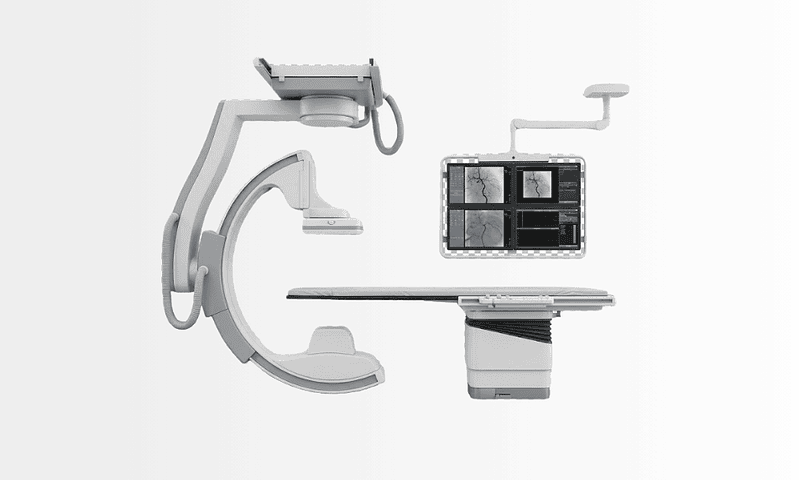
Most interventional pain procedures are performed with imaging guidance, such as ultrasound or fluoroscopic X-ray guidance, to improve accuracy. Depending on the condition, the treatment may involve local anesthetic, anti-inflammatory medication, nerve-modulating techniques, or thermal procedures designed to interrupt pain signals from certain nerves. Some procedures are primarily diagnostic, helping confirm the exact source of pain. Others are intended to provide longer-lasting symptom relief and create a better window for physical therapy, exercise, and daily activity.
Interventional pain management is not a single procedure. It is a broad category that includes spinal injections, nerve blocks, epidural injections, facet joint interventions, sacroiliac joint injections, radiofrequency-based procedures, trigger point injections, and selected regenerative or neuromodulation-related techniques when clinically appropriate. The most suitable treatment depends on the location of pain, the suspected cause, prior treatments, imaging findings, physical examination, and the patient’s overall health.
Importantly, this field is not only about suppressing symptoms. In well-selected patients, these procedures can clarify diagnosis, reduce inflammation, calm irritated nerves, improve tolerance for rehabilitation, and sometimes postpone or avoid the need for surgery. For others, especially those with complex or advanced structural disease, interventional pain treatment may be one part of a broader plan that also includes surgery, rehabilitation, rheumatology care, oncology input, or neurology assessment.
Who May Need Interventional Pain Management
Interventional pain management is typically considered for patients with pain that persists beyond the expected healing period, recurs frequently, or significantly interferes with function despite initial treatment. Some patients seek care because they want to avoid long-term reliance on pain medication. Others have already seen several specialists and need a more precise explanation for where the pain is coming from.
Common symptoms include neck pain, low back pain, pain radiating into the arms or legs, burning or shooting nerve pain, joint-related pain, pain worsened by standing or walking, pain after an injury, and pain that continues after surgery. Some patients have numbness or tingling along with pain. Others mainly notice stiffness, weakness due to guarding, or difficulty sitting, climbing stairs, sleeping comfortably, or returning to exercise.
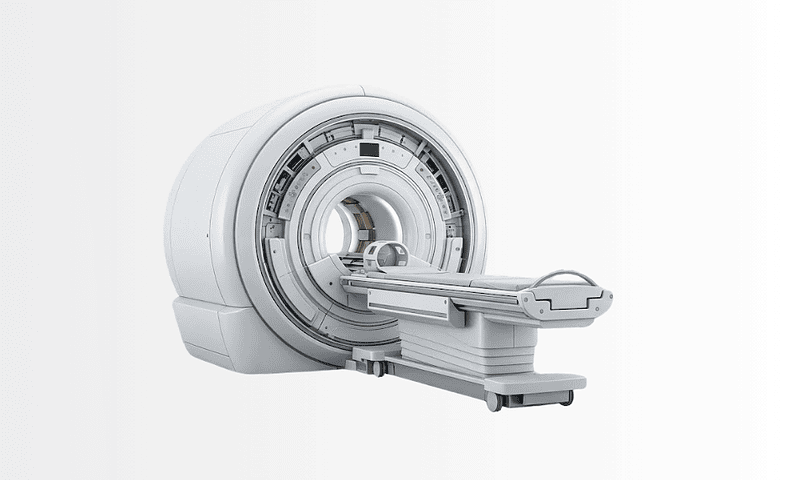
Diagnosis begins with a detailed medical history and physical examination. The physician will want to understand when the pain started, whether it is constant or activity-related, what makes it worse or better, and whether symptoms suggest nerve compression, joint inflammation, muscular pain, or another cause. Previous MRI, CT, X-ray, ultrasound, or nerve studies may be reviewed. In some cases, additional imaging or electrodiagnostic testing is recommended to better define the problem before any procedure is planned.
Patient situations that commonly lead to interventional pain treatment include persistent spinal pain after a disc problem, arthritis-related pain in the facet joints or sacroiliac joints, cervical or lumbar radicular pain, pain after sports injuries, shoulder or knee pain that limits rehabilitation, post-surgical pain syndromes, and certain forms of cancer-related or neuropathic pain. It is also considered when conservative treatment has been appropriate but insufficient, and when the physician believes a targeted procedure could improve diagnosis, symptom control, or function.
Not every patient with pain needs an intervention. In some cases, education, exercise-based rehabilitation, posture correction, medication adjustment, or time may be the best next step. The role of a pain specialist is to determine whether a procedure is likely to add meaningful value, and if so, which one is most suitable and safest for that individual patient.
Conditions and Indications It Can Address
Interventional pain management can be used for a wide range of musculoskeletal, spinal, nerve-related, and some cancer-related pain conditions. The exact indication matters, because outcomes are generally best when the pain source has been clearly identified and the procedure is matched carefully to the diagnosis.
- Low back pain and neck pain: especially when related to facet joints, disc irritation, spinal arthritis, or regional inflammation.
- Sciatica and cervical radiculopathy: pain radiating down the leg or arm due to nerve root irritation or compression.
- Herniated disc-related pain: when disc material causes inflammation around spinal nerves.
- Spinal stenosis: pain associated with narrowing around nerves, often worse with standing or walking.
- Facet joint syndrome: pain arising from the small joints at the back of the spine.
- Sacroiliac joint pain: pain in the lower back or buttock region originating from the joint between the spine and pelvis.
- Myofascial pain syndromes: localized muscle pain and trigger points that contribute to chronic discomfort and restricted movement.
- Joint pain: selected shoulder, hip, knee, and other joint conditions when targeted injection may reduce inflammation and improve function.
- Neuropathic pain: certain types of nerve pain following injury, surgery, shingles, or nerve entrapment.
- Post-surgical pain: when pain continues after an operation and further assessment is needed to define the pain generator.
- Complex regional pain presentations: in selected cases, as part of a broader multidisciplinary plan.
- Cancer-related pain: some nerve blocks and interventional techniques may help control pain and improve comfort when medically appropriate.
The same symptom can have more than one cause. For example, leg pain may come from a spinal nerve, the hip, the sacroiliac joint, or even a peripheral nerve entrapment. This is why careful evaluation is essential before choosing a procedure.
How Interventional Pain Management Is Performed
The process usually starts well before the day of the procedure. During consultation, the physician reviews your symptoms, prior treatments, imaging, medications, allergies, and general health conditions such as diabetes, bleeding disorders, or heart disease. Blood-thinning medications may need temporary adjustment under the guidance of the prescribing doctor. If there is any concern about infection, pregnancy, or contrast allergy, these issues are addressed in advance.
Preparation depends on the planned intervention. Many procedures are done as outpatient treatments and do not require general anesthesia. Patients are often advised to wear comfortable clothing, arrange transportation if sedation may be used, and follow instructions regarding eating or drinking before the procedure. If the treatment is intended to be diagnostic, the physician may also ask you to pay close attention afterward to exactly how the pain changes during the first several hours.
On arrival, the treatment area is confirmed, your recent symptoms are reviewed, and consent is obtained after discussing benefits, limitations, and possible risks. The skin is cleaned carefully to reduce infection risk. Depending on the procedure, you may lie face down, on your side, or on your back. A local anesthetic is usually used to numb the skin and deeper tissues.
Imaging guidance is a central part of modern interventional pain care. Fluoroscopic imaging helps visualize bony landmarks and guide needles to spinal structures with precision. Ultrasound can be especially useful for peripheral nerves, soft tissues, certain joints, and areas where direct visualization of vessels and surrounding anatomy improves safety. In selected situations, contrast dye may be used to confirm correct needle position and medication spread. These technologies are important because they help target treatment more accurately, reduce guesswork, and support both safety and diagnostic value.
The specific procedure varies by diagnosis. An epidural injection places medication near an irritated spinal nerve root or inflamed epidural space. A selective nerve root block may help determine whether a particular nerve is causing radiating arm or leg pain. Facet joint injections or medial branch blocks are used when the small joints of the spine are suspected to be the source of pain. Sacroiliac joint injections target pain lower in the back or buttock region. Trigger point injections treat focal muscle-related pain. In some patients with well-confirmed facet-mediated pain, radiofrequency-based procedures may be used to interrupt pain signals from selected nerves for a longer period.
Most procedures take a relatively short time, although the full visit is longer because of preparation and observation afterward. The intervention itself may take only minutes, while pre-procedure review and post-procedure monitoring often add additional time. If sedation is used, recovery observation may be extended. Many patients return home the same day.
After the procedure, you may notice temporary numbness, soreness at the injection site, or a short-lived change in your usual pain pattern. Some diagnostic injections produce immediate relief if the targeted structure is truly the pain source, although that initial effect may fade as the local anesthetic wears off. Anti-inflammatory medication, when used, may take longer to produce its full effect. Your physician may ask you to keep a pain diary or note how well you can sit, stand, walk, sleep, or perform activities in the hours and days afterward. This information can be very valuable in planning the next step.
Recovery is usually straightforward, but it is part of treatment rather than an afterthought. Many patients are advised to resume light activity soon after the procedure while avoiding strenuous exertion for a short period. If pain improves, physical therapy and rehabilitation often become more effective because movement is less limited by symptoms. In this sense, the procedure is frequently one component of a broader plan aimed at restoring function, not simply reducing pain scores.
As with any medical intervention, there are potential risks. These vary by procedure but may include bleeding, infection, allergic reaction, temporary weakness or numbness, headache, increased pain for a short time, and incomplete or short-lived relief. More serious complications are uncommon but are discussed clearly before treatment. Careful patient selection, imaging guidance, sterile technique, and appropriate follow-up all help reduce risk.
Why Acting Early Matters and the Risks of Delay
Persistent pain is easier to understand and often easier to treat before it becomes deeply established. Early intervention does not always mean having a procedure immediately. It means obtaining a proper assessment when pain is not improving as expected, when it is limiting function, or when symptoms suggest nerve involvement or a progressive condition.
Delaying evaluation can allow the pain cycle to strengthen. Patients may move less to avoid discomfort, which can lead to deconditioning, joint stiffness, and muscle weakness. Sleep may become fragmented. Mood may suffer. Work and family roles can be affected. Over time, the nervous system may become more sensitized, meaning that pain feels more intense or lasts longer than the original tissue injury would predict.
In spine-related conditions, delay can sometimes mean that inflammation around a nerve continues unchecked, making rehabilitation more difficult. In joint pain, ongoing altered movement can strain adjacent structures. In post-surgical or neuropathic pain, prolonged symptoms may become more complex if not addressed in a timely and structured way.
Acting early also helps clarify whether pain can be managed conservatively, whether an interventional procedure is likely to help, or whether another specialty should become involved. For patients traveling internationally, this clarity can be especially important because it allows more efficient planning and avoids prolonged uncertainty.
Potential Benefits of Interventional Pain Management
When the right procedure is used for the right indication, interventional pain management may offer several important advantages:
| Benefit | What It Means for You |
|---|---|
| Targeted pain relief | Treatment is directed to the suspected source of pain rather than relying only on whole-body medication effects. |
| Diagnostic precision | Some procedures help confirm which nerve, joint, or structure is truly responsible for symptoms. |
| Reduced reliance on medication | Successful treatment may decrease the need for frequent pain medicines and their potential side effects. |
| Improved function | Less pain can make it easier to walk, sleep, work, exercise, and participate more fully in rehabilitation. |
| Minimally invasive approach | Most procedures are performed without major surgery and usually allow same-day discharge. |
| Support for broader treatment plans | Pain control can create a better window for physical therapy, recovery after injury, or further specialist care if needed. |
Typical Recovery Timeline
Recovery varies by diagnosis and procedure, but many patients follow a general pattern like this:
| Time Period | What Patients Can Expect |
|---|---|
| Day 1 | Mild soreness at the injection site is common. Some patients notice early numbness or temporary relief from local anesthetic, while others feel little immediate change. |
| First Week | Pain may fluctuate. If anti-inflammatory medication was used, benefits often become clearer over several days. Light activity is usually possible, with specific guidance from the physician. |
| First Month | The response to treatment can be assessed more meaningfully. Many patients begin or continue rehabilitation with better tolerance for movement and exercise. |
| Longer Term | Some patients experience sustained benefit, while others may need repeat evaluation, additional procedures, medication adjustments, rehabilitation, or referral for another form of treatment. |
What Influences Outcomes and a Good Result
The effectiveness of interventional pain management depends on several factors. One of the most important is diagnostic accuracy. A technically well-performed procedure may still have limited benefit if the treated structure is not the true source of pain. This is why detailed assessment and, in some cases, staged diagnostic blocks are so important.
The nature of the underlying condition also matters. Pain caused primarily by localized inflammation or a clearly identified pain generator may respond differently from pain linked to widespread sensitization, major structural instability, or multiple overlapping conditions. Duration of symptoms, prior surgery, general physical conditioning, and mental health factors such as anxiety or poor sleep can also influence recovery.
Patient participation is another major factor. Procedures can reduce pain, but long-term improvement often depends on what happens next: strengthening weak muscle groups, correcting movement patterns, improving posture and flexibility, gradually returning to activity, and following the treatment plan. In many cases, the best results come when interventional treatment is integrated with rehabilitation medicine, physiotherapy, and ongoing clinical follow-up.
Realistic expectations are important. The goal may be complete pain relief in some patients, but for many, meaningful success means reduced pain intensity, better function, improved sleep, lower medication use, or the ability to participate in rehabilitation and daily life more consistently. A good result is not measured by one number alone. It is measured by whether life becomes more manageable and movement becomes more possible.
Why International Patients Choose Acibadem for Interventional Pain Management
For international patients considering treatment abroad, the quality of decision-making matters as much as the procedure itself. Interventional pain care is most effective when it is grounded in careful diagnosis, evidence-based protocols, and access to multiple specialties when pain is complex or has more than one cause.
At Acibadem, patients benefit from an environment where pain specialists work within a broader medical network. Depending on the case, this may include consultation with physical medicine and rehabilitation physicians, spine specialists, neurosurgeons, orthopedic surgeons, neurologists, rheumatologists, oncology teams, and radiology experts. When symptoms do not fit a simple pattern, multidisciplinary review helps clarify whether an interventional procedure is appropriate, whether additional testing is needed, or whether another treatment path would be more useful.
This integrated approach is especially important for spine pain, post-surgical pain, neuropathic pain, and cases in which surgery is being considered but may not be the first or only option. It allows treatment plans to be personalized rather than formulaic. Some patients need a single targeted procedure and rehabilitation. Others need a sequence of diagnostic and therapeutic steps. Others may learn that an injection is unlikely to help and that a different specialty should lead care instead. That kind of honest clinical sorting is valuable.
Acibadem’s JCI-accredited hospital environment is also relevant for patients traveling from abroad. Accreditation reflects structured attention to safety, quality processes, and clinical standards. In interventional pain management, where precision, sterility, imaging support, and careful monitoring all matter, these systems are an important part of the overall patient experience.
Advanced imaging and procedure-guidance capabilities support accurate planning and delivery of treatment. Rather than relying on blind injections, image-guided methods help physicians reach the intended anatomical target more reliably and interpret the response more meaningfully. For the patient, this usually means a more informed process and a clearer basis for next steps.
International patient services can make a practical difference as well. Patients coming from the United States, Europe, the Middle East, Africa, or other regions often need help coordinating records, imaging, consultations, travel timing, language support, and follow-up planning. Dedicated international teams help organize these elements so that the medical evaluation can proceed efficiently. Communication in multiple languages is particularly helpful when discussing symptoms, consent, recovery expectations, and aftercare instructions in detail.
Experienced physicians and individualized care remain central. Chronic pain is personal, and treatment should reflect that. A patient with long-standing lumbar radicular pain, a patient recovering from orthopedic surgery, and a patient with neuropathic pain after cancer treatment do not need the same pathway. The value of a large, academically oriented healthcare system is that these distinctions can be recognized early and addressed with the right combination of expertise.
Taking the Next Step
If pain has lasted longer than expected, is limiting your mobility, or continues despite medication and therapy, it may be time for a more targeted evaluation. Interventional pain management can offer both diagnostic clarity and treatment options that are less invasive than major surgery, while helping many patients move forward with rehabilitation and daily life.
For some people, the next step is not necessarily a procedure. It may be a careful second opinion, a review of imaging, or a discussion about whether pain is best treated through rehabilitation, intervention, surgery, or a combination of approaches. That decision is strongest when it is based on a full understanding of the underlying condition and your goals as a patient.
If you would like to learn more, arrange a specialist consultation, or request an expert second opinion, Acibadem can help review your case and outline the most appropriate options. General information can guide your research, but it is not a substitute for personalized medical advice from a qualified clinician.
Preparation
- Before the procedure, your doctor reviews your pain history, medications, imaging, and prior treatments. You may need to stop blood thinners temporarily and avoid food or drink for several hours depending on the planned intervention. Arrange transportation if sedation is expected.
Aftercare
- Most patients go home the same day after a short observation period. Mild soreness at the injection site is common and usually settles within a few days. Follow activity, medication, and rehabilitation instructions carefully, and contact your care team if you develop fever, increasing weakness, or severe pain.
Frequently Asked Questions
What is interventional pain management and how can it help me?
Interventional pain management is a medical approach that uses targeted procedures to diagnose and treat pain at its source. It may help with back pain, neck pain, nerve pain, joint pain, cancer-related pain, and pain that has not improved with medication or physical therapy. Common options include image-guided injections, nerve blocks, radiofrequency treatments, and implantable therapies. At Acibadem, specialists create a personalized plan based on your symptoms, imaging, and overall health.
Which conditions are commonly treated with interventional pain management?
Interventional pain management is often used for herniated discs, sciatica, spinal stenosis, facet joint pain, arthritis, sacroiliac joint pain, neuropathic pain, post-surgical pain, migraine-related nerve pain, and some cancer-related pain syndromes. It can also support patients with chronic pain after injury. The right procedure depends on the pain pattern, physical examination, and imaging results. Acibadem specialists assess each patient individually to recommend the most suitable treatment pathway.
What procedures are included in interventional pain management?
This field includes several minimally invasive treatments designed to reduce pain and improve function. Common procedures are epidural steroid injections, facet or joint injections, nerve root blocks, medial branch blocks, radiofrequency ablation, trigger point injections, sympathetic blocks, and spinal cord stimulation in selected cases. Many procedures are performed with ultrasound or fluoroscopy guidance for precision. Your Acibadem care team will explain which option fits your diagnosis, expected benefits, possible side effects, and recovery plan.
Is interventional pain management painful or risky?
Most interventional pain procedures are well tolerated and are designed to relieve pain, not add to it. You may feel brief pressure, stinging, or discomfort during the injection, but local anesthetic and, in some cases, mild sedation can help. As with any medical procedure, there are possible risks such as bleeding, infection, allergic reaction, or temporary numbness. Serious complications are uncommon when performed by experienced specialists using imaging guidance and careful patient selection.
How do I know if I am a good candidate for interventional pain treatment?
You may be a good candidate if your pain has lasted for weeks or months, limits daily activities, and has not responded enough to medication, exercise, or physical therapy. Some procedures are also useful to confirm the exact source of pain before further treatment. A detailed consultation is important, especially if you have diabetes, use blood thinners, are pregnant, or have prior spine surgery. Acibadem specialists provide a personalized assessment before recommending any intervention.
What should I bring and prepare before traveling to Turkey for pain treatment?
Before traveling, it is helpful to bring recent MRI, CT, or X-ray images, radiology reports, blood test results, a list of medications, allergy information, and summaries of previous treatments or surgeries. If you take blood thinners, ask for guidance well in advance. Wear comfortable clothing and be prepared to describe your pain clearly, including when it started and what makes it worse. Acibadem’s international patient services can help coordinate appointments, records, and travel planning.
How long does recovery take after an interventional pain procedure?
Recovery is usually quick because many interventional pain procedures are minimally invasive and done on an outpatient basis. Some patients return to light activities the same day or the next day, while others may need a short period of rest depending on the procedure performed. Temporary soreness at the treatment site can happen. Pain relief may begin immediately or develop over several days. Your doctor will give tailored instructions about activity, medications, and follow-up care.
Will I need surgery, or can interventional pain management help me avoid it?
Interventional pain management can sometimes reduce or delay the need for surgery by controlling pain, decreasing inflammation, and improving mobility enough for rehabilitation to work better. It is not a replacement for surgery in every case, especially when there is significant nerve compression, instability, or another structural problem that needs an operation. The best approach depends on your diagnosis and goals. Acibadem specialists evaluate whether non-surgical intervention, surgery, or combined care is most appropriate.
How long do the results of pain injections or nerve treatments last?
The duration of benefit varies widely depending on the cause of pain, the specific procedure, your activity level, and how your body responds. Some patients feel relief for weeks, while others benefit for months or longer. In certain cases, repeat treatment may be considered if the first procedure helps. Long-term improvement is often better when interventions are combined with physical therapy, posture correction, weight management, and rehabilitation. A personalized follow-up plan is an important part of care.
Can international patients have consultation, treatment, and follow-up arranged at Acibadem?
Yes. International patients can usually have their records reviewed, receive a specialist consultation, complete any needed imaging or tests, and undergo appropriate interventional pain treatment within an organized care pathway. Follow-up planning is also important, especially if you will return home soon after the procedure. Depending on your treatment, remote follow-up may be possible. Acibadem’s teams support international patients with coordination, language assistance, and a personalized treatment plan based on medical needs.
Medically reviewed by the Acıbadem International Medical Board July 19, 2026
See our medical review board →
Update history
- PublishedJuly 19, 2026
- Medical review approvedJuly 19, 2026
- Last content updateSeptember 8, 2026
From the Acibadem Blog

Interventional Pain Management: What Image-Guided Injections and Procedures Involve
Interventional pain management procedures are targeted treatments, most often injections, delivered under live X-ray or ultrasound guidance so a needle reaches a specific nerve,…