Cancer Pain
Cancer Pain is pain caused by cancer itself or its treatment. Learn symptoms, causes, diagnosis and safe pain management options.

Quick answer
Cancer pain is pain caused by the cancer itself or by treatments such as surgery, chemotherapy, or radiotherapy, and it can affect bones, nerves, organs, or soft tissues. At Acibadem in Turkey, cancer pain is evaluated to identify its source and severity, then managed with a personalized plan that may include medicines, interventional pain procedures, supportive therapies, and treatment of…
What is cancer pain?
Cancer pain is pain caused by cancer itself, by tests used to diagnose it, or by the treatments used to control it. Doctors record it under the diagnostic code G89.3, which refers to pain related to a tumor (an abnormal growth of tissue). Understanding what is cancer pain begins with knowing that it is not a single condition: it can be short-lived or long-lasting, mild or severe, and it can change over time as the disease and its treatment change.
Not everyone with cancer experiences pain. Many people have little or no pain, especially in the early stages of disease. Pain becomes more common as cancer advances, and it is also common during or after certain treatments, such as surgery, chemotherapy (medicines that kill cancer cells), and radiation therapy (treatment that uses high-energy rays). Cancer pain can affect adults and children of any age and can occur with almost any type of cancer.
An important point for patients and families is that cancer pain can usually be reduced, and in many cases controlled well, with modern treatment. Untreated pain can interfere with sleep, appetite, mood, and the ability to complete cancer treatment, so doctors treat pain as a medical problem in its own right, not simply as something to be endured.
Symptoms of cancer pain
Cancer pain symptoms vary widely from person to person. The way pain feels depends on what is causing it, where it is located, and whether nerves, bones, organs, or soft tissues are involved. Common ways patients describe cancer pain include:
- Aching or throbbing painoften felt when a tumor presses on bone, muscle, or organs.
- Sharp or stabbing painmay occur with movement, or suddenly and briefly (sometimes called breakthrough pain).
- Burning, tingling, or electric-shock sensationstypical of nerve pain (neuropathic pain), which happens when cancer or its treatment damages or presses on nerves.
- Deep, cramping, or squeezing painoften linked to pain in internal organs (visceral pain).
- Bone paina dull, constant ache that may worsen at night or with weight-bearing, common when cancer has spread to bone.
- Numbness or weakness alongside pain: a possible sign that a nerve or the spinal cord is being compressed.
Doctors often group cancer pain by how long it lasts. Acute pain starts suddenly and usually has a clear cause, such as a procedure or a new injury to tissue. Chronic pain lasts for weeks, months, or longer and may continue even when the cause is being treated. Breakthrough pain is a sudden flare of pain that “breaks through” otherwise controlled background pain; it is often brief but intense.
Cancer pain symptoms can also differ by stage and type of cancer. In early-stage disease, pain may be absent or mild, or related mainly to biopsies and surgery. In advanced disease, pain is more frequent and may come from several sources at once, for example, a tumor pressing on nerves plus bone involvement. Some cancers, such as pancreatic cancer or cancers that spread to bone, are more often associated with significant pain, while others may cause little pain even at later stages. Treatment-related pain, such as nerve pain after chemotherapy or discomfort after radiation, can occur at any stage and sometimes persists after treatment ends.
Causes and risk factors
Understanding cancer pain causes helps doctors choose the right treatment, because different mechanisms of pain respond to different therapies. The main causes include:
- The tumor itself. A growing tumor can press on nerves, bones, organs, or blood vessels. It can also block hollow organs, such as the bowel, or stretch the covering of organs such as the liver, all of which can cause pain.
- Cancer spread (metastasis). When cancer spreads to bone, it can weaken the bone and cause persistent aching pain and, in some cases, fractures. Spread to the spine can press on the spinal cord or nerve roots.
- Surgery. Pain after cancer surgery is expected in the short term. In some people, nerve injury during surgery leads to longer-lasting pain in the operated area.
- Chemotherapy. Some chemotherapy drugs can damage nerves in the hands and feet, causing burning, tingling, or numbness known as chemotherapy-induced peripheral neuropathy. Mouth sores and joint or muscle aches can also occur.
- Radiation therapy. Radiation can irritate the skin and underlying tissues, and in some cases can cause delayed nerve or tissue injury months or years later.
- Procedures and tests. Biopsies (removal of a tissue sample), injections, and other procedures can cause temporary pain.
- Related conditions. Infections, blood clots, pressure sores from limited mobility, and constipation caused by pain medicines can all add to overall discomfort.
Risk factors for more significant cancer pain include advanced or widespread disease, cancers involving bone or nerves, a history of chronic pain before the cancer diagnosis, and pain that is not assessed or treated early. Anxiety, depression, and poor sleep do not cause cancer pain, but they can make pain feel worse and harder to manage, which is why doctors often address emotional well-being alongside physical treatment.
Diagnosis
There is no single laboratory test that measures pain. Cancer pain diagnosis relies mainly on a careful conversation and examination, supported by imaging and other tests when the cause of the pain needs to be clarified. Because pain is personal and cannot be seen from the outside, your report of your own pain is considered the most important piece of information.
A typical assessment includes:
- A detailed pain history. Your doctor will ask where the pain is, when it started, what it feels like (aching, burning, stabbing), how severe it is, what makes it better or worse, and how it affects your sleep, movement, and daily life.
- Pain rating scales. You may be asked to rate your pain on a scale from 0 (no pain) to 10 (worst imaginable pain). Repeating this over time helps show whether treatment is working. For children or people who cannot speak, doctors use picture-based or behavior-based scales.
- Physical and neurological examination. The doctor examines the painful area and checks strength, sensation, and reflexes to look for signs of nerve or spinal cord involvement.
- Imaging tests. X-rays, computed tomography (CT, a detailed X-ray scan), magnetic resonance imaging (MRI, a scan using magnets), or bone scans may be used to find out whether a tumor, bone damage, or nerve compression is causing the pain. Imaging is chosen based on the suspected cause rather than done routinely for every pain.
- Blood tests. These may help identify infection, inflammation, or organ problems that could be contributing to pain.
Doctors also try to classify the type of pain, for example, nerve pain versus bone pain versus organ pain, because this classification guides which medicines and procedures are most likely to help. Pain is reassessed regularly, since cancer pain can change as the disease and treatment evolve.
Treatment options for cancer pain
Cancer pain treatment is tailored to the cause, type, and severity of the pain, as well as to your overall health and preferences. In many hospitals, including Acibadem, pain related to cancer is managed jointly by the oncology team and a dedicated Pain Management (Algology) Department, whose specialists focus specifically on assessing and treating complex pain. Treatment usually combines several approaches rather than relying on a single method.
Treating the cancer itself
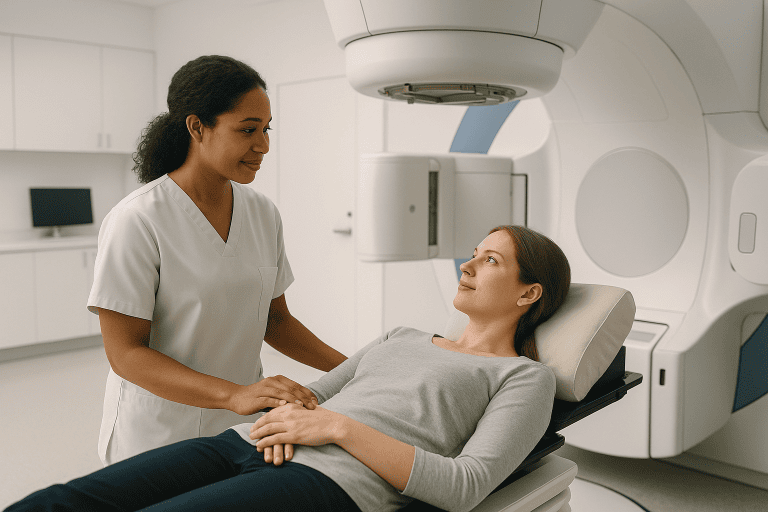
Sometimes the most effective way to relieve pain is to shrink or remove the tumor causing it. Surgery, radiation therapy, chemotherapy, hormone therapy, or targeted drugs may all reduce pain by treating its source. Radiation is often used, for example, to relieve pain from cancer that has spread to bone.
Pain medications
Medicines are the foundation of most cancer pain treatment. Doctors typically follow a stepwise approach, adjusting the strength of medication to the severity of the pain:
- Non-opioid pain relievers, such as acetaminophen (paracetamol) and anti-inflammatory drugs, for mild pain.
- Opioids (strong prescription pain medicines such as morphine and related drugs) for moderate to severe pain. When used under medical supervision for cancer pain, opioids are an accepted and often necessary treatment. Side effects such as constipation, drowsiness, and nausea are common and are usually managed with dose adjustments and supportive medicines.
- Adjuvant medicinesdrugs originally developed for other conditions that also relieve certain kinds of pain. Examples include some antidepressants and anti-seizure medicines for nerve pain, and steroids to reduce swelling around a tumor.
Medicines may be given as tablets, skin patches, liquids, or, when needed, through a vein or under the skin. Doses are adjusted over time, and doctors often prescribe a fast-acting medicine for breakthrough pain in addition to a regular long-acting medicine for background pain.
Procedures and interventional techniques
When medicines alone do not control pain, or cause unacceptable side effects, specialists may recommend procedures that target the pain pathways directly. This field, known as Interventional Pain Management, includes options such as:
- Nerve blocksinjections of numbing medicine, sometimes with steroids, near specific nerves to interrupt pain signals. An example is the celiac plexus block, which is sometimes used for pain from pancreatic or other abdominal cancers.
- Neurolytic procedurestechniques that deliberately and selectively damage a pain-carrying nerve, using chemicals, heat, or cold, to provide longer-lasting relief in carefully chosen cases.
- Spinal drug deliverya small pump and catheter (thin tube) that deliver pain medicine directly to the fluid around the spinal cord, which can allow effective relief with much lower drug doses.
- Neuromodulationdevices that use mild electrical impulses to alter pain signals. Spinal Cord Stimulation, in which a small implanted device sends electrical pulses to the spinal cord, is used mainly for certain types of nerve-related pain and may be considered in selected patients after careful evaluation.
Surgery may also play a role in pain relief, for example, stabilizing a weakened bone or relieving pressure on the spinal cord.
Supportive and non-drug approaches
Physical therapy, gentle exercise, heat or cold packs, relaxation techniques, counseling, and psychological support can all help reduce the impact of pain on daily life. These approaches do not replace medical treatment, but they often improve comfort, mood, and function when used alongside it. In some situations, especially when pain is mild and stable, your doctor may recommend careful monitoring and reassessment before adding new treatments.
Living with cancer pain and outlook
The outlook for cancer pain depends largely on the underlying cancer and how it responds to treatment. What can be said honestly is that, with modern methods, most cancer pain can be meaningfully reduced, and many people achieve good comfort for most of the day. Complete freedom from pain is not always possible, but pain that seriously interferes with sleep, eating, or daily activities should not be accepted as unavoidable: it is a signal to reassess treatment.
Living with cancer pain often involves practical steps: keeping a simple pain diary (noting when pain occurs, how severe it is, and what helps), taking medicines on schedule rather than waiting for pain to become severe, and telling your care team promptly when pain changes. New or worsening pain does not always mean the cancer is growing, it can come from treatment effects or unrelated causes, but it should always be reported so the cause can be checked.
Emotional health matters, too. Persistent pain can lead to anxiety, low mood, and fatigue, and these in turn can make pain feel worse. Support from family, counselors, palliative care teams (specialists in comfort and quality of life at any stage of illness), and patient support groups can make a real difference. Palliative care is not only for the end of life; it can be involved early, alongside active cancer treatment, to help with symptom control.
Frequently asked questions
What is cancer pain and how is it different from ordinary pain?
Cancer pain is pain caused by a tumor, by cancer spreading in the body, or by the tests and treatments used against cancer. It works through the same nerve pathways as other pain, but it often has several causes at once and can change over time. Because of this, it usually needs regular reassessment and a combination of treatments rather than a single fixed approach.
Does everyone with cancer have pain?
No. Many people, particularly those with early-stage disease, have little or no pain. Pain becomes more common as cancer advances or when treatment causes side effects such as nerve damage. If you have cancer and no pain, that does not mean the diagnosis is wrong; if you do have pain, it should be assessed and treated rather than assumed to be inevitable.
Can cancer pain be cured or does it ever go away completely?
In some cases, yes, for example, pain caused by a tumor may resolve if the tumor is successfully removed or shrunk, and pain after surgery usually fades as tissues heal. In other cases, particularly with nerve damage or advanced disease, pain may persist and need ongoing management. Even when pain cannot be eliminated, it can usually be reduced to a level that allows better sleep, activity, and quality of life.
How serious is cancer pain, does more pain mean the cancer is worse?
Not necessarily. The intensity of pain does not reliably reflect how advanced a cancer is. Some small tumors near nerves cause severe pain, while some large tumors cause little discomfort. That said, new, worsening, or changing pain should always be reported to your doctor, because it may point to something that needs attention, such as bone involvement or nerve compression.
Are opioid pain medicines safe for cancer pain, and will I become addicted?
When opioids are prescribed and monitored by a doctor for cancer pain, they are an accepted, standard treatment, and addiction is uncommon in this setting. Physical dependence, meaning the body adjusts to the medicine and doses must be reduced gradually rather than stopped suddenly, is expected and is not the same as addiction. Your care team will adjust doses, manage side effects such as constipation, and discuss any concerns you have about these medicines.
What are the treatment options if pain medicines are not enough?
If medicines do not control pain or cause troublesome side effects, specialists may consider interventional procedures such as nerve blocks, spinal drug-delivery pumps, or neuromodulation devices, as well as radiation therapy or surgery aimed at the source of pain. These options are chosen individually after careful evaluation, often by a specialized pain management (algology) team working together with the oncology team.
How is cancer pain diagnosed if there is no test that measures pain?
Cancer pain diagnosis relies on your own description of the pain, structured rating scales, and a physical and neurological examination. Imaging tests such as MRI, CT, or bone scans may be used to find the cause when the source of pain is unclear. Your report of pain is treated as valid medical information, so describing it honestly and in detail helps your doctors help you.
When to see a doctor
If you have cancer, report any new, worsening, or changing pain to your care team, even between scheduled appointments, early assessment usually makes pain easier to control. Seek medical attention urgently if you experience any of the following red-flag warning signs:
- Sudden severe pain that is different from your usual pain or comes on abruptly.
- New back pain with weakness, numbness, or tingling in the legs or arms: this can signal pressure on the spinal cord, which is a medical emergency.
- Loss of control of the bladder or bowels, or new difficulty passing urine.
- Pain after a fall or minor injury in someone whose cancer may involve bone, which could indicate a fracture.
- Pain with fever, chills, or confusion, which may point to an infection.
- Severe drowsiness, very slow breathing, or difficulty waking in someone taking opioid pain medicines, call emergency services immediately.
- Pain that no longer responds to your usual medicines, or side effects that prevent you from taking them as prescribed.
Cancer pain is a treatable medical problem. Telling your doctors about it clearly and early gives you the best chance of relief and helps protect your strength for the rest of your treatment.
Medically reviewed by the Acıbadem International Medical Board September 3, 2026
See our medical review board →
Update history
- PublishedJune 8, 2026
- Medical review approvedSeptember 3, 2026
- Last content updateSeptember 3, 2026