Complicated UTI
Learn what a complicated UTI is, its symptoms and causes, how doctors diagnose it, the treatment options that may be used, and warning signs to watch for.
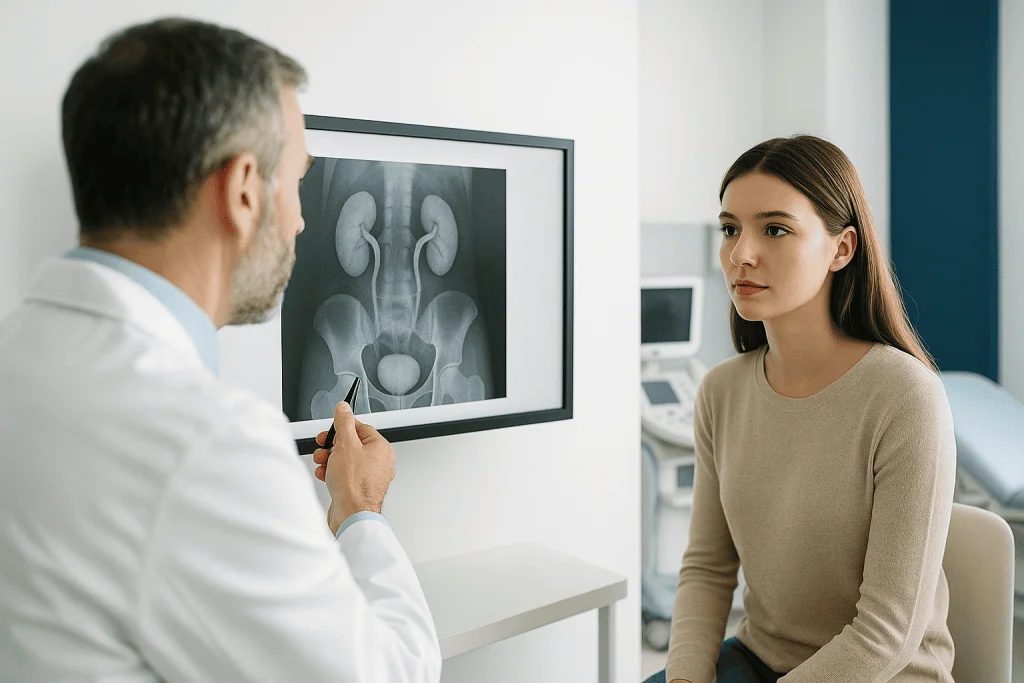
Quick answer
A complicated UTI is a urinary tract infection in a person with a factor that makes it harder to treat or more likely to spread, such as a catheter, kidney stones, diabetes, pregnancy, a weakened immune system, being male, or kidney involvement. Diagnosis relies on urine culture and often imaging; treatment uses antibiotics and relieving any blockage.
What is complicated UTI?
A urinary tract infection (UTI) is an infection of any part of the urinary system, which includes the kidneys, the ureters (the tubes that carry urine from the kidneys to the bladder), the bladder, and the urethra (the tube that carries urine out of the body). Doctors divide UTIs into two broad groups: uncomplicated and complicated. Understanding what is complicated UTI starts with knowing who is affected rather than only where the infection sits.
An uncomplicated UTI usually means a bladder infection in a healthy, non-pregnant woman who has a normal urinary tract. A complicated UTI is an infection that occurs in someone whose body or urinary tract has a feature that makes the infection harder to clear, more likely to return, or more likely to spread. Examples include people with kidney stones, a urinary catheter (a thin tube placed in the bladder to drain urine), a blockage in urine flow, diabetes, a weakened immune system, or pregnancy. Most UTIs in men are also classed as complicated because the male urinary tract is longer and infection often involves the prostate.
Infections that reach the kidneys, known as pyelonephritis, are often treated as complicated as well, because kidney infections can be more serious and may lead to sepsis, a dangerous whole-body reaction to infection. In hospitals, complicated UTIs are typically managed by infectious disease specialists together with the urology department, which handles the structural problems that often lie behind them. At Acibadem, the urology department works alongside nephrology and infectious disease teams in these cases.
Complicated UTI symptoms
Complicated UTI symptoms overlap heavily with those of a simple bladder infection, but they may be more severe, last longer, or be accompanied by signs that the infection has spread beyond the bladder. Because many people with complicated UTIs are older, have diabetes, or use a catheter, symptoms can also be subtle or unusual.
- Burning or pain when passing urine
- Needing to urinate more often or more urgently than usual
- Cloudy, dark, strong-smelling, or blood-stained urine
- Pain or pressure in the lower abdomen or pelvis
- Pain in the flank (the side of the back between the ribs and hip), which may suggest kidney involvement
- Fever, chills, or shaking
- Nausea or vomiting
- General weakness or feeling unwell
- New confusion or drowsiness, especially in older adults
How symptoms appear often depends on where the infection is and who has it. A bladder infection (cystitis) tends to cause local symptoms such as burning, urgency, and lower abdominal discomfort. A kidney infection (pyelonephritis) is more likely to cause fever, flank pain, and vomiting. In men, infection of the prostate (prostatitis) may add pain in the area between the scrotum and anus, difficulty starting to urinate, or pain with ejaculation.
People who have a urinary catheter often do not feel the typical bladder symptoms. In them, fever, chills, new pain in the lower abdomen or back, or unexplained confusion may be the only clues. Older adults in general may present with falls, reduced appetite, or a sudden change in mental state rather than urinary complaints. In pregnancy, a UTI can sometimes cause few symptoms yet still pose a risk to the pregnancy, which is why routine urine testing is common in prenatal care.
Causes and risk factors
Complicated UTI causes are, at their core, the same as for any UTI: bacteria enter the urinary tract, most often through the urethra, and multiply. The most common organism is Escherichia coli (E. coli), a bacterium that normally lives in the bowel. Other bacteria, such as Klebsiella, Proteus, Enterococcus, and Pseudomonas, are seen more frequently in complicated infections, especially in people who have been in hospital or have had recent antibiotics. Fungal infections, most often with Candida, can occur in people with catheters, diabetes, or a weakened immune system.
What turns an ordinary infection into a complicated one is the presence of a factor that lets bacteria persist or reach deeper tissues. Common factors include:
- Blockage of urine flow from kidney stones, an enlarged prostate, a narrowing (stricture) in the urethra, or a tumor. Stagnant urine is a breeding ground for bacteria.
- Urinary catheters and other devices such as ureteral stents (small tubes placed inside the ureter). Bacteria can form a film on the surface of these devices that antibiotics struggle to penetrate.
- Incomplete bladder emptying caused by nerve damage (neurogenic bladder) from spinal cord injury, multiple sclerosis, diabetes, or stroke.
- Structural abnormalities present from birth, or vesicoureteral reflux, in which urine flows backward from the bladder toward the kidneys.
- Diabetes, which can weaken the immune response and affect bladder function.
- A weakened immune system due to medication (for example after a transplant), chemotherapy, or conditions such as HIV.
- Pregnancy, during which hormonal and physical changes slow urine flow.
- Male sex, because infection often involves the prostate, which is difficult for some antibiotics to reach.
- Recent urinary procedures or surgery, which can introduce bacteria.
- Kidney disease or kidney transplant.
- Recent antibiotic use or hospital stays, which increase the chance of infection with resistant bacteria.
Antibiotic resistance deserves special mention. Bacteria that have adapted to survive common antibiotics are more often found in complicated infections. This does not cause the infection itself, but it can make treatment harder and is one reason doctors rely on laboratory testing rather than guesswork in these cases.
Complicated UTI diagnosis
Complicated UTI diagnosis involves two questions: is there truly an infection, and is there an underlying reason that makes it complicated? Your doctor will usually begin with a detailed history, asking about symptoms, previous infections, medical conditions, medications, recent procedures, and whether you use a catheter. A physical examination may include checking for tenderness over the bladder or kidneys and, in men, sometimes examining the prostate.
Tests commonly used include:
- Urinalysis, a quick test of a urine sample that looks for white blood cells, red blood cells, nitrites, and other signs of infection.
- Urine culture, in which the urine is grown in a laboratory to identify the exact bacterium. This is considered essential in complicated UTI because it guides the choice of antibiotic.
- Antibiotic sensitivity testing, performed on the cultured bacteria to show which antibiotics are likely to work and which the bacteria resist.
- Blood tests, including a complete blood count, kidney function tests, and markers of inflammation, to judge how severe the infection is and whether the kidneys are affected.
- Blood cultures, if fever or signs of sepsis are present, to check whether bacteria have entered the bloodstream.
Because the definition of complicated UTI rests on an underlying abnormality, imaging is often part of the workup, particularly if symptoms are severe, do not improve within a couple of days of treatment, or keep coming back. Options may include:
- Ultrasound of the kidneys and bladder, a painless scan using sound waves, to look for blockage, stones, swelling of the kidney (hydronephrosis), or incomplete emptying.
- CT scan (computed tomography), a detailed X-ray-based scan that is often preferred to detect stones, abscesses (pockets of pus), or gas within tissues.
- MRI, used in selected cases, for example during pregnancy when radiation is avoided.
- Cystoscopy, in which a thin camera is passed through the urethra to view the inside of the bladder, sometimes used when recurrent infections have no clear cause.
It is important to know that bacteria in the urine without symptoms, called asymptomatic bacteriuria, is common in older adults and in people with catheters. In most of these situations it is not treated, because antibiotics offer no benefit and can cause harm. Doctors therefore weigh symptoms, test results, and your overall condition together rather than reacting to a urine result alone.
Complicated UTI treatment options
Complicated UTI treatment options depend on how sick you are, which bacterium is found, and what underlying problem is present. Treatment usually has two aims: clearing the infection and correcting, where possible, the factor that made it complicated.
Antibiotics. Antibiotics are the foundation of treatment. Because resistant bacteria are more common in complicated infections, doctors often start a broad antibiotic based on local resistance patterns and then adjust it once culture results arrive, usually within a few days. People who are stable and able to take oral medication may be treated at home with tablets. Those with high fever, vomiting, signs of sepsis, pregnancy complications, or an inability to keep fluids down are often admitted to hospital for intravenous (IV) antibiotics, given through a vein, and switched to tablets once they improve. Treatment courses for complicated UTI are generally longer than for a simple bladder infection; your doctor will decide the duration based on the site of infection and your response. Finishing the full course as prescribed helps reduce the chance of relapse and resistance.
Supportive care. Drinking enough fluids, taking pain relievers such as acetaminophen if advised, and resting can help you feel more comfortable while the antibiotics work. In hospital, IV fluids may be given if you are dehydrated.
Relieving blockage. If urine flow is obstructed, antibiotics alone may not be enough, because infected urine trapped behind a blockage cannot be cleared. Doctors may need to drain the urine urgently. Options include placing a urinary catheter, inserting a ureteral stent to bypass a stone, or a nephrostomy, in which a small tube is placed through the skin of the back directly into the kidney. Once the infection settles, the stone or narrowing can be dealt with definitively.
Catheter management. In people with a catheter-related infection, the catheter is usually removed or replaced at the start of treatment, since bacteria cling to the old device. Long-term, doctors try to remove catheters whenever they are no longer needed or to use intermittent catheterization, where a catheter is inserted only to empty the bladder and then removed.
Procedures and surgery. Surgery is not part of treating the infection itself, but it may be needed to fix the cause. Examples include removing kidney stones, treating an enlarged prostate, widening a urethral stricture, or draining an abscess with a needle or small tube guided by imaging. In rare, severe cases where a kidney is destroyed by infection, removal of the kidney may be discussed. These decisions are made case by case by the urology team.
Managing underlying conditions. Good blood sugar control in diabetes, reviewing medications that affect bladder emptying, and treating constipation can all reduce the chance of repeat infections. In some people with frequent recurrences, a doctor may consider a low-dose preventive antibiotic for a limited period, weighing the benefit against the risk of resistance and side effects.
Follow-up. A repeat urine culture is not always needed if symptoms resolve, but your doctor may request one in pregnancy, after kidney infection, or if symptoms return. If you do not improve within about two to three days of starting antibiotics, further tests, including imaging, are usually arranged.
Living with complicated UTI and outlook
The outlook for a complicated UTI varies widely. Many people recover fully once the right antibiotic is given and any blockage is relieved. However, the underlying factor that made the infection complicated often remains, so recurrence is more common than after an uncomplicated infection. People with long-term catheters, neurogenic bladder, or kidney stones may experience repeated infections over years, and managing this becomes part of ongoing care rather than a one-time event.
Possible complications, particularly when treatment is delayed, include kidney abscess, permanent kidney scarring, reduced kidney function, and sepsis. Prompt recognition and treatment lower these risks, which is why people who know they are prone to complicated infections are often encouraged to seek assessment early when symptoms begin.
Day to day, several habits may help reduce recurrences, although none is guaranteed to prevent infection: drinking adequate fluids unless your doctor has advised a fluid limit, emptying the bladder regularly and completely, following any catheter-care instructions carefully, keeping diabetes well controlled, and avoiding unnecessary antibiotics that can promote resistance. Cranberry products are popular, but evidence for their benefit is mixed, and they are not a substitute for medical treatment.
Living with a condition that raises your infection risk can be frustrating, and it is reasonable to ask your care team what a realistic plan looks like for you, including which symptoms should prompt a call and whether a standing urine culture arrangement makes sense. Regular review with a urologist is common when a structural problem is involved.
Frequently asked questions
What is complicated UTI compared with a normal UTI?
A normal, or uncomplicated, UTI is a bladder infection in an otherwise healthy woman with a normal urinary tract. A complicated UTI occurs when something about the person or their urinary system increases the risk of treatment failure or serious illness, such as a catheter, kidney stones, diabetes, pregnancy, a weakened immune system, being male, or infection that has reached the kidneys. The bacteria may be the same; the context is different.
What are the first complicated UTI symptoms to watch for?
Early complicated UTI symptoms are often the familiar burning, urgency, and frequent urination, but fever, chills, flank pain, or vomiting suggest the infection may involve the kidneys or bloodstream. In older adults and people with catheters, new confusion or a general decline may be the first sign. Anyone with a known risk factor who develops these symptoms is usually advised to seek assessment rather than wait.
What are the most common complicated UTI causes?
The infection itself is usually caused by bowel bacteria such as E. coli. What makes it complicated is an added factor like obstruction from stones or an enlarged prostate, a urinary catheter, incomplete bladder emptying from nerve problems, diabetes, immune suppression, or pregnancy. Recent hospital stays and antibiotic courses also raise the chance that resistant bacteria are involved.
How is complicated UTI diagnosis confirmed?
Doctors confirm complicated UTI diagnosis with a urinalysis and, importantly, a urine culture that identifies the bacterium and shows which antibiotics work against it. Blood tests help gauge severity, and imaging such as ultrasound or CT is often used to look for blockage, stones, or abscess, especially if symptoms are severe or do not improve within a few days of treatment.
What are the main complicated UTI treatment options?
Complicated UTI treatment options center on antibiotics, given by mouth for milder cases or through a vein in hospital for more severe ones, with the choice adjusted once culture results are known. If urine flow is blocked, drainage with a catheter, stent, or nephrostomy tube may be needed. Infected catheters are typically replaced, and procedures or surgery may later address the underlying cause, such as removing stones.
Can a complicated UTI be treated at home?
In many cases, yes. If you are otherwise stable, not pregnant, able to drink and take tablets, and have no signs of sepsis, your doctor may prescribe oral antibiotics and arrange follow-up. Hospital care is more likely if you have high fever, persistent vomiting, severe pain, confusion, or a blockage that needs urgent drainage. The decision depends on your individual situation.
How long does recovery from a complicated UTI take?
Symptoms often begin to ease within a few days of starting an effective antibiotic, but the full course is usually longer than for a simple bladder infection, and fatigue can linger. Recovery may take longer if a kidney infection, abscess, or blockage was present. Because the underlying risk factor often remains, some people experience repeat infections and need ongoing follow-up.
When to see a doctor
Anyone with a known risk factor for complicated UTI, such as diabetes, a catheter, kidney stones, pregnancy, or a weakened immune system, should seek medical assessment promptly when urinary symptoms develop, rather than waiting to see if they pass. Men with UTI symptoms are also generally advised to be evaluated, since infection may involve the prostate. Seek urgent medical care, including emergency services if necessary, if you or someone you care for has any of the following red-flag signs:
- High fever, shaking chills, or feeling very cold and clammy
- Severe pain in the back, side, or lower abdomen
- Repeated vomiting or inability to keep fluids down
- New confusion, drowsiness, difficulty waking, or slurred speech
- Rapid heartbeat, fast breathing, or feeling faint or dizzy when standing
- Passing very little or no urine, or a catheter that has stopped draining
- Visible blood or clots in the urine along with fever
- Symptoms that worsen or fail to improve after two to three days of antibiotics
- Urinary symptoms during pregnancy, especially with fever or back pain
These signs can indicate a kidney infection, a blocked and infected kidney, or sepsis, all of which need rapid treatment. When in doubt, it is safer to be assessed early.
Medically reviewed by the Acıbadem International Medical Board September 9, 2026
See our medical review board →
Update history
- PublishedSeptember 9, 2026
- Medical review approvedSeptember 9, 2026
- Last content updateSeptember 9, 2026