Urethral Stricture
Urethral Stricture is a narrowing of the urethra that can slow urine flow. Learn symptoms, causes, diagnosis and treatment options.

Quick answer
Urethral stricture is a narrowing of the urethra that can obstruct urine flow and cause symptoms such as weak stream, straining, infections, or urinary retention. At Acibadem, evaluation focuses on identifying the location and cause of the narrowing, and treatment may include endoscopic procedures or reconstructive surgery depending on the stricture’s length, severity, and recurrence.
Urethral stricture is a narrowing of the urethra, the tube that carries urine out of the body, usually caused by scar tissue. It can make urination slow, difficult or incomplete, and it is assessed and treated by a urologist.
Overview
Urethral stricture is a medical condition in which part of the urethra becomes abnormally narrow. The urethra is the tube that carries urine from the bladder to the outside of the body. When this tube narrows, urine cannot pass as freely, which may cause slow urination, discomfort, infections or difficulty emptying the bladder.
The narrowing is most often caused by scar tissue. Scar tissue may form after inflammation, injury, infection, previous surgery, catheter use or other procedures involving the urethra. Urethral strictures are more common in men because the male urethra is longer and passes through several anatomical regions, but they can also occur in women.
A urethral stricture can be short and mild, or longer and more complex. Some people notice gradual changes in urine flow over months or years, while others develop more sudden blockage. The condition is treatable, but the best approach depends on the stricture’s location, length, severity, cause and whether it has been treated before.
Symptoms
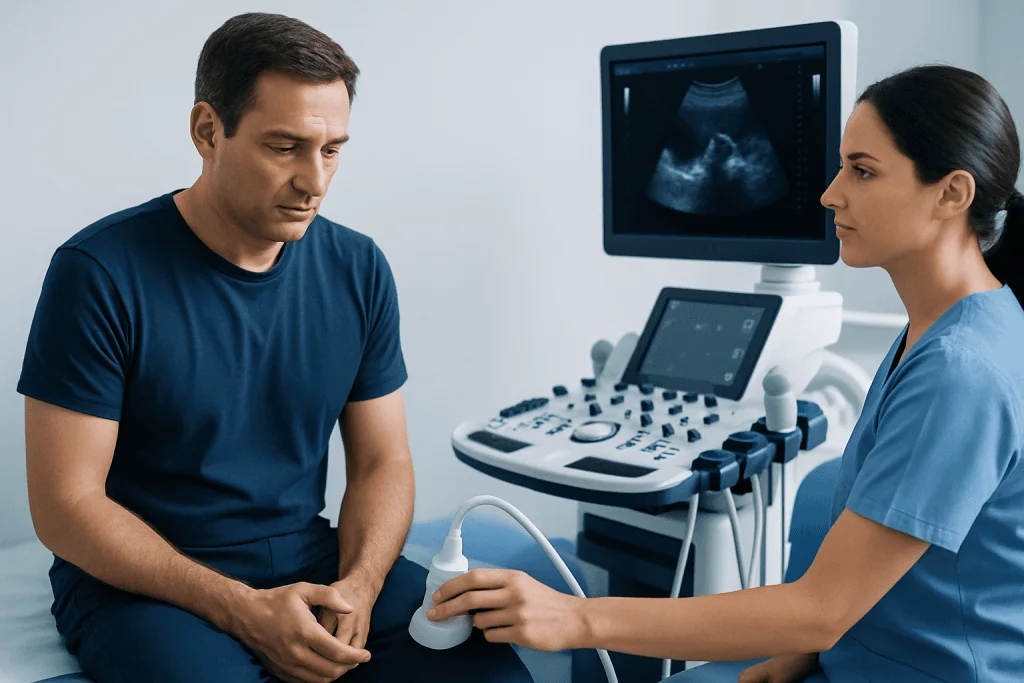
Urethral stricture symptoms usually relate to reduced urine flow and incomplete bladder emptying. The most common sign is a weak or slow urine stream. Some people also notice that the stream sprays, splits or stops and starts, making urination take longer than usual.
Other symptoms can include straining to urinate, dribbling after urination, a feeling that the bladder has not fully emptied, frequent urination, urgency or waking at night to pass urine. Pain or burning during urination may occur, especially if there is irritation or a urinary tract infection.
Possible symptoms and related problems include:
- Weak, thin, spraying or interrupted urine stream
- Difficulty starting urination or needing to push
- Dribbling after urination
- Frequent urinary tract infections
- Blood in the urine or semen in some cases
- Pelvic, penile or lower abdominal discomfort
- Urinary retention, meaning inability to pass urine, in severe cases
Symptoms can resemble other urinary conditions, such as an enlarged prostate, urinary infection, bladder dysfunction or kidney stone disease. For this reason, a urologist usually confirms the diagnosis with specific tests rather than symptoms alone.
Causes & Risk Factors
Most urethral strictures develop when the lining of the urethra is injured or inflamed and heals with scar tissue. As scar tissue contracts, it can narrow the channel through which urine passes. The cause may be clear, such as a previous procedure or injury, but in some people no single cause is identified.
Common causes include trauma to the pelvis or perineum, previous catheter placement, endoscopic urinary procedures, surgery involving the prostate or urethra, and inflammation from infections. Sexually transmitted infections can contribute to urethral inflammation if they are not promptly treated. A chronic inflammatory skin condition called lichen sclerosus can also affect the genital skin and urethra and may cause more complex strictures.
Risk factors for urethral stricture include:
- Previous urethral catheterization or urinary tract procedures
- Pelvic fracture or injury to the area between the legs
- History of urethritis or sexually transmitted infection
- Previous prostate, penile or urethral surgery
- Radiotherapy to the pelvis
- Lichen sclerosus or chronic genital inflammation
- Prior urethral stricture treatment, especially if recurrence has occurred
In women, urethral stricture is less common but may occur after childbirth-related trauma, pelvic surgery, catheterization, inflammation, radiation or other local injury. Because symptoms in women can overlap with recurrent urinary infection or bladder conditions, specialist evaluation is important when urinary symptoms persist.
Diagnosis
Diagnosis begins with a detailed medical history and physical examination. The doctor may ask about urinary symptoms, previous infections, injuries, catheter use, surgeries, sexually transmitted infections and earlier treatments. A urine test may be used to check for infection, blood or other abnormalities.
Several tests can help identify whether the urethra is narrowed and how serious the blockage is. Uroflowmetry measures how quickly urine passes and may show a slow or prolonged flow pattern. A post-void residual test, often done with ultrasound, checks how much urine remains in the bladder after urination.
Imaging and direct visualization are often used to define the stricture. A retrograde urethrogram is an X-ray study in which contrast dye outlines the urethra and shows the length and location of narrowing. A voiding cystourethrogram may be used in some cases to show the urethra during urination. Cystoscopy allows the urologist to look inside the urethra and bladder with a thin camera.
Accurate diagnosis is important because treatment choices differ for short strictures, long strictures, recurrent strictures and strictures caused by specific inflammatory conditions. The urologist may also assess kidney function or the upper urinary tract if obstruction has been severe or long-standing.
Treatment Options
Urethral stricture treatment is individualized. The right approach is decided by a urologist after assessment of the stricture’s length, location, severity, cause, previous treatments, symptoms and the patient’s overall health. The goals are to improve urine flow, protect bladder and kidney function, reduce infections and improve quality of life.
Less invasive options may include urethral dilation or endoscopic incision, sometimes called internal urethrotomy. Dilation gently stretches the narrowed area, while endoscopic incision cuts the scar from inside the urethra to open the channel. These approaches may be considered for selected short strictures, but recurrence can occur, so follow-up is important.
For longer, dense or recurrent strictures, reconstructive surgery may be recommended. Urethroplasty is a surgical repair of the urethra and can involve removing the scarred segment and reconnecting healthy ends, or using tissue grafts to rebuild the narrowed area. The specific surgical technique depends on the anatomy of the stricture and is planned by a specialist.
In some situations, temporary urinary drainage may be needed, especially if a person cannot urinate or the bladder is not emptying safely. This may involve a catheter placed through the urethra or, in selected cases, through the lower abdomen into the bladder. Any infection, inflammation or associated condition is also managed as part of care, but patients should not attempt self-treatment without medical guidance.
Living With / Prognosis
Many people with urethral stricture do well with appropriate treatment and follow-up. The outlook depends on the stricture’s cause, length, location and whether it has occurred before. Short, first-time strictures may be easier to manage, while long or recurrent strictures often require more complex planning.
Because urethral strictures can recur, follow-up visits are an important part of care. A urologist may monitor symptoms, urine flow and bladder emptying after treatment. Patients are usually encouraged to report any return of weak stream, straining, urinary infections or difficulty passing urine early, before the narrowing becomes severe.
Daily life can often improve when urine flow is restored and infections are controlled. General supportive measures include drinking fluids appropriately, seeking prompt care for urinary infection symptoms, following instructions after procedures and attending scheduled reviews. If sexual health infections are a possible factor, testing and treatment of partners may be discussed with a healthcare professional.
Emotional concerns are also common, especially when symptoms affect sleep, travel, work or sexual wellbeing. Open discussion with a urologist can help patients understand the condition, treatment choices and expected recovery. Individual prognosis should always be discussed with the treating specialist, who can interpret findings in the context of the person’s overall health.
When to See a Doctor
A person should see a doctor or urologist if they develop persistent changes in urination, such as a weak stream, spraying, straining, dribbling, frequent urinary tract infections or a sensation of incomplete bladder emptying. These symptoms do not always mean urethral stricture, but they should be assessed to identify the cause and prevent complications.
Medical care should be sought promptly if there is pain or burning with urination, blood in the urine, fever, chills, pelvic pain or worsening urinary symptoms. Urgent care is needed if a person cannot pass urine, because acute urinary retention can be painful and requires immediate medical assessment.
People with a history of pelvic injury, urethral catheterization, urinary surgery, sexually transmitted infection, lichen sclerosus or previous urethral stricture should be particularly attentive to changes in urine flow. Early specialist review may allow treatment before the narrowing becomes more difficult to manage.
For international patients, Acibadem International’s multidisciplinary urology teams and JCI-accredited hospitals diagnose and treat urethral stricture using specialist assessment and individualized treatment planning. This information is educational and does not replace consultation with a qualified doctor.
Frequently asked questions
What is urethral stricture?
Urethral stricture is a narrowing of the urethra, the tube that carries urine out of the body. It usually develops when scar tissue forms after injury, inflammation, infection or a medical procedure. The narrowing can slow urine flow and make the bladder harder to empty.
What are the most common urethral stricture symptoms?
The most common symptom is a weak or slow urine stream. Other symptoms may include spraying, straining, dribbling, frequent urination, incomplete emptying, burning or recurrent urinary tract infections. Severe narrowing can sometimes cause inability to pass urine.
Can urethral stricture go away on its own?
A true urethral stricture caused by scar tissue usually does not disappear on its own. Symptoms may fluctuate, but the narrowing often persists and can worsen over time. A urologist should evaluate persistent urinary flow problems.
How is urethral stricture diagnosed?
Diagnosis may include a medical history, physical examination, urine tests and urine flow measurement. Imaging tests such as a retrograde urethrogram can show the location and length of the narrowing. Cystoscopy may also be used to look directly inside the urethra.
What treatments are available for urethral stricture?
Treatment options include dilation, endoscopic incision and reconstructive surgery such as urethroplasty. Temporary catheter drainage may be needed if the bladder cannot empty safely. The best treatment is chosen by a urologist after assessing the stricture and the patient’s overall health.
Can urethral stricture come back after treatment?
Yes, urethral strictures can recur after treatment, especially if they are long, dense, inflammatory or have been treated before. Follow-up is important to detect recurrence early. Patients should report any return of weak stream, straining or urinary infections.
Is urethral stricture dangerous?
Urethral stricture is usually manageable, but untreated obstruction can lead to infections, bladder problems or, in severe cases, effects on the kidneys. It is important to seek medical care if symptoms persist or worsen. Urgent care is needed if a person cannot urinate.
This article is for general information only and is not a substitute for professional medical advice. Please consult a qualified doctor about your individual situation.
Medically reviewed by the Acıbadem International Medical Board June 20, 2026
See our medical review board →
Update history
- PublishedJune 8, 2026
- Medical review approvedJune 20, 2026
- Last content updateJune 12, 2026