

Abvd Chemo: How It Works, Results and What to Expect
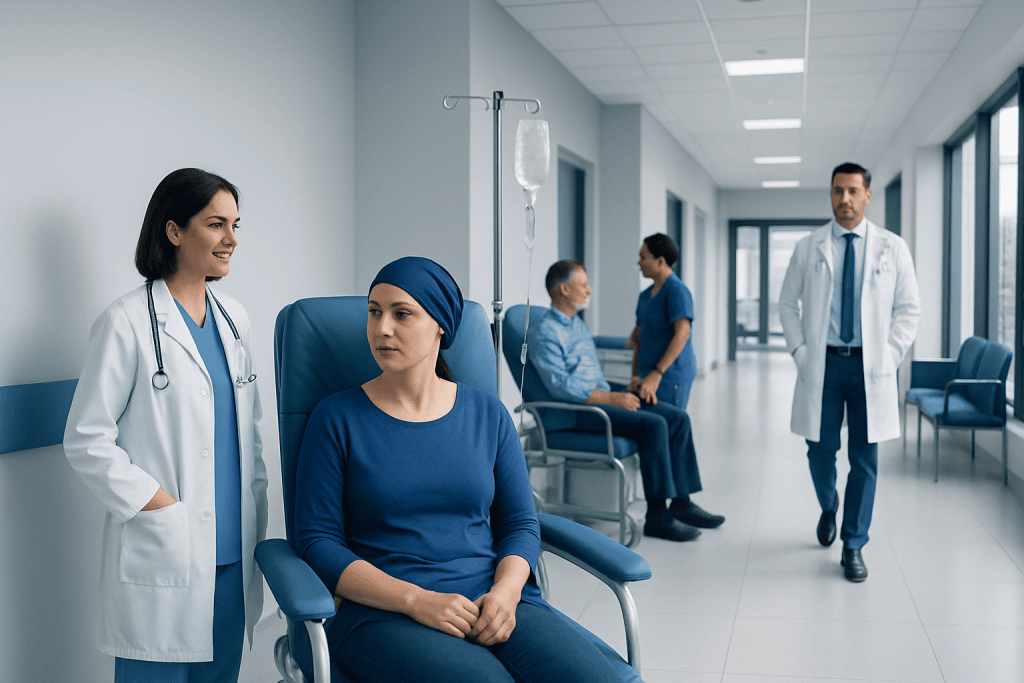
ABVD combines doxorubicin, bleomycin, vinblastine and dacarbazine. It is commonly administered every two weeks, with the total number of cycles based on lymphoma stage and response.
Key Takeaways
- ABVD combines doxorubicin, bleomycin, vinblastine and dacarbazine.
- It is commonly administered every two weeks, with the total number of cycles based on lymphoma stage and response.
- Side effects vary, but fatigue, nausea, low blood counts, hair loss and infection risk are common concerns that can often be managed.
- Many people with Hodgkin lymphoma respond well to treatment, although outlook depends on disease stage and individual factors.
- Fever or other possible signs of infection during chemotherapy need urgent medical assessment.
ABVD chemo is a combination chemotherapy regimen commonly used to treat classical Hodgkin lymphoma. It uses four medicines given on a planned schedule to destroy lymphoma cells, and treatment is closely monitored to balance effectiveness with safety.
ABVD chemo overview: how it works
ABVD chemo is a chemotherapy combination used primarily for classical Hodgkin lymphoma, a cancer that begins in lymphatic system cells. The name comes from the first letters of its four medicines: doxorubicin (also called Adriamycin), bleomycin, vinblastine and dacarbazine. Each medicine attacks cancer cells differently, helping improve the chance of controlling or eliminating lymphoma cells.
Because chemotherapy medicines can also affect healthy fast-growing cells, ABVD can cause temporary side effects involving the bone marrow, digestive tract, hair follicles and skin. The oncology team monitors treatment carefully with blood tests, examinations and, when needed, scans to assess how the lymphoma is responding.
ABVD has been a standard first-line option for many people with classical Hodgkin lymphoma. In some situations, especially after early treatment scans, the care team may adjust the plan, including stopping bleomycin when appropriate, to reduce the possibility of lung-related toxicity while maintaining effective treatment.
Who may be a candidate for ABVD chemotherapy?
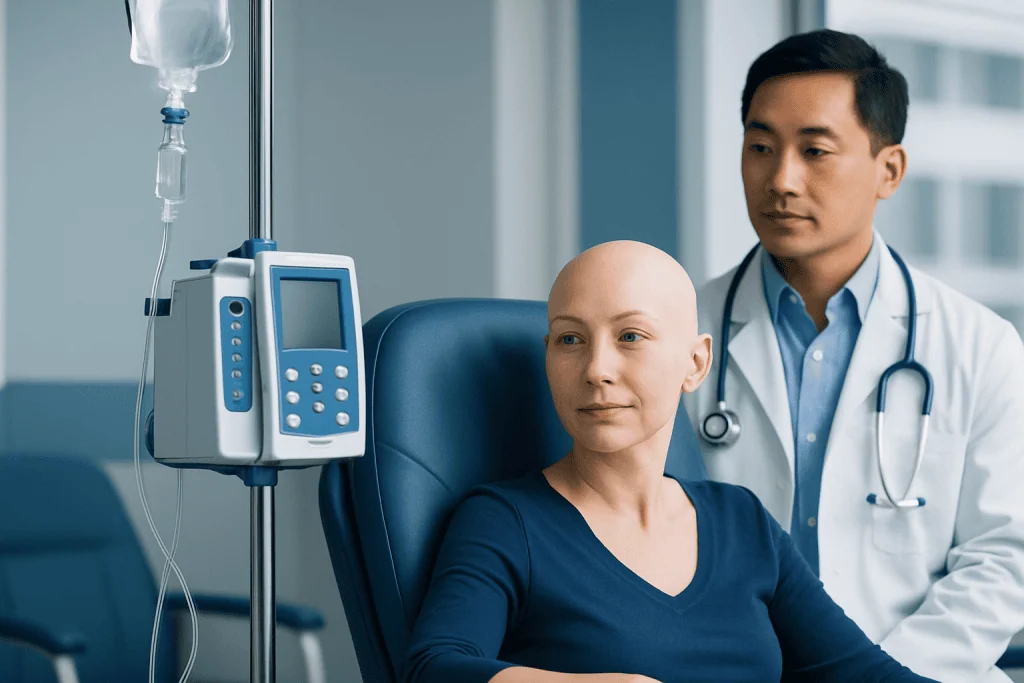
ABVD may be recommended for adults and, in selected circumstances, younger patients with newly diagnosed classical Hodgkin lymphoma. The decision depends on the lymphoma subtype, stage, sites involved, symptoms, scan findings, blood test results, overall health and previous treatment history. It may be used alone or combined with radiotherapy in selected early-stage cases.
Before treatment begins, clinicians typically confirm the diagnosis with a biopsy and complete staging tests. These may include blood tests, PET-CT or CT imaging, heart assessment before doxorubicin, and lung testing when bleomycin is planned. Fertility preservation should also be discussed before chemotherapy, particularly for people who may wish to have children in the future.
ABVD chemo experts include hematologists or medical oncologists, oncology nurses, pharmacists, pathologists, radiologists and supportive-care professionals. Their role is to tailor treatment to the individual and help manage treatment effects promptly and safely.
ABVD chemo schedule and step-by-step treatment
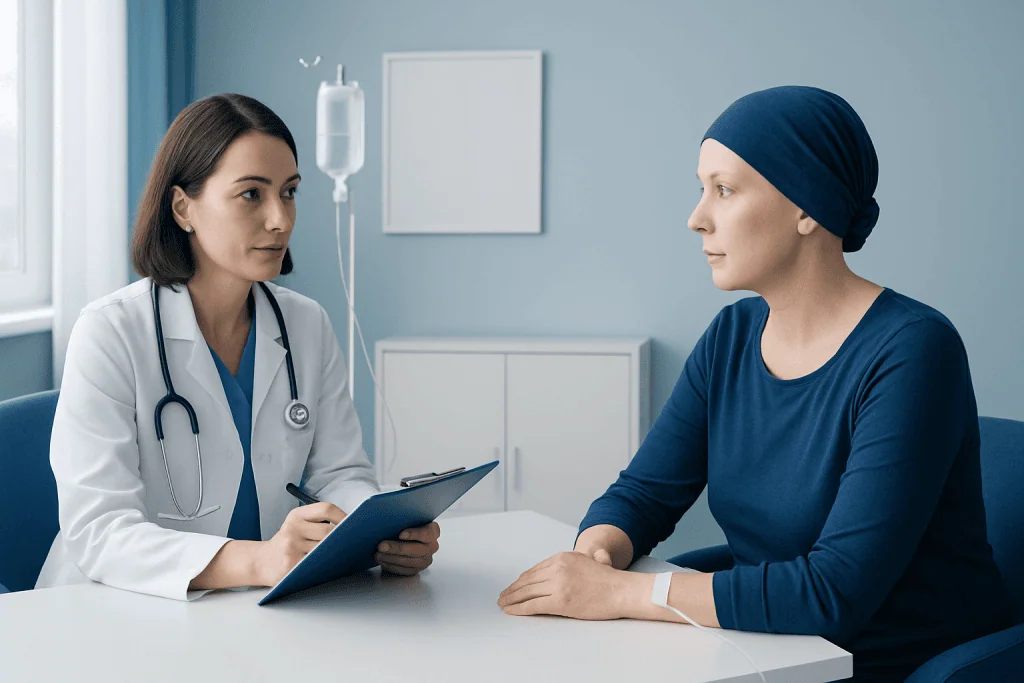
The usual ABVD chemo schedule is treatment on day 1 and day 15 of a 28-day cycle. A cycle therefore lasts about four weeks, and the number of cycles varies according to disease stage, risk features and response on interim imaging. Some people receive a shorter course, while others need more cycles.
On treatment day, the patient generally has a review with the oncology team and blood tests to check that treatment can proceed safely. Anti-nausea medicines may be given before chemotherapy. The four drugs are usually administered through a vein, either through a cannula placed in the arm or through a central venous access device if one has been recommended.
ABVD chemo time varies between hospitals and individual treatment plans, but an appointment commonly lasts several hours when preparation, blood tests, medicines and observation are included. Most patients return home the same day. The team provides individualized instructions about eating, fluids, medicines, infection precautions and whom to contact between appointments.
During treatment, PET-CT imaging is often used after an early number of cycles to assess response. Results can help the specialist determine whether the original plan should continue or be modified. Treatment decisions should always be made by the treating oncology team rather than from scan results alone.
Expected benefits and ABVD chemo results
The aim of ABVD is to achieve remission, meaning there is no detectable active lymphoma after treatment. Hodgkin lymphoma is often highly treatable, including when it has spread beyond its original area. However, an individual ABVD chemo success rate cannot be predicted from the regimen alone because outcome is influenced by stage, age, symptoms, tumor features, overall health and response to early treatment.
For Hodgkin lymphoma overall, population-level data show that many people live for years after diagnosis and treatment. Survival figures are estimates based on groups of people treated in earlier periods, and they do not determine what will happen for one person. Advances in imaging, supportive care and treatment selection continue to shape outcomes.
Follow-up after treatment is important. It usually includes regular clinical reviews and may include blood tests or imaging when clinically indicated. Patients should report new or persistent symptoms rather than waiting for a scheduled appointment, as many symptoms have non-cancer causes but deserve appropriate assessment.
Is ABVD a strong chemo?
ABVD is a multi-drug chemotherapy regimen and is considered an intensive cancer treatment because it combines medicines with different effects and potential toxicities. At the same time, it is widely used because it has a well-established role in treating Hodgkin lymphoma and can be delivered with careful monitoring and supportive care.
How difficult ABVD feels differs substantially between individuals. Some people continue parts of their usual routine between treatments, while others need more rest and practical support. Age, existing medical conditions, blood counts, emotional wellbeing, nutrition and the effects of each cycle can all influence the experience.
Potential side effects include tiredness, nausea, constipation or diarrhea, appetite changes, mouth soreness, hair loss, numbness or tingling in the hands and feet, and lower blood cell counts. Bleomycin can affect the lungs, and doxorubicin can affect the heart, which is why clinicians review symptoms and perform appropriate monitoring throughout treatment.
When are the hardest days after ABVD?
For many people, the hardest days after ABVD are not identical from cycle to cycle. Nausea, tiredness, reduced appetite or a general “washed out” feeling may occur in the first few days after infusion. Some people feel better within several days, while fatigue can persist longer or build gradually over the course of treatment.
White blood cell counts may fall several days after chemotherapy and can be at their lowest approximately one to two weeks after treatment, although timing varies. This period can increase vulnerability to infection. The oncology team may adjust appointments, recommend blood tests or provide supportive medicines when needed.
Keeping a simple symptom record can help identify patterns and guide care. Patients should contact their oncology team promptly for fever, chills, worsening cough, shortness of breath, uncontrolled vomiting, severe diarrhea, new bleeding, severe pain or any symptom that feels urgent or unusual.
Which chemo cycle is the hardest?
There is no single chemotherapy cycle that is always the hardest. Some people find the first cycle most challenging because they are learning what side effects to expect and adjusting to a new routine. Others find later cycles more tiring because fatigue, anemia, appetite changes or emotional strain can accumulate over time.
Interim scans, blood counts and symptoms may also influence later treatment. If side effects become difficult, the oncology team can assess for treatable causes and may offer medicines, nutrition support, symptom-management strategies or treatment adjustments when medically appropriate. Patients should not skip or delay a treatment without speaking to their team.
Helpful preparation may include arranging transport home after infusion, stocking easy-to-tolerate foods, planning rest, keeping hydrated and accepting practical support from family or friends. Gentle activity, if the person feels able and the care team agrees, can support energy, mood and sleep.
When to seek medical care
People receiving ABVD should follow the emergency contact instructions provided by their oncology unit. A temperature of 38°C (100.4°F) or higher, chills or feeling suddenly unwell may indicate infection and requires urgent medical advice, even if there are no other symptoms. It is important not to take medicines to mask a fever before speaking with the care team unless specifically instructed.
Urgent assessment is also needed for shortness of breath, chest pain, a new or worsening cough, severe weakness, confusion, uncontrolled vomiting or diarrhea, inability to drink fluids, unusual bruising or bleeding, or a painful, red or swollen area around an intravenous line. These symptoms may have treatable causes, but should not be managed alone at home.
For international patients, Acibadem International’s multidisciplinary specialists and JCI-accredited hospitals can support the diagnosis and treatment planning of Hodgkin lymphoma, including chemotherapy care and follow-up coordination.
Frequently asked questions
What drugs are included in ABVD chemo?
ABVD includes doxorubicin, bleomycin, vinblastine and dacarbazine. These medicines work in different ways to damage or stop the growth of lymphoma cells. The oncology team may adjust the regimen during treatment depending on scan results and side effects.
How long does ABVD chemotherapy take?
ABVD is commonly given on days 1 and 15 of a 28-day cycle. The infusion visit often takes several hours, including blood tests, clinical review, pre-treatment medicines and chemotherapy administration. The total treatment duration depends on the number of cycles recommended.
When are the hardest days after ABVD?
Many people experience nausea, tiredness or appetite changes in the first few days after treatment. Blood counts may be lower around one to two weeks after chemotherapy, which can increase infection risk. Experiences differ, so symptoms should be discussed with the oncology team.
Is ABVD a strong chemo?
ABVD is a combination chemotherapy regimen with significant potential side effects, so it needs close monitoring. It is also an established treatment for classical Hodgkin lymphoma and is supported by medicines and clinical care designed to reduce and manage side effects. Tolerance varies between individuals.
What is the 5-year survival rate for people with Hodgkin's lymphoma?
Five-year survival estimates for Hodgkin lymphoma are generally favorable overall, but figures vary by country, disease stage, age and other factors. Population statistics cannot predict an individual's outlook or response to ABVD. A treating hematologist or oncologist can explain what the diagnosis and response to treatment mean in the person's specific situation.
Which chemo cycle is the hardest?
There is no universal hardest cycle. The first cycle can be difficult because side effects are unfamiliar, while later cycles may feel more demanding if fatigue or low blood counts build up. The care team should be told about any new or worsening symptoms so support can be provided.
References
- American Cancer Society
- National Cancer Institute
- Leukemia & Lymphoma Society
- National Comprehensive Cancer Network
- European Society for Medical Oncology
This article is for general information only and is not a substitute for professional medical advice. Please consult a qualified doctor about your individual situation.
Hair transplant in Turkey — costs, graft counts & a free assessment
JCI-accredited · board-certified surgeons · reply within 24h

More from the Health Library
Related Specialists
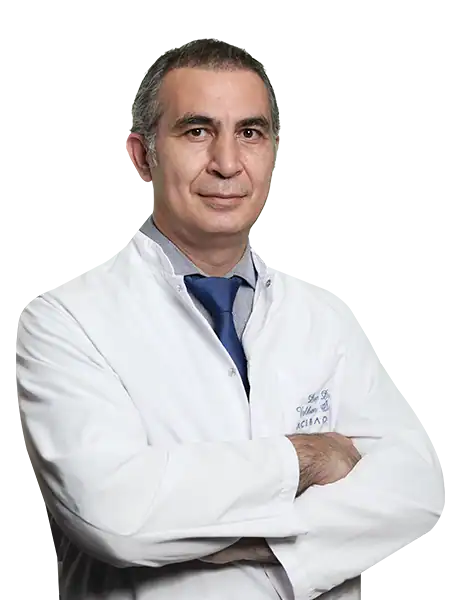
Prof. Dr. Volkan Özben
General Surgery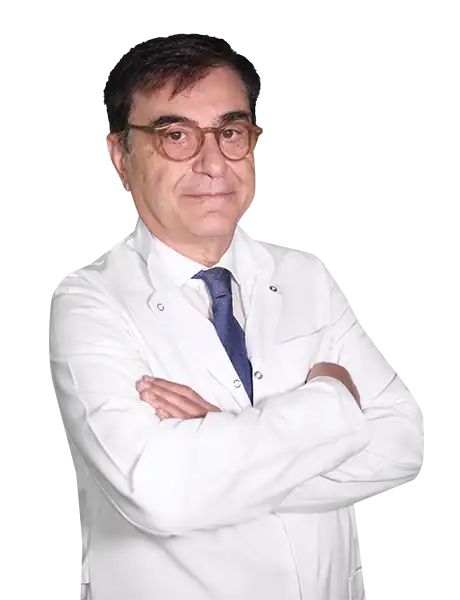
Prof. Dr. Ufuk Aydınlı
Orthopedic Surgery & Traumatology
Prof. Dr. Mustafa Uğur Altuğ
Urology
Dr. Mehmet Can Şahin
Inpatient Clinic Physicians Clinical Service