Breast Cancer Stage 2 Treatment: How It Works, Results and What to Expect

Stage 2 breast cancer is potentially curable, but it requires timely assessment and a personalized treatment plan. Treatment commonly includes surgery, with chemotherapy given before or after surgery for some patients.
Key Takeaways
- Stage 2 breast cancer is potentially curable, but it requires timely assessment and a personalized treatment plan.
- Treatment commonly includes surgery, with chemotherapy given before or after surgery for some patients.
- Hormone receptor and HER2 test results strongly influence which medicines are recommended.
- Radiation therapy is often advised after breast-conserving surgery and may be recommended after mastectomy in selected cases.
- Recovery and treatment duration vary, but care commonly extends over several months and may include longer-term hormone therapy.
Breast cancer stage 2 treatment is planned with the aim of removing or controlling the cancer and reducing the chance of it returning. Most people receive a combination of surgery and systemic treatment, with radiation therapy and long-term medicines added when appropriate for the cancer’s features.
Overview: how breast cancer stage 2 treatment works
Breast cancer stage 2 treatment usually combines local treatment for the breast and nearby lymph nodes with medicines that treat cancer cells throughout the body. The plan may include surgery, chemotherapy, radiation therapy, hormone therapy, HER2-targeted therapy, immunotherapy in selected situations, or a carefully planned sequence of these treatments. The overall goal is to treat the known cancer and lower the risk of recurrence.
Stage 2 is an early-stage invasive breast cancer category. It generally means the tumor is larger than in stage 1 and/or that cancer is present in a small number of nearby underarm lymph nodes, without evidence of spread to distant organs. Stage is only one part of planning. Doctors also consider the tumor type and grade, hormone receptor status, HER2 status, genetic testing when relevant, overall health, menopausal status, and personal priorities.
Care is typically coordinated by a multidisciplinary team that may include a breast surgeon, medical oncologist, radiation oncologist, radiologist, pathologist, oncology nurse, genetic counselor and rehabilitation specialists. This approach helps ensure that each part of treatment supports the next.
Is Stage 2 breast cancer a big deal?
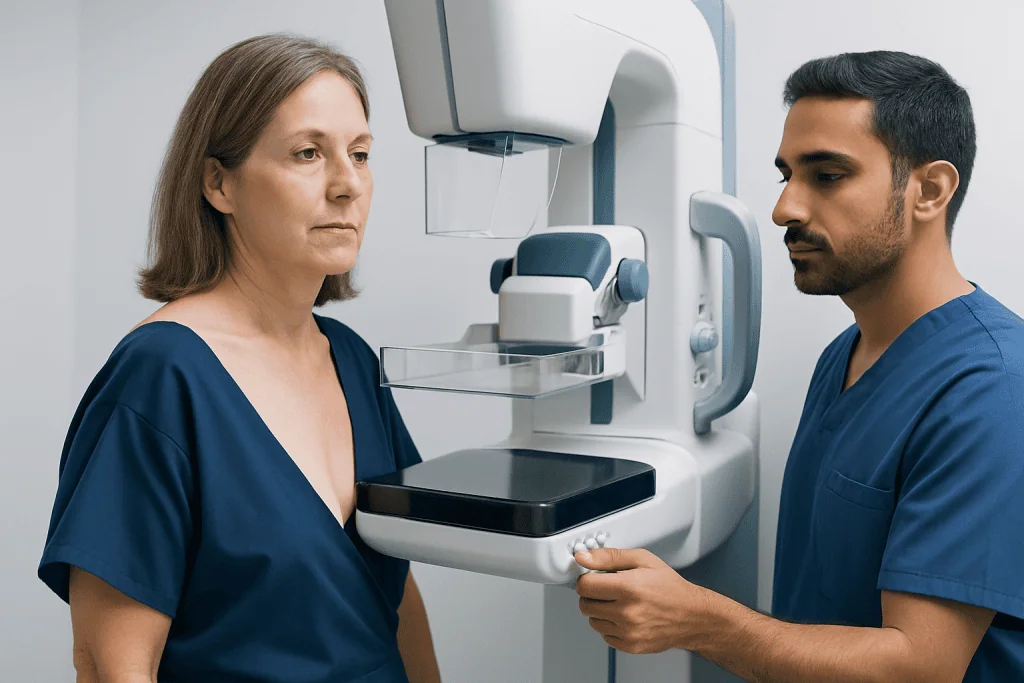
Stage 2 breast cancer is a serious diagnosis that needs prompt specialist care, but it is not the same as metastatic breast cancer. It is generally treated with curative intent because there is no known spread to distant parts of the body. Many people complete treatment successfully and continue with regular follow-up afterward.
Individual outlooks can differ substantially. A smaller hormone receptor-positive tumor with no or minimal lymph node involvement may behave differently from a faster-growing, triple-negative or HER2-positive cancer. The pathology report and imaging results allow the care team to explain the cancer’s specific features and the treatments most likely to help.
It can be helpful to ask for a written treatment plan, clarification about the treatment sequence, and support for emotional and practical concerns. Bringing a trusted family member or friend to appointments, when possible, may also make discussions easier to follow.
Candidacy and tests before treatment
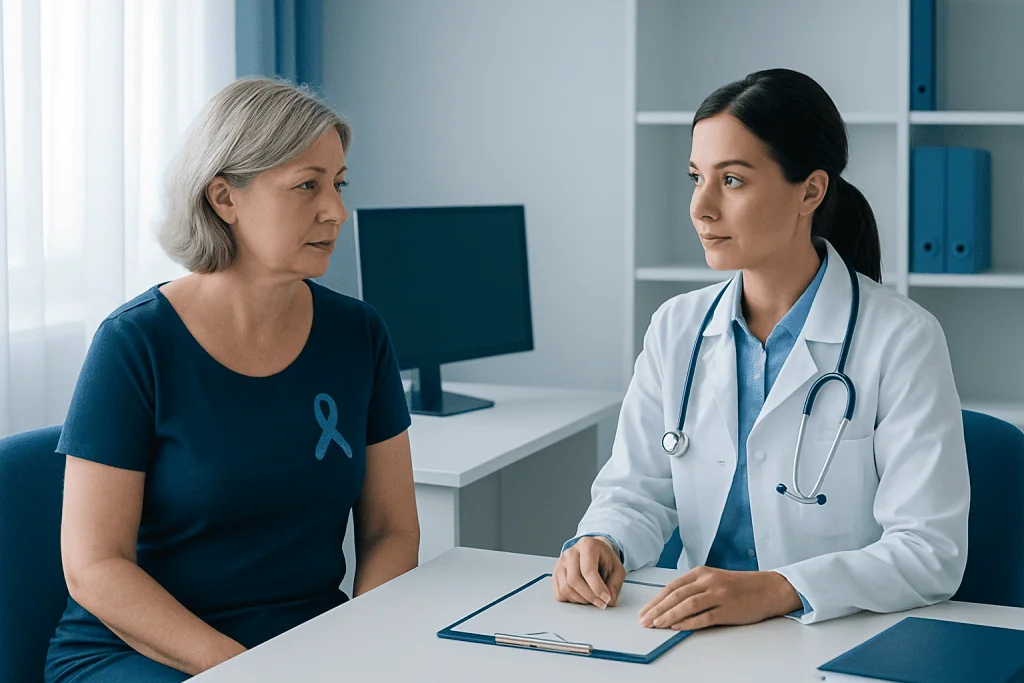
Most people with confirmed stage 2 invasive breast cancer are candidates for a combination approach. Before treatment begins, the team confirms the diagnosis through a biopsy and evaluates the breast and lymph nodes with imaging. Mammography and ultrasound are common; breast MRI may be useful for selected patients, such as when the full extent of cancer is unclear or when there is a higher inherited risk.
The biopsy is tested for estrogen and progesterone receptors and HER2. These results are central to treatment decisions. Hormone receptor-positive cancers may respond to endocrine therapy, while HER2-positive cancers may benefit from HER2-targeted medicines. For triple-negative breast cancer, chemotherapy is often an important component, and immunotherapy may be considered in certain higher-risk cases.
Some patients are offered genetic counseling and testing, especially when breast cancer occurs at a younger age, there is a strong family history, there are related cancers in the family, or tumor features suggest an inherited cancer syndrome. Genetic results can sometimes affect surgery choices and help guide screening for relatives.
- General health, heart function and other medical conditions may influence medicine selection.
- Fertility preservation should be discussed before chemotherapy when future pregnancy is important.
- Pregnancy requires specialized planning that balances maternal treatment needs with fetal safety.
Treatment step by step: surgery, medicines and radiation
For some patients, surgery is the first treatment. Options may include breast-conserving surgery (lumpectomy) followed by radiation therapy, or mastectomy. Both can be effective options for appropriately selected cancers. The choice depends on tumor size and location, breast size, more than one area of cancer, previous radiation, genetic findings, medical factors and patient preference. Breast cancer treatment plans should be individualized after a full discussion with the breast team.
During surgery, the surgeon also assesses underarm lymph nodes. Sentinel lymph node biopsy removes one or a few first-draining nodes for testing. If cancer is found in these nodes, further lymph node treatment may involve additional surgery, radiation, or both, depending on the findings and the overall treatment plan.
In other cases, medicines are given before surgery, called neoadjuvant therapy. This is often used for HER2-positive or triple-negative cancers and may be recommended when the tumor is large relative to the breast or lymph nodes are involved. Shrinking the tumor first can make breast-conserving surgery more feasible and shows how the cancer responds to treatment. After surgery, pathology results guide any additional treatment.
Chemotherapy may be used before or after surgery. Radiation is commonly given after lumpectomy and may be advised after mastectomy when there are higher-risk features. Hormone therapy is usually recommended for hormone receptor-positive cancer and is taken for years. HER2-targeted treatment is commonly continued after surgery for HER2-positive disease, with the exact regimen based on response and pathology.
Is chemo worth it for Stage 2 breast cancer?
Chemotherapy can be very worthwhile for stage 2 breast cancer when it meaningfully reduces the risk of recurrence or helps shrink a tumor before surgery. It is particularly common for triple-negative and HER2-positive cancers, as well as for some hormone receptor-positive cancers with higher-risk features. However, it is not automatically needed for every person with stage 2 disease.
For certain hormone receptor-positive, HER2-negative cancers, doctors may use genomic testing on the tumor to estimate whether chemotherapy is likely to add benefit beyond hormone therapy. This can help some patients avoid chemotherapy when its expected benefit is small. Test suitability depends on factors such as menopausal status, tumor characteristics and lymph node findings.
Common chemotherapy effects can include tiredness, nausea, hair loss, mouth sores, lowered blood counts, infection risk, numbness or tingling in hands and feet, and changes in concentration or memory. Many effects are temporary and can be managed with supportive care, although some may persist. The oncology team monitors blood tests and symptoms closely and can adjust treatment when needed.
Benefits, risks and recovery timeline
The main benefit of combined stage 2 breast cancer treatment is a lower likelihood of cancer remaining or returning. Surgery removes the visible tumor, while systemic treatments address microscopic cancer cells that cannot be seen on scans. Radiation lowers the chance of cancer returning in the treated breast, chest wall or regional lymph node areas when indicated.
Recovery after lumpectomy is often measured in days to a few weeks, while recovery after mastectomy may take several weeks or longer, particularly if reconstruction is performed. Temporary pain, swelling, bruising, stiffness and altered breast or underarm sensation are common. Gentle arm exercises and guidance from a physiotherapist can support shoulder movement and daily functioning.
Treatment-related risks depend on the therapies used. Surgery can cause infection, bleeding, fluid collection and changes in breast appearance or sensation. Lymph node procedures and radiation can contribute to lymphedema, or long-term arm swelling, although the individual risk varies. Radiation may cause skin irritation and fatigue, while some systemic therapies require heart monitoring or have other organ-specific risks.
Regular follow-up helps identify and manage concerns early. New or worsening arm swelling, fever, wound redness, shortness of breath, chest pain, severe diarrhea, dehydration or signs of infection during chemotherapy should be reported promptly to the treatment team.
How long does it take to treat Stage 2 breast cancer?
Active treatment for stage 2 breast cancer often takes several months, but the exact schedule depends on the treatment sequence and cancer subtype. When chemotherapy is given first, it may take several months before surgery. Surgery and healing follow, and radiation therapy is often scheduled afterward if needed.
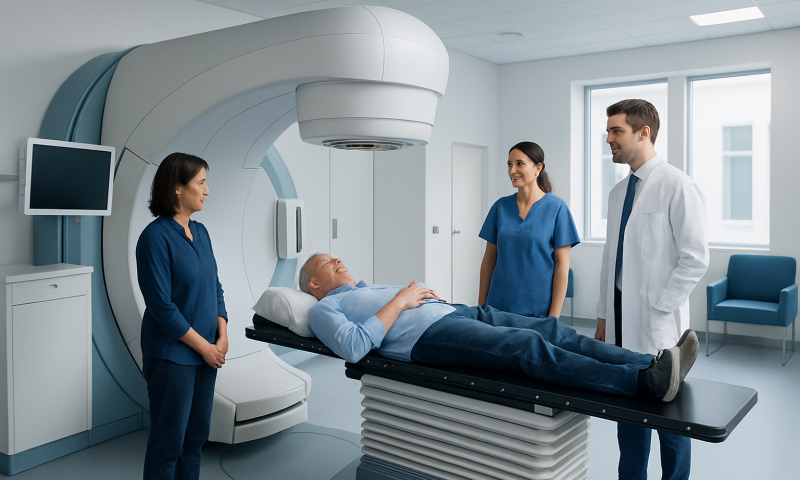
Radiation is usually delivered on weekdays over a defined course that may range from a few weeks to longer in selected situations. HER2-targeted treatment may continue for many months in total. Hormone therapy for hormone receptor-positive cancer is typically taken for several years, so treatment and follow-up are better understood as a longer-term care pathway rather than a single event.
People can often return gradually to usual activities during and after treatment, though energy levels may fluctuate. The team can advise about work, driving, exercise, travel, nutrition, sexual health and practical support based on the individual treatment plan.
Is Stage 2 breast cancer 100% curable?
No treatment can promise a 100% cure for every person with stage 2 breast cancer. However, stage 2 disease is commonly treated with curative intent, and modern treatments can substantially reduce the chance of recurrence. The most accurate outlook comes from combining stage with tumor biology, lymph node findings, response to treatment, age, general health and other individual factors.
It is understandable to want a single percentage, but broad survival figures cannot predict what will happen to one person. A treating oncologist can explain what is known about the specific cancer, how recommended treatments reduce risk, and what follow-up will involve. Regular monitoring remains important even after active treatment ends.
Healthy habits such as avoiding tobacco, limiting alcohol, staying physically active as able, eating a balanced diet and attending follow-up appointments support general health. They do not replace cancer treatment, but they can be meaningful parts of recovery and long-term wellbeing.
When to seek medical care
Anyone who notices a new breast lump, persistent breast or underarm thickening, skin dimpling, nipple inversion that is new, bloody nipple discharge, unexplained breast swelling or a change in breast shape should arrange a medical assessment. Most breast changes are not cancer, but prompt evaluation is the safest way to identify the cause.
A person already receiving treatment should contact their oncology team urgently for a fever or symptoms of infection, uncontrolled vomiting, severe weakness, unexpected bleeding, sudden breathing difficulty, chest pain, or rapidly increasing swelling or pain. The care team will provide specific contact instructions based on the treatments being used.
Acibadem International’s multidisciplinary specialists and JCI-accredited hospitals diagnose and treat breast cancer for international patients, with treatment plans tailored to pathology findings and individual needs.
Frequently asked questions
What does stage 2 breast cancer mean?
Stage 2 breast cancer is an invasive cancer that is larger than many stage 1 cancers and/or has spread to a limited number of nearby lymph nodes. It has not been found to have spread to distant organs. Exact stage grouping is determined using tumor size, lymph nodes and other pathology information.
Can stage 2 breast cancer be treated without mastectomy?
Yes, many people can have breast-conserving surgery followed by radiation therapy instead of mastectomy. Whether this is suitable depends on the size and location of the tumor, breast size, number of tumor areas, genetic findings and personal preference. A breast surgeon can explain both options clearly.
Will everyone with stage 2 breast cancer need radiation therapy?
Radiation is usually recommended after breast-conserving surgery. It may also be recommended after mastectomy when the tumor, lymph node findings or other features indicate a higher local recurrence risk. The radiation oncologist tailors the recommendation to the individual case.
Can chemotherapy be given before surgery for stage 2 breast cancer?
Yes. Chemotherapy before surgery is called neoadjuvant chemotherapy and is commonly used for some HER2-positive and triple-negative breast cancers. It may shrink the tumor, help guide later treatment and sometimes allow breast-conserving surgery.
How is hormone therapy used in stage 2 breast cancer?
Hormone therapy is used when cancer cells have estrogen and/or progesterone receptors. It reduces the effect of hormones that can stimulate these cancer cells and is commonly taken after surgery and other treatments for several years. The medicine choice depends partly on menopausal status and medical history.
What follow-up is needed after treatment for stage 2 breast cancer?
Follow-up usually includes regular clinical visits, review of treatment effects and breast imaging when appropriate. Mammograms are commonly continued after breast-conserving surgery and for the remaining breast after unilateral mastectomy. Additional scans or blood tests are not routinely needed without symptoms or specific clinical reasons.
References
- National Cancer Institute
- American Cancer Society
- National Comprehensive Cancer Network
- European Society for Medical Oncology
- World Health Organization
This article is for general information only and is not a substitute for professional medical advice. Please consult a qualified doctor about your individual situation.
Breast Cancer in Turkey — costs, top hospitals & a free quote
JCI-accredited · board-certified surgeons · reply within 24h

Hematology Department
17 specialists in this unitMore from the Health Library


Related Specialists

Dr. Burcu Kesmez Evirgen
Pediatrics
Dr. Sebiha Nihal Yılmaz
Oral Dental and Maxillofacial Surgery
Dr. Berkun Koncay
Pediatrics
Prof. Dr. Gül Esen İçten
Breast Clinic Clinical Service