Acne Scars Topical: What Patients Need to Know

Topical products may improve acne-related marks and mild textural changes, but deeper scars often need procedures. It is important to tell the difference between discoloration after acne and true depressed or raised scars.
Key Takeaways
- Topical products may improve acne-related marks and mild textural changes, but deeper scars often need procedures.
- It is important to tell the difference between discoloration after acne and true depressed or raised scars.
- Ingredients such as retinoids, azelaic acid, alpha hydroxy acids, and sunscreen are commonly used in acne scar care plans.
- Daily sun protection helps prevent acne marks from becoming darker and supports better treatment results.
- A dermatologist can match treatment to scar type and skin tone to reduce irritation and avoid unnecessary delay.
Acne scars topical treatments can support smoother skin and help fade post-acne discoloration, but they do not work the same way for every scar. The best approach depends on whether the concern is a true scar, a dark mark, redness, or ongoing acne that keeps creating new damage.
Overview: Can topical treatments help acne scars?
Acne scars topical treatments can help, but their benefits depend on what the skin is actually showing. If the concern is lingering dark spots, redness, or very mild uneven texture after acne, topical care may noticeably improve the skin over time. If the concern is a deeper depressed scar or a raised scar, creams and gels alone are usually limited and a doctor may recommend office-based treatments as well.
Many people use the phrase “acne scars” for several different problems. Some are true scars caused by damage to deeper skin structures. Others are post-inflammatory marks, such as brown discoloration or red patches, that are not permanent scars and often respond better to topical treatment. Knowing this difference helps set realistic expectations and avoids frustration.
A patient-friendly treatment plan often has two goals at once: prevent new acne and improve existing marks or scars. This is important because active breakouts can continue to trigger inflammation, delay healing, and create new scars. In that sense, the best acne scars topical strategy is often part of a broader skin care plan rather than a single product.
Understanding the different kinds of acne marks and scars
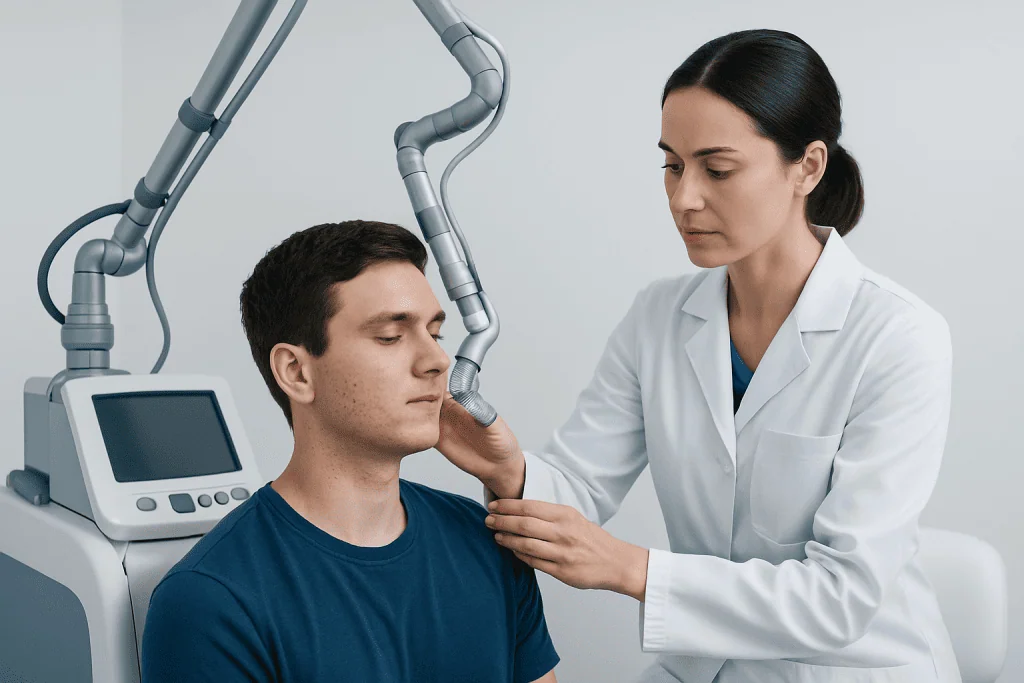
True acne scars are usually divided into atrophic scars and hypertrophic or <a href="https://acibademinternational.com/diseases/keloid-scars/”>keloid scars. Atrophic scars are the most common on the face and appear as depressions in the skin. They include ice-pick scars, boxcar scars, and rolling scars. Raised scars are less common on the face but can develop on the chest, shoulders, jawline, or back.
Post-inflammatory hyperpigmentation refers to dark or brown marks left after inflammation settles. Post-inflammatory erythema refers to red or pink marks that are more common in lighter skin tones. These changes are not the same as structural scars, and they often respond better to daily topical care, especially when sun protection is used consistently.
Because different concerns can appear together, a person may need more than one treatment method. For example, a retinoid may support collagen remodeling and help keep pores clear, while another product may target pigmentation. If acne is still active, treatment of acne itself becomes an important part of scar prevention and long-term improvement.
Which topical ingredients are commonly used?
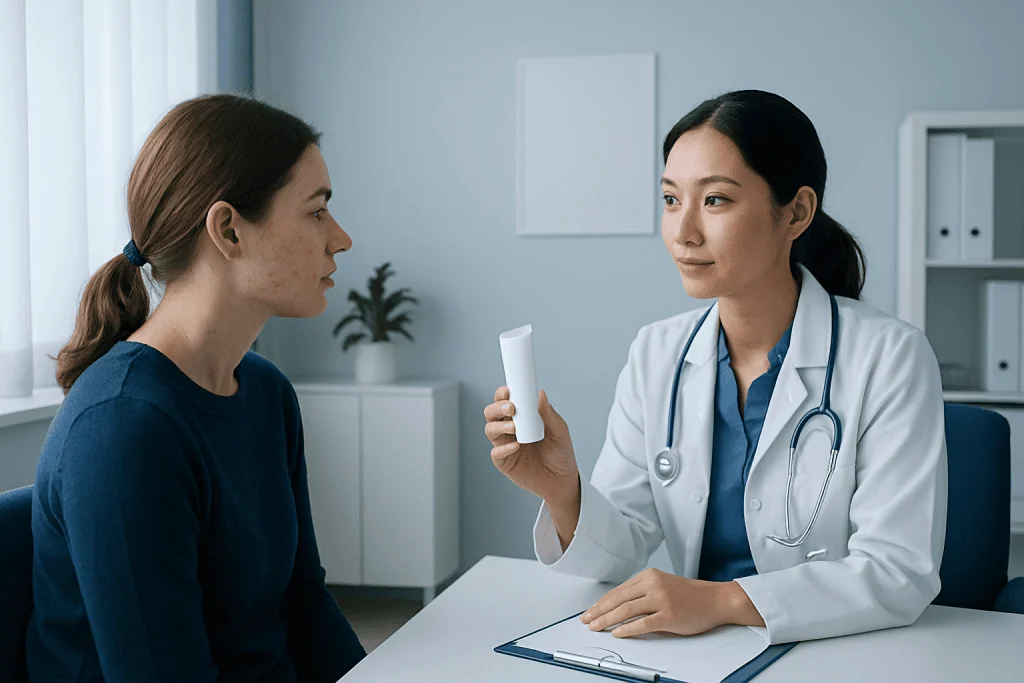
Retinoids are among the most widely used topical ingredients in acne and post-acne care. Prescription retinoids and some over-the-counter retinoid products can help normalize skin cell turnover, reduce clogged pores, and gradually improve mild textural irregularity. They may also support collagen remodeling over time, which is why they are often included in long-term plans for acne-prone skin.
Azelaic acid is another commonly used option, especially when discoloration is part of the concern. It may help calm inflammation, support clearer pores, and improve uneven tone after acne. Alpha hydroxy acids, such as glycolic or lactic acid, can gently exfoliate the skin surface and may help with dullness and superficial post-acne marks when introduced carefully.
Other products may include niacinamide, salicylic acid, or carefully selected pigment-targeting ingredients. However, stronger is not always better. Layering too many active ingredients can irritate the skin, worsen redness, or trigger more pigmentation in some people. A simple routine used consistently is often safer and more effective than frequent switching.
- Retinoids: support skin renewal and may improve mild texture changes
- Azelaic acid: often used for post-acne discoloration and inflammation
- Alpha hydroxy acids: may help surface texture and uneven tone
- Niacinamide: may support barrier function and reduce visible redness
- Sunscreen: essential to prevent darkening of marks and protect healing skin
What topical products usually cannot do
Topical treatments have real value, but they also have limits. They generally do not lift deep ice-pick scars, fully correct rolling scars caused by tethering under the skin, or flatten more established raised scars on their own. When a scar changes the architecture of the deeper skin, office-based treatment is often needed to meaningfully improve appearance.
This does not mean topical care is unnecessary. In many cases, topical therapy prepares the skin, maintains results, and reduces the chance of new marks forming. It can also complement procedural care by improving surrounding skin quality and helping manage active acne.
Patients may see online claims that a cream can “erase” acne scars completely. A more realistic approach is to think in terms of gradual improvement. For deeper scars, a dermatologist may discuss options such as laser treatment or other scar-focused procedures, often alongside topical skin care for best overall results.
How doctors evaluate acne scars and choose treatment
Diagnosis usually begins with a close look at the skin under good lighting and, when needed, magnification. The doctor will assess whether the main issue is active acne, pigmentation, redness, depressed scars, raised scars, or a combination. Skin tone, acne history, previous treatments, pregnancy status, and sensitivity also matter because they affect both safety and treatment choice.
Not every patient needs the same plan. Someone with mild post-acne marks may improve with a topical routine and sun protection alone. Another person with deeper scars may do best with combination care that includes procedures such as chemical peel sessions, microneedling, or energy-based treatments. The goal is not to over-treat but to match therapy to the actual problem.
Doctors also consider the risk of irritation and post-inflammatory pigment change, especially in darker skin tones or in people with sensitive skin. A gradual, well-supervised plan can help reduce these risks. If the concern includes unusual scarring patterns or persistent inflammation, a dermatologist may also look for related skin conditions rather than assuming acne is the only cause.
Treatment options beyond topical care
When topical treatment is not enough, several in-office procedures may be considered. Chemical peels can help some superficial marks and improve overall tone. Microneedling may support collagen production for certain atrophic scars. Lasers and light-based approaches can target texture, redness, or pigmentation depending on the device and the person’s skin type.
Some patients benefit from techniques that directly address the shape of a scar, such as subcision for tethered rolling scars or targeted treatments for individual depressed scars. Raised scars may be managed with other dermatologist-directed approaches. Combination therapy is common because acne scarring is rarely one single problem.
For people with ongoing severe acne or broader skin concerns, care may overlap with other dermatologic treatments, including skin rejuvenation strategies aimed at improving overall skin texture and appearance. Near the end of the care pathway, a center such as Acibadem International may support international patients with evaluation and treatment through multidisciplinary specialists in JCI-accredited hospitals.
Self-care habits that support better results
Daily habits can make a meaningful difference. Gentle cleansing, regular moisturizing, and broad-spectrum sunscreen use are the foundation of most plans. Sun exposure can darken post-acne marks and make progress harder to see, so consistent protection is one of the most practical steps a person can take.
Picking, squeezing, or repeatedly touching spots increases inflammation and raises the chance of scars and discoloration. Trying too many harsh products at once can have a similar effect by damaging the skin barrier. A slow approach is usually better, especially when starting retinoids or exfoliating acids.
It also helps to manage active breakouts early instead of waiting for them to “burn out.” The sooner inflammation is controlled, the lower the risk of lasting marks. If over-the-counter products are not helping after a reasonable trial, a qualified doctor can review the routine and recommend a safer, more effective plan.
- Use sunscreen every day, even when treating dark marks
- Avoid picking or scrubbing acne lesions
- Introduce active ingredients one at a time
- Moisturize regularly to support the skin barrier
- Seek treatment for ongoing acne to help prevent new scars
When to seek medical care
Medical care is worth seeking when acne scars or marks are affecting confidence, not improving with routine skin care, or appearing alongside active acne that continues to flare. A professional assessment is especially helpful when the skin has deeper pits, broad depressed areas, thick raised scars, or discoloration that seems to linger for many months.
A doctor should also be consulted if topical products are causing significant stinging, swelling, peeling, worsening dark spots, or other signs of irritation. These reactions may mean the routine is too strong, the products are not being used correctly, or another skin condition is present.
People who are pregnant, planning pregnancy, have very sensitive skin, or have a history of keloids should ask for medical guidance before starting scar treatments. Early advice can help prevent complications and create a plan that is both effective and appropriate for the person’s skin type and goals.
Frequently asked questions
Can acne scars topical products remove scars completely?
Topical products usually do not remove deeper acne scars completely. They may help fade post-acne discoloration, improve mild uneven texture, and support healthier skin over time. More established depressed or raised scars often need dermatologist-guided procedures for clearer improvement.
What is the difference between acne scars and acne marks?
Acne marks are usually color changes left after inflammation, such as red or brown spots. True scars involve a structural change in the skin, creating depressions or raised areas. This distinction matters because marks often respond better to creams than deeper scars do.
How long do topical treatments for acne scars take to work?
Improvement is usually gradual and often takes several weeks to months. The exact timeline depends on the ingredient, the consistency of use, sun protection habits, and whether the concern is discoloration or true scarring. A doctor can help set realistic expectations based on the scar type.
Are retinoids good for acne scars topical treatment?
Retinoids are commonly used because they help skin cell turnover and may gradually improve mild textural changes while also treating acne. They are often part of a broader plan rather than a complete solution on their own. Because they can irritate the skin, they should be started carefully and used as directed.
Can over-the-counter products help with acne scars?
Yes, over-the-counter products may help with post-acne marks and mild surface unevenness. Ingredients such as sunscreen, azelaic acid, alpha hydroxy acids, niacinamide, and some retinoid products can be useful. However, if scarring is deeper or not improving, medical evaluation is often the better next step.
Is sunscreen really necessary when treating acne scars?
Yes, sunscreen is a key part of acne scar and acne mark care. Sun exposure can make dark marks more noticeable and can slow visible improvement. Daily broad-spectrum protection also helps reduce irritation from active treatment products.
References
- American Academy of Dermatology
- National Institute of Arthritis and Musculoskeletal and Skin Diseases
- Mayo Clinic
- British Association of Dermatologists
- American Academy of Family Physicians
This article is for general information only and is not a substitute for professional medical advice. Please consult a qualified doctor about your individual situation.
Acne in Turkey — costs, top hospitals & a free quote
JCI-accredited · board-certified surgeons · reply within 24h