Anal Discharge — Explained by Medical Evidence, Not Myths

Anal discharge is a symptom, not a disease itself. Common causes include irritation, hemorrhoids, infections, fistulas, and inflammatory bowel conditions.
Key Takeaways
- Anal discharge is a symptom, not a disease itself.
- Common causes include irritation, hemorrhoids, infections, fistulas, and inflammatory bowel conditions.
- The color, smell, and amount of discharge, along with pain or bleeding, can help guide diagnosis.
- Persistent, painful, bloody, or pus-like discharge should be assessed by a doctor.
- Treatment depends on the cause and may range from skin care and medicines to procedures or surgery.
Anal discharge means fluid, mucus, pus, or stool-like leakage coming from the anus. It is a symptom rather than a diagnosis, and medical evaluation can help identify whether the cause is minor irritation or a condition that needs treatment.
What anal discharge means
Anal discharge refers to any unexpected fluid coming from the anus. It may look like clear or cloudy mucus, yellow or green pus, blood-stained fluid, or stool-like leakage. Some people notice staining in underwear, moisture around the anus, itching, or a feeling that the area is not fully clean even after wiping.
Medical evidence shows that anal discharge can happen for several different reasons. Sometimes it is linked to temporary irritation of the anal skin or rectum. In other cases, it can be a sign of hemorrhoids, infection, an anal fistula, proctitis, or a bowel condition such as Crohn’s disease. Because the causes vary, the symptom is best understood by looking at the whole pattern of symptoms rather than by myths or assumptions.
Many people feel embarrassed about this symptom and delay care. However, doctors assess anal discharge regularly and can usually narrow down the cause with a careful history, physical examination, and, when needed, a few targeted tests. Early evaluation often helps relieve symptoms sooner and can prevent ongoing skin irritation or complications.
How anal discharge can look and feel
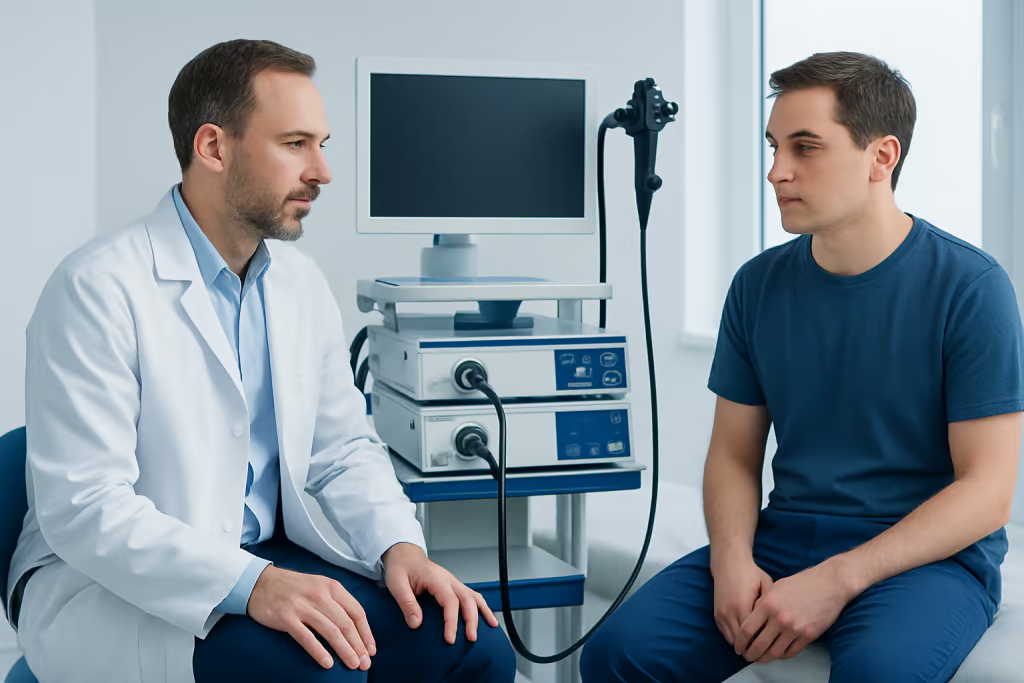
The details of the discharge often give useful clues. Mucus is usually clear, white, or slightly yellow and may occur with irritation, inflammation, or bowel disorders. Pus-like discharge can suggest infection or an abscess that is draining. Bloody discharge may occur with inflamed hemorrhoids, fissures, proctitis, or other conditions affecting the lower bowel. Brown staining may represent stool leakage rather than true mucus or pus.
Associated symptoms matter just as much as the appearance. People may have itching, burning, anal pain, swelling, a lump, bleeding, diarrhea, constipation, urgency, or trouble controlling gas or stool. Some feel pressure in the rectum, while others notice discharge after a bowel movement or after prolonged sitting.
A clinician will also ask whether the symptom is constant or intermittent, new or long-standing, and whether it follows diarrhea, infection, injury, recent antibiotics, or sexual exposure. This broader pattern helps distinguish conditions affecting the skin around the anus from problems deeper in the rectum or bowel.
- Clear or white mucus may be linked to irritation or inflammation.
- Yellow or green discharge may suggest infection.
- Blood-stained discharge should always be evaluated.
- Foul-smelling drainage can occur with abscesses or fistulas.
- Stool leakage may point to incontinence or incomplete bowel emptying.
Common causes and risk factors

Anal discharge has many possible causes, and several are treatable. Irritation of the anal skin can result from frequent wiping, diarrhea, sweating, harsh soaps, or leakage of small amounts of stool. Enlarged or inflamed hemorrhoids can produce mucus and moisture. Anal fissures, which are small tears in the lining of the anus, may also lead to discomfort and minor discharge.
Infections are another important cause. These may involve the skin, anal glands, rectum, or sexually transmitted infections that affect the rectal lining. An anal abscess can cause pain, swelling, fever, and pus. If an abscess creates a tunnel from inside the anus to the skin, it becomes an anal fistula, which often causes ongoing drainage. This is one reason persistent or recurrent discharge deserves medical attention.
Inflammatory conditions can also be responsible. Proctitis is inflammation of the rectum and may occur with inflammatory bowel disease, infection, radiation treatment, or autoimmune disease. Conditions such as ulcerative colitis and Crohn’s disease may cause mucus, bleeding, urgency, and abdominal symptoms. Some people instead have stool leakage related to weakened pelvic floor muscles, nerve problems, childbirth injury, prior surgery, or chronic diarrhea.
Risk factors depend on the underlying cause but can include chronic constipation or diarrhea, straining, a history of anal abscess, inflammatory bowel disease, rectal infections, anal intercourse, previous pelvic radiation, diabetes, or reduced immune function. Because there is overlap among causes, self-diagnosis is often unreliable.
How doctors diagnose the cause
Diagnosis starts with a detailed conversation about symptoms, bowel habits, medications, skin care products, past anorectal problems, infections, and general health. The doctor may ask when the discharge began, what it looks like, whether it has an odor, and whether there is pain, bleeding, diarrhea, weight loss, fever, or loss of bowel control.
A physical examination usually includes inspection of the skin around the anus to look for irritation, hemorrhoids, fissures, openings from a fistula, swelling, or signs of infection. A digital rectal examination may be performed to assess tenderness, muscle tone, and masses. Depending on the findings, the doctor may recommend an anoscopy or sigmoidoscopy to view the anal canal and rectum more directly.
Further tests are chosen only when they are likely to help. These can include stool tests, swabs for infection, blood tests, imaging to assess an abscess or fistula, or a colonoscopy if there is concern for inflammatory bowel disease, bleeding from the lower bowel, or ongoing unexplained symptoms. In some cases, evaluation by a specialist in gastroenterology or colorectal surgery is appropriate. Procedures such as colonoscopy or advanced bowel imaging can help clarify the diagnosis when symptoms suggest disease higher in the colon.
Treatment options based on the cause
Treatment for anal discharge depends entirely on why it is happening. If the main issue is skin irritation or minor leakage, gentle cleansing, moisture control, barrier creams, dietary changes, and treatment of constipation or diarrhea may be enough. Doctors often advise avoiding fragranced wipes, strong soaps, and excessive rubbing, all of which can worsen irritation.
If hemorrhoids are contributing, treatment may focus on softer stools, better toilet habits, anti-inflammatory measures, and, in some cases, office-based procedures or surgery. Infections may require antibiotics or drainage if an abscess is present. Ongoing drainage from a fistula often needs specialist treatment, which may include imaging and surgery. For suitable cases, treatment such as hemorrhoid surgery or anal fistula surgery may be recommended after careful assessment.
When inflammation of the rectum or bowel is the cause, treatment is directed at the underlying disease. This may include medications to reduce inflammation, treat infection, or improve bowel control. If stool leakage is involved, pelvic floor rehabilitation, bowel habit training, or management of diarrhea can help. People with persistent symptoms should avoid over-the-counter products aimed at “drying” the area unless advised by a clinician, as some products can irritate sensitive skin.
Specialist care is especially helpful when symptoms recur, interfere with daily life, or are linked to pain, bleeding, or weight loss. Near the end of the care pathway, some patients may be managed by gastroenterology and colorectal teams working together. Acibadem International’s multidisciplinary specialists in JCI-accredited hospitals diagnose and treat anorectal and bowel conditions for international patients when advanced evaluation is needed.
Self-care and prevention
Not every case of anal discharge can be prevented, but practical self-care can reduce irritation and support treatment. The area should be cleaned gently with water or mild, fragrance-free cleansers, then patted dry rather than rubbed. Breathable cotton underwear and prompt changing after sweating can also help reduce moisture.
Bowel habits play a major role. Adequate fiber and fluids may help people who strain or pass hard stools, while tailored dietary adjustments can help those with loose stools. It is usually best to avoid sitting on the toilet for long periods and to respond to the urge to pass stool without repeated straining. If a food seems to worsen diarrhea or urgency, a clinician or dietitian can help identify patterns safely.
People prone to leakage may benefit from skin-protective barrier creams and absorbent liners while the cause is being evaluated. However, self-care should not replace proper diagnosis when discharge is ongoing. Repeated use of medicated creams without knowing the cause may delay effective treatment.
- Use gentle cleaning and keep the area dry.
- Avoid perfumed wipes, harsh soaps, and vigorous scrubbing.
- Manage constipation or diarrhea with medical guidance.
- Seek treatment early for pain, swelling, fever, or recurrent drainage.
When to seek medical care
Medical care is advisable if anal discharge lasts more than a short time, keeps coming back, or is bothersome enough to affect comfort, hygiene, sleep, or daily activities. It is also important to arrange assessment if the discharge is pus-like, foul-smelling, blood-stained, or associated with a new lump, persistent itching, or leakage of stool.
Urgent medical attention is needed if there is severe anal pain, rapidly increasing swelling, fever, chills, heavy bleeding, marked weakness, or signs of dehydration. These features can suggest an abscess, significant infection, or another condition that should not be managed at home.
Anyone with anal discharge plus abdominal pain, chronic diarrhea, weight loss, or symptoms that suggest a bowel disorder should be evaluated more fully. In these situations, clinicians may investigate for rectal inflammation or diseases such as ulcerative colitis. Seeking advice early is the best way to replace uncertainty with a clear diagnosis and an appropriate treatment plan.
Frequently asked questions
Is anal discharge always a sign of infection?
No. Anal discharge can happen with irritation, hemorrhoids, inflammatory conditions, and stool leakage as well as infection. Infection is more likely if the discharge is pus-like, foul-smelling, or linked to pain, swelling, or fever.
Can hemorrhoids cause anal discharge?
Yes. Hemorrhoids can sometimes cause mucus, moisture, and difficulty keeping the area clean, especially if they are inflamed or prolapsing. A doctor can help confirm whether hemorrhoids are the main cause or whether another condition is present.
What color of anal discharge is concerning?
Any persistent discharge should be assessed, but blood-stained, yellow, green, or foul-smelling discharge deserves particular attention. These patterns can suggest bleeding, infection, or a fistula and should not be ignored.
Can anal discharge go away on its own?
Sometimes it can, especially if it is related to short-term irritation or diarrhea. However, if it continues, returns, or is associated with pain, bleeding, or fever, a medical evaluation is important to identify the cause.
How is anal discharge diagnosed?
Diagnosis usually begins with a medical history and physical examination of the anal area. Depending on symptoms, doctors may use swabs, stool tests, blood tests, anoscopy, imaging, or colonoscopy to look for inflammation, infection, hemorrhoids, or fistulas.
Should a person avoid certain products if they have anal discharge?
Yes. Fragranced wipes, harsh soaps, deodorizing sprays, and frequent scrubbing can irritate the skin and make symptoms worse. Gentle cleaning, careful drying, and simple barrier protection are usually safer while awaiting medical advice.
References
- National Institute of Diabetes and Digestive and Kidney Diseases
- American Society of Colon and Rectal Surgeons
- Mayo Clinic
- National Health Service
- Merck Manual Consumer Version
This article is for general information only and is not a substitute for professional medical advice. Please consult a qualified doctor about your individual situation.
Explore treatments in Turkey — costs, top hospitals & a free quote
JCI-accredited · board-certified surgeons · reply within 24h