Aortic Stenosis Treatment: How It Works, Results and What to Expect

Mild aortic stenosis may be monitored, while severe or symptomatic disease usually requires valve replacement. Transcatheter aortic valve replacement (TAVR) uses a catheter, whereas surgical aortic valve replacement requires heart surgery.
Key Takeaways
- Mild aortic stenosis may be monitored, while severe or symptomatic disease usually requires valve replacement.
- Transcatheter aortic valve replacement (TAVR) uses a catheter, whereas surgical aortic valve replacement requires heart surgery.
- Medication can help manage related conditions and symptoms but cannot reverse a severely narrowed valve.
- New chest pain, fainting, increasing breathlessness, or sudden deterioration needs urgent medical assessment.
- Follow-up imaging and lifelong heart care remain important after a valve procedure.
Aortic stenosis treatment is designed to restore blood flow through a narrowed aortic valve, most often by replacing the valve with a catheter-based procedure or open-heart surgery. The right approach depends on symptom severity, valve anatomy, overall health, age, and the person’s preferences after careful heart-team assessment.
Aortic Stenosis Treatment: How It Works
Aortic stenosis treatment addresses narrowing of the aortic valve, the valve that controls blood flow from the heart’s main pumping chamber into the body. As the valve becomes stiff and does not open fully, the heart must work harder to push blood forward. Treatment aims to relieve this obstruction, reduce symptoms, and help preserve heart function.
For mild disease without symptoms, the safest approach may be regular monitoring rather than an immediate procedure. When stenosis becomes severe, causes symptoms, weakens the heart, or affects daily functioning, valve replacement is usually the effective treatment. Medicines may be used for blood pressure, rhythm problems, fluid retention, or other heart conditions, but they do not open a narrowed valve.
Valve replacement may be performed through a catheter-based procedure called transcatheter aortic valve replacement (TAVR), also known as TAVI, or with surgical aortic valve replacement (SAVR). A cardiologist, cardiac surgeon, imaging specialists, anesthesiologist, and other clinicians typically review the options together so that treatment matches the individual’s clinical needs.
How Quickly Does Aortic Stenosis Get Worse?
Aortic stenosis often develops gradually over years, particularly when it is caused by age-related calcium buildup on the valve. The pace is different for each person. Some people remain stable for a long time, while others progress more quickly because of valve anatomy, kidney disease, other cardiovascular conditions, or changes in heart function.
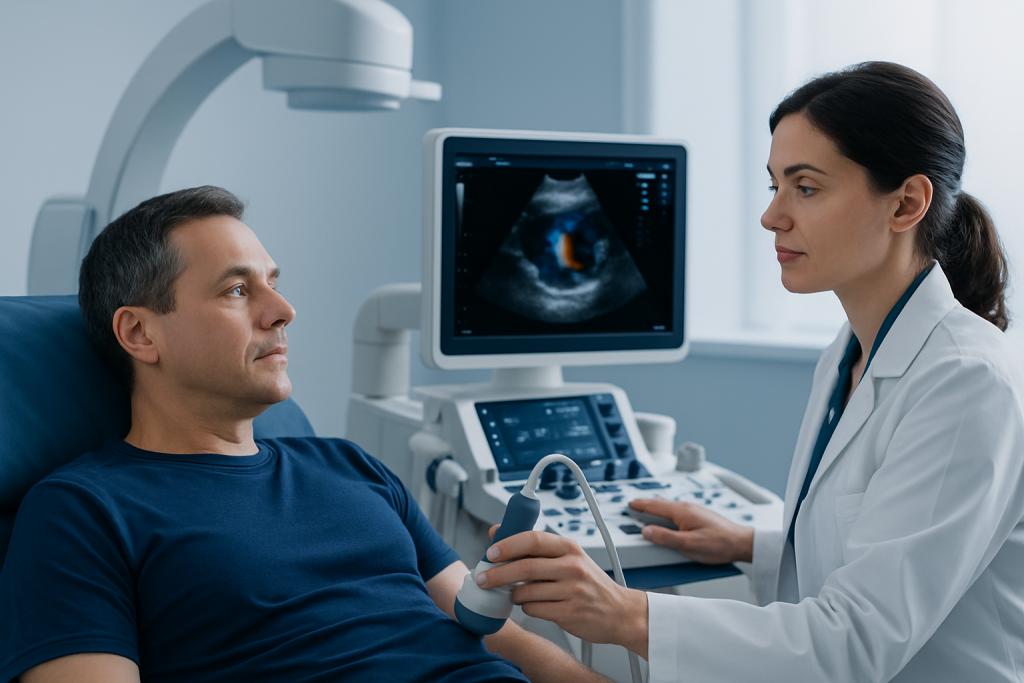
Regular echocardiograms allow clinicians to measure valve narrowing, blood-flow velocity, pressure differences across the valve, and the heart’s pumping performance. The timing of repeat scans depends on whether stenosis is mild, moderate, or severe and whether symptoms are present. Keeping scheduled cardiology visits is important even when a person feels well.
Once severe aortic stenosis causes symptoms, the condition should be assessed promptly. Symptoms can signal that the heart is under increasing strain, and timely valve treatment can be important. No one should wait for symptoms to become disabling before discussing a change in their condition with their care team.
What Are the Signs That Aortic Stenosis Is Progressing?

Progression may cause breathlessness during usual activity, chest pressure or pain with exertion, unusual tiredness, dizziness, fainting, palpitations, or a decline in exercise tolerance. Swelling in the ankles or legs, needing more pillows to sleep comfortably, and waking short of breath can also occur when the heart is struggling to keep up with the valve obstruction.
Symptoms are not always dramatic. A person may gradually avoid hills, stairs, shopping, or walks because these activities feel more difficult than before. Family members may notice reduced stamina, more rest periods, or a change in independence before the person recognizes it themselves.
These symptoms can also have causes other than aortic stenosis, including lung disease, anemia, coronary artery disease, or abnormal heart rhythms. A clinician can determine whether the valve is responsible through an examination, echocardiogram, electrocardiogram, blood tests, and other assessments when needed.
Candidacy and Choosing a Valve Procedure
The decision to replace an aortic valve is based on more than the scan result alone. Clinicians consider stenosis severity, symptoms, left-ventricular function, frailty, other medical conditions, prior heart procedures, kidney function, and the person’s goals. CT imaging is often used to assess the valve and blood vessels, especially when TAVR is being considered.
TAVR places a replacement valve inside the diseased valve using a thin tube, commonly inserted through an artery in the groin. It may be suitable for many people with severe aortic stenosis, including those for whom open surgery carries higher risk. Transcatheter aortic valve replacement can offer a less invasive route for appropriately selected patients.
Surgical aortic valve replacement involves opening the chest to remove the diseased valve and sew in a new one. It may be preferred for some younger patients, people who need additional heart surgery such as bypass surgery, or those whose valve or vessel anatomy is not suitable for TAVR. The replacement valve may be mechanical or biological; each has different long-term considerations, including durability and the possible need for blood-thinning medicine.
What Happens During Aortic Stenosis Treatment?
Before valve replacement, patients undergo imaging, laboratory testing, medication review, and anesthesia planning. The team also evaluates the coronary arteries and discusses practical matters such as recovery support, rehabilitation, and follow-up. Instructions about eating, drinking, and medicines before the procedure should come directly from the treating team.
During TAVR, the clinician guides a catheter to the aortic valve using live X-ray and ultrasound imaging. A new biological valve, mounted on a frame, is expanded within the narrowed native valve. The new valve pushes the old leaflets aside and begins directing blood flow more effectively. The procedure is commonly performed with sedation or anesthesia, depending on the clinical situation.
During surgical valve replacement, the patient receives general anesthesia. The surgeon accesses the heart through the chest, removes the diseased valve, and places a replacement valve. Heart-lung bypass is generally used during the operation. Both procedures involve close monitoring afterward, including heart rhythm, blood pressure, kidney function, mobility, and signs of bleeding or infection.
Recovery, Benefits, Risks and Expected Results
Recovery after TAVR is often shorter than after open surgery. Some people are walking within a day and leave hospital after a brief stay, though recovery varies with age, baseline health, and any complications. After surgical replacement, the hospital stay and healing period are generally longer because the chest and breastbone need time to heal. Cardiac rehabilitation may support a safe return to activity after either approach.
Many people experience improved breathing, energy, and ability to be active after successful valve replacement. Benefits may develop quickly for some and more gradually for others, especially if symptoms have been present for a long time or there are additional heart or lung conditions. Follow-up appointments and echocardiograms check that the valve is functioning well.
Potential risks include bleeding, infection, stroke, kidney injury, abnormal heart rhythms, blood-vessel injury, valve leakage, blood clots, and a need for a permanent pacemaker. Surgery also has risks related to anesthesia and chest healing. The care team explains the individual balance of benefits and risks before treatment and discusses warning signs to watch for during recovery.
Acibadem International’s multidisciplinary specialists at JCI-accredited hospitals assess and treat aortic valve disease for international patients, coordinating cardiology, cardiac surgery, imaging, and rehabilitation when appropriate.
What Is the Success Rate for Treating Aortic Stenosis?
Valve replacement is an established treatment for severe aortic stenosis and usually improves blood flow across the valve. However, it is not accurate to describe one universal success rate because outcomes depend on the procedure used, valve anatomy, age, heart function, other illnesses, urgency of treatment, and whether other heart conditions are present.
For an individual, meaningful outcomes include surviving the procedure, avoiding major complications, improving symptoms and daily activity, maintaining valve function, and achieving a good quality of life. A heart team can discuss expected results using the person’s scans, health history, and procedural risk rather than relying on a general number.
Even after a successful procedure, continued care is essential. People may need antiplatelet or anticoagulant medicines depending on the valve type and other conditions, as well as blood-pressure management, dental hygiene, and periodic imaging. New symptoms should always be reported rather than assumed to be a normal part of recovery.
What Not to Do If You Have Aortic Stenosis?
People with aortic stenosis should not ignore new or worsening breathlessness, chest discomfort, dizziness, fainting, or a noticeable reduction in stamina. They should also avoid changing prescribed heart medicines, stopping blood thinners, or starting over-the-counter medicines and supplements without checking with a clinician, as some products may affect blood pressure, bleeding risk, or kidney function.
Strenuous exertion may be unsafe for people with severe or symptomatic aortic stenosis, particularly if it triggers chest pain, lightheadedness, or breathlessness. The appropriate level of activity is individual. A cardiologist can recommend safe exercise and whether formal cardiac rehabilitation is suitable after treatment.
Good dental care is important because oral infections can, rarely, contribute to heart-valve infection. Patients should tell dentists and other clinicians about their valve condition or replacement valve. They should ask their cardiology team whether preventive antibiotics are recommended before specific procedures.
When to Seek Medical Care
Anyone with a known heart murmur or diagnosed aortic stenosis should seek routine medical review if symptoms change, exercise becomes harder, or prescribed treatment is causing side effects. Prompt contact with a cardiology team is appropriate for increasing breathlessness, chest symptoms, dizziness, fainting, new swelling, or rapid weight gain from fluid retention.
Emergency care is needed for severe or persistent chest pain, fainting, severe difficulty breathing, confusion, blue or gray lips, or sudden weakness or trouble speaking. These symptoms may indicate a serious heart, lung, or neurological emergency and should not be managed at home.
For people diagnosed with aortic stenosis, regular follow-up offers the best opportunity to identify progression before complications develop. Shared decision-making helps patients understand when continued observation is reasonable and when valve replacement should be considered.
Frequently asked questions
Can aortic stenosis be treated without surgery?
Mild aortic stenosis may be managed with regular monitoring and treatment of related conditions such as high blood pressure or heart rhythm problems. However, medicines cannot reverse severe valve narrowing. When severe stenosis causes symptoms or affects heart function, valve replacement is usually the definitive treatment.
Is TAVR better than open-heart valve surgery?
Neither procedure is automatically better for every person. TAVR is less invasive and may allow a faster recovery, while surgical replacement may be more appropriate for certain valve anatomies, younger patients, or people needing other cardiac surgery. A heart team can explain which option fits the individual situation.
How long does it take to recover from aortic valve replacement?
Recovery varies by procedure and personal health. After TAVR, many people recover mobility relatively quickly, although fatigue can persist for several weeks. Recovery after surgical valve replacement is generally longer and may take several weeks to months as the chest heals and strength returns.
Can a person live a normal life after aortic valve replacement?
Many people return to valued daily activities after successful valve replacement and experience improvement in symptoms. Ongoing follow-up remains necessary to monitor the valve, heart rhythm, blood pressure, and other health needs. The expected level of recovery differs according to overall health and any other heart or lung conditions.
What happens if severe aortic stenosis is not treated?
Severe untreated aortic stenosis can place increasing strain on the heart and may lead to worsening breathlessness, chest pain, fainting, heart failure, or dangerous rhythm problems. The outlook is especially concerning once symptoms develop. A prompt specialist review helps determine whether valve replacement is appropriate.
Can exercise make aortic stenosis worse?
Exercise does not usually cause the valve to narrow faster, but strenuous activity can be unsafe if severe aortic stenosis causes symptoms. Chest pain, dizziness, fainting, or marked breathlessness during activity require medical evaluation. A clinician can advise on a safe, individualized activity plan.
References
- American Heart Association
- American College of Cardiology
- European Society of Cardiology
- National Heart, Lung, and Blood Institute
- Mayo Clinic
This article is for general information only and is not a substitute for professional medical advice. Please consult a qualified doctor about your individual situation.
Explore treatments in Turkey — costs, top hospitals & a free quote
JCI-accredited · board-certified surgeons · reply within 24h
Check your numbers in seconds
BMI, calories, due date, blood pressure and 30+ more clinical calculators — free, instant, doctor-reviewed ranges.

More from the Health Library



Related Specialists

Dt. Ceren Güney Güleç
Oral & Dental Health
Assoc. Prof. Dr. İsmail Selçuk
Cardiovascular Surgery
Dr. Begüm Uzsezer Güler
Gynecology & Obstetrics
Assoc. Prof. Dr. Gökhan Ergene
Thoracic Surgery