Arthritis Juvenile Idiopathic Arthritis: Early Signs, Risk Factors, and How It Is Treated

Juvenile idiopathic arthritis causes persistent joint inflammation in children and is not simply “growing pains.” Common early signs include joint swelling, morning stiffness, limping, and reduced activity.
Key Takeaways
- Juvenile idiopathic arthritis causes persistent joint inflammation in children and is not simply “growing pains.”
- Common early signs include joint swelling, morning stiffness, limping, and reduced activity.
- Diagnosis is based on symptoms, examination, blood tests, imaging, and ruling out other conditions.
- Treatment may include physical therapy, anti-inflammatory medicines, and disease-modifying therapies.
- Regular follow-up is important because JIA can affect growth, vision, and long-term joint function.
Medically reviewed by the Acıbadem International Medical Board — July 25, 2026
Arthritis juvenile idiopathic arthritis is a group of inflammatory joint conditions that begin before age 16 and last at least six weeks. With early recognition, careful monitoring, and treatment tailored to the child, many children can control symptoms, stay active, and protect joint health over time.
Overview: what arthritis juvenile idiopathic arthritis means
Arthritis juvenile idiopathic arthritis refers to a group of chronic inflammatory joint disorders that start in childhood, usually before age 16. “Idiopathic” means the exact cause is not fully known. The condition is defined by joint inflammation that lasts at least six weeks and cannot be explained by another disease such as infection, injury, or another autoimmune disorder.
This is not one single illness. Juvenile idiopathic arthritis, often called JIA, includes several subtypes. Some children have only a few joints involved, while others have many joints affected or additional symptoms such as fever, rash, or eye inflammation. Because the pattern can vary, assessment by a pediatric specialist is important.
JIA happens when the immune system becomes overactive and causes inflammation inside the joints. Over time, untreated inflammation may lead to pain, stiffness, reduced movement, and in some cases damage to cartilage, bone, or nearby tissues. Early treatment can reduce inflammation and help preserve normal growth, comfort, and activity.
Although the name includes the word arthritis, childhood inflammatory arthritis is different from the age-related wear-and-tear joint problems seen in older adults. In children, the main issue is immune-driven inflammation. Related inflammatory conditions may also need to be considered, including rheumatoid arthritis in older patients and other autoimmune joint disorders.
Early signs and symptoms to notice
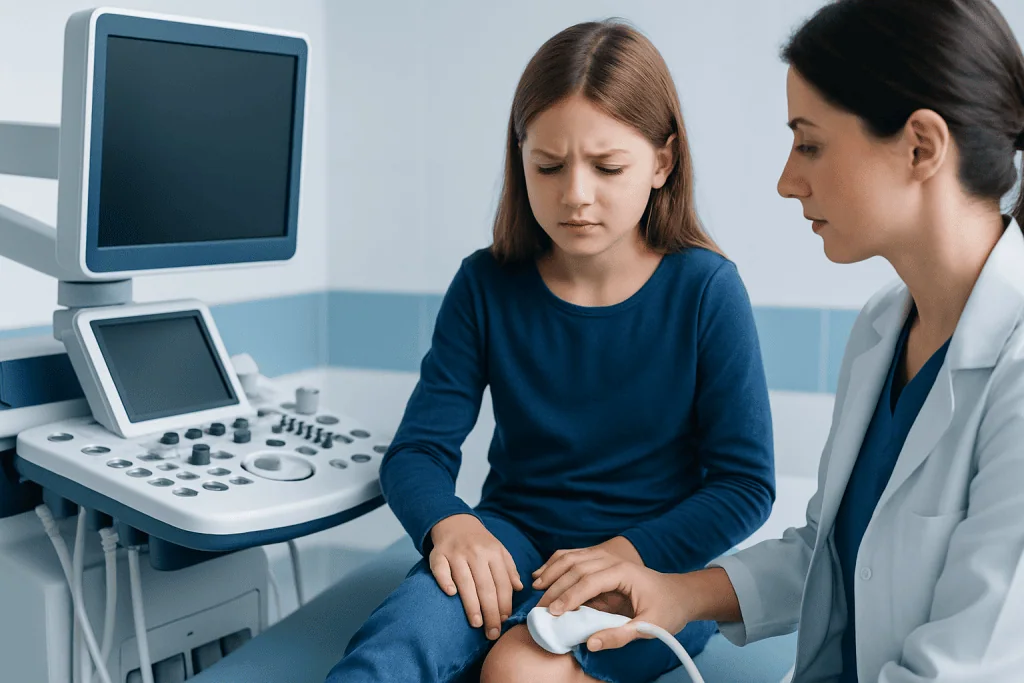
The early signs of JIA can be easy to miss, especially in younger children who cannot clearly describe pain or stiffness. Parents may first notice that a child limps in the morning, avoids using one arm, stops running as much, or seems unusually clumsy. Symptoms may come on gradually rather than suddenly.
Joint swelling is often one of the most important clues. A knee, ankle, wrist, or finger may look puffy or larger than the same joint on the other side. Some children have less pain than expected, but they may still have stiffness, warmth, or limited range of motion. Morning stiffness or stiffness after rest is particularly suggestive of inflammatory arthritis.
Other symptoms depend on the subtype. Some children may develop fatigue, low energy, poor appetite, or a general sense of not feeling well. Others may have fevers, a salmon-colored rash, or inflammation in the eyes called uveitis, which may not cause obvious eye symptoms at first.
- Persistent joint swelling
- Morning stiffness or limping after sleep
- Joint pain that lasts for weeks
- Reduced movement or reluctance to play
- Fatigue or low stamina
- Fever, rash, or eye inflammation in some cases
Causes, risk factors, and types of JIA

The exact cause of juvenile idiopathic arthritis is not fully understood. Most experts believe it results from a combination of genetic susceptibility and immune system dysregulation. In a child who is predisposed, the immune system may mistakenly attack the lining of the joints, leading to inflammation. This process is not caused by anything the child or parent did.
JIA is not generally considered a directly inherited disease, but family history of autoimmune conditions can sometimes be relevant. Researchers continue to study how genes, infections, and environmental triggers may contribute. However, no single trigger explains most cases, and JIA is not contagious.
Doctors classify JIA into several types because the pattern of symptoms affects management and monitoring. Oligoarticular JIA affects a small number of joints and is common in younger children. Polyarticular JIA affects five or more joints. Systemic JIA can involve fever, rash, and inflammation beyond the joints. There are also psoriatic and enthesitis-related forms, among others.
Some forms can overlap with broader inflammatory joint diseases. Depending on symptoms, a specialist may also consider related conditions such as ankylosing spondylitis or connective tissue disorders. The goal is to identify the correct diagnosis early so treatment can be matched to the child’s specific disease pattern.
How doctors diagnose juvenile idiopathic arthritis
There is no single test that confirms JIA in every child. Diagnosis is made by combining the medical history, physical examination, and targeted tests while excluding other causes of joint symptoms. Doctors usually ask when the symptoms started, whether stiffness is worse in the morning, which joints are involved, and whether there have been fevers, rashes, or eye problems.
During the examination, the clinician looks for swelling, warmth, tenderness, and limited motion in the joints. The doctor may also check growth, posture, gait, muscle strength, and signs of inflammation in other parts of the body. Because children may adapt their movements to avoid discomfort, careful observation is important.
Blood tests may include markers of inflammation such as ESR and CRP, along with tests such as antinuclear antibodies, rheumatoid factor, or HLA-B27 when appropriate. These tests can support the diagnosis or help identify a subtype, but normal blood tests do not rule out JIA. Imaging studies, including ultrasound, X-rays, or MRI scans, may help show inflammation, fluid in the joint, or early joint changes.
Many children with suspected JIA also need regular eye screening because inflammation inside the eye can occur silently. In complex cases, pediatric rheumatologists work with pediatricians, ophthalmologists, radiologists, and rehabilitation specialists to build a complete picture and monitor disease activity over time.
Treatment options and long-term management
Treatment for JIA aims to reduce inflammation, relieve pain and stiffness, protect joint function, support normal growth, and help the child participate fully in school, play, and family life. The best treatment plan depends on the subtype, number of joints involved, severity of inflammation, and whether the eyes or other organs are affected.
Initial treatment may include nonsteroidal anti-inflammatory medicines to help with pain and stiffness. If inflammation persists or the disease is more active, doctors may recommend disease-modifying antirheumatic drugs such as methotrexate or biologic therapies that target specific parts of the immune system. In some situations, corticosteroids may be used for short periods or injected directly into an inflamed joint.
Medicines are only one part of care. Physical therapy and physiotherapy and rehabilitation help maintain strength, flexibility, posture, and endurance. Occupational therapy may support hand function, school activities, and daily tasks. If a joint has advanced damage later on, some adolescents or adults who had longstanding disease may eventually need orthopedic assessment, and selected cases can require procedures such as knee replacement.
Regular follow-up is essential because treatment often needs adjustment over time. Doctors monitor symptoms, blood tests, medication effects, growth, and eye health. In experienced centers, including Acibadem International, multidisciplinary specialists in JCI-accredited hospitals care for international patients with inflammatory joint diseases using coordinated pediatric and adult services when needed.
Daily life, prevention, and self-care support
There is no known way to prevent juvenile idiopathic arthritis from developing, but good self-care can reduce flare-related limitations and support overall health. Children with JIA usually benefit from a balanced routine that includes movement, rest, nutritious meals, and consistent medical follow-up. Staying active is often encouraged because joints generally function better when muscles remain strong and flexible.
Exercise plans should be individualized. Low-impact activities such as walking, swimming, cycling, and stretching are often helpful. During flares, a child may need temporary adjustments rather than complete rest. Warm baths in the morning, supportive footwear, and a regular sleep schedule can also make stiffness easier to manage.
Families can help by tracking symptoms, noting which joints are swollen, and paying attention to fatigue, limping, or changes in mood and school participation. Medication should be taken exactly as prescribed, and appointments for blood tests or eye screening should not be skipped. Emotional support matters too, because chronic illness can affect confidence and social life.
Joint-friendly habits can also support long-term comfort. These include maintaining a healthy body weight, avoiding smoking exposure in adolescents, and getting guidance before starting intense sports. If a child develops persistent back pain, heel pain, or widespread stiffness, clinicians may reassess for overlapping inflammatory conditions or changing disease patterns.
When to seek medical care
Medical evaluation is important if a child has joint swelling, stiffness, or pain lasting more than a few weeks, especially if symptoms are worse in the morning or after rest. A limp without a clear injury, one swollen joint that does not improve, or a child who avoids using a hand or leg should not be ignored.
Prompt care is also needed if joint symptoms occur with fever, rash, weight loss, marked fatigue, or red and painful eyes. Although not every child with these symptoms has JIA, doctors need to rule out infections, injury, and other inflammatory or autoimmune conditions. Eye symptoms or changes in vision require urgent attention because some children with JIA can develop silent eye inflammation.
Families should also contact the care team if a diagnosed child has worsening swelling, new joints involved, medication side effects, or a decline in normal daily function. Earlier review can allow treatment changes before inflammation causes avoidable complications.
Frequently asked questions
Is juvenile idiopathic arthritis the same as adult arthritis?
No. Juvenile idiopathic arthritis is a childhood inflammatory disease driven by immune system activity, while many adult forms of arthritis have different causes and patterns. Some features may overlap, but JIA has its own subtypes, risks, and treatment approach.
Can a child have JIA even if blood tests are normal?
Yes. Many children with JIA have normal blood tests, especially early in the disease or in certain subtypes. Doctors diagnose it using the overall clinical picture, including symptoms, examination findings, and imaging when needed.
Does juvenile idiopathic arthritis go away on its own?
Some children have milder disease that becomes inactive for long periods, but others need ongoing treatment and monitoring. Because the course is unpredictable, regular follow-up is important even when symptoms improve.
Can juvenile idiopathic arthritis affect the eyes?
Yes. Some children develop uveitis, which is inflammation inside the eye. It may not cause early symptoms, so scheduled eye exams are an important part of care.
Is exercise safe for children with JIA?
In most cases, yes. Appropriate exercise helps maintain muscle strength, flexibility, and joint function. A doctor or physical therapist can suggest activities and temporary adjustments during flares.
Will a child with JIA need lifelong medication?
Not always. Treatment length depends on the subtype, disease activity, response to therapy, and whether symptoms stay controlled over time. Medicines are reviewed regularly, and doctors may adjust them carefully based on the child’s progress.
References
- American College of Rheumatology
- Arthritis Foundation
- National Institute of Arthritis and Musculoskeletal and Skin Diseases
- American Academy of Pediatrics
- National Health Service
This article is for general information only and is not a substitute for professional medical advice. Please consult a qualified doctor about your individual situation.
Juvenile Idiopathic Arthritis in Turkey — costs, top hospitals & a free quote
JCI-accredited · board-certified surgeons · reply within 24h