Juvenile Idiopathic Arthritis Treatment
Juvenile idiopathic arthritis is a chronic autoimmune joint disease in children, managed with pediatric rheumatology care, medications, monitoring, and rehabilitation to reduce inflammation and protect growth.

Quick answer
Juvenile idiopathic arthritis (JIA) is chronic joint inflammation that begins before age 16 and lasts at least six weeks with no other identifiable cause. Treatment is a long-term pathway rather than a single procedure: anti-inflammatory and disease-modifying medication, sometimes biologic therapy, joint injections, physiotherapy, regular eye screening and laboratory monitoring, all adjusted as the child grows and the disease changes.
What Is Juvenile Idiopathic Arthritis (JIA)?
Juvenile idiopathic arthritis, usually shortened to JIA, is persistent joint inflammation that begins in childhood, before the sixteenth birthday, lasts at least six weeks, and has no other identifiable cause such as infection or injury. It is an immune-mediated condition: the child’s own immune system produces inflammation in the lining of the joints, and sometimes in the eyes, skin or internal organs. Treatment is not a single operation or procedure. It is a structured, long-term care pathway led by paediatric rheumatologists and built around medication, rehabilitation, scheduled eye screening and regular monitoring.
Each part of the name tells you something useful. “Juvenile” means the condition starts in childhood or adolescence. “Idiopathic” is a candid medical word: the exact cause is not yet fully understood, although research points towards a combination of genetic susceptibility and immune triggers rather than anything a parent did or failed to do. “Arthritis” means inflammation inside a joint: a thickened joint lining, extra fluid, warmth, stiffness and, in some children, pain. Put together, JIA is childhood joint inflammation without a single known cause, and it is the most common chronic rheumatic disease of childhood.
JIA can be difficult for families to recognise because it often begins quietly. Some children have obvious swelling and pain. Others simply move differently: a toddler resists walking after a nap, an older child stops using one hand for writing, a teenager quietly drops out of sport. Morning stiffness that eases as the day goes on is a classic pattern. Because children adapt so readily, and because many do not describe pain the way adults do, the first sign a parent notices is often a change in behaviour rather than a complaint.
For parents, the concern is rarely pain alone. It is growth, school participation, sport, sleep, mood and the long-term health of the joints and eyes. Without careful treatment, chronic inflammation can affect cartilage, bone development, joint alignment and vision. With early diagnosis, carefully selected medication, physical rehabilitation and coordinated follow-up, many children achieve good disease control and continue normal childhood activities. That contrast, between what untreated inflammation can do and what well-managed JIA usually looks like, is the reason this page exists.
What kind of disease is JIA?
JIA is a chronic autoimmune, or in some subtypes autoinflammatory, rheumatic disease. In plain terms, the immune system, which normally defends the body against infection, mistakenly drives inflammation in healthy tissue, most visibly in the joint lining. It is not an infection of the joint, it is not the result of an injury, and it is not the wear-related joint damage seen in adult osteoarthritis. It belongs to the broader family of inflammatory arthritis conditions, but with features specific to a growing body: growth plates, developing bones and a maturing immune system all shape how the disease behaves and how it must be treated.
JIA is also an umbrella term rather than one uniform illness. It covers several distinct subtypes, from arthritis limited to a single knee, to widespread joint disease, to a systemic form with fevers and rash. The subtype matters, because it changes the medication strategy, the eye-screening schedule and the long-term outlook. A large part of good JIA care is working out, early and accurately, which pattern your child has.
Is juvenile rheumatoid arthritis the same as JIA?
Juvenile rheumatoid arthritis is an older name for what is now called juvenile idiopathic arthritis. The term was used for decades, particularly in North America, while European clinicians used “juvenile chronic arthritis”. International classification later unified these under the single umbrella of JIA, partly because most children with the condition do not have the rheumatoid factor antibody that defines adult rheumatoid arthritis, and partly because childhood arthritis behaves differently from the adult disease. If your child was diagnosed with juvenile rheumatoid arthritis some years ago, or you read older material using that name, it describes the same group of conditions.
You may also come across the index-style phrase arthritis juvenile idiopathic arthritis in medical databases and coding systems; it points to the same condition. Whatever the label, the practical questions are identical: which joints are inflamed, how active is the disease, are the eyes involved, and what treatment fits this particular child.
How common is juvenile idiopathic arthritis?
Juvenile idiopathic arthritis is the most common form of chronic arthritis in children and the most common chronic rheumatic disease of childhood worldwide. It is not, however, a common childhood illness in the way ear infections or asthma are, which is one reason it is frequently missed or diagnosed late: many general practitioners and paediatricians see only a handful of cases across a career. Published estimates of how many children are affected vary between countries and between study methods, and the individual subtypes differ in how often they occur. What matters for a family is simpler: JIA is well described, paediatric rheumatologists see it regularly, and established treatment pathways exist for every subtype.
What JIA Treatment Involves
Treatment for juvenile idiopathic arthritis is designed to interrupt inflammation before it can damage developing joints. Because JIA is not the same in every child, the plan must be individualised. Some children have one or two joints affected and need local treatment with close monitoring. Others have many joints involved and need systemic medication from the start. Some develop fever, rash or inflammation affecting internal organs. Others have associated eye inflammation, called uveitis, even when the eyes look and feel entirely normal.
A paediatric rheumatology plan may include anti-inflammatory medicines, disease-modifying medications, biologic therapies that target specific inflammatory pathways, corticosteroid injections into individual joints, physical and occupational therapy, structured exercise guidance, scheduled eye screening, imaging, laboratory monitoring and, just as importantly, education for the family. The plan is adjusted over time according to symptoms, examination findings, laboratory results, imaging, growth, medication response and side effects.
In most children, the working target is clinical remission or very low disease activity: little or no joint swelling, improved movement, less pain and stiffness, stable laboratory markers, and the ability to attend school and play sport. Some children need medication for years; others eventually reduce or stop treatment under specialist supervision. The timing of any reduction matters, because stopping treatment too early increases the risk of a flare, and decisions of that kind belong with the treating rheumatologist rather than a calendar.
Good JIA care is proactive rather than reactive. It is not only about treating pain after it appears. It is about recognising inflammation early, protecting growth plates and joint function, preventing eye damage, minimising steroid exposure where possible, and making sure you understand what to watch for at home between visits.
Is there a cure for juvenile arthritis?
There is currently no cure for juvenile arthritis, and any clinic, supplement or programme promising one deserves scepticism. What modern treatment can realistically offer is remission: a state in which inflammation is switched off, symptoms settle, and the child grows, moves and lives normally. In some children remission persists after medication is withdrawn; in others the disease stays quiet only while treatment continues. If you have searched for how to cure juvenile idiopathic arthritis, the honest answer is that the goal of care is durable control rather than cure, and that this goal is achievable for many children with the right diagnosis, the right medication and consistent follow-up. Unproven remedies are not a neutral choice: time spent on them is time during which active inflammation can affect growing joints. Questions about combining any complementary approach with prescribed treatment are best raised openly with the treating team, who can say what is safe alongside the existing plan.
Signs a Child May Need Evaluation for JIA
A child may need evaluation for JIA when joint symptoms persist beyond a short period, especially when no clear injury explains them. Parents usually notice a change in movement before a child can describe pain. A toddler may refuse to walk first thing in the morning and improve by lunchtime. An older child may stop climbing, avoid stairs, hold a pencil awkwardly or use one arm noticeably less. These behavioural clues are as diagnostically important as any complaint of pain.
Typical symptoms include joint swelling, warmth, tenderness, reduced range of motion, limping, morning stiffness, fatigue and difficulty with everyday tasks such as dressing, climbing stairs, writing or opening containers. Some children report no pain at all even when inflammation is clearly present, so visible swelling or a joint that will not straighten fully should be taken seriously in its own right, regardless of how the child says it feels.
JIA can also produce symptoms beyond the joints. Children with the systemic form may have recurring fevers, a salmon-coloured rash, enlarged lymph nodes or inflammation affecting internal organs. Children with enthesitis-related disease feel pain where tendons attach to bone, the heel and the area around the knee are common sites, and some develop back or hip symptoms. Eye inflammation deserves particular emphasis: uveitis in JIA is usually silent, without redness, pain or obvious visual change, which is precisely why scheduled ophthalmology screening is built into the treatment pathway rather than left until a child complains.
Children are typically referred for JIA treatment after a new diagnosis, a flare of known disease, an inadequate response to current therapy, medication side effects, delayed growth, suspected uveitis, jaw involvement, or concern about long-term joint damage. Families also seek second opinions when the diagnosis is uncertain, when a move to biologic treatment is being weighed, or when a child continues to flare despite apparently correct therapy. All of these are legitimate reasons for a fresh paediatric rheumatology assessment.
How do you test for juvenile idiopathic arthritis?
There is no single blood test that proves juvenile idiopathic arthritis; the diagnosis is made by combining history, physical examination, laboratory tests and imaging, and by excluding conditions that can mimic it. A paediatric rheumatologist looks for patterns: which joints are affected, how long symptoms have been present, whether inflammation is active on examination, and whether features point to a specific subtype. The six-week duration criterion exists to separate chronic arthritis from the short-lived joint inflammation that can follow common childhood infections.
The diagnostic work-up usually covers several areas:
- Blood tests assess inflammation markers, blood counts, and liver and kidney function, and look for autoantibodies such as antinuclear antibody and rheumatoid factor, plus genetic markers like HLA-B27 in suspected enthesitis-related disease. These results help classify the subtype and set a safe baseline before medication, rather than confirming the diagnosis on their own.
- Ultrasound can visualise joint fluid and thickening of the joint lining without radiation, and can detect inflammation that is difficult to feel on examination.
- X-rays assess bone alignment and chronic changes; MRI is valuable for deeper joints such as the hip, spine or jaw, and may be performed with sedation in younger children when necessary.
- Exclusion testing rules out look-alikes: joint infection, reactive arthritis following a recent infection, malignancy, lupus, inflammatory bowel disease and other autoimmune or musculoskeletal disorders.
Because examination findings in children can be subtle, the assessment is as much clinical craft as laboratory science. An experienced examiner checks every joint systematically, including the jaw and spine, which children rarely mention, and compares sides, because a slightly warm, slightly restricted knee is easy to miss unless you are looking for it.
Do vaccines cause juvenile idiopathic arthritis?
No. Research has not established any causal link between routine childhood vaccines and juvenile idiopathic arthritis, and this includes the MMR vaccine specifically, which has been studied because the question is asked so often. Some children experience brief, self-limiting joint aches after certain vaccinations, but this transient reaction is different in kind from chronic arthritis, which persists for weeks and involves genuine inflammation of the joint lining. JIA is understood to arise from a combination of genetic predisposition and immune dysregulation, not from immunisation. A separate, practical question does arise once a child is on immune-modifying treatment: which vaccines can be given, and when. That scheduling is worked out with the treating rheumatology team, because it depends on the specific medication in use.
The Types of JIA and What Each Means for Treatment
Juvenile idiopathic arthritis includes several disease patterns, and treatment is guided by the subtype together with the child’s individual risk factors. The main categories are oligoarticular JIA, polyarticular JIA, systemic JIA, enthesitis-related arthritis, psoriatic arthritis and undifferentiated arthritis. Each carries different implications for medication choice, eye-screening frequency and long-term follow-up.
Oligoarticular JIA
Oligoarticular JIA affects a small number of joints, four or fewer in the first six months, most often the knees or ankles, and is the pattern parents most commonly encounter. Some children respond well to nonsteroidal anti-inflammatory medication and corticosteroid injections into the affected joint, with close monitoring; others need disease-modifying therapy, particularly if arthritis spreads to additional joints over time. This subtype carries a notable association with silent uveitis, especially in young, antinuclear-antibody-positive children, which makes scheduled eye examinations non-negotiable even when the joints are doing well.
Polyarticular JIA
Polyarticular JIA, you may also see the phrasing juvenile polyarticular idiopathic arthritis, affects five or more joints within the first six months and may involve the small joints of the hands and feet as well as knees, ankles, wrists and the neck. In rheumatoid-factor-positive adolescents it can resemble adult rheumatoid arthritis, although a growing skeleton changes both the risks and the treatment calculus. Because more joints are inflamed, this subtype typically calls for earlier use of disease-modifying antirheumatic drugs and, in a proportion of children, biologic medication to reach adequate control.
Systemic JIA
Systemic JIA is a distinct autoinflammatory condition in which arthritis is accompanied by spiking fevers, a characteristic rash, fatigue and inflammation throughout the body. It requires careful, sometimes urgent, assessment because intense uncontrolled inflammation can lead to serious complications, including macrophage activation syndrome, which is managed in hospital. Treatment often involves therapies that target the specific immune signalling pathways driving systemic inflammation, and the monitoring schedule is closer than in other subtypes.
Enthesitis-related arthritis
Enthesitis-related arthritis tends to affect older children and adolescents, more commonly boys, and involves the lower limbs, heels, hips, pelvis or spine. Inflammation concentrates where tendons and ligaments attach to bone, and the pattern can overlap with the spondyloarthritis conditions seen in adults. Treatment usually combines medication with targeted exercise, posture work and monitoring for inflammatory back disease and eye inflammation, which in this subtype can be painful and red rather than silent.
Psoriatic arthritis
Psoriatic arthritis in childhood may occur alongside psoriasis or in a child with a family history of it, sometimes the joint disease appears years before any skin changes. Nail pitting, a diffusely swollen finger or toe (dactylitis) and asymmetric joint involvement are useful diagnostic clues. Treatment addresses both the joints and, when present, the skin, and shares ground with the management of adult psoriatic arthritis while respecting paediatric dosing and monitoring requirements.
Undifferentiated arthritis
Undifferentiated arthritis is the honest category for children whose disease does not fit neatly into one subtype, or fits more than one. It is not a lesser diagnosis; it simply means the pattern needs continued observation. Classification can shift as the disease declares itself, and treatment follows the features actually present rather than the label.
Beyond the joint patterns themselves, JIA care addresses the problems that travel with the disease: uveitis, temporomandibular joint involvement affecting the jaw and bite, leg length differences from asymmetric growth, reduced bone density, muscle weakness, pain sensitisation, fatigue, medication side effects and the emotional weight of a chronic illness in childhood. The best treatment plans look past the swollen joint to the whole child.
How JIA Treatment Is Performed Step by Step
Step 1: Comprehensive evaluation and preparation
Treatment begins with a detailed paediatric rheumatology assessment, and it follows a recognisable sequence:
- History. The physician establishes when symptoms began, which joints are involved, what mornings look like, whether there have been fevers or rashes, and how symptoms affect school, play, sleep and mood. Previous laboratory results, imaging, medication history, vaccinations, infections, family history and growth records are all reviewed.
- Examination. Every joint is checked for swelling, warmth, tenderness and range of motion, alongside muscle strength, gait, spine and jaw movement, and skin and nail findings. Paediatric examination takes experience: inflammation can be subtle, and children adapt their movement without saying why.
- Targeted testing. Blood tests and imaging are selected according to the suspected subtype and the conditions that need excluding, rather than ordered indiscriminately. Baseline laboratory values are recorded so that later medication monitoring has a reference point.
- Family education. Before any prescription, the team explains what active inflammation looks like, how medications are taken, what monitoring will follow, and how to balance activity with rest. JIA is managed over time, not solved in one appointment, and families do better when they understand the shape of the road.
Step 2: Medication strategy
Medication is chosen according to disease severity, the number and location of affected joints, laboratory and imaging findings, eye involvement and the child’s overall health. For milder or newly diagnosed disease, the plan may begin with nonsteroidal anti-inflammatory drugs to reduce pain and stiffness. These help many children but are frequently insufficient on their own for persistent or higher-risk disease.
Where one or a few joints carry the inflammation, corticosteroid injection into the joint is often an efficient option. Injections are performed with attention to comfort and safety, sometimes under image guidance depending on the joint, and in young children sedation or anaesthesia support may be used. A well-placed injection can settle local inflammation and restore movement, though monitoring continues afterwards because it treats the joint, not the underlying disease.
Disease-modifying antirheumatic drugs (DMARDs) are used when arthritis is persistent, involves several joints or threatens damage. These medicines act on the immune system to reduce inflammation over time: they are not quick fixes, and their effect builds over weeks. They require regular laboratory monitoring and dose adjustment based on the child’s size, response and tolerance.
Biologic therapies are recommended when disease is moderate to severe, when a specific inflammatory pathway is clearly active, or when earlier treatment has not achieved control. Biologics target individual immune signals, different agents for different pathways, and are given by injection or infusion depending on the medication. Before certain therapies begin, children are screened for latent infection and their vaccination status is reviewed, because immune-modifying treatment changes what is safe to give and when.
Corticosteroids by mouth or intravenously retain a role in selected situations, particularly severe systemic inflammation or the need for rapid control while slower medicines take effect. Because prolonged steroid exposure can affect growth, bones, weight, blood pressure, blood sugar and infection risk, paediatric rheumatologists aim for the lowest effective dose for the shortest appropriate time, transitioning to steroid-sparing therapy whenever the disease allows. Every one of these choices, starting, escalating, combining, tapering, sits with the treating physician, informed by monitoring rather than guesswork.
Step 3: Rehabilitation, activity and daily function
Physical and occupational therapy are core treatment, not optional extras. Inflammation makes children avoid movement, and avoidance breeds stiffness, weakness and altered posture that outlast the inflammation itself. A rehabilitation plan maintains range of motion, builds strength, protects joints and supports safe participation in sport and daily life.
Physiotherapists work on stretching, strengthening, balance, gait and low-impact conditioning. Occupational therapists address hand function, writing, splints, adaptive tools and practical school strategies: the details that decide whether a child keeps up in class. The aim is never to make a child feel fragile. It is to help them move well, avoid harmful compensation patterns and stay in age-appropriate life.
Exercise is actively encouraged once inflammation is controlled. Swimming, cycling, walking, stretching and supervised strengthening all work well. During a flare, activity may need temporary adjustment, but prolonged inactivity rarely helps anyone; families are taught to tell healthy effort apart from pain that signals active inflammation or overuse, so that sport does not become a source of anxiety.
Step 4: Monitoring, eye screening and technology
JIA treatment lives or dies on follow-up. At each visit the team assesses joint activity, pain, stiffness, function, growth, medication tolerance and laboratory results, and the plan is intensified, adjusted or gradually reduced accordingly. Modern pathways lean on imaging and laboratory monitoring to sharpen clinical judgement: ultrasound detects inflammation the fingers cannot feel, MRI evaluates deep joints and early inflammatory change, and digital radiography is used selectively to track alignment and chronic change while limiting exposure. Laboratory systems track blood counts, liver enzymes, kidney function and inflammation markers so that medication safety is verified rather than assumed.
Ophthalmologic monitoring runs in parallel throughout, because uveitis in JIA is typically silent. How often the eyes are examined depends on the subtype, the age at onset, antibody status and how long the child has had the disease. When uveitis is found, rheumatology and ophthalmology coordinate treatment jointly to protect vision, one of the clearest examples of why JIA is a team disease rather than a single-specialist one.
How long does JIA treatment take?
Treatment duration varies widely because JIA is a chronic condition, not a fixed course of therapy. Some children need a limited period of treatment for limited disease; others need years of medication and monitoring. Immune-modifying medicines typically take weeks to months to show their full benefit, so families should expect gradual improvement rather than an overnight change. Recovery is best understood as two things happening together: inflammation coming under control, and function returning. A child may move more comfortably within days or weeks of starting anti-inflammatory treatment, while deeper disease control takes longer, and strength, joint range, endurance and confidence rebuild over months. Even when everything looks and feels normal, follow-up continues, because silent inflammation, eye disease, medication effects and early flare are all things you want found before they announce themselves.
Why Acting Early Matters
Early treatment in juvenile idiopathic arthritis makes a meaningful difference because children’s joints are still being built. Persistent inflammation interferes with cartilage, bone growth and joint alignment. Inflammation around a growth plate can make a limb grow faster or slower than its pair. Chronic stiffness produces contractures, muscle weakness and movement patterns that become progressively harder to correct the longer they persist.
Delay carries other costs: a higher chance of erosive joint change, restricted range of motion, pain sensitisation, fatigue and lost school and sport. Untreated inflammation of the jaw joint can affect chewing, mouth opening and even facial growth. And silent uveitis can damage vision before any symptom appears, which is why eye screening is scheduled by protocol rather than triggered by complaints.
Acting early does not mean reaching immediately for the strongest medication. It means getting the right diagnosis, judging the child’s actual risk, and matching treatment intensity to the disease in front of you. For some children, careful monitoring plus local therapy is exactly right. For others, prompt systemic treatment prevents damage that could never be fully repaired later. A paediatric rheumatologist’s job is to hold that balance honestly, based on examination findings and evidence rather than either optimism or alarm.
Can children grow out of JIA?
Some do. A proportion of children, particularly some with oligoarticular disease, reach lasting remission and eventually stop medication without the arthritis returning. Others carry active or relapsing disease into adulthood and continue treatment with adult rheumatology services. At diagnosis, no test reliably predicts which path an individual child will take, which is why treatment decisions are revisited continually rather than fixed at the outset. What can be said honestly is that the phrase “growing out of it” should never be a reason to delay treatment: waiting to see whether a child outgrows active inflammation risks exactly the joint and eye damage that early treatment exists to prevent. When remission does arrive, any reduction or withdrawal of medication is planned and supervised by the treating rheumatologist, because tapering too early is a common trigger for flare.
How long do people with JIA live?
JIA is not, in itself, a condition that typically shortens life. The central concerns of the disease are joint function, growth, vision and quality of life, not survival. The important caveat concerns systemic JIA, where rare complications such as macrophage activation syndrome are genuinely serious and are treated urgently in hospital, one reason children with systemic disease are monitored more closely than others. For the overwhelming majority of children with JIA, the realistic long-term picture is a normal life span, with the practical questions centring on how well the disease is controlled, how the joints and eyes are protected, and how smoothly care transitions from paediatric to adult services in due course.
Benefits of Juvenile Idiopathic Arthritis Treatment
The purpose of treatment is straightforward: reduce inflammation, protect development, and return the child to daily life with less pain and better function. The table below summarises what each element of care means in practice.
| Benefit | What It Means for You |
|---|---|
| Reduced joint inflammation | Less swelling, warmth, stiffness and tenderness, with improved ability to move the affected joints. |
| Protection of growth and joint structure | Earlier disease control may reduce the risk of contractures, growth disturbances and long-term joint damage. |
| Improved mobility and strength | Rehabilitation and exercise guidance help children walk, play, write, dress and participate more comfortably. |
| Lower risk of complications | Regular monitoring supports early detection of uveitis, medication side effects, jaw involvement and disease flare. |
| More confident family decision-making | A clear diagnosis and a written treatment plan help you understand what to expect and how the plan will adapt. |
Recovery Timeline After Starting JIA Treatment
Every child’s course is different, and the honest version of any timeline includes the word “gradual”. Still, most families find it helpful to understand the general rhythm of improvement and follow-up once treatment begins.
| Time Period | What Patients Can Expect |
|---|---|
| Day 1 | The care team reviews symptoms, confirms the evaluation plan, begins appropriate treatment when indicated, and explains activity guidance and what to watch for at home. |
| First week | Pain and stiffness may begin to ease with anti-inflammatory treatment, although some medications need more time. Families learn how to track symptoms and medication tolerance. |
| First month | Follow-up assesses joint swelling, range of motion, laboratory results and rehabilitation progress. Treatment is adjusted if inflammation remains active. |
| First several months | Disease-modifying and biologic therapies, when used, are evaluated for effectiveness. Strength, endurance, school participation and daily function typically improve gradually. |
| Longer term | The goal is sustained low disease activity or remission, prevention of complications, safe medication monitoring and age-appropriate independence as the child grows. |
Factors That Influence Outcomes
Outcomes in juvenile idiopathic arthritis depend on a mixture of medical and practical factors, and it is worth understanding them, because several are within a family’s influence. The single most important is how quickly active inflammation is recognised and brought under control. Children who reach evaluation early and start appropriate treatment are generally better positioned to preserve joint function and normal activity.
The subtype matters. Oligoarticular disease follows a different course from polyarticular or systemic disease. The number of joints involved, the presence of specific antibodies, the degree of inflammation on blood tests, and whether the eyes, jaw, spine or hips are affected all shape treatment intensity and follow-up frequency. Two children with “JIA” on paper can need genuinely different plans.
Medication response is variable, and this needs saying plainly. Some children respond well to the first plan. Others need dose adjustments or a change of therapy before control is reached. Neither outcome means the family has failed or that the condition is unmanageable: it reflects the inherent variability of immune-mediated disease and is exactly why structured monitoring exists.
Adherence has a large effect on results. Children often feel better before inflammation is fully controlled, and adolescents understandably tire of injections, blood tests and clinic visits. A good care team confronts this directly, with developmentally appropriate education, honest conversation about what each medicine is doing, and practical strategies that fit real family life rather than an idealised one.
Rehabilitation and daily movement carry their own weight. Medication reduces inflammation, but muscles, tendons, posture and confidence recover through time and guided exercise. Children who keep moving safely, do their prescribed exercises and get sensible support at school return to full participation more readily than children who are wrapped in cotton wool.
Eye screening deserves repeating as an outcome factor in its own right: a child with no eye complaints can still have inflammation that needs treatment, and consistency of ophthalmology follow-up is one of the quiet determinants of long-term vision.
Finally, outcomes are shaped by communication. You should feel able to report changes, ask about side effects, and raise school, travel, vaccination, infection and emotional-stress questions without feeling you are wasting the clinic’s time. JIA care works best when the plan is both medically sound and realistic for your child’s everyday life, and the only way a team achieves that is by hearing what everyday life actually looks like.
How Acibadem Organises Care for Children with JIA
For a child with suspected or confirmed juvenile idiopathic arthritis, Acibadem structures care around paediatric rheumatology, with other specialties drawn in as the individual case requires: paediatric ophthalmology for uveitis screening, radiology for ultrasound and MRI assessment, physical and occupational therapy for mobility and function, orthopaedics for structural concerns, dermatology where psoriasis is part of the picture, gastroenterology when inflammatory bowel disease needs excluding, and paediatric subspecialists for systemic inflammation or medication-safety questions.
Multidisciplinary case discussion carries particular value when a child has severe disease, an unclear diagnosis, eye involvement, systemic symptoms or an incomplete response to treatment. Collaborative review aligns the diagnostic pathway and the treatment plan with international evidence-based protocols while accounting for the child’s age, growth stage, prior treatments, family preferences and the medical follow-up realistically available at home. Where a family seeks a second opinion, the review typically covers prior records, imaging, laboratory results and medication history, and produces a structured assessment that can be shared with the child’s local doctor: the purpose is added specialist insight and a clear plan, not the replacement of an existing care relationship.
Diagnostics follow a child-centred logic: the most appropriate test rather than the most tests. Musculoskeletal ultrasound helps identify active synovitis in accessible joints without radiation; MRI is reserved for deep joint involvement, jaw disease, spine symptoms or genuinely ambiguous cases; sedation is planned in advance for young children when imaging requires stillness. Treatment planning weighs medication effectiveness against safety monitoring, infection risk, vaccination history, growth, puberty, school life and sporting goals: the full context, not just the joint count.
Chronic illness in childhood has an emotional dimension that competent care acknowledges rather than manages around. A child may fear injections, feel different from friends, or grieve a missed season of sport. Parents may carry guilt or uncertainty about long-term medication. Clear explanations, age-appropriate communication and practical coping strategies are treated as part of the clinical work, because a treatment plan a family understands is a treatment plan a family can sustain.
Living with JIA: A Realistic Long View
Juvenile idiopathic arthritis is a long journey, but it is a condition that responds to expertise, structure and persistence. The decisive step is understanding what type of inflammation is present, how active it is, whether complications exist, and which treatment plan offers the best balance of disease control and safety for this particular child. From there, the pattern of good care is remarkably consistent: control the inflammation, protect the eyes and the growth plates, keep the child moving, monitor honestly, and adjust without drama when the disease shifts.
Most children with well-managed JIA attend school, play sport, travel and grow up doing the things their friends do, with clinic visits and monitoring running quietly in the background. Some will leave the disease behind entirely; others will carry it into adult rheumatology care with the habits of self-management already formed. Either way, the child’s future is shaped far less by the diagnosis itself than by how early it was made, how well the inflammation was controlled, and how consistently the follow-up was kept, which is to say, by things that families and clinicians, working together, largely control.
Preparation
- Bring previous medical records, imaging, blood test results, and a list of all medications. The doctor may request laboratory tests, eye screening, and infection or vaccination review before starting certain treatments. Do not stop current medicines unless your physician advises it.
Aftercare
- Follow the prescribed medication plan and attend regular rheumatology visits for disease activity and growth monitoring. Periodic blood tests may be needed to check treatment safety. Physiotherapy, joint-friendly exercise, and routine eye examinations help prevent complications and maintain function.
Frequently Asked Questions
What affects the cost of juvenile idiopathic arthritis care?
Cost depends on the child’s diagnosis, disease activity, required tests, imaging, medication plan, rehabilitation needs, and follow-up schedule. Because care is individualized, a pediatric rheumatology review is needed before a meaningful estimate can be prepared.
How can my family get a personalised quote?
You can request a free consultation and share the child’s medical reports, previous test results, imaging, medication history, and current symptoms. The medical team can then suggest which evaluations are needed and provide a personalised cost estimate.
Are medicines included in the quoted cost?
This depends on the treatment plan and the package offered. Some estimates may include consultations and selected diagnostics, while medications, biologic therapies, rehabilitation sessions, or follow-up tests may be listed separately.
Will my child need to stay in hospital?
Many children with juvenile idiopathic arthritis are managed through outpatient visits, but the need for hospital-based care depends on symptoms, disease severity, tests required, and the treatment being considered. The specialist will advise after assessment.
Can international families receive help with language and visit planning?
International patient services may help coordinate appointments, translation, medical document review, and visit planning. This can make it easier for families to combine pediatric rheumatology, diagnostics, rehabilitation, and follow-up planning in one care pathway.
Medically reviewed by the Acıbadem International Medical Board September 13, 2026
See our medical review board →
Update history
- PublishedJune 8, 2026
- Medical review approvedSeptember 13, 2026
- Last content updateSeptember 13, 2026
References1
- Juvenile Idiopathic Arthritis medlineplus.gov
Trusted care for international patients
From the Acibadem Blog
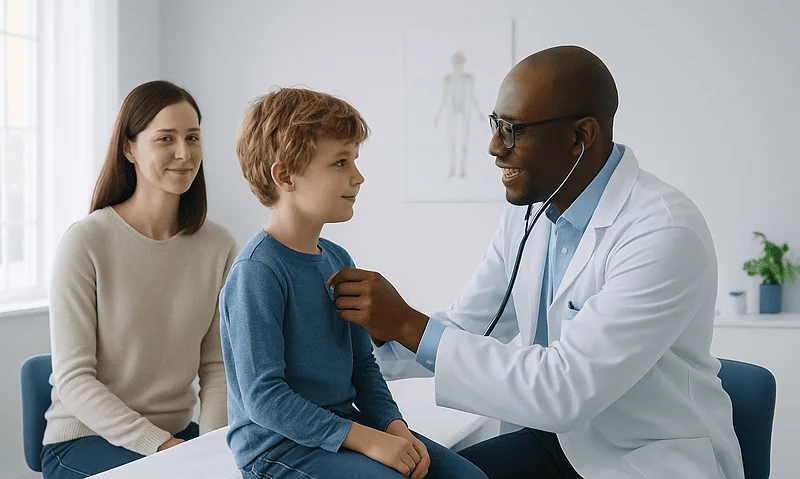
Your Child’s First Juvenile Arthritis (JIA) Visit: What to Bring and What Gets Checked
A first juvenile idiopathic arthritis appointment usually involves a detailed history, a head-to-toe joint examination, and often blood tests or imaging to look for…

Sport, School and Juvenile Idiopathic Arthritis: Keeping Joints Moving Safely
Children with juvenile idiopathic arthritis are generally encouraged to stay physically active and attend school fully, with activity adjusted rather than stopped. Regular, moderate…