Can You Get Herpes From Kissing? Causes, Explanations, and Next Steps

HSV-1 can spread through kissing, particularly when an active cold sore or tingling outbreak is present. Transmission can also happen when no sore is visible because the virus may shed from the skin or saliva.
Key Takeaways
- HSV-1 can spread through kissing, particularly when an active cold sore or tingling outbreak is present.
- Transmission can also happen when no sore is visible because the virus may shed from the skin or saliva.
- Many people with oral herpes have mild symptoms or none at all, so exposure does not always lead to noticeable infection.
- Testing is usually based on an exam, and a swab or blood test may be used in selected situations.
- Avoid kissing and sharing lip items during symptoms, and seek medical advice for first-time painful sores, eye symptoms, or symptoms in a newborn or immunocompromised person.
Yes. A person can get oral herpes from kissing because herpes simplex virus type 1 (HSV-1) spreads through direct contact with saliva or skin around the mouth, especially when a cold sore is present. In many situations the risk is still low and symptoms never develop, but certain signs should prompt medical review.
Overview: the short answer
Yes, a person can get herpes from kissing. The most common virus involved is herpes simplex virus type 1, or HSV-1, which often causes cold sores around the lips and mouth. It spreads through direct contact with saliva, the lips, or nearby skin.
At the same time, not every kiss leads to infection, and not every exposure causes symptoms. Many adults have already been exposed to HSV-1 at some point in life, and many never notice clear signs. This is why a recent kiss does not automatically mean a new infection has occurred.
The risk is highest when someone has an active cold sore, blister, or early warning symptoms such as tingling, burning, or itching on the lip. However, HSV-1 can sometimes spread even when the skin looks normal, a process called asymptomatic shedding.
This article explains when kissing can transmit herpes, what symptoms to watch for, how doctors confirm the diagnosis, and what practical next steps can help protect both the person affected and their close contacts.
How herpes spreads through kissing
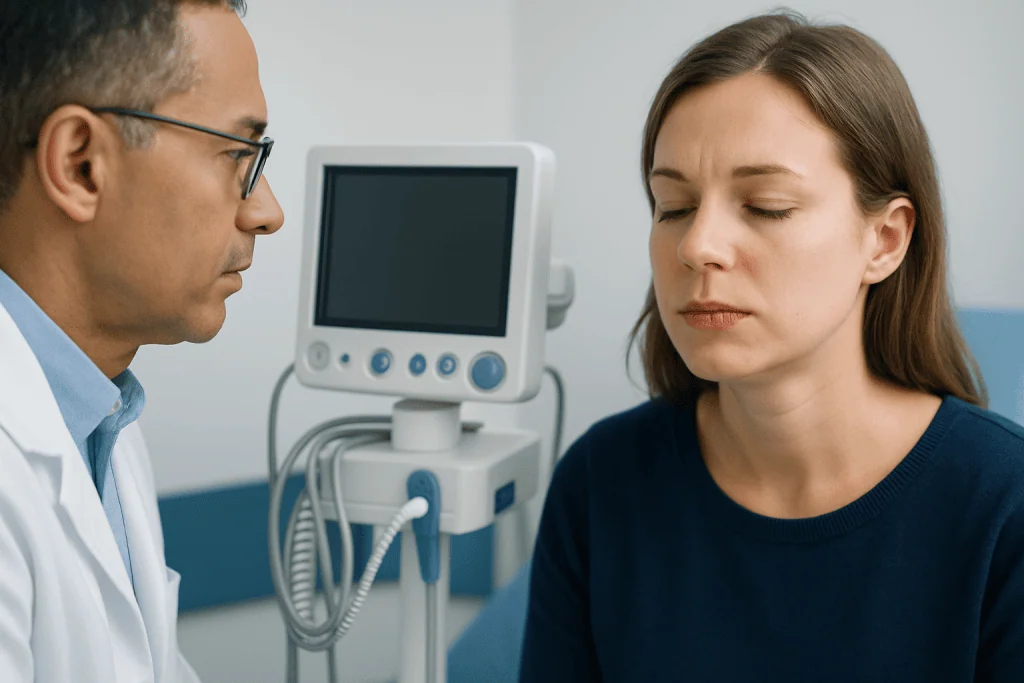
Herpes spreads when the virus in saliva or on the skin reaches another person’s mucous membranes or tiny breaks in the skin. Kissing creates close mouth-to-mouth and skin-to-skin contact, so it can allow HSV-1 to pass from one person to another.
The virus is most contagious during an outbreak. This includes the period when a sore is visible and the short phase just before it appears, when tingling or sensitivity starts. Because these early symptoms may be subtle, people do not always realize they are infectious.
Herpes is not spread only by visible blisters. Some people release the virus from the mouth or lip area without symptoms. This helps explain why a person may develop oral herpes even if their partner has never had an obvious cold sore.
Although HSV-1 is the usual cause of oral herpes, HSV-2 can occasionally affect the mouth as well. A doctor may also help distinguish herpes from other causes of mouth sores or irritation, such as aphthous ulcers, contact irritation, or skin conditions affecting the lips.
Symptoms after exposure: what may happen

Many people have no symptoms after exposure. If symptoms do occur, a first infection may appear within days to a few weeks, though timing can vary. The classic signs are small painful blisters or sores on or around the lips, mouth, gums, or nearby skin.
A first episode can be more noticeable than later ones. Some people develop lip tingling, burning, or itching before sores appear. Others may have swollen gums, mouth pain, sore throat, fever, swollen lymph nodes, or a general unwell feeling, especially during a first infection.
After the initial infection, the virus stays inactive in the body and can reactivate later. Recurrent outbreaks are often milder and shorter. Common triggers include illness, stress, sun exposure, or local irritation.
Symptoms that deserve special attention include severe mouth pain causing poor fluid intake, symptoms lasting longer than expected, frequent recurrences, or sores near the eye. Eye involvement can be serious and should be assessed promptly.
Who is at higher risk and what raises transmission risk
Anyone who has close contact with an infected person’s mouth can be exposed, but certain situations increase risk. Kissing during an active cold sore outbreak is the clearest example. Sharing lip balm, utensils, razors, or drinks during an outbreak may also increase the chance of spread, even though kissing remains the more direct route.
Transmission may be more likely when there are cracks in the lips, mouth irritation, eczema, or recent dental work that leaves tissues sensitive. Close, repeated contact can also increase the opportunity for the virus to pass.
Some groups deserve extra caution because herpes can cause more significant illness in them. These include newborns, people with weakened immune systems, and anyone with significant skin barrier problems. In these situations, even common infections may need earlier medical advice.
It is also useful to know that genital herpes can be transmitted through oral-genital contact rather than kissing alone. People who have questions about broader herpes transmission, recurrence, or testing may benefit from reading more about genital herpes in addition to oral HSV-1.
How doctors diagnose herpes after kissing exposure
Doctors usually begin with a careful history and physical examination. They ask when the exposure happened, whether a visible cold sore was present, whether there were warning symptoms such as tingling, and what symptoms have appeared since then. They also examine the lips, mouth, throat, and nearby skin.
If fresh blisters or sores are present, a swab test from the lesion may be the most useful way to confirm HSV. This can help identify whether HSV-1 or HSV-2 is involved. Swab testing works best when sores are new, moist, and not yet healing.
Blood tests may sometimes be used, but they answer a different question. They can show whether the body has been exposed to herpes in the past, yet they may not confirm whether a current sore is caused by herpes or exactly when the infection was acquired. For that reason, blood testing is not always needed after a single kissing exposure.
If symptoms are severe, unusual, or affecting the eyes, doctors may involve other specialists and consider additional evaluation. In some cases, care may include examination by dermatology specialists or infectious diseases specialists to confirm the diagnosis and guide management.
Treatment and next steps
Treatment depends on symptoms, timing, and overall health. Many mild oral herpes episodes improve on their own, but antiviral medicines may shorten symptoms and reduce viral shedding when started early. A doctor can advise whether prescription antiviral treatment is appropriate for a first episode, recurrent outbreaks, or people at higher risk of complications.
Supportive care is also important. Drinking enough fluids, avoiding very acidic or spicy foods if the mouth is sore, and keeping the lips protected can help comfort while lesions heal. Pain relief should be discussed with a healthcare professional, especially for children, pregnant patients, or those with other medical conditions.
People with frequent or bothersome recurrences may discuss preventive strategies with their doctor. In selected cases, suppressive antiviral treatment can reduce repeat outbreaks and lower the chance of passing the virus to others. If cold sores are recurrent or difficult to control, doctors may also look for triggers or alternative explanations.
For international patients who need coordinated evaluation, Acibadem International’s multidisciplinary specialists and JCI-accredited hospitals diagnose and treat herpes-related conditions. When symptoms are severe, persistent, or difficult to distinguish from other causes, assessment in dermatology or infectious diseases care can be helpful.
Prevention and self-care after a possible exposure
If a partner has a cold sore, the safest step is to avoid kissing until the skin has fully healed. It is also wise to avoid oral sex during oral herpes symptoms, because the virus can spread to the genital area. Do not share lip balm, lipstick, cups, straws, toothbrushes, or utensils while symptoms are present.
Hand hygiene matters, especially after touching the face or applying lip products. People should avoid picking at sores and avoid touching the eyes after contact with a cold sore. Sun protection on the lips may help some people who notice outbreaks after sun exposure.
After a recent kissing exposure, there is usually no emergency action needed if the person feels well and has no sores. It is reasonable to watch for symptoms over the following days to weeks. If a cold sore develops, avoiding close contact during the outbreak can reduce spread to others.
Self-diagnosis is not always reliable because many lip and mouth conditions can mimic herpes. If symptoms are painful, recurrent, or unclear, a clinician can confirm the cause and recommend appropriate care rather than guessing based on appearance alone.
When to seek medical care
Medical review is recommended if a person develops a first episode of painful blisters or mouth sores after kissing exposure, especially if there is fever, difficulty swallowing, swollen gums, or trouble drinking enough fluids. A clinician can check whether herpes is likely and decide whether testing or antiviral treatment would be useful.
Prompt care is especially important for sores near the eye, eye redness, light sensitivity, blurred vision, or eye pain. These symptoms may indicate herpes affecting the eye and should not be ignored. Newborns, pregnant patients with concerning symptoms, and people with weakened immune systems should also contact a doctor earlier.
People should also seek care if sores are not healing, outbreaks keep returning, pain is severe, or the diagnosis is uncertain. A doctor may evaluate for other causes and, when needed, refer to appropriate specialists. If symptoms overlap with other mouth conditions, targeted testing can help avoid unnecessary worry and guide treatment.
In short, herpes from kissing is possible, but many exposures do not lead to illness. Watching for symptoms, avoiding contact during active sores, and getting medical advice when warning signs appear are the most practical next steps.
Frequently asked questions
Can you get herpes from kissing someone with no visible cold sore?
Yes, it is possible. HSV-1 can sometimes spread even when there is no visible blister because the virus may shed from the mouth or nearby skin. The risk is usually higher during an active outbreak, but absence of a sore does not make transmission impossible.
How soon would symptoms appear after getting herpes from kissing?
If symptoms develop, they may appear within days to a few weeks after exposure, although the timing can vary. Some people never develop noticeable symptoms at all. A first episode, when it occurs, can be more intense than later recurrences.
Does kissing always transmit herpes if one person has HSV-1?
No. Transmission depends on factors such as whether the virus is active, whether a cold sore is present, and the type and closeness of contact. Even when exposure happens, infection does not occur every time.
What does oral herpes from kissing usually look like?
It often starts with tingling, burning, or itching on or near the lip, followed by small fluid-filled blisters or shallow painful sores. Some people also have swollen gums, mouth discomfort, or mild flu-like symptoms during a first infection. However, other lip and mouth conditions can look similar.
Should someone get tested right after kissing a person with a cold sore?
Not always. If there are no symptoms, immediate testing is often not helpful because blood tests may reflect past exposure rather than a new infection. If a fresh sore appears, a doctor may recommend a swab test from the lesion for more accurate diagnosis.
When is herpes from kissing an urgent problem?
It needs prompt medical attention if there are eye symptoms such as pain, redness, blurred vision, or light sensitivity. It also deserves early review in newborns, people with weakened immune systems, or anyone who cannot drink enough because mouth pain is severe. These situations can require faster treatment and closer monitoring.
This article is for general information only and is not a substitute for professional medical advice. Please consult a qualified doctor about your individual situation.
Explore treatments in Turkey — costs, top hospitals & a free quote
JCI-accredited · board-certified surgeons · reply within 24h
Add us as a Preferred Source to see more of our trusted health content across Google Search, AI Overviews and Discover.

More from the Health Library
Gas trouble in chest: Common Causes, Warning Signs, and When to Worry

Can You Take Pepto and Imodium Together? A Doctor-Reviewed Answer

Can You Get Pregnant Without Having Sex? Here Is What the Evidence Says

Why Am I So Hungry Before My Period? A Doctor-Reviewed Answer

Can You Take Cialis and Viagra Together? A Doctor-Reviewed Answer