Bc Treatment: How It Works, Results and What to Expect

BC treatment is not one standard procedure; it is tailored to the specific cancer diagnosis and stage. Bladder cancer treatment commonly includes endoscopic tumor removal, intravesical therapy, surgery, chemotherapy, immunotherapy or radiation.
Key Takeaways
- BC treatment is not one standard procedure; it is tailored to the specific cancer diagnosis and stage.
- Bladder cancer treatment commonly includes endoscopic tumor removal, intravesical therapy, surgery, chemotherapy, immunotherapy or radiation.
- Triple-negative breast cancer is often treated with chemotherapy, surgery and sometimes immunotherapy and radiation.
- Treatment duration varies widely, from a single outpatient procedure to several months of combined care.
- Prompt assessment of symptoms, treatment side effects or new concerns helps the care team provide timely support.
“BC treatment” can refer to bladder cancer or breast cancer, and the best approach depends on the cancer type, stage, biology, overall health and personal priorities. Treatment is usually planned by a multidisciplinary cancer team and may combine surgery, systemic medicines and radiation therapy.
Overview: What Does BC Treatment Mean?
BC treatment is an abbreviation that may be used for either bladder cancer treatment or breast cancer treatment. These are different conditions requiring different tests and treatment plans. In both cases, care is based on the cancer’s location, stage, grade or subtype, test results, general health and the person’s preferences.
For bladder cancer, treatment may focus on removing a tumor through the urethra, treating the bladder lining with medicines, or treating disease that has grown into the bladder muscle or spread elsewhere. For breast cancer, treatment may include surgery, chemotherapy, radiation therapy, hormone therapy, targeted medicines or immunotherapy. A specialist team explains the purpose of each treatment, its likely benefits and possible side effects before care begins.
There is no universal answer to how long BC treatment takes. Some early cancers can be managed with a procedure and ongoing surveillance, while more advanced disease can require treatment over months. The treatment timeline should be reviewed regularly because plans may change in response to pathology results, scans, treatment response and side effects.
How Bladder Cancer Treatment Works
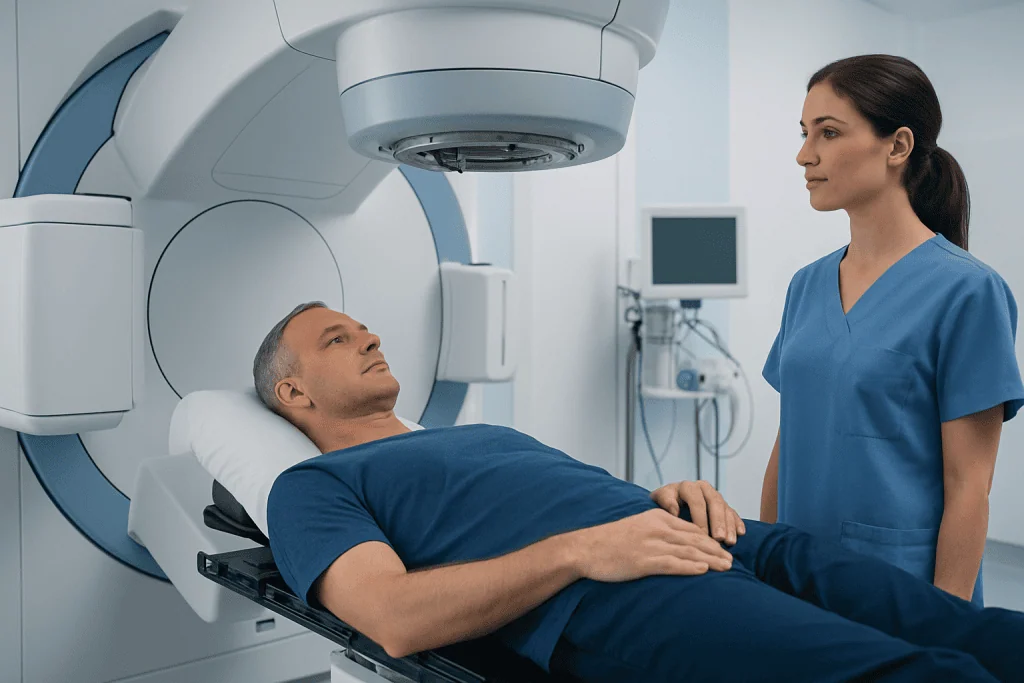
Bladder cancer treatment aims to remove or destroy cancer cells, reduce the chance of recurrence and, when possible, preserve bladder function. The first treatment for many non-muscle-invasive bladder cancers is transurethral resection of bladder tumor (TURBT). During this procedure, a urologist passes a small instrument through the urethra to remove visible tumors without making an incision in the abdomen.
After TURBT, some people receive medicine directly into the bladder, known as intravesical therapy. Depending on the cancer’s risk category, this can involve chemotherapy or bacillus Calmette-Guérin (BCG), an immunotherapy that stimulates a local immune response. These treatments are intended to lower the risk that cancer returns or progresses.
Muscle-invasive bladder cancer may require more intensive treatment. Options can include removal of the bladder, called radical cystectomy, chemotherapy before or after surgery, radiation therapy with chemotherapy for selected patients, and systemic immunotherapy or targeted treatments for advanced disease. Bladder cancer assessment helps the team determine which approach is appropriate.
People often ask about a “BV treatment timeline” or “BV treatment how long,” but these phrases may be used for several unrelated conditions. For bladder cancer, the time involved depends on the type of treatment: TURBT is often an outpatient or short-stay procedure, while intravesical treatment is delivered in scheduled cycles and follow-up cystoscopies may continue for years.
What Is the Most Successful Treatment for Bladder Cancer?
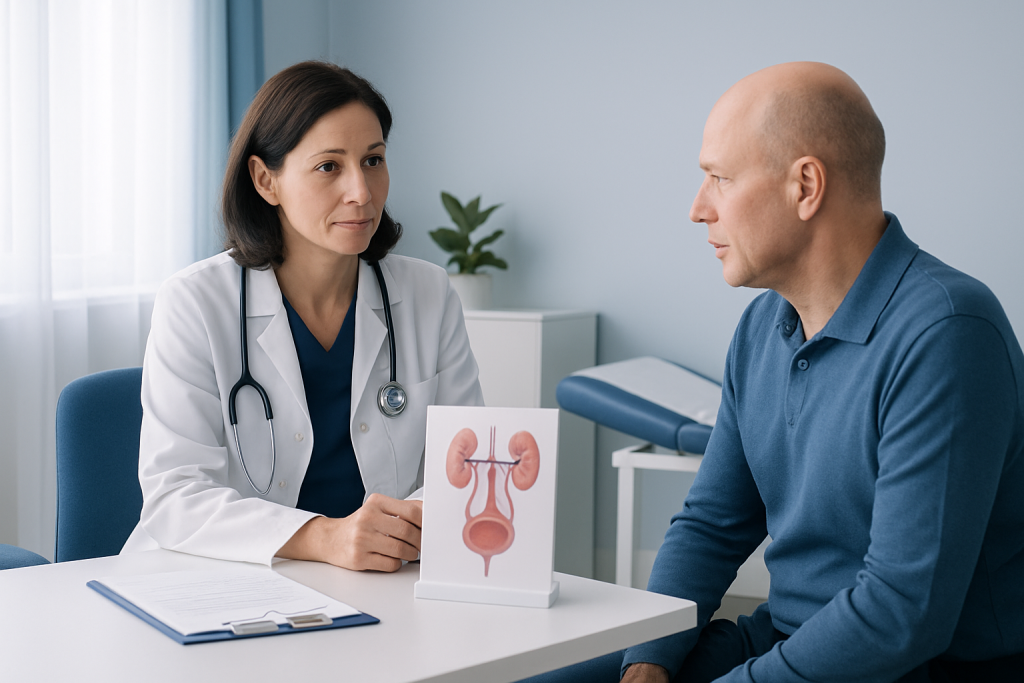
The most successful treatment for bladder cancer is the one matched to its stage and risk level. Early, non-muscle-invasive tumors are commonly managed with complete TURBT and, when indicated, intravesical therapy. Regular cystoscopy is important because even successfully treated bladder cancer can recur in the bladder.
For muscle-invasive disease, radical cystectomy with urinary diversion is a standard curative-intent option for many eligible patients. Cisplatin-based chemotherapy given before surgery may improve outcomes for suitable individuals. For others, combined chemotherapy and radiation therapy may offer a bladder-preserving alternative when careful selection and close monitoring are possible.
When bladder cancer has spread beyond the bladder, treatment is usually systemic. Chemotherapy, immunotherapy, antibody-drug conjugates and targeted medicines may be considered depending on previous treatment and tumor testing. The care team can explain whether treatment is intended to cure disease, control it for as long as possible, relieve symptoms or support quality of life.
There is no single treatment that is best for every person. A urologist, medical oncologist, radiation oncologist, pathologist and radiologist may all contribute to a personalized plan. Bladder cancer treatment may include more than one method over time.
Triple-Negative Breast Cancer: How Treatment Is Planned
Triple-negative breast cancer (TNBC) is a type of breast cancer whose cells do not have estrogen receptors, progesterone receptors or excess HER2 protein. Because it does not respond to hormone therapy or HER2-targeted therapies, chemotherapy is an important part of treatment for many people. The stage, tumor size, lymph node involvement and overall health guide treatment decisions.
For early-stage TNBC, chemotherapy may be given before surgery, called neoadjuvant chemotherapy, to shrink the tumor and show how the cancer responds to treatment. Surgery may involve breast-conserving surgery or mastectomy, depending on the individual situation. Radiation therapy may be recommended after surgery, particularly when there is a higher risk of cancer returning in the breast or nearby lymph nodes.
Some patients with higher-risk early TNBC may also be candidates for immunotherapy alongside chemotherapy and, in some cases, after surgery. People with inherited BRCA1 or BRCA2 gene changes and certain high-risk features may be considered for additional targeted treatment. Advanced TNBC may be treated with chemotherapy, immunotherapy, antibody-drug conjugates or targeted medicines chosen according to tumor and genetic testing.
Breast cancer care should include a discussion of fertility preservation, genetic counseling when appropriate, reconstructive options, emotional wellbeing and supportive care. These elements can be addressed before treatment starts and revisited throughout the treatment journey.
What Is the Newest Treatment for Triple-Negative Breast Cancer?
There is not one newest treatment for triple-negative breast cancer that suits everyone. Recent advances include immunotherapy for selected early-stage and advanced cancers, antibody-drug conjugates that deliver cancer-directed treatment into tumor cells, and targeted medicines for cancers with specific inherited or tumor-related genetic features.
For example, immunotherapy may be combined with chemotherapy in certain higher-risk early-stage TNBC cases and in some advanced cancers whose testing results suggest a likely benefit. Antibody-drug conjugates may be options after previous treatment in advanced disease. PARP inhibitors can be considered for some people with inherited BRCA mutations, depending on the stage and treatment history.
New treatments are evaluated carefully in clinical trials, and eligibility depends on the exact diagnosis, prior therapies, organ function and test results. A medical oncologist can explain which established treatments are appropriate now and whether a clinical trial may be relevant. Novel therapy should not replace proven treatment unless a specialist advises it.
Modern TNBC care also relies on supportive treatments for nausea, fatigue, infection risk, pain, nutrition and emotional health. These measures do not treat cancer directly, but they can make treatment safer and more manageable.
How Fast Does Triple-Negative Breast Cancer Grow?
Triple-negative breast cancer can grow and spread more quickly than some hormone receptor-positive breast cancers, but its behavior varies substantially from person to person. Tumor grade, size, lymph node status, genetics and the cancer’s response to treatment all affect outlook. It is not possible to reliably predict an individual tumor’s growth rate from its subtype alone.
Because TNBC may be more biologically active, timely assessment and treatment planning are important. This does not mean that every decision must be rushed. Patients should have enough time to understand pathology findings, ask questions, discuss fertility or genetic testing where relevant, and consider recommended options with their oncology team.
New breast symptoms should be assessed rather than monitored at home for long periods. A new lump, skin dimpling, nipple inversion, spontaneous bloody nipple discharge, persistent breast swelling or enlarged underarm nodes should prompt medical review. Many breast changes are not cancer, but examination and imaging can clarify the cause.
How Many Chemo Sessions for TNBC?
The number of chemotherapy sessions for TNBC varies according to the stage, the medicines used, whether treatment is before or after surgery, and how the body tolerates treatment. Chemotherapy is usually delivered in cycles separated by recovery periods. A course for early-stage disease often lasts several months, but the schedule is individualized.
Some regimens are given every week, while others are given every two or three weeks. Therefore, counting “sessions” can be less informative than discussing the full planned course, including blood tests, clinic reviews, infusion visits, surgery timing and any added immunotherapy. The oncology team will provide a written schedule and explain which visits are essential.
Questions such as “BV treatment how many days,” “BV treatment how long to work” and “BV treatment time” cannot be answered safely without knowing the condition and prescribed treatment. For TNBC chemotherapy, response may be assessed during treatment by examination and imaging, but treatment effects and side effects can evolve over weeks to months.
People should tell their care team about fever, chills, shortness of breath, severe diarrhea or vomiting, uncontrolled pain, unusual bleeding, new confusion or signs of an allergic reaction. Urgent symptoms should be assessed promptly, particularly during chemotherapy when infection risk can increase.
Procedure, Recovery, Benefits and When to Seek Medical Care
The practical steps of BC treatment depend on the diagnosis. For a bladder tumor resection, patients commonly have pre-procedure testing, anesthesia, removal of the tumor through the urethra and short-term monitoring afterward. Mild burning with urination, urinary frequency or small amounts of blood in the urine can occur for a short period, but the treating team should give individualized recovery instructions.
Breast cancer treatment may involve biopsies and imaging before treatment, systemic treatment and/or surgery, pathology review, and radiation therapy when recommended. Recovery after breast surgery varies with the procedure performed and whether reconstruction or lymph node surgery is needed. Fatigue can persist during chemotherapy and radiation, and gradual return to usual activity is commonly encouraged as tolerated.
Potential benefits include removal or control of cancer, reduced recurrence risk and symptom relief. Risks vary by treatment and can include infection, bleeding, urinary or bowel changes, fatigue, nausea, nerve symptoms, blood-count changes, skin reactions, sexual health effects and emotional strain. The care team can help prevent, monitor and manage many side effects.
Medical care should be sought urgently for severe or worsening symptoms, including heavy bleeding, inability to pass urine, chest pain, difficulty breathing, a fever during chemotherapy, severe dehydration, sudden weakness or new confusion. Acibadem International’s multidisciplinary specialists and JCI-accredited hospitals diagnose and treat bladder and breast cancers for international patients, with care plans based on each person’s clinical needs.
Frequently asked questions
What does BC treatment stand for?
BC treatment commonly refers to bladder cancer treatment or breast cancer treatment. The meaning should be confirmed with the healthcare professional or in the medical record, because the conditions and treatments are very different.
How long does bladder cancer treatment take?
Treatment length depends on the cancer stage and the chosen approach. A tumor-removal procedure may take place in one day, while intravesical therapy, surgery recovery, systemic treatment and long-term surveillance can extend over months or years.
Can bladder cancer be treated without removing the bladder?
Yes, many non-muscle-invasive bladder cancers are treated without bladder removal. Some selected muscle-invasive cancers may also be managed with a bladder-preserving combination of tumor resection, chemotherapy and radiation, although this is not suitable for everyone.
Is chemotherapy always needed for triple-negative breast cancer?
Chemotherapy is commonly recommended for TNBC because this subtype does not benefit from hormone therapy or HER2-targeted therapy. However, the need for chemotherapy depends on tumor size, stage, lymph node status, overall health and other individual factors.
What happens after chemotherapy for TNBC?
After chemotherapy, the next step may be surgery, radiation therapy, continued immunotherapy or follow-up, depending on when chemotherapy was given and the pathology results. The oncology team reviews treatment response and adjusts the plan when needed.
Can treatment side effects be managed?
Many side effects can be reduced with supportive medicines, nutrition guidance, activity adjustments and early communication with the care team. Patients should report new or worsening symptoms promptly rather than waiting for their next appointment.
References
- National Cancer Institute
- American Cancer Society
- European Association of Urology
- European Society for Medical Oncology
- National Comprehensive Cancer Network
This article is for general information only and is not a substitute for professional medical advice. Please consult a qualified doctor about your individual situation.
Oncology care in Turkey — second opinion and treatment plan
JCI-accredited · board-certified surgeons · reply within 24h
Add us as a Preferred Source to see more of our trusted health content across Google Search, AI Overviews and Discover.