Brain Pacemakers for Tremor: How Neuromodulation Helps
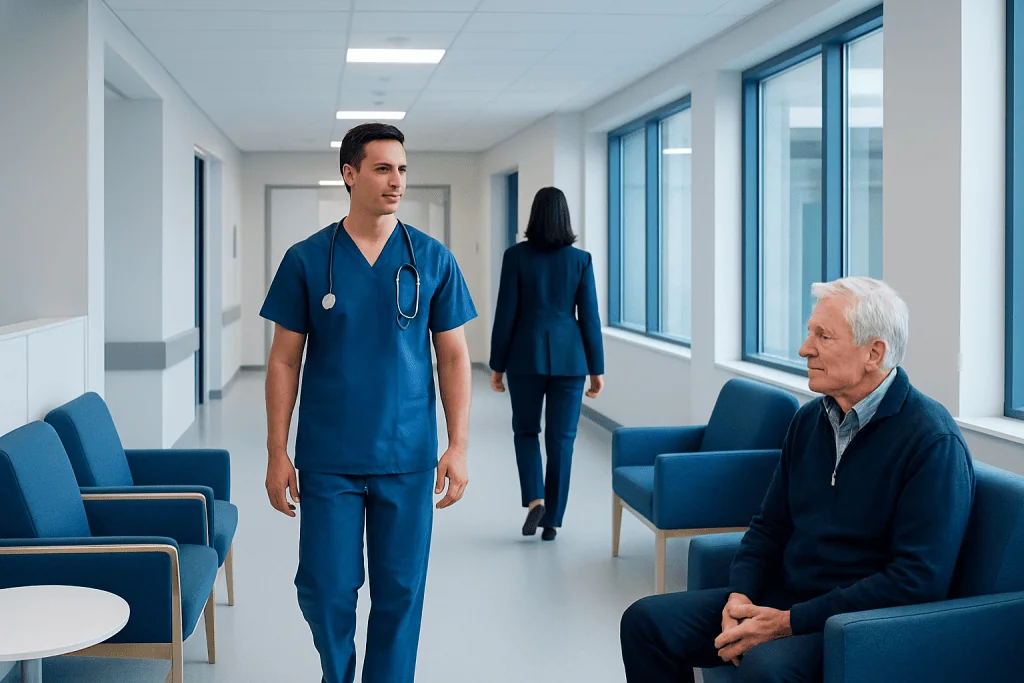
Brain pacemakers for tremor usually refer to deep brain stimulation, or DBS. DBS does not cure the underlying condition, but it can lessen tremor and improve daily function.
Key Takeaways
- Brain pacemakers for tremor usually refer to deep brain stimulation, or DBS.
- DBS does not cure the underlying condition, but it can lessen tremor and improve daily function.
- Careful patient selection, brain imaging, and neurological testing are important before treatment.
- The device can often be adjusted over time to balance symptom control and side effects.
- Not every tremor is treated with surgery; medications and other therapies may still be the best option for many people.
Brain pacemakers for tremor are implanted neuromodulation devices that can help reduce involuntary shaking when medication does not provide enough relief. They are most often used for selected people with essential tremor or Parkinson’s disease after specialist evaluation.
Overview
Brain pacemakers for tremor are small implanted devices used to deliver carefully controlled electrical stimulation to specific areas of the brain. This approach is called neuromodulation, and the most established form for tremor is deep brain stimulation, often shortened to DBS. The goal is not to remove brain tissue or permanently damage a nerve pathway. Instead, the system helps regulate abnormal signaling in brain circuits involved in movement.
Tremor is a rhythmic shaking movement that can affect the hands, head, voice, legs, or other body parts. For some people, tremor is mild and manageable. For others, it can interfere with writing, eating, dressing, work, and social confidence. When tremor remains troublesome despite medicines, specialists may consider brain pacemakers for tremor as a treatment option.
DBS has been used for many years in carefully selected patients, especially those with essential tremor and some people with Parkinson’s disease. In many cases, it can reduce tremor significantly and improve independence in daily life. However, it is not the right treatment for every type of tremor, and it works best after evaluation by a team experienced in movement disorders, neurology, and neurosurgery.
Who may benefit from brain pacemakers for tremor
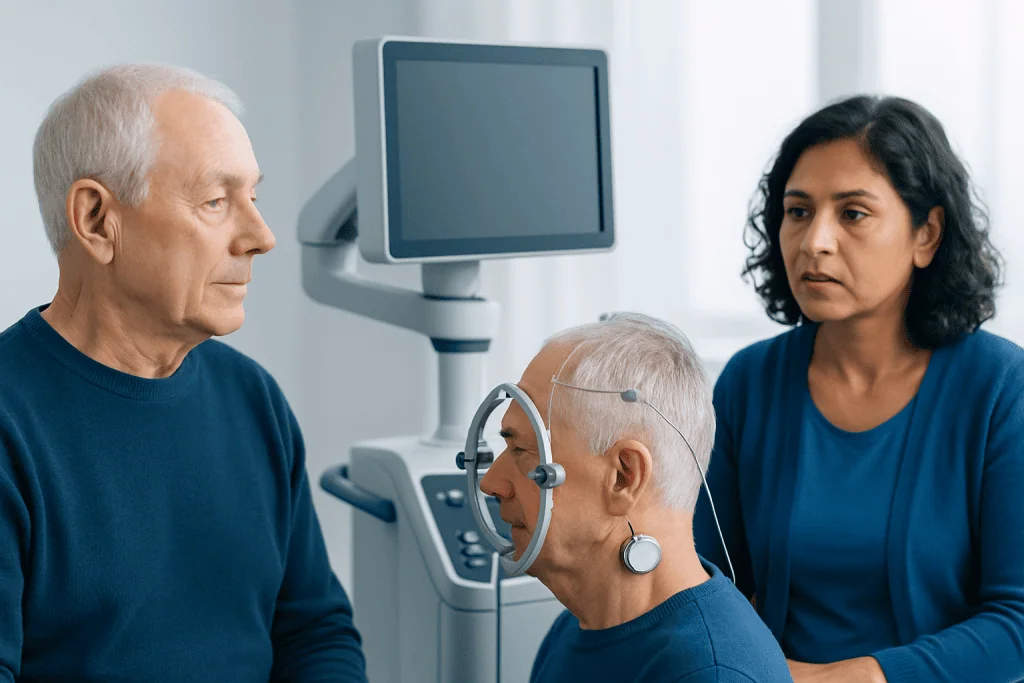
People considered for DBS usually have tremor that causes meaningful disruption in everyday activities and has not responded well enough to medication. A specialist will look at how often the tremor occurs, which body parts are involved, how severe it is, and whether it improves with medication. The impact on quality of life is a key part of decision-making.
The two most common conditions treated with brain pacemakers for tremor are essential tremor and tremor related to Parkinson’s disease. Essential tremor often affects the hands during action, such as drinking from a cup or using utensils. Parkinson’s tremor may be more noticeable at rest, but many people with Parkinson’s also have tremor that remains bothersome despite medication.
DBS is less commonly used for other tremor syndromes, and the expected results may vary. A person’s age alone does not determine eligibility. Instead, doctors consider overall health, memory and thinking, mood, balance, the presence of other medical conditions, and whether the tremor pattern matches a condition known to respond well to neuromodulation.
- Tremor severe enough to affect daily function
- Inadequate benefit or side effects from medication
- A confirmed diagnosis by a movement disorders specialist
- Reasonable surgical fitness and realistic expectations
How brain pacemakers work
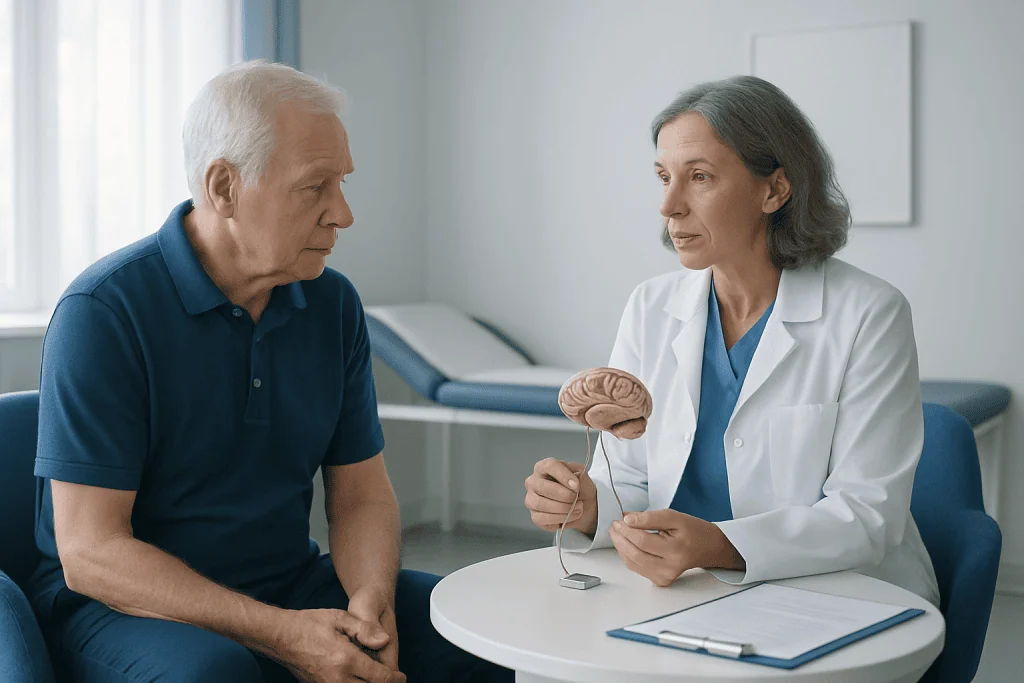
A brain pacemaker system usually has three main parts: thin wires called leads placed in a targeted area of the brain, a pulse generator implanted under the skin of the chest, and extension wires connecting the two. The pulse generator sends electrical impulses to the brain lead. These signals help modify the abnormal activity in movement circuits that contributes to tremor.
The exact brain target depends on the diagnosis and the person’s symptoms. In many tremor cases, the lead is placed in a deep brain structure involved in movement control. The stimulation settings can later be adjusted from outside the body during clinic visits. This is one of the main advantages of DBS compared with procedures that create a permanent lesion, because the therapy can be fine-tuned over time.
Although people often call them “brain pacemakers,” these devices are different from heart pacemakers. They do not control the heartbeat. Instead, they provide patterned stimulation to the brain. The treatment is usually considered when less invasive options have not provided enough relief and when the likely benefits outweigh the risks.
Evaluation and treatment may involve advanced neurological assessment and deep brain stimulation planning, along with imaging and postoperative programming. Because symptoms can change over time, follow-up is an essential part of care rather than an afterthought.
Evaluation and diagnosis before treatment
Before recommending DBS, doctors first make sure the tremor diagnosis is accurate. Tremor can have several causes, including essential tremor, Parkinson’s disease, medication effects, thyroid problems, and other neurological conditions. A detailed history and neurological examination are central to the process. The doctor may ask when the tremor appears, whether it is present at rest or during action, and how it responds to stress, caffeine, alcohol, sleep, or medication.
Additional testing may include brain imaging, blood tests, and sometimes neuropsychological assessment. Imaging helps with surgical planning and may also help rule out other structural problems. Cognitive and mood evaluation is important because memory difficulties, untreated depression, anxiety, or other mental health concerns may affect whether surgery is advisable or how recovery is experienced.
Medication review is also essential. Some people have not yet tried the most suitable medicines or may benefit from adjusting current treatment before considering surgery. Others may have a tremor type that responds poorly to DBS. This is why specialist assessment is so important: the treatment decision should be based on the whole clinical picture, not on tremor severity alone.
In many centers, the evaluation is multidisciplinary. Neurologists, neurosurgeons, neuroradiologists, neuropsychologists, and specialized nurses may all contribute. This team approach helps clarify diagnosis, discuss realistic outcomes, and choose whether surgery, continued medical therapy, or another strategy is most appropriate.
The procedure, recovery, and programming
The surgery is usually performed in stages or as a planned sequence, depending on the center and the individual case. The brain lead or leads are placed with careful image guidance and functional targeting, and the pulse generator is typically implanted under the skin near the chest. People often want to know whether they will be awake during surgery. The answer varies: some procedures are done with the patient awake for part of the process, while others may be done under general anesthesia, depending on the technique used.
After implantation, the system is not simply turned on and forgotten. Programming is a crucial step. At follow-up visits, clinicians adjust the device settings to improve tremor control while limiting side effects such as tingling, speech changes, imbalance, or muscle pulling. It can take several sessions to find the settings that work best.
Recovery after surgery differs from person to person. Many people resume light daily activities within a relatively short period, but the full benefit may not be clear until programming has been optimized. Ongoing care may also include medication adjustments, since DBS and medication often work together rather than replacing one another completely.
For some patients, related support such as Parkinson’s disease treatment or rehabilitation planning helps improve overall function. The most successful outcomes usually come from consistent follow-up, realistic goals, and good communication between the patient, family, and care team.
Benefits, limitations, and possible risks
The main benefit of brain pacemakers for tremor is improved symptom control when medication alone is not enough. Many people experience less shaking in the treated body region, which can make daily tasks easier. This may improve eating, writing, grooming, using a phone, or performing hobbies and work activities. Because the stimulation is adjustable, doctors can adapt therapy as symptoms evolve.
At the same time, DBS has limitations. It does not cure essential tremor or Parkinson’s disease, and it may not improve all symptoms equally. For example, some people with Parkinson’s may still have issues such as balance difficulty, stiffness, slowness, or non-motor symptoms. In essential tremor, hand tremor may improve more than head or voice tremor, depending on the case.
As with any brain procedure, there are possible risks. These can include bleeding, infection, discomfort at the implant site, lead movement, hardware problems, or side effects from stimulation settings. Some people may notice changes in speech, balance, mood, or sensation that improve after reprogramming, while others may need further adjustment or additional treatment. Careful evaluation helps reduce risk but cannot remove it entirely.
Long-term maintenance is also part of treatment. The battery may need replacement after a number of years, depending on the device type and settings. Regular follow-up helps monitor symptom control, check hardware function, and address new concerns promptly.
Living with a brain pacemaker: self-care and follow-up
Living with a brain pacemaker usually involves a partnership between the patient and the care team. Follow-up appointments are important for programming, medication review, and checking how symptoms affect day-to-day life. People are often given guidance about wound care after surgery, returning to activity, and when to seek advice for redness, swelling, fever, or sudden symptom changes.
Many people can return to a wide range of normal activities after recovery, but they should always ask their doctor about specific restrictions. Certain scans, medical procedures, or strong electromagnetic environments may require precautions depending on the device model. Patients should carry information about their implant and inform healthcare providers before other treatments or operations.
Self-care still matters even after surgery. Good sleep, stress management, limiting personal tremor triggers, and staying physically active within safe limits may all help overall function. Occupational therapy can also be useful for practical strategies and adaptive tools. When emotional wellbeing has been affected by long-standing tremor, psychological support may also be beneficial.
Near the end of the treatment pathway, some international patients seek coordinated specialist care abroad. Acibadem International’s multidisciplinary specialists in JCI-accredited hospitals diagnose and treat movement disorders and may provide evaluation for therapies such as stereotactic and functional neurosurgery when appropriate.
When to see a doctor
A person should see a doctor if tremor is new, worsening, or interfering with daily activities such as eating, writing, dressing, or working. Medical review is also important if tremor appears along with slowness, stiffness, balance problems, weakness, numbness, or changes in speech. These details help doctors identify the cause and guide treatment safely.
Urgent medical attention is needed if shaking begins suddenly with other neurological symptoms such as severe weakness, facial drooping, confusion, a severe new headache, or trouble speaking, because these symptoms may point to an emergency unrelated to chronic tremor. People who already have an implanted device should also contact their doctor if they develop signs of infection, sudden loss of benefit, painful swelling, or unexpected device-related symptoms.
For anyone wondering whether brain pacemakers for tremor might be suitable, the best next step is an assessment by a movement disorders specialist. A careful diagnosis and discussion of goals, alternatives, risks, and expected outcomes are essential before deciding on neuromodulation.
Frequently asked questions
What are brain pacemakers for tremor?
Brain pacemakers for tremor usually refer to deep brain stimulation devices. They send controlled electrical signals to specific brain areas to help reduce abnormal movement activity that causes shaking.
Do brain pacemakers cure tremor?
No, they do not cure the underlying condition. They are designed to manage symptoms and can reduce tremor enough to improve daily function in selected patients.
Who is a good candidate for deep brain stimulation?
A good candidate usually has a confirmed tremor disorder, significant symptoms, and insufficient relief from medication or medication side effects. Suitability also depends on overall health, cognition, mood, and the type of tremor involved.
Is the procedure reversible?
DBS is generally considered adjustable and more reversible than procedures that permanently destroy tissue, because the stimulation can be changed or turned off. However, it still involves brain surgery and implanted hardware, so it should be considered carefully with a specialist team.
Will medication still be needed after surgery?
Sometimes yes. Some people can reduce medication after DBS, while others continue taking medicine because surgery and medication often work together to control symptoms.
Are there risks or side effects?
Yes, like any surgical treatment, DBS has risks. Possible issues include infection, bleeding, hardware problems, and stimulation-related effects such as speech or balance changes, many of which can be managed with follow-up and reprogramming.
References
- National Institute of Neurological Disorders and Stroke
- National Institute for Health and Care Excellence
- Parkinson's Foundation
- International Parkinson and Movement Disorder Society
- American Academy of Neurology
This article is for general information only and is not a substitute for professional medical advice. Please consult a qualified doctor about your individual situation.
Neuromodulation in Turkey — costs, top hospitals & a free quote
JCI-accredited · board-certified surgeons · reply within 24h
Add us as a Preferred Source to see more of our trusted health content across Google Search, AI Overviews and Discover.