Chemo Hats: How It Works, Results and What to Expect

Chemo hats are comfort items, not a cancer treatment, and they do not prevent or treat chemotherapy-related hair loss. Soft, breathable fabrics with minimal seams can reduce irritation on a tender or hairless scalp.
Key Takeaways
- Chemo hats are comfort items, not a cancer treatment, and they do not prevent or treat chemotherapy-related hair loss.
- Soft, breathable fabrics with minimal seams can reduce irritation on a tender or hairless scalp.
- Hair loss patterns, treatment effects and emotional responses to appearance changes vary widely between people.
- Chemotherapy response is assessed through clinical review, blood tests and imaging, not by how a person feels from day to day.
- Fever, breathing difficulty, uncontrolled vomiting or signs of infection during chemotherapy require prompt medical advice.
Chemo hats are soft head coverings worn by some people during chemotherapy, commonly to provide warmth, protect a sensitive scalp and support comfort when hair thins or falls out. They do not affect how chemotherapy works, but choosing breathable, gentle materials can make everyday treatment and recovery more comfortable.
Chemo Hats: What They Are and How They Help
Chemo hats are soft caps, beanies, turbans or other head coverings used by people receiving chemotherapy. They are often worn if treatment causes hair thinning or hair loss, but they may also be useful for anyone whose scalp feels dry, sensitive or colder than usual. A hat can offer a practical layer of warmth while giving the person a choice about how they wish to look and feel in public, at home or during appointments.
Unlike cold caps, which are a scalp-cooling approach intended to reduce the chance of some chemotherapy-related hair loss, chemo hats do not change the effects of cancer treatment on hair follicles. Their role is comfort and coverage. They may be worn alone, with a scarf, or under a looser outer hat depending on weather, personal preference and scalp sensitivity.
Chemo hats and caps come in many styles, from lightweight sleep caps to structured headwear for daytime use. Some people prefer neutral designs for work, while others choose bright colors or patterns. There is no medically correct style; the best option is one that feels comfortable, secure and easy to manage.
How Chemotherapy Can Affect Hair and the Scalp
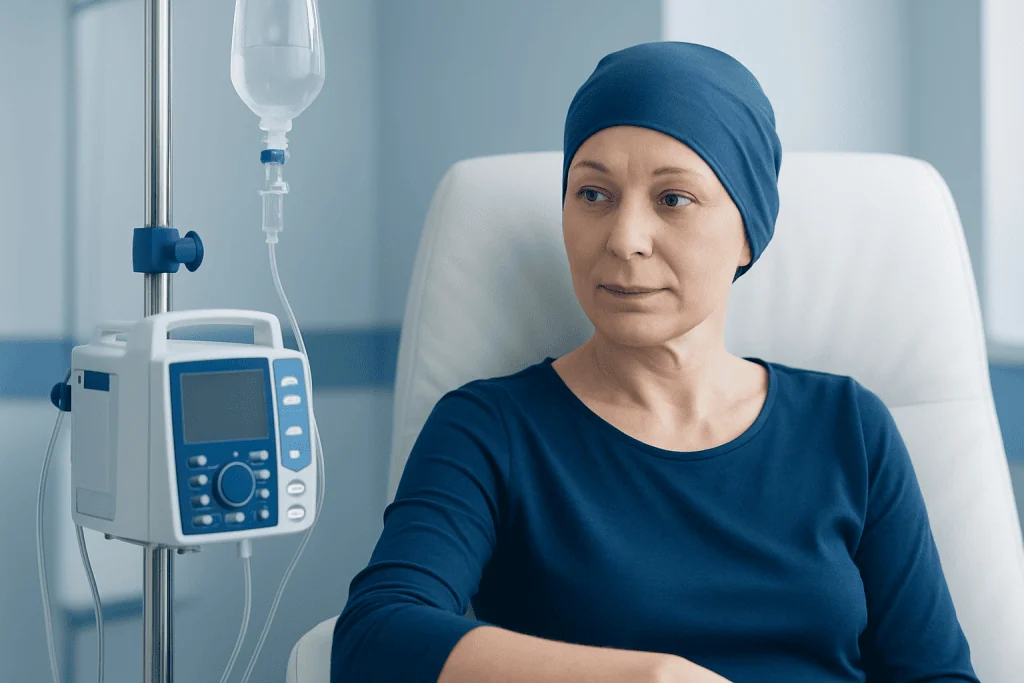
Chemotherapy medicines target rapidly dividing cells. Because hair follicle cells divide quickly, some medicines can cause scalp hair to thin or fall out. Eyebrows, eyelashes and body hair may also be affected. However, hair loss does not happen with every chemotherapy regimen, and the amount of hair loss can range from mild thinning to more complete loss.
When hair loss occurs, it often begins a few weeks after treatment starts, although timing differs by medicine and individual. The scalp may feel tender, itchy, dry or unusually sensitive before or during shedding. A smooth, soft chemo hat can reduce friction from bedding, clothing or cooler air, but it should not feel tight or create pressure on the scalp.
For many people, hair begins to regrow after chemotherapy ends, though the timing, texture and color of regrowth can initially differ from their previous hair. The oncology team can explain whether hair loss is expected with a specific regimen and discuss options such as chemotherapy care and supportive treatment before treatment begins.
Who May Benefit From Chemo Hats and How to Choose One

Chemo hats may be helpful for adults and children who have hair loss, scalp discomfort or sensitivity during chemotherapy. They can also be useful after surgery, during recovery from other cancer treatments, or whenever a person wants a lightweight alternative to wigs. There is no requirement to wear head coverings after hair loss; many people decide to go without them, while others use several different styles for different settings.
When choosing chemo hats for work, comfort and practicality are usually most important. A breathable cap that stays in place, can be packed easily and does not require frequent adjustment may suit a long workday. In warm settings, cotton, bamboo-derived viscose, modal or other soft moisture-managing fabrics may feel more comfortable. In colder weather, a lined knit hat or layered head covering may provide more warmth.
Look for smooth interiors, low-profile seams and fabrics that do not scratch. Avoid anything that causes headaches, leaves deep marks, traps excessive heat or rubs against irritated skin. Washing a new hat before wearing it may remove manufacturing residues, and having several hats allows regular laundering without leaving the person without a preferred option.
- Choose a gentle, flexible fit rather than a tight band.
- Use lightweight fabrics for sleep or warm indoor environments.
- Consider sun-protective coverage outdoors, along with sunscreen on exposed scalp when appropriate.
- Stop using any item that causes rash, persistent itching or pressure discomfort.
How to Use and Care for Chemo Hats: A Simple Routine
There is no medical procedure involved in using chemo hats. A person can begin wearing one before hair loss, when hair starts to thin, or at any time they want scalp coverage. Before putting it on, the scalp can be gently cleaned and dried. If the oncology team has recommended a moisturizer for dryness, it should be allowed to absorb before applying headwear.
A practical routine is to reserve softer, looser caps for rest and sleep, and choose a more secure style for errands, appointments or work. The hat should be removed periodically if it feels hot or uncomfortable. Wearing a clean cap each day is sensible, especially during treatment periods when skin can be more sensitive and the immune system may be lowered.
Most hats can be hand-washed or machine-washed according to the care label with mild detergent. Fragrance-free products may be better tolerated by a sensitive scalp. Hats should be fully dry before use. If a person is exploring chemo hats DIY projects or chemo hats to make for a loved one, soft washable fabric and smooth seams are generally more important than elaborate decoration. Online discussions, including a chemo hat Reddit community, can provide personal ideas, but medical questions should be directed to the oncology team.
Benefits, Limitations and Possible Problems
The main benefits of chemo hats are warmth, scalp protection, privacy and personal expression. For some people, having a familiar cap available can make leaving home, returning to work or attending treatment appointments feel more manageable. Hats may also protect a hairless scalp from cool air and minor friction, although they are not a substitute for appropriate sun protection.
Chemo hats have limitations. They do not determine whether chemotherapy will work, prevent hair loss or make hair regrow faster. They also cannot prevent all scalp symptoms. If the scalp is very sore, inflamed or broken, a clinician should assess it rather than relying only on a new product or head covering.
Potential problems are usually minor and relate to tightness, heat, sweating, contact irritation or friction. Avoid sharing hats, particularly during periods of lowered immunity. A soft, clean hat is generally low risk, but persistent rash, open sores, drainage or increasing scalp pain should be reported to the care team.
What Is the Success Rate of Chemo Caps?
The phrase “chemo caps” can mean either ordinary chemo hats or scalp-cooling caps. Ordinary chemo hats are not a treatment and therefore do not have a cancer-treatment success rate. Their success is personal: they are useful if they provide comfortable coverage, warmth or confidence without irritating the scalp.
Scalp-cooling caps are different. They lower the temperature of the scalp around chemotherapy sessions and may reduce hair loss for some people receiving certain medicines. Their effectiveness varies according to the chemotherapy regimen, cap fit, cooling protocol, hair type and individual response. They do not work equally well for everyone and may not be suitable in every cancer situation.
An oncologist can explain whether scalp cooling is medically appropriate and what result is realistic for a specific treatment plan. Decisions about cancer response should always be based on the cancer type, stage, treatment goals, scans, examinations and laboratory findings—not on hair loss or hair preservation.
What Are Good Signs That Chemo Is Working?
Feeling better can sometimes be encouraging, such as when pain, cough, swelling or other cancer-related symptoms improve. However, symptoms alone cannot confirm that chemotherapy is working. Some cancers cause few symptoms from the beginning, and treatment side effects can make a person feel unwell even when the treatment is effectively controlling the cancer.
Oncology teams evaluate response using the information most relevant to the individual condition. This can include physical examination, blood tests, tumor markers when appropriate, and imaging such as CT, MRI or PET scans. These assessments are usually scheduled at specific points in the treatment plan rather than after every infusion.
It is important not to judge treatment effectiveness by hair loss, nausea, fatigue or the intensity of other side effects. More side effects do not mean chemotherapy is working better, and fewer side effects do not mean it is ineffective. New symptoms or concerns should be discussed promptly so the team can provide supportive care and decide whether evaluation is needed.
What Week of Chemo Is the Hardest, and What Is Forbidden During Chemo?
There is no single hardest week of chemotherapy. The experience depends on the medicines used, the schedule, other treatments, overall health and how the body recovers between cycles. Some people feel more tired or nauseated in the days after an infusion, while others notice cumulative fatigue over several cycles. Blood counts may reach their lowest point at a predictable time after treatment, and the oncology team will explain the expected pattern for the specific regimen.
During chemotherapy, certain precautions are important rather than universally “forbidden.” People should not start vitamins, herbal products, over-the-counter medicines or complementary therapies without checking with their oncology team, because some can interfere with treatment or increase side effects. Alcohol, smoking and vaping should be discussed with the treating team, and pregnancy should be avoided when chemotherapy may harm a developing fetus.
Food safety, infection prevention and medication safety are also important. The care team may advise avoiding raw or undercooked foods, unpasteurized products or foods that have not been handled safely, especially when white blood cell counts are low. People should follow their individual guidance regarding vaccines, dental procedures, travel, exercise and exposure to people with contagious illnesses.
Acibadem International’s multidisciplinary specialists and JCI-accredited hospitals provide cancer diagnosis, treatment planning and supportive care for international patients. Personalized discussions can help patients understand expected treatment effects and practical comfort measures during therapy.
When to Seek Medical Care
People receiving chemotherapy should follow the urgent-contact instructions provided by their oncology team. Contact the team promptly for a fever or chills, shortness of breath, chest pain, confusion, severe weakness, uncontrolled vomiting or diarrhea, inability to drink fluids, unusual bleeding, or signs of infection such as increasing redness, warmth, swelling or drainage.
A new rash, painful scalp sores or an allergic reaction after using a hat, hair product or adhesive should also be discussed with a clinician. For swelling of the face or throat, trouble breathing, severe chest symptoms or fainting, emergency medical care is needed.
It is appropriate to ask for help with emotional strain as well. Hair loss and visible changes during cancer treatment can affect identity, relationships and confidence. Oncology nurses, counselors, social workers and support services can offer practical resources and emotional support alongside medical treatment.
Frequently asked questions
Are chemo hats the same as cold caps?
No. Chemo hats are worn for warmth, comfort and coverage, while cold caps are designed to cool the scalp during certain chemotherapy treatments in an effort to reduce hair loss. Cold-cap suitability and expected results should be discussed with the oncology team.
When should someone buy chemo hats?
Some people like to have a few soft hats ready before treatment starts, especially if their regimen is likely to cause hair loss. Others prefer to wait and see how their hair and scalp respond. Either approach is reasonable.
What material is best for a chemo hat?
Soft, breathable and washable materials are often most comfortable, particularly if the scalp is sensitive. Cotton, bamboo-derived viscose and modal are commonly chosen, but the best material is one that does not itch, overheat or feel restrictive.
Can a person wear a chemo hat to sleep?
Yes, a loose, lightweight sleep cap may help with warmth and reduce friction against bedding. It should not be tight or cause sweating, headache or pressure marks. Keeping sleep caps clean is important.
Does hair loss mean chemotherapy is working?
No. Hair loss is a side effect of some chemotherapy medicines and does not measure how well cancer is responding. The oncology team uses examinations, blood tests and imaging to assess treatment response.
Can someone make chemo hats at home?
Yes, chemo hats can be made at home if the fabric is soft, washable and comfortable against sensitive skin. Smooth seams and a non-tight fit are important. Avoid rough wool, scratchy trims, strong fragrances and decorations that may irritate the scalp.
References
- American Cancer Society
- National Cancer Institute
- American Society of Clinical Oncology
- Cancer Research UK
- Macmillan Cancer Support
This article is for general information only and is not a substitute for professional medical advice. Please consult a qualified doctor about your individual situation.
Hair transplant in Turkey — costs, graft counts & a free assessment
JCI-accredited · board-certified surgeons · reply within 24h