Cold Feeling in Chest: An Evidence-Based Guide for Patients

A cold feeling in chest is a symptom, not a disease, and it can come from the lungs, esophagus, chest wall, or nervous system. Common causes include airway irritation, acid reflux, anxiety, muscle strain, and exposure to cold air.
Key Takeaways
- A cold feeling in chest is a symptom, not a disease, and it can come from the lungs, esophagus, chest wall, or nervous system.
- Common causes include airway irritation, acid reflux, anxiety, muscle strain, and exposure to cold air.
- Sudden chest symptoms with shortness of breath, severe pain, fainting, or sweating require urgent medical assessment.
- Doctors diagnose the cause by combining symptom history, physical examination, and tests such as ECG, imaging, or lung function studies when needed.
- Treatment depends on the underlying cause and may include inhalers, reflux care, pain relief, stress management, or treatment for heart and lung conditions.
A cold feeling in chest can have several causes, ranging from harmless irritation of the airways or esophagus to conditions that need prompt medical attention. The sensation itself is not a diagnosis, so it helps to look at associated symptoms, timing, and possible triggers.
Overview: what a cold feeling in chest may mean
A cold feeling in chest usually means a person notices an unusual cool, icy, hollow, or mint-like sensation inside the chest rather than on the skin. In many cases, this feeling is related to irritation in the airways, acid moving up from the stomach, anxiety-related breathing changes, or strain in the chest muscles. It can also happen during a respiratory infection or after breathing cold, dry air.
Less often, chest sensations that feel cold, tight, heavy, or burning can overlap with symptoms of more serious heart or lung conditions. Because the chest contains the heart, lungs, esophagus, major blood vessels, nerves, and muscles, different problems can create similar feelings. The pattern of symptoms matters more than the word “cold” alone.
It is helpful to notice when the sensation starts, how long it lasts, whether it happens with exercise or meals, and whether there are other symptoms such as cough, wheezing, heartburn, palpitations, or shortness of breath. These details help a clinician narrow down the cause and decide whether urgent testing is needed.
What the sensation can feel like
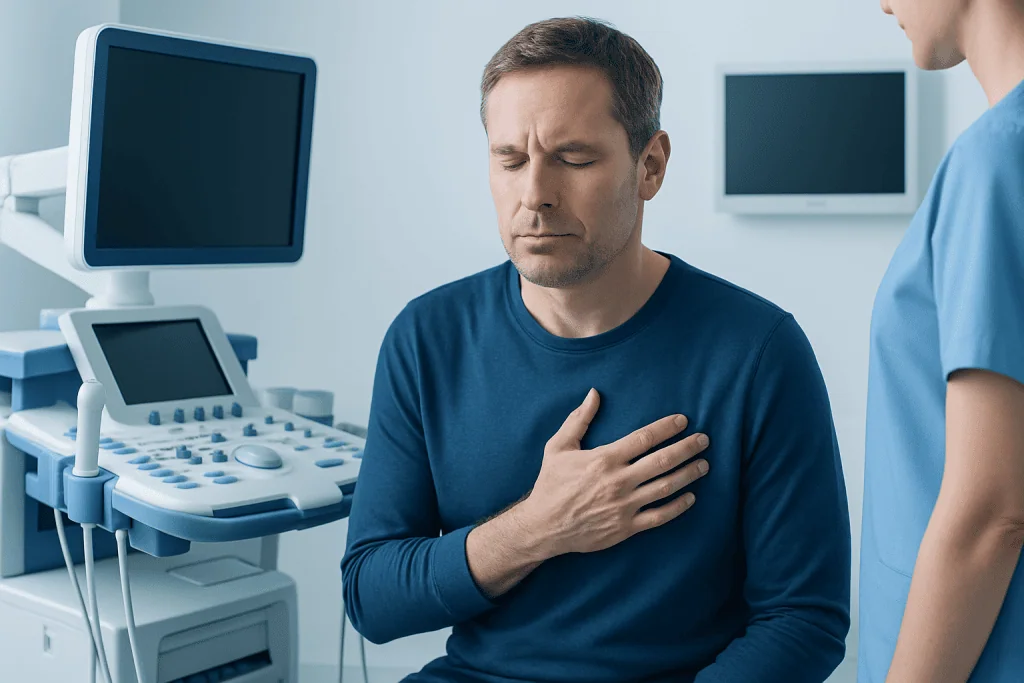
People describe a cold feeling in chest in different ways. Some feel a cool patch behind the breastbone. Others notice a chilly or empty feeling when they breathe in, a tight sensation after going outdoors in winter, or a wave of coolness that comes with anxiety or rapid breathing. The sensation may be brief and occasional or may come back repeatedly.
The feeling may appear alone, but it often occurs with other symptoms. These can include:
- Cough, wheezing, or chest tightness
- Heartburn, sour taste, or discomfort after meals
- Sharp pain that changes with movement or deep breathing
- Palpitations, trembling, or a sense of panic
- Shortness of breath, fatigue, or dizziness
Paying attention to triggers can be especially useful. For example, a cold feeling during exercise in chilly weather may suggest airway sensitivity, while symptoms after spicy meals or when lying down may point more toward reflux. Pain that can be reproduced by pressing on the chest wall often suggests a musculoskeletal source.
Common causes and risk factors

One common explanation is irritation of the airways. Cold air, viral infections, asthma, and bronchitis can make breathing feel uncomfortable or unusually cool. People with asthma may notice chest tightness, cough, or wheezing, especially with exercise or respiratory infections. In some cases, doctors may evaluate symptoms in the context of asthma.
Another frequent cause is gastroesophageal reflux, in which stomach acid irritates the esophagus. Reflux does not always feel like classic burning heartburn. Some people describe pressure, coolness, or discomfort behind the breastbone, especially after meals, when bending over, or when lying flat. This can overlap with gastroesophageal reflux disease.
Anxiety and stress can also create a cold feeling in chest. During stress, breathing may become faster or shallower, which can change sensations in the chest and throat. Muscle tension can add pressure or aching. While these symptoms are real and common, anxiety should not be assumed until urgent heart or lung causes have been considered when appropriate.
Other possibilities include muscle strain, costochondritis, pneumonia, pleurisy, and heart-related problems such as reduced blood flow to the heart. Risk factors that raise concern for more serious causes include older age, smoking, high blood pressure, diabetes, high cholesterol, a history of heart or lung disease, recent immobility, fever, or recent major infection.
How doctors evaluate a cold feeling in chest
Evaluation begins with a careful symptom history. A doctor will usually ask where the sensation is felt, whether it is painful, how long it lasts, what brings it on, and what other symptoms occur with it. They may ask about exercise tolerance, recent illness, smoking, medications, anxiety symptoms, and family history of heart disease.
The physical examination often includes listening to the heart and lungs, checking oxygen levels, and looking for signs of airway disease, infection, chest wall tenderness, or poor circulation. In many people, this first assessment provides important clues about whether the likely source is respiratory, digestive, musculoskeletal, or cardiovascular.
Tests are chosen based on the clinical picture. They may include an electrocardiogram to assess the heart, chest X-ray to look at the lungs, blood tests, pulse oximetry, or lung function testing. If reflux is strongly suspected, treatment may be tried first, while persistent cases may need further digestive evaluation. Some patients may also need advanced imaging or a review by specialists, including cardiology evaluation or pulmonology assessment.
Treatment options depend on the cause
There is no single treatment for a cold feeling in chest because the symptom can come from different systems in the body. If airway irritation or asthma is involved, treatment may include avoiding triggers, using prescribed inhalers, and managing allergies or infections. Viral respiratory infections often improve with rest, fluids, and symptom-based care, while bacterial infections may need targeted treatment.
If reflux is the main cause, treatment usually focuses on reducing acid exposure and calming irritation of the esophagus. This may include meal-timing changes, avoiding trigger foods, weight management when appropriate, and acid-reducing medicines recommended by a doctor. Persistent cases may benefit from a formal gastroenterology review.
For musculoskeletal causes, rest, posture adjustments, and simple pain-relief strategies may help. When anxiety contributes to chest sensations, breathing exercises, stress reduction, sleep support, and mental health care can be useful. If a heart-related cause is suspected or confirmed, treatment may be urgent and can range from medication to hospital-based care. In selected cases, further check-up and diagnostics help clarify the safest next step.
Self-care and prevention
Prevention depends on the underlying trigger, but some practical measures help many people. Avoiding tobacco smoke, treating seasonal allergies, and protecting the airways in very cold weather may reduce symptoms related to breathing. A scarf over the nose and mouth can help warm and humidify inhaled air during winter.
For reflux-related symptoms, it may help to eat smaller meals, avoid lying down soon after eating, limit personal trigger foods, and maintain a healthy weight if advised by a clinician. Gentle activity, adequate hydration, and good sleep can also support overall chest and digestive comfort.
If anxiety seems to play a role, structured breathing, mindfulness techniques, and regular exercise may reduce episodes. It is important, however, not to self-diagnose recurring chest symptoms as “just stress” without medical review, especially if the pattern changes or symptoms become more intense.
Near the end of the care pathway, some patients benefit from multidisciplinary assessment. Acibadem International’s specialists in JCI-accredited hospitals evaluate chest symptoms for international patients and coordinate care when respiratory, digestive, or cardiac causes need to be considered together.
When to seek medical care
A cold feeling in chest should be assessed promptly if it is new, severe, or paired with warning signs. Urgent medical care is important if the sensation comes with chest pain or pressure, shortness of breath, fainting, bluish lips, severe sweating, confusion, or pain spreading to the arm, back, jaw, or neck. These symptoms can point to a serious heart or lung problem.
Medical review is also important if symptoms happen repeatedly, wake a person from sleep, follow exercise, or occur with fever, ongoing cough, wheezing, or unexplained weight loss. People with known heart disease, asthma, clotting risk, or major cardiovascular risk factors should have a lower threshold to seek evaluation.
Even when the cause turns out to be non-serious, chest symptoms deserve careful attention because early assessment can rule out emergencies and guide the right treatment. If there is any doubt about whether symptoms are urgent, it is safest to contact emergency services or seek immediate medical care.
Frequently asked questions
Can anxiety cause a cold feeling in chest?
Yes. Anxiety can change breathing patterns, increase muscle tension, and create unusual sensations such as coolness, tightness, fluttering, or pressure in the chest. Even so, new or unexplained chest symptoms should not automatically be blamed on anxiety without a medical assessment when needed.
Is a cold feeling in chest a sign of a heart problem?
Sometimes, but not always. Heart-related problems more often cause pressure, tightness, heaviness, pain, shortness of breath, sweating, or symptoms triggered by exertion. Because chest symptoms can overlap, urgent evaluation is important if there are red flags or cardiovascular risk factors.
Can acid reflux feel cold instead of burning?
Yes, some people do not experience classic burning heartburn. Reflux can sometimes feel like pressure, coolness, irritation, or discomfort behind the breastbone, especially after meals or when lying down. A clinician can help distinguish reflux from lung or heart causes.
Why does my chest feel cold when I breathe in cold air?
Cold, dry air can irritate the airways and trigger temporary chest discomfort, especially in people with asthma or airway sensitivity. The sensation may come with cough, tightness, or wheezing. Repeated symptoms should be discussed with a doctor, particularly if exercise triggers them.
Should a cold feeling in chest send someone to the emergency room?
It depends on the full symptom pattern. Emergency care is appropriate if the sensation is sudden or severe or if it occurs with shortness of breath, chest pressure, fainting, sweating, blue lips, or pain spreading to other areas. When symptoms are mild but persistent or recurrent, a prompt outpatient medical review is still important.
How is the cause of a cold feeling in chest diagnosed?
Doctors usually start with a history and physical examination, then order tests based on likely causes. These may include an ECG, chest imaging, blood tests, oxygen measurement, or lung function testing. The goal is to identify whether the symptom comes from the heart, lungs, esophagus, chest wall, or another source.
References
- American Heart Association
- National Heart, Lung, and Blood Institute
- National Institute of Diabetes and Digestive and Kidney Diseases
- American College of Chest Physicians
- Mayo Clinic
This article is for general information only and is not a substitute for professional medical advice. Please consult a qualified doctor about your individual situation.
Persistent digestive symptoms? Get evaluated in Turkey
JCI-accredited · board-certified surgeons · reply within 24h
Add us as a Preferred Source to see more of our trusted health content across Google Search, AI Overviews and Discover.
Check your numbers in seconds
BMI, calories, due date, blood pressure and 30+ more clinical calculators — free, instant, doctor-reviewed ranges.

More from the Health Library



Related Specialists

Dr. Oya Yeşim Hacımustafaoğlu Utkan
Dermatology
Prof. Dr. İsmail Mete İtil
Gynecology & Obstetrics
Dr. Semra Uğur
Anesthesiology
Dr. Yeşfa Şebnem Özbay
Pediatrics