Complex Migraine: What Patients Need to Know

Complex migraine usually refers to migraine attacks with significant neurologic symptoms, often including aura. Symptoms can mimic stroke, especially when there is sudden weakness, numbness, or trouble speaking.
Key Takeaways
- Complex migraine usually refers to migraine attacks with significant neurologic symptoms, often including aura.
- Symptoms can mimic stroke, especially when there is sudden weakness, numbness, or trouble speaking.
- Diagnosis focuses on ruling out other causes and identifying a migraine pattern over time.
- Treatment may include acute medicines, prevention strategies, and trigger management.
- New or unusual migraine symptoms should be assessed by a qualified doctor promptly.
Complex migraine is a term often used when migraine causes neurological symptoms beyond typical head pain, such as visual changes, numbness, speech difficulty, or temporary weakness. Although these episodes are often migraine-related, they can resemble more serious conditions, so proper medical evaluation is important.
What complex migraine means
Complex migraine is not a single formal diagnosis used in the same way by all doctors. In everyday clinical practice, the term often describes migraine attacks that include prominent neurologic symptoms, such as visual aura, sensory changes, speech difficulty, confusion, or temporary weakness. These symptoms can happen before, during, or sometimes without a severe headache.
Many people use “complex migraine” to describe forms of migraine with aura, including less common types such as hemiplegic migraine or migraine with brainstem symptoms. Because these attacks can look similar to other neurological emergencies, especially stroke or transient ischemic attack, the main concern is not only symptom relief but also making sure another cause is not being missed.
Migraine itself is a neurological condition, not just a headache disorder. During an attack, changes in brain signaling, blood vessel function, and inflammation around pain-sensitive nerves can produce a wide range of symptoms. For this reason, complex migraine may affect vision, sensation, speech, balance, concentration, and energy in addition to causing head pain, nausea, or sensitivity to light and sound.
How symptoms can appear
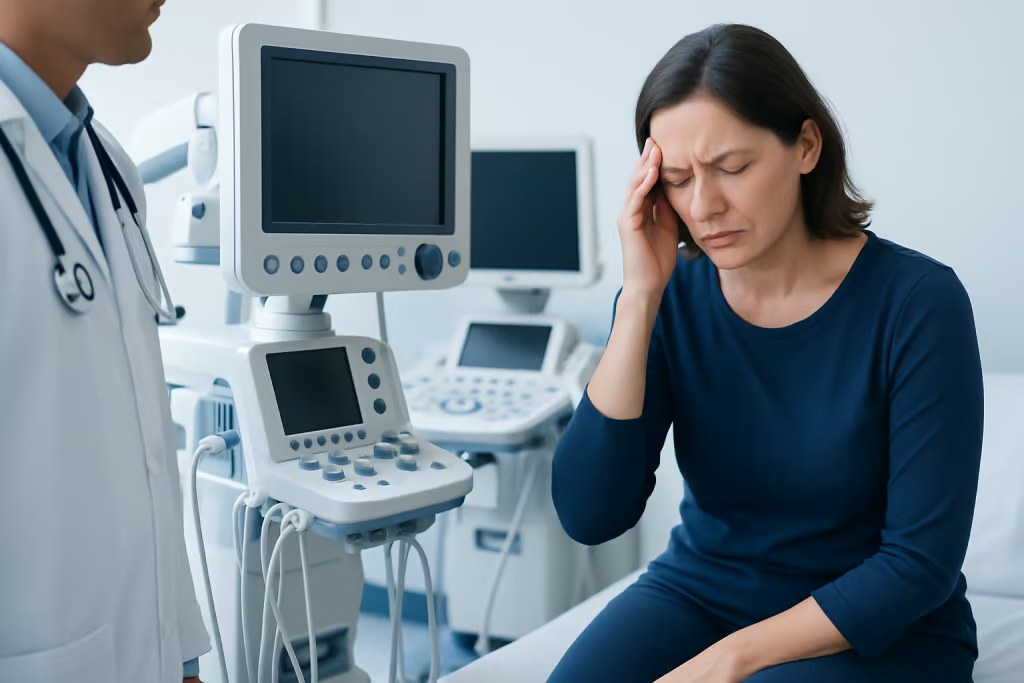
Symptoms of complex migraine vary from person to person. Some people first notice flashing lights, zigzag lines, blind spots, tingling, or numbness. Others may have difficulty finding words, feel disoriented, or develop one-sided weakness. In many cases, these symptoms build gradually over several minutes and then resolve, although the timing can differ.
The headache phase may follow the neurologic symptoms, occur at the same time, or be mild compared with the aura. Pain is often throbbing and may affect one side of the head, but not always. Nausea, vomiting, sensitivity to light, sensitivity to sound, fatigue, and trouble concentrating are also common.
Symptoms that may be described as complex migraine include:
- Visual aura, such as flashing lights, shimmering patterns, or blind spots
- Numbness or tingling in the face, hand, or arm
- Speech or language difficulty
- Temporary weakness on one side of the body
- Dizziness, unsteadiness, or vertigo
- Confusion or slowed thinking
- Headache with nausea, light sensitivity, or sound sensitivity
Even when a person has a known history of migraine, a new pattern should not be assumed to be harmless. Sudden, severe, or unusual neurological symptoms need medical attention to help distinguish migraine from conditions such as migraine disorders with changing features, seizure, or stroke.
Why complex migraine happens and who is at risk

The exact cause of migraine is still being studied, but it is understood as a brain-based disorder involving inherited susceptibility and changes in nerve signaling. In migraine with aura, a wave of altered electrical activity across the brain is thought to contribute to visual, sensory, and language symptoms. This helps explain why neurological symptoms can occur even before head pain begins.
Family history is one of the strongest risk factors. Migraine is more common in women, and hormonal changes can influence attacks. Stress, poor sleep, skipped meals, dehydration, alcohol, certain foods, bright light, strong smells, and changes in routine may trigger episodes in some people. Not every trigger affects every person, and a trigger does not guarantee an attack.
Less common forms, such as hemiplegic migraine, may run in families and can cause temporary weakness that is especially alarming. Some patients also have overlap with other neurological conditions, making assessment by a specialist important. People with frequent attacks or complicated symptoms may benefit from review by a neurology team familiar with headache disorders and aura-related migraine patterns.
How doctors diagnose it
There is no single test that confirms complex migraine in every case. Diagnosis is based on the person’s symptoms, medical history, neurological examination, and the pattern of attacks over time. A doctor will ask when symptoms start, how long they last, whether they spread gradually or come on suddenly, what the headache feels like, and whether there are known triggers or a family history of migraine.
The most important part of the evaluation is ruling out other causes of neurological symptoms. Depending on the situation, tests may include blood work, brain imaging, or other studies to exclude stroke, bleeding, seizure, infection, or structural problems. If weakness, vision loss, or speech changes are new, severe, or sudden, urgent assessment is usually recommended rather than waiting to see if the symptoms pass.
Specialist input can be helpful when the diagnosis is uncertain or attacks are disabling. Diagnostic workup may include MRI to look for other brain conditions, especially after a first episode or when the symptoms differ from a person’s usual migraine pattern. Doctors also consider whether the symptoms fit formal migraine classifications, such as migraine with aura or hemiplegic migraine.
Treatment options and long-term management
Treatment depends on the type of symptoms, how often attacks occur, how disabling they are, and whether there are any safety concerns. Many people need two parts to their care plan: treatment during an attack and treatment to reduce how often attacks happen. Because some forms of migraine with weakness or brainstem symptoms require extra caution, treatment should be individualized by a qualified clinician.
Acute treatment may include pain-relieving medicines, anti-nausea medicines, rest in a dark quiet room, hydration, and avoiding triggers that are already known. Some patients benefit from prescription migraine-specific medicines, while others may need alternatives based on their symptoms and medical history. The choice of medicine should be guided by a doctor, especially if there is any question about stroke risk or if the diagnosis is not yet secure.
Preventive treatment may be considered when attacks are frequent, severe, prolonged, or difficult to function through. This can include daily medications, non-drug strategies, and regular follow-up to review effectiveness and side effects. In selected patients with persistent or complex symptoms, doctors may discuss broader neurology evaluation and coordinated care plans.
Headache specialists often encourage patients to keep a symptom diary. Tracking warning signs, timing, sleep, meals, menstrual cycles, stress, and response to treatment can help identify patterns and improve control. For people whose symptoms are changing or whose attacks remain severe, additional check-up assessment may be useful to look for contributing health issues.
Everyday self-care and prevention
Self-care does not replace medical treatment, but it can make migraine easier to manage. Regular sleep, consistent meals, good hydration, stress reduction, and moderate exercise often help reduce attack frequency. Many patients notice that maintaining a predictable routine is as important as avoiding obvious triggers.
It can also help to limit overuse of pain medicines. Frequent use of some headache medicines may lead to medication-overuse headache, which can make symptoms more persistent. A doctor or pharmacist can explain how to use treatments safely and when preventive therapy may be more appropriate than repeated acute medication use.
Supportive strategies may include:
- Keeping a migraine diary
- Eating regular meals and staying hydrated
- Protecting sleep quality and keeping a steady sleep schedule
- Managing stress with relaxation techniques or counseling if needed
- Reducing exposure to personal triggers such as bright light or strong odors
- Following the treatment plan and attending follow-up visits
Children, older adults, and people with cardiovascular risk factors may need especially careful evaluation when migraine symptoms change. Working with a clinician can help patients balance reassurance with appropriate caution.
When to seek medical care
Medical care should be sought promptly for any first-time episode of weakness, trouble speaking, fainting, severe confusion, sudden vision loss, or a headache that reaches maximum intensity very quickly. These symptoms can be caused by migraine, but they can also signal stroke, bleeding, or another urgent problem. It is safest not to diagnose these symptoms at home.
Even in someone with a known history of migraine, a doctor should review attacks that are new, different, more severe, or lasting longer than usual. Recurrent attacks that interfere with work, school, sleep, or daily life also deserve medical attention because better control may be possible.
Neurology assessment may be especially important if there is one-sided weakness, repeated emergency visits, uncertainty about the diagnosis, or poor response to treatment. Acibadem International’s multidisciplinary specialists in JCI-accredited hospitals evaluate and treat complex neurological conditions, including migraine, for international patients when specialized care is needed.
Frequently asked questions
Is complex migraine the same as a regular migraine?
Not exactly. The term usually refers to migraine attacks with more noticeable neurological symptoms, such as aura, speech changes, or temporary weakness. A regular migraine may still be very painful, but complex migraine often raises extra concern because it can resemble other brain or vascular conditions.
Can complex migraine look like a stroke?
Yes. Sudden numbness, weakness, speech difficulty, or visual symptoms can overlap with stroke symptoms. Because of this, new or unusual episodes should be assessed urgently rather than assumed to be migraine.
How long do complex migraine symptoms last?
The duration varies. Aura symptoms often last minutes to about an hour, but some symptoms can last longer, and the headache phase may continue for hours or more. If symptoms are prolonged, severe, or very different from prior attacks, medical review is important.
What triggers complex migraine?
Common triggers include stress, poor sleep, dehydration, skipped meals, hormonal changes, alcohol, and sensory overstimulation such as bright lights. Triggers are personal, so one person’s trigger may not affect another person. A symptom diary can help identify patterns.
Can complex migraine be prevented?
Often, yes. Prevention may include regular sleep, hydration, stress management, trigger reduction, and in some cases prescription preventive medicine. A doctor can help decide whether prevention is appropriate based on attack frequency and severity.
Should a person go to the emergency department for complex migraine?
Emergency care is appropriate for first-time neurological symptoms, sudden severe headache, fainting, one-sided weakness, trouble speaking, or any symptoms that feel dramatically different from prior migraines. It is also important to seek urgent help if symptoms do not improve as expected or if there is concern about stroke.
References
- World Health Organization
- American Migraine Foundation
- National Institute of Neurological Disorders and Stroke
- International Headache Society
- Mayo Clinic
This article is for general information only and is not a substitute for professional medical advice. Please consult a qualified doctor about your individual situation.
Migraine in Turkey — costs, top hospitals & a free quote
JCI-accredited · board-certified surgeons · reply within 24h