

Condoms for HPV: An Evidence-Based Guide for Patients

Condoms lower HPV transmission risk but cannot eliminate it بالكامل because HPV spreads through skin-to-skin contact. Using condoms consistently and correctly offers better protection than occasional use.
Key Takeaways
- Condoms lower HPV transmission risk but cannot eliminate it بالكامل because HPV spreads through skin-to-skin contact.
- Using condoms consistently and correctly offers better protection than occasional use.
- HPV vaccination is one of the most effective ways to prevent many HPV-related infections and diseases.
- Most HPV infections clear on their own, but some can lead to genital warts or certain cancers.
- Regular screening, including cervical screening when appropriate, remains important even for people who use condoms.
Condoms for HPV help reduce the chance of passing or getting HPV, but they do not give complete protection. HPV can spread through skin-to-skin genital contact in areas a condom does not cover, so condoms work best as one part of a broader prevention plan.
Overview: Do condoms help prevent HPV?
Yes. Condoms for HPV do help reduce the risk of transmission, but they do not fully prevent it. Human papillomavirus, or HPV, spreads mainly through intimate skin-to-skin contact during vaginal, anal, or oral sex, and a condom does not cover all genital skin.
This means condoms are useful and recommended, but they are not a complete barrier against HPV in the same way they can be for some other sexually transmitted infections. Even so, consistent condom use is associated with lower HPV transmission and may also reduce the risk of HPV-related conditions.
For most patients, the most practical message is simple: condoms are worth using, but they work best alongside other prevention steps such as HPV vaccination, limiting exposure risk, and routine screening. That balanced approach is more accurate than saying condoms either “do” or “do not” prevent HPV.
How HPV spreads and why condoms are not complete protection
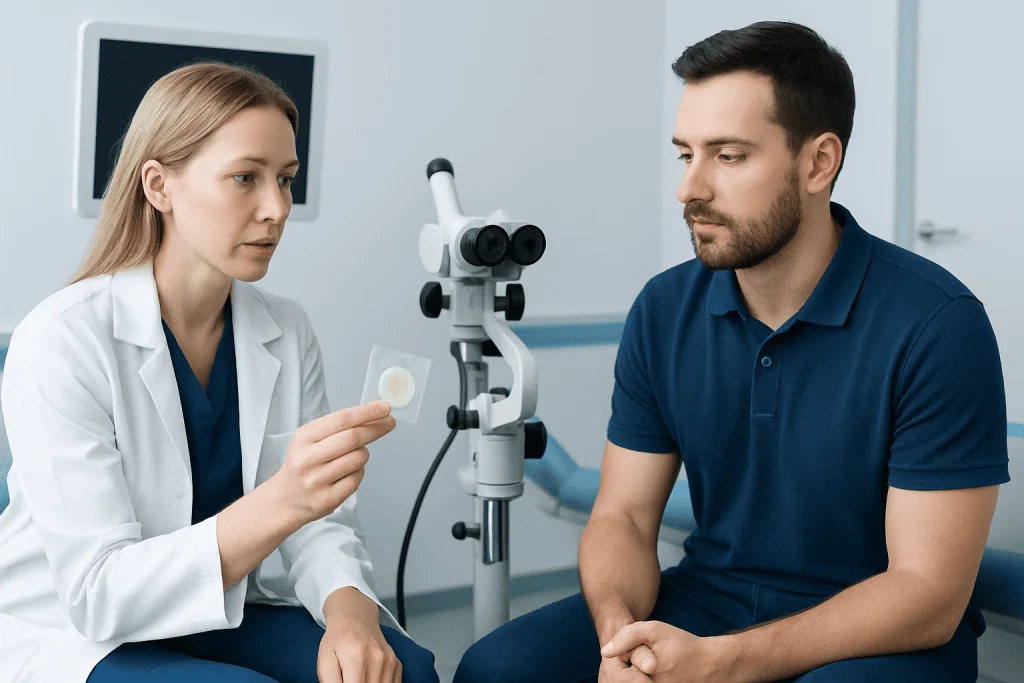
HPV is very common and is usually spread through close sexual contact rather than through body fluids alone. The virus can infect the skin and mucous membranes of the genital area, anus, mouth, and throat. Because of this, transmission can happen from contact with infected skin that is outside the area covered by a condom.
That is the main reason condoms for HPV are only partly protective. A condom covers the penis and reduces direct contact, friction, and exchange of infected cells in covered areas. However, nearby genital skin, the vulva, perineum, scrotum, pubic area, and surrounding tissues can still carry and pass the virus.
Internal condoms may also reduce exposure, but they are not complete protection for the same reason. Dental dams can help lower risk during oral sex, though they also cannot eliminate it entirely. In practice, barrier methods lower risk rather than remove it.
HPV can be passed even when no symptoms are visible. A person may have no warts, no discomfort, and no idea they are carrying the virus. This is why prevention advice usually focuses on reducing risk over time, not trying to identify infection based only on symptoms.
What condoms can and cannot do
Condoms can lower the chance of acquiring HPV and may reduce repeated exposure between partners. They also help protect against other sexually transmitted infections, so they remain an important part of safer sex. For some patients, this added protection against multiple infections is a major reason they should still be used regularly.
Condoms cannot guarantee that HPV will not spread. They do not protect the skin they do not cover, and they are less effective if used late, removed early, torn, or used inconsistently. Correct use from the start to the end of sexual contact matters.
Patients sometimes ask whether condoms protect equally against all HPV-related problems. The answer is not exactly. They may help reduce the risk of visible genital warts and may lower exposure to high-risk HPV types, but they do not replace screening for conditions such as cervical cancer or evaluation of symptoms like persistent genital lesions.
Another common question is whether condoms are unnecessary once someone has had HPV. They are still useful. A person can be exposed to more than one HPV type over time, and condoms may help reduce transmission of HPV and other infections to current or future partners.
Who should think about HPV prevention most carefully?
Anyone who is sexually active can benefit from understanding condoms for HPV, but prevention is especially important for adolescents and young adults starting sexual activity, people with new or multiple partners, and those whose partners may have had previous HPV exposure. People of any gender can get HPV and can pass it on.
Individuals with weakened immune systems may have a harder time clearing HPV and may be at greater risk for persistent infection. People with a history of abnormal cervical screening tests, genital warts, or HPV-related disease may also need closer follow-up and a more structured prevention plan.
It is also important to remember that HPV can affect more than the cervix. Some HPV types are linked to anal, penile, vulvar, vaginal, and throat cancers. This broader health impact is one reason prevention discussions should involve all sexually active patients, not only women having cervical screening.
- Use condoms consistently and correctly
- Consider HPV vaccination if eligible
- Attend routine screening appointments
- Seek assessment for new genital, anal, or oral symptoms
Other proven ways to reduce HPV risk
HPV vaccination is one of the most effective tools for preventing infection from several high-risk and wart-causing HPV types. Vaccination does not treat an existing infection, but it can help protect against types a person has not yet encountered. A doctor can advise whether vaccination is appropriate based on age, medical history, and prior vaccination status.
Routine screening remains essential, especially cervical screening for eligible patients. Condoms do not replace screening because HPV-related cell changes may develop without symptoms. Early detection allows monitoring or treatment before more serious disease develops.
Other practical steps can also help reduce risk. These include limiting the number of sexual partners, discussing sexual health openly with partners, avoiding sex when visible genital lesions are present, and stopping smoking, which is associated with a higher risk of persistent HPV infection and cervical cell changes.
When symptoms or abnormal test results need further assessment, doctors may recommend examinations or procedures such as colposcopy to look closely at the cervix. Depending on the findings, some patients may also need care related to treatment for cervical disease or specialist review for persistent lesions.
Diagnosis, testing, and follow-up
There is no single routine test that checks all people for all types of HPV in every body area. In clinical practice, HPV is often detected indirectly through screening tests or because a doctor evaluates symptoms such as genital warts or abnormal tissue changes. For the cervix, HPV testing may be used alone or together with cytology, depending on age and local guidance.
If a screening test is abnormal, the next step may be repeat testing, closer monitoring, or a procedure to examine the tissue more carefully. If genital warts are present, diagnosis is usually made by physical examination. Biopsy may be considered when lesions are unusual, persistent, or unclear.
Because many HPV infections clear naturally, follow-up plans are individualized. Doctors consider the person’s age, symptoms, screening results, immune status, and whether high-risk HPV types are involved. This helps avoid both undertreatment and unnecessary intervention.
In some cases, HPV-related disease may require care from gynecology, dermatology, urology, gastroenterology, ENT, or oncology specialists. For patients needing coordinated evaluation, Acibadem International’s multidisciplinary specialists in JCI-accredited hospitals diagnose and treat HPV-related conditions for international patients.
Treatment options and self-care
There is no medicine that directly eliminates HPV from the body in every case. Treatment focuses on the problems HPV can cause, such as genital warts or abnormal cell changes. Since many infections resolve on their own, some patients may only need observation and follow-up.
Genital warts may be treated with clinician-applied or prescribed therapies, depending on the size, number, and location of the lesions. Abnormal cervical changes may require monitoring, removal of abnormal tissue, or additional procedures if there is concern about progression. Management depends on test results and specialist assessment.
Self-care is also important. Patients should avoid picking or shaving over lesions, use condoms consistently, keep follow-up appointments, and inform partners when appropriate so they can consider vaccination, screening, or medical advice. Emotional reassurance matters too, since HPV is common and a diagnosis does not imply poor hygiene or promiscuity.
When warts are extensive, recurrent, or uncertain in diagnosis, doctors may use procedural treatments. If there are suspicious growths or persistent tissue changes, further evaluation may include biopsy to confirm exactly what is present and guide treatment.
When to seek medical care
Medical advice is appropriate if a person notices genital, anal, or oral growths; unexplained itching, bleeding, or pain; or changes in the skin or mucosa that do not go away. Care is also important after an abnormal cervical screening result, after a partner reports HPV-related disease, or when there are concerns about vaccination or prevention.
Patients should seek prompt assessment for persistent sores, bleeding after sex, pelvic pain, or any lesion that is growing, painful, or changing in appearance. These symptoms do not always mean HPV-related disease, but they should not be ignored.
People who are pregnant, immunocompromised, or have a history of HPV-related abnormalities may need more individualized guidance. A qualified doctor can explain risk, recommend testing or follow-up, and discuss the best prevention strategy for the patient’s age and health history.
Frequently asked questions
Do condoms prevent HPV completely?
No. Condoms reduce the risk of HPV transmission, but they do not provide complete protection because HPV can spread through skin-to-skin contact in areas a condom does not cover. They are still recommended because they lower risk and also help protect against other sexually transmitted infections.
Are condoms still worth using if HPV can spread without full coverage?
Yes. Even partial protection is important, especially with consistent and correct use over time. Condoms are one part of a broader prevention strategy that may also include vaccination, screening, and open communication with partners.
Can someone have HPV even if there are no symptoms?
Yes. Many people with HPV have no visible symptoms and may not know they are infected. That is why HPV can spread unknowingly and why routine screening is important when recommended.
If one partner has HPV, will the other definitely get it?
Not necessarily. HPV transmission is common, but it is not guaranteed with every exposure. Using condoms, considering vaccination, and following medical advice can help reduce the chance of transmission and support early detection of any related problems.
Does the HPV vaccine make condoms unnecessary?
No. The vaccine protects against several important HPV types, but not all possible infections, and it does not treat an existing infection. Condoms still provide added protection against HPV and other sexually transmitted infections.
Should a person still get cervical screening if they use condoms regularly?
Yes. Regular condom use does not remove the need for cervical screening because HPV can still be transmitted despite condom use. Screening helps find abnormal changes early, often before symptoms develop.
References
- World Health Organization
- Centers for Disease Control and Prevention
- American College of Obstetricians and Gynecologists
- National Cancer Institute
- American Sexual Health Association
This article is for general information only and is not a substitute for professional medical advice. Please consult a qualified doctor about your individual situation.
Explore treatments in Turkey — costs, top hospitals & a free quote
JCI-accredited · board-certified surgeons · reply within 24h

More from the Health Library



Related Specialists

Prof. Dr. Erkan Kaba
Thoracic Surgery
Prof. Dr. Evrim Kadriye Tezcanlı
Radiation Oncology
Dt. Zeynep Ezgi Akan
Oral & Dental Health
Dr. Ayşe Cennet Sarimehmetoğlu
Cardiology