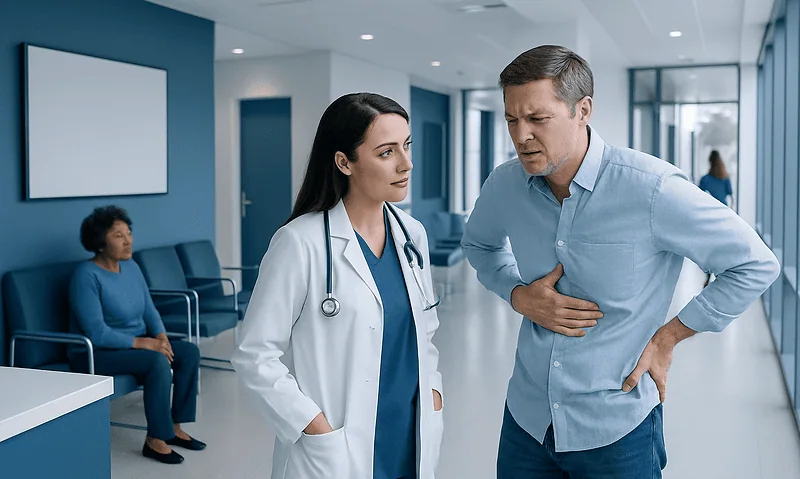
COVID Quarantine Guidelines 2025: An Evidence-Based Guide for Patients

Most 2025 COVID guidance emphasizes symptom-based isolation rather than one strict rule for every person. People with COVID should stay home while sick, especially if they have fever, worsening cough, or feel too unwell for usual activities.
Key Takeaways
- Most 2025 COVID guidance emphasizes symptom-based isolation rather than one strict rule for every person.
- People with COVID should stay home while sick, especially if they have fever, worsening cough, or feel too unwell for usual activities.
- After returning to normal activities, extra precautions such as masking, hand hygiene, ventilation, and avoiding vulnerable people help reduce spread.
- Testing can support decisions, but a negative test does not always rule out infection early in illness.
- Older adults, pregnant people, immunocompromised patients, and those with chronic diseases may need earlier medical advice.
- Urgent care is needed for warning signs such as breathing difficulty, chest pain, confusion, or low oxygen levels.
In 2025, COVID quarantine guidance is centered less on fixed timelines for everyone and more on symptoms, fever status, testing, and the risk of spreading infection to others. Most people should stay home while they feel unwell, return gradually after symptoms improve and fever has resolved, and take extra precautions such as masking and avoiding high-risk contacts for several days.
Overview: What COVID Quarantine Guidelines Mean in 2025
The short answer is that covid quarantine guidelines 2025 are generally based on symptoms and contagiousness, not just a fixed number of days. If a person has COVID-19 or a similar respiratory illness, the safest approach is to stay home while symptoms are active, especially if there is fever, significant fatigue, persistent coughing, or body aches. Once symptoms are clearly improving and fever has been gone for at least 24 hours without fever-reducing medicine, many people can begin returning to normal routines with extra precautions.
This change reflects what clinicians have learned over time: infectiousness varies from person to person, and one timetable does not fit everyone. In practice, patients are advised to think about two phases: the “stay home” phase when symptoms are at their worst, and the “caution” phase after improvement, when masks, distancing where possible, better ventilation, and avoiding close contact with vulnerable people can lower the chance of spreading the virus.
COVID-19 is still a contagious respiratory infection, even though for many people it now behaves more like other viral illnesses in day-to-day care decisions. Symptoms can overlap with influenza, RSV, the common cold, or other respiratory infections, so doctors also consider the broader picture of respiratory illness prevention. For related background, patients may find it helpful to read about COVID-19 as a medical condition rather than only a public health topic.
Who Should Stay Home, and for How Long?
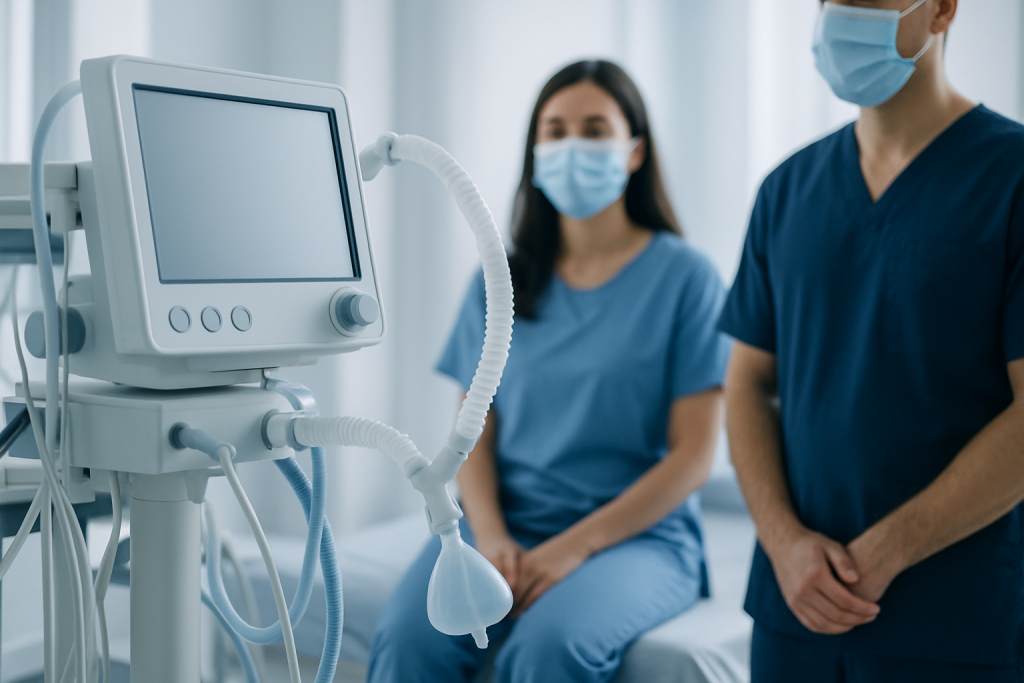
A person should stay home if they test positive for COVID and have active symptoms, or if they feel acutely ill with symptoms that could spread a respiratory infection. This includes fever, chills, sore throat, significant nasal congestion, new cough, muscle aches, headache, exhaustion, vomiting, or diarrhea. Even without a test result, staying home during the most symptomatic period helps protect family members, coworkers, classmates, and the community.
In 2025 guidance, the most practical marker for ending the strict stay-home period is improvement. Usual daily activities can be resumed when symptoms have been getting better overall and any fever has been absent for at least 24 hours without medication. Some symptoms, such as a mild lingering cough or fatigue, may last longer; that does not always mean a person is still highly contagious, but it does call for caution.
For about five additional days after returning to activities, it is sensible to reduce the chance of passing the virus to others. Measures may include wearing a well-fitting mask in indoor shared spaces, opening windows when possible, improving ventilation, covering coughs, washing hands frequently, and avoiding close contact with older adults or anyone with a weak immune system. If symptoms worsen again or fever returns, staying home and reassessing is usually the safest next step.
What to Do After Exposure to Someone With COVID
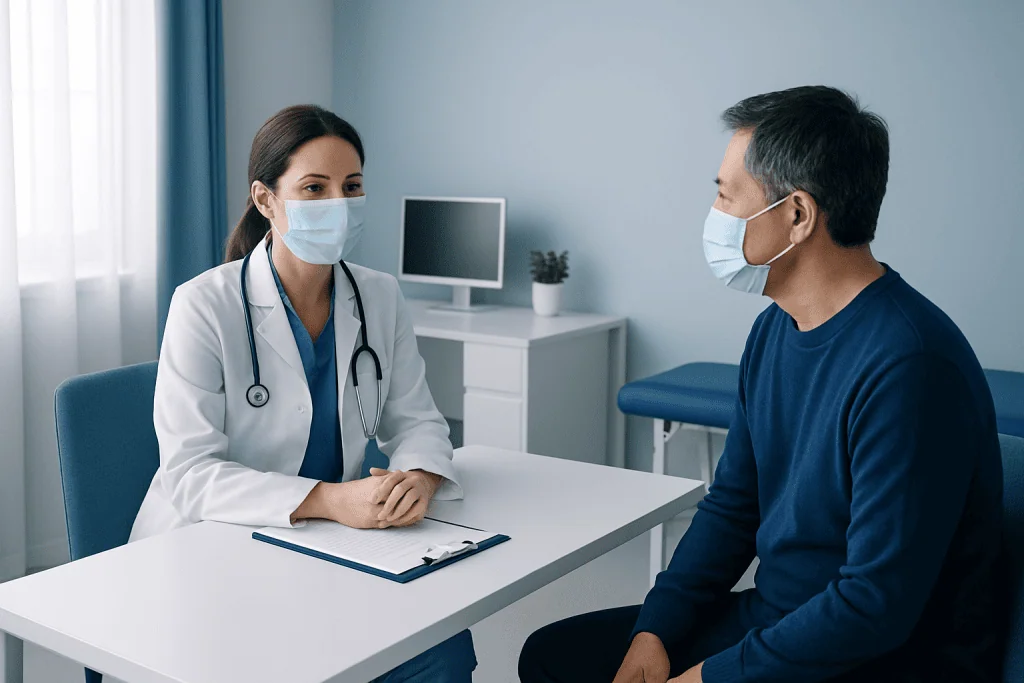
Quarantine after exposure is no longer handled the same way it was early in the pandemic. In many settings, people who were exposed to someone with COVID do not automatically need to stay home if they feel well. Instead, they should monitor for symptoms, consider testing at the right time, and take added precautions for several days, especially before visiting hospitals, nursing homes, or medically vulnerable people.
If symptoms develop after an exposure, the person should act as though they may be contagious right away. That means reducing contact with others, testing if available, and staying home if they feel ill. A test taken too early may be negative even when infection is starting, so repeating a test 48 hours later can be useful if suspicion remains high.
Exposure advice may differ for healthcare workers, residents of long-term care facilities, transplant recipients, and people with severely weakened immune systems. These groups often need more cautious plans because the consequences of infection can be more serious. Patients with chronic lung conditions may also need more individualized advice because respiratory symptoms can overlap with diseases such as pneumonia.
Testing: When It Helps and What Results Mean
Testing is helpful, but it is only one part of the decision. If a person has symptoms consistent with COVID, a positive rapid antigen or molecular test supports the diagnosis and confirms the need to take steps to avoid infecting others. If the first test is negative but symptoms strongly suggest COVID, repeating the test after 1 to 2 days may detect infection that was too early to show on the initial sample.
A negative test does not always mean a person is not contagious, especially at the beginning of illness. The timing of the test, how the sample was collected, and which test was used can all affect the result. For that reason, symptom improvement and fever resolution remain important guideposts in 2025 recommendations, even when home tests are available.
Some people use repeated negative tests to decide when to remove a mask or return to close contact with others. While that can be reassuring, it should be interpreted along with the clinical picture. Patients at higher risk of complications may be advised to have formal evaluation, including a medical check-up, if symptoms are severe, prolonged, or unclear.
Special Considerations for Higher-Risk People
Most healthy adults recover with rest, fluids, and time, but some groups need more cautious follow-up. This includes adults over 65, people who are pregnant, those with heart or lung disease, diabetes, kidney disease, obesity, cancer, organ transplants, or immune-suppressing medications. In these individuals, even mild early symptoms can worsen more quickly or create a higher risk of complications.
For higher-risk patients, contacting a healthcare professional soon after symptoms start can be important because antiviral treatment may be time-sensitive. A clinician can assess whether testing, prescription treatment, oxygen monitoring, or in-person evaluation is appropriate. People with chronic breathing problems may also benefit from reviewing whether symptoms are due to COVID alone or another issue affecting the lungs.
If imaging or specialist assessment is needed, tests such as chest disease evaluation and treatment may help doctors look for pneumonia or other complications. In some cases, a doctor may recommend coronavirus treatment tailored to the patient’s age, medical history, symptom severity, and risk level.
Self-Care at Home and Reducing Spread to Others
Home care starts with rest, hydration, and symptom relief. Many patients do best by drinking fluids regularly, eating light nutritious meals as tolerated, and using doctor-approved over-the-counter medicines for fever, pain, or congestion. It also helps to avoid heavy exercise until energy begins to return, since pushing too hard too early may worsen fatigue.
Within the home, practical measures can reduce transmission. If possible, the ill person should sleep separately, use a separate bathroom if one is available, improve airflow by opening windows or using filtration, clean hands often, and avoid sharing cups, utensils, or towels. A well-fitting mask can be useful when the sick person must be around others indoors, especially in the first days of illness and the days immediately after returning to routine activities.
Recovery is not always linear. Some people feel better, then notice a temporary return of cough or tiredness. That can happen with many viral illnesses, but if symptoms are intensifying rather than gradually improving, it is sensible to pause normal activities and seek medical advice. A person who has repeated infections, lingering shortness of breath, or ongoing weakness may need evaluation for complications or other conditions affecting recovery.
When to Seek Medical Care
Most people do not need emergency treatment, but certain warning signs should never be ignored. Medical care is needed promptly if there is trouble breathing, chest pain or pressure, blue or gray lips, confusion, severe dehydration, inability to stay awake, or oxygen readings that are lower than normal for the individual. Infants, frail older adults, and immunocompromised patients should be assessed early if symptoms are progressing.
Non-urgent medical review is also appropriate when fever lasts longer than expected, cough is worsening after initial improvement, symptoms persist beyond several days without progress, or the patient belongs to a high-risk group. A doctor may check for dehydration, pneumonia, asthma flare, or another infection that needs separate treatment. Persistent cough or breathlessness can sometimes overlap with other lung conditions, including bronchitis.
Near the end of the care pathway, some patients may benefit from coordinated follow-up. Acibadem International’s multidisciplinary specialists and JCI-accredited hospitals evaluate and treat COVID-related respiratory concerns for international patients when further assessment is needed.
Frequently asked questions
Do people still need to quarantine for a fixed number of days in 2025?
In many settings, guidance is no longer based on one fixed number of days for everyone. Instead, people are advised to stay home while symptoms are active and return to normal activities when they are improving and fever has been gone for at least 24 hours without medication. Extra precautions for several more days help reduce spread.
Can someone go to work or school if they test positive but feel only mildly sick?
If symptoms are present, even if mild, staying home during the most contagious phase is the safer choice. Once symptoms are clearly improving and fever is gone for at least 24 hours, a person may return if they feel well enough, while taking precautions such as masking and avoiding high-risk contacts.
What should a person do if they were exposed to COVID but have no symptoms?
They usually do not need to automatically stay home, but they should watch for symptoms closely. Testing after an appropriate interval and taking extra care around vulnerable people is sensible. If symptoms start, they should act promptly to reduce contact with others and consider testing again.
Is a negative rapid test enough to prove someone is not contagious?
Not always. Early in illness, a rapid test can be negative before the virus is detectable. If symptoms strongly suggest COVID, repeating the test after 48 hours and using symptom improvement as part of the decision is more reliable than relying on one result alone.
How long should someone wear a mask after returning to activities?
A practical approach is to use a well-fitting mask for about five days after ending the stay-home period, especially indoors or around people at higher risk. The exact timing may vary depending on symptoms, test results, and the person’s environment. If symptoms are worsening, they should stay home again and reassess.
Who should contact a doctor early after getting COVID symptoms?
People over 65, pregnant individuals, and those with chronic diseases or weakened immune systems should consider early medical advice. They may be eligible for treatments that work best when started soon after symptoms begin. Early guidance can also help prevent complications.
References
- Centers for Disease Control and Prevention
- World Health Organization
- National Institutes of Health
- European Centre for Disease Prevention and Control
This article is for general information only and is not a substitute for professional medical advice. Please consult a qualified doctor about your individual situation.
Explore treatments in Turkey — costs, top hospitals & a free quote
JCI-accredited · board-certified surgeons · reply within 24h