Dry Ears — Explained by Medical Evidence, Not Myths

Dry ears are commonly linked to skin irritation, eczema, over-cleaning, allergies, or inflammation of the outer ear canal. Cotton swabs, earbuds, harsh soaps, and frequent moisture exposure can make ear dryness worse.
Key Takeaways
- Dry ears are commonly linked to skin irritation, eczema, over-cleaning, allergies, or inflammation of the outer ear canal.
- Cotton swabs, earbuds, harsh soaps, and frequent moisture exposure can make ear dryness worse.
- Treatment depends on the cause and may include gentle skin care, avoiding triggers, or medicated drops or creams prescribed by a doctor.
- Dry ears should not be ignored if they come with pain, discharge, bleeding, swelling, or reduced hearing.
- Trying to remove flakes or wax from deep inside the ear can injure the canal and worsen symptoms.
Dry ears usually mean the skin of the outer ear or ear canal has become irritated, inflamed, or overly stripped of its natural protective oils. In many cases the cause is minor, but persistent dryness, itching, pain, discharge, or hearing changes should be assessed by a doctor.
What dry ears usually mean
Dry ears describe dryness, flaking, itching, or tightness affecting the outer ear, the skin around the ear opening, or the ear canal itself. In most people, this happens because the skin barrier becomes irritated or loses too much of its natural oil. Common reasons include over-cleaning, skin conditions such as eczema, reactions to hair or skin products, and inflammation of the outer ear canal.
The ears are lined with delicate skin. A small amount of earwax is helpful because it protects the canal, traps debris, and helps keep the area from becoming too dry. When earwax is repeatedly removed or the skin is exposed to irritants, the ear canal may become uncomfortable, flaky, and itchy rather than cleaner or healthier.
Dryness is not a diagnosis on its own. It is a sign that points to an underlying cause, which can range from simple irritation to a skin disorder or an ear infection. That is why lasting symptoms should be evaluated in context rather than treated only with home remedies.
How dry ears can feel and look
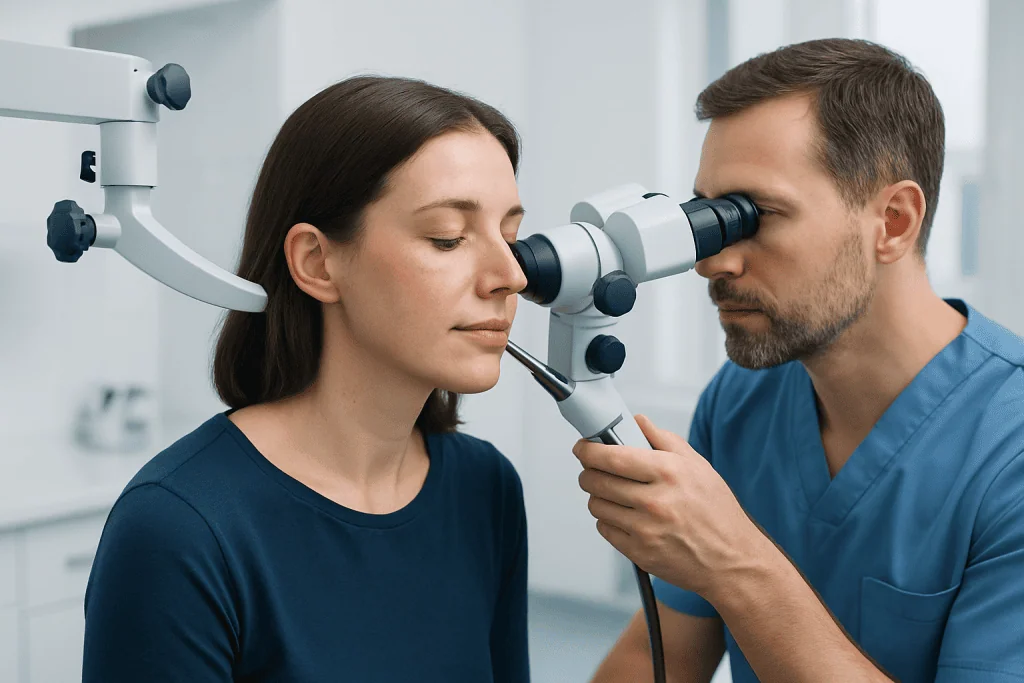
Symptoms vary depending on whether dryness affects the outer ear or deeper ear canal skin. Some people notice fine flaking near the ear opening, while others feel persistent itching or a sense of dryness deep inside the ear. Symptoms may affect one or both ears.
Typical features can include:
- Itching in or around the ear
- Flaking, scaling, or peeling skin
- A feeling of tight, irritated skin
- Mild redness
- Sensitivity when touching the ear
- A blocked sensation if dry skin mixes with earwax
Dry ears can also occur with other symptoms that suggest a more specific condition. Pain, swelling, discharge, bad odor, or hearing changes may point to inflammation or infection rather than simple dryness alone. In some people, dry ears are part of a broader skin problem affecting the scalp, face, or body, such as dandruff, dermatitis, or psoriasis.
If dryness comes and goes after swimming, using earbuds, wearing hearing aids, or changing shampoo or hair dye, the trigger may be environmental or contact-related. A careful history often helps identify what is maintaining the irritation.
Common causes and risk factors

One of the most common causes of dry ears is over-cleaning. Cotton swabs, fingers, or other objects can remove protective earwax and create tiny abrasions in the ear canal. These small injuries may not be visible, but they can lead to itching, irritation, and a cycle of further scratching and dryness.
Skin conditions are another major cause. Eczema, seborrheic dermatitis, psoriasis, and contact dermatitis may all involve the ears. People who already have sensitive skin, seasonal allergies, asthma, or chronic scalp flaking may be more likely to develop ear dryness. When the ears are affected as part of a broader skin disorder, doctors may also assess for related conditions such as eczema or psoriasis.
Moisture and product exposure can also disrupt the skin barrier. Swimming, frequent showering, humid environments, hearing aid molds, earplugs, earbuds, shampoos, hair sprays, and earrings containing irritating metals can all contribute. In some cases, repeated water exposure is followed by irritation or outer ear inflammation.
Less common contributors include fungal or bacterial infection, age-related skin dryness, and excessive or impacted earwax that changes the canal environment. Risk factors include using cotton swabs regularly, a history of dermatitis, frequent water exposure, and using new skin or hair products around the ears.
How doctors diagnose the cause
Diagnosis begins with a symptom history. A doctor may ask when the dryness began, whether it affects one or both ears, and whether there is itching, pain, discharge, hearing change, or recent exposure to swimming, ear devices, or new personal care products. Skin symptoms elsewhere on the body can provide important clues.
The ear is then examined carefully, often using an otoscope to look at the ear canal and eardrum. This helps distinguish dry skin from wax buildup, infection, eczema, trauma from cleaning, or inflammation of the ear canal. A physical exam may also include the scalp and skin around the ears if dermatitis is suspected.
Most people do not need extensive testing. However, if symptoms are recurrent, severe, or unusual, a clinician may consider fungal infection, allergic contact dermatitis, or chronic skin disease. Referral to an ear, nose, and throat specialist may be helpful when symptoms are deep in the canal, hearing is affected, or the diagnosis is uncertain. In selected cases, further assessment through ENT evaluation can help guide care.
Treatment options based on the cause
Treatment for dry ears works best when it targets the underlying problem. If irritation is caused by over-cleaning, the first step is usually to stop inserting objects into the ear canal and allow the skin barrier to recover. If a skincare, haircare, or metal exposure trigger is suspected, avoiding that trigger may be enough to improve symptoms.
For skin inflammation, a doctor may recommend medicated creams or drops suitable for the ear area. These might be used when eczema, seborrheic dermatitis, or contact dermatitis is present. If infection is found, treatment may involve prescription ear drops rather than moisturizers alone. When there is significant wax or debris, it should be removed safely by a professional rather than by home tools.
People should be cautious with oils, hydrogen peroxide, or over-the-counter ear products unless a clinician recommends them. The wrong product can worsen irritation, especially if the eardrum is not intact or infection is present. If wax buildup is contributing, proper ear cleaning under medical guidance may help without damaging the canal.
For persistent or complicated symptoms, specialists may coordinate care between dermatology and ear, nose, and throat services. In some settings, this may include assessment through dermatology care when a skin condition is driving the problem.
Prevention and self-care that protects the ear canal
The most effective self-care step is gentle care. The ear canal usually cleans itself naturally, and routine swabbing tends to do more harm than good. Cleaning should focus on the outer ear only, using a soft cloth, while avoiding scraping, scratching, or inserting objects into the canal.
Helpful habits include:
- Avoid cotton swabs and ear picks
- Keep shampoos, sprays, and dyes from sitting on the ears
- Dry the outer ear gently after bathing or swimming
- Limit scratching, even when itching is frustrating
- Use hearing aids or earbuds according to cleaning instructions
- Follow medical advice before using drops, oils, or wax-removal kits
People with eczema or other chronic skin conditions may need ongoing skin-barrier care and trigger avoidance. If a doctor has identified a skin condition, consistent management often reduces flare-ups in the ears as well as on the scalp or face.
Because the ear canal is sensitive, “natural” remedies are not always harmless. Home approaches should be simple and low-risk, and any product placed into the ear should be discussed with a qualified clinician if symptoms persist.
When to seek medical care
Dry ears should be medically assessed if symptoms do not improve, return often, or interfere with daily comfort. It is also important to seek care if there is significant itching, pain, drainage, bleeding, swelling, fever, or a feeling that hearing has changed. These features may suggest inflammation, infection, trauma, or another condition that needs treatment.
Medical care is especially important for children, people with diabetes, those with weakened immune systems, and anyone who has had prior ear surgery or a known eardrum problem. In these groups, ear symptoms should be evaluated promptly rather than managed repeatedly at home.
A brief specialist assessment can often clarify whether the main issue is dryness, dermatitis, wax, or infection. Acibadem International’s multidisciplinary specialists in JCI-accredited hospitals diagnose and treat ear and skin conditions for international patients when more detailed evaluation is needed.
Frequently asked questions
Can dry ears go away on their own?
Yes, mild dry ears may improve once the skin is no longer being irritated. Avoiding cotton swabs, scratching, and harsh products often allows the ear canal and outer ear skin to recover. If symptoms last or keep returning, a doctor should assess the cause.
Is earwax a sign that my ears are dirty?
No. Earwax is a normal protective substance that helps trap particles and keeps the ear canal from becoming too dry. Removing too much wax can actually increase irritation and dryness.
Why are my ears dry and itchy at the same time?
Dryness and itching often happen together because the skin barrier is irritated or inflamed. Common reasons include eczema, dermatitis, over-cleaning, product reactions, or early outer ear canal inflammation. A doctor can help identify which of these is most likely.
Can using earbuds or hearing aids cause dry ears?
They can contribute in some people. Devices that sit in or around the ear may trap moisture, create friction, or expose the skin to cleaning agents or materials that trigger irritation. Proper fit, regular cleaning, and medical review of persistent symptoms are important.
Should oil be put in the ear for dryness?
Not without medical advice. Some products may worsen irritation or be unsafe if the eardrum is damaged or if an infection is present. It is safer to have the ear examined first if dryness is deep in the canal or accompanied by pain or discharge.
Are dry ears ever a sign of infection?
Dryness alone is not always an infection, but it can occur alongside one. Pain, swelling, drainage, odor, or hearing changes raise more concern for infection or significant inflammation. Those symptoms should be checked by a doctor promptly.
References
- American Academy of Otolaryngology–Head and Neck Surgery
- National Eczema Association
- American Academy of Dermatology
- National Health Service
- Merck Manual Consumer Version
This article is for general information only and is not a substitute for professional medical advice. Please consult a qualified doctor about your individual situation.
Hair transplant in Turkey — costs, graft counts & a free assessment
JCI-accredited · board-certified surgeons · reply within 24h
Add us as a Preferred Source to see more of our trusted health content across Google Search, AI Overviews and Discover.