Ectopy — Explained by Medical Evidence, Not Myths

Ectopy refers to premature or extra heartbeats, often felt as skipped beats, flutters, or thumps. Many people with ectopy have a structurally normal heart and do not need intensive treatment.
Key Takeaways
- Ectopy refers to premature or extra heartbeats, often felt as skipped beats, flutters, or thumps.
- Many people with ectopy have a structurally normal heart and do not need intensive treatment.
- Common triggers include stress, caffeine, poor sleep, alcohol, smoking, and some medications.
- Evaluation may include an ECG, heart rhythm monitoring, blood tests, and an echocardiogram.
- Medical care is important if ectopy happens with chest pain, fainting, breathlessness, or known heart disease.
Ectopy means an extra or early heartbeat that starts outside the heart’s usual rhythm pathway. It is common and often benign, but persistent symptoms or certain warning signs should be assessed by a doctor.
What ectopy means
Ectopy is the medical term for a heartbeat that comes earlier than expected and begins from a place in the heart outside the normal pacemaker pathway. People may hear it described as an extra beat, a premature beat, or an ectopic beat. In everyday life, it is often noticed as a flutter, a brief pause, or a stronger beat afterward.
Medical evidence shows that ectopy is common, including in healthy adults. In many cases it does not signal dangerous heart disease. The key question is not simply whether ectopy is present, but how often it happens, whether it causes symptoms, and whether there is any underlying heart condition.
Ectopy can start in the upper chambers of the heart, called the atria, or in the lower chambers, called the ventricles. Atrial ectopic beats are often called premature atrial contractions, while ventricular ectopic beats are often called premature ventricular contractions. Both can produce similar sensations, although their significance may differ depending on the person’s overall health and test results.
How ectopy feels and when it may be noticed
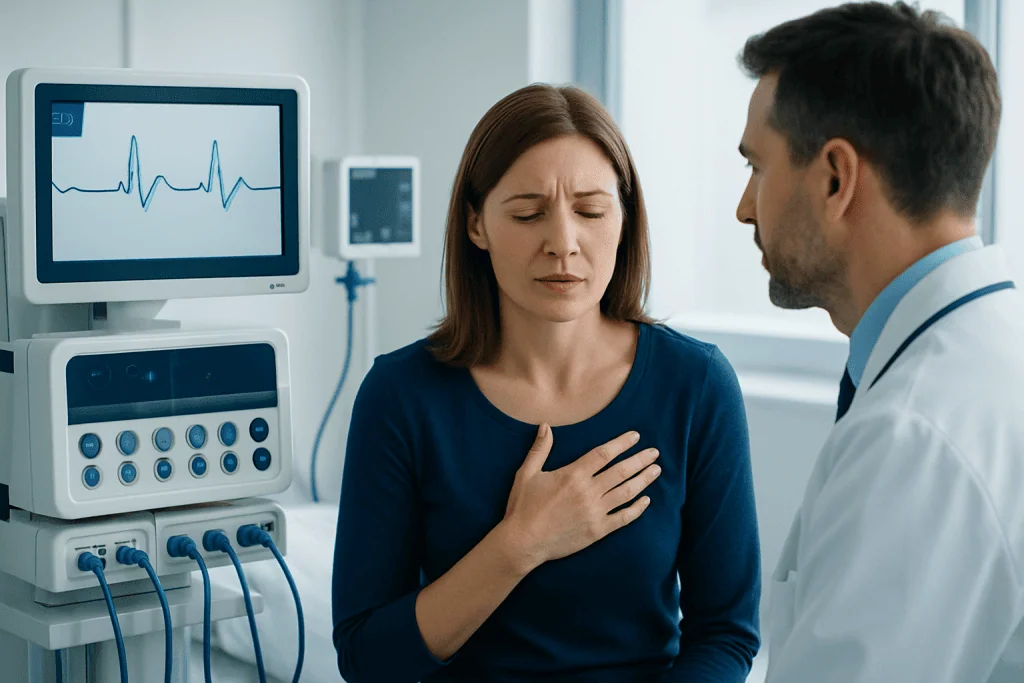
Some people do not feel ectopy at all, and it is found only on a routine examination or heart tracing. Others notice occasional palpitations, a flip-flopping feeling in the chest, a brief pause, or a sudden stronger thump. These sensations can be more noticeable at rest, when lying down, after exercise, or during times of stress.
Ectopy may happen as single early beats, in repeating patterns, or in short runs. Symptoms vary from person to person. A small number of people feel lightheaded, tired, or slightly short of breath during frequent episodes, although these symptoms can also have many other causes.
It can help to pay attention to the setting in which symptoms happen. A person may notice that extra beats appear after coffee, alcohol, poor sleep, dehydration, illness, or anxiety. Recording the timing of symptoms, what was happening at the time, and how long the episode lasted can be useful when discussing concerns with a doctor.
- Common sensations: fluttering, skipping, pounding, or a brief pause
- Possible associated symptoms: lightheadedness, breathlessness, fatigue, anxiety
- Often more noticeable during quiet moments rather than during activity
Causes, triggers, and risk factors

Ectopy happens when an area of heart tissue fires an electrical signal before the next normal heartbeat is due. This can occur even in a healthy heart. Temporary triggers are common and may include emotional stress, lack of sleep, caffeine, nicotine, alcohol, fever, dehydration, and vigorous exercise. Some over-the-counter cold remedies, inhalers, stimulant substances, and prescription medicines can also contribute.
Medical conditions may make ectopy more likely. These include high blood pressure, thyroid disorders, anemia, electrolyte imbalance, sleep apnea, and structural heart disease. People with a history of coronary artery disease, heart failure, previous heart attack, or valve disease may need a more careful assessment because the context changes how ectopy is interpreted.
Ectopy can also overlap with other rhythm problems. For example, some people who feel palpitations may actually have episodes of atrial fibrillation or another arrhythmia rather than isolated ectopic beats. That is one reason why symptom description alone is not always enough to make a diagnosis.
How doctors evaluate ectopy
Diagnosis begins with a careful history and physical examination. A doctor will ask what the sensation feels like, how often it occurs, whether it happens with exercise, and whether there are warning symptoms such as fainting or chest pain. Personal and family history also matter, especially any history of heart disease, sudden cardiac death, thyroid problems, or stimulant use.
The main test is an electrocardiogram, which records the heart’s electrical activity. Because ectopy may not happen during a short office ECG, doctors often use longer rhythm monitoring such as a Holter monitor or event recorder. These tests help show whether beats are coming from the atria or ventricles, how frequent they are, and whether there are more complex rhythm abnormalities.
Additional testing depends on the person’s symptoms and risk profile. Blood tests may check thyroid function, anemia, or electrolyte levels. An echocardiogram can assess the heart’s structure and pumping function. In selected cases, an exercise test or more specialized cardiac electrophysiology assessment may be helpful to understand the rhythm pattern and decide whether treatment is needed.
What treatment may involve
Treatment depends on the cause, the type of ectopy, and whether the heart is otherwise healthy. If evaluation shows occasional ectopic beats in a person without structural heart disease, reassurance and trigger management may be all that is needed. Many people improve simply by reducing caffeine, improving sleep, staying well hydrated, limiting alcohol, and addressing stress.
When symptoms are frequent or disruptive, doctors may recommend medication to reduce palpitations or slow the heart’s response. The exact choice depends on the rhythm, other medical conditions, and the person’s blood pressure and overall health. Treatment is also directed at reversible causes such as thyroid imbalance, electrolyte disturbance, sleep apnea, or medication side effects.
If ectopy is very frequent, linked to weakening of the heart muscle, or arising from a clearly identified focus, a specialist may discuss procedures such as arrhythmia treatment with catheter-based techniques. In some cases, further evaluation may include cardiology review to make sure any underlying heart condition is identified and managed appropriately.
Self-care, monitoring, and prevention
Although ectopy cannot always be prevented, daily habits can make episodes less noticeable and sometimes less frequent. A steady sleep routine, good hydration, regular meals, and moderate exercise support overall heart health. It is also wise to be cautious with energy drinks, recreational stimulants, and excess alcohol, all of which can provoke palpitations in some people.
Stress management can matter because the body’s stress hormones may increase awareness of heartbeats and make ectopy more frequent. Relaxation breathing, mindfulness, gentle activity, and addressing ongoing anxiety can help. If symptoms seem related to a supplement or medication, it is best to discuss this with a pharmacist or doctor rather than stopping a prescribed medicine without advice.
Keeping a symptom diary can be practical. This may include the date and time, what was being done, food or drinks consumed, emotional stress, and any associated symptoms. Over time, patterns may become clearer and help guide medical decisions.
- Sleep regularly and aim to avoid severe fatigue
- Limit known triggers such as nicotine, excess caffeine, and alcohol
- Stay hydrated, especially during illness or exercise
- Seek treatment for contributing conditions such as high blood pressure or sleep apnea
When to seek medical care
Ectopy should be medically assessed if it is new, frequent, worsening, or causing distress. An appointment is especially important if there is known heart disease, a family history of serious rhythm disorders, or symptoms that occur during exercise. Even when extra beats are ultimately found to be benign, proper evaluation can provide clarity and reassurance.
Urgent medical care is needed if palpitations happen with chest pain, fainting, severe shortness of breath, marked dizziness, or a sustained very fast heartbeat. These symptoms do not always mean a dangerous condition, but they should not be ignored. A doctor may need to rule out a more significant arrhythmia or another heart problem.
For international patients who need assessment, Acibadem International’s multidisciplinary specialists and JCI-accredited hospitals evaluate heart rhythm symptoms and related conditions. Depending on the findings, care may involve noninvasive monitoring, arrhythmia evaluation, or referral for targeted treatment when appropriate.
Frequently asked questions
Is ectopy dangerous?
Ectopy is often not dangerous, especially when it is occasional and the heart is otherwise normal. Its significance depends on symptoms, frequency, and whether there is any underlying heart disease. A doctor can help determine whether reassurance alone is appropriate or whether testing is needed.
What is the difference between ectopy and palpitations?
Ectopy is a specific rhythm event: an early or extra heartbeat. Palpitations are the feeling of being aware of the heartbeat, which can be caused by ectopy but also by anxiety, a fast heart rhythm, or other medical conditions. In other words, ectopy is one possible cause of palpitations.
Can stress or caffeine cause ectopy?
Yes. Stress, poor sleep, caffeine, alcohol, nicotine, and dehydration are common triggers for ectopic beats in many people. Reducing triggers does not help everyone, but it is a reasonable first step when symptoms are mild and a doctor has not found another cause.
How is ectopy diagnosed?
Doctors usually start with a medical history, physical examination, and an ECG. Because ectopy may not happen during a short test, longer rhythm monitoring such as a Holter monitor is often useful. Some people also need blood tests or an echocardiogram to look for contributing conditions.
Can ectopy go away on its own?
Yes, ectopy may settle on its own, especially when it is linked to temporary triggers such as stress, illness, caffeine, or lack of sleep. In other cases it may come and go over time. Persistent or bothersome symptoms should still be discussed with a healthcare professional.
When should someone worry about extra heartbeats?
Medical advice should be sought if extra beats are frequent, new, worsening, or associated with breathlessness, dizziness, or exercise. Emergency care is important if they occur with chest pain, fainting, or severe shortness of breath. These warning signs need prompt evaluation even though the cause is not always serious.
References
- American Heart Association
- National Heart, Lung, and Blood Institute
- European Society of Cardiology
- National Institute for Health and Care Excellence
- Mayo Clinic
This article is for general information only and is not a substitute for professional medical advice. Please consult a qualified doctor about your individual situation.
Heart care in Turkey — expert evaluation and treatment
JCI-accredited · board-certified surgeons · reply within 24h
Check your numbers in seconds
BMI, calories, due date, blood pressure and 30+ more clinical calculators — free, instant, doctor-reviewed ranges.