Endocrine Therapy: How It Works, Results and What to Expect

Endocrine therapy treats hormone-sensitive cancers; it is not the same as hormone replacement therapy. For breast cancer, treatment choice depends on hormone receptor results, menopause status, cancer stage and overall health.
Key Takeaways
- Endocrine therapy treats hormone-sensitive cancers; it is not the same as hormone replacement therapy.
- For breast cancer, treatment choice depends on hormone receptor results, menopause status, cancer stage and overall health.
- Treatment may involve daily tablets, injections, medicines that suppress ovarian function, or surgery in selected situations.
- Endocrine therapy is often taken for years, with regular follow-up to monitor benefit and manage side effects.
- The expected benefit varies by cancer type and individual risk, so there is no single success rate for everyone.
Endocrine therapy is a cancer treatment that reduces the effect of hormones, such as estrogen or testosterone, on cancers that use these hormones to grow. It is commonly used for hormone receptor-positive breast cancer and may be given before or after other treatments, or for advanced disease.
Overview: endocrine therapy and how it works
Endocrine therapy, also called hormone therapy, is a systemic cancer treatment used when cancer cells depend on natural hormones to grow. It works by reducing hormone production, blocking hormones from attaching to cancer cells, or changing how cancer cells respond to hormonal signals. It is most widely used in hormone receptor-positive breast cancer, but can also be part of care for prostate cancer and some gynecologic cancers.
Despite its name, endocrine therapy does not “balance” the endocrine system in the way wellness claims may suggest. The endocrine system normally produces hormones that regulate many body functions. In cancer treatment, the goal is more specific: to interrupt a hormone signal that laboratory testing shows may be helping a particular cancer grow.
Before recommending treatment, the oncology team confirms whether the tumor has relevant hormone receptors. In breast cancer, this usually means testing for estrogen receptors and progesterone receptors. These results, together with tumor stage, grade, HER2 status, menopause status and personal health factors, guide the treatment plan.
Who may be a candidate for endocrine therapy?
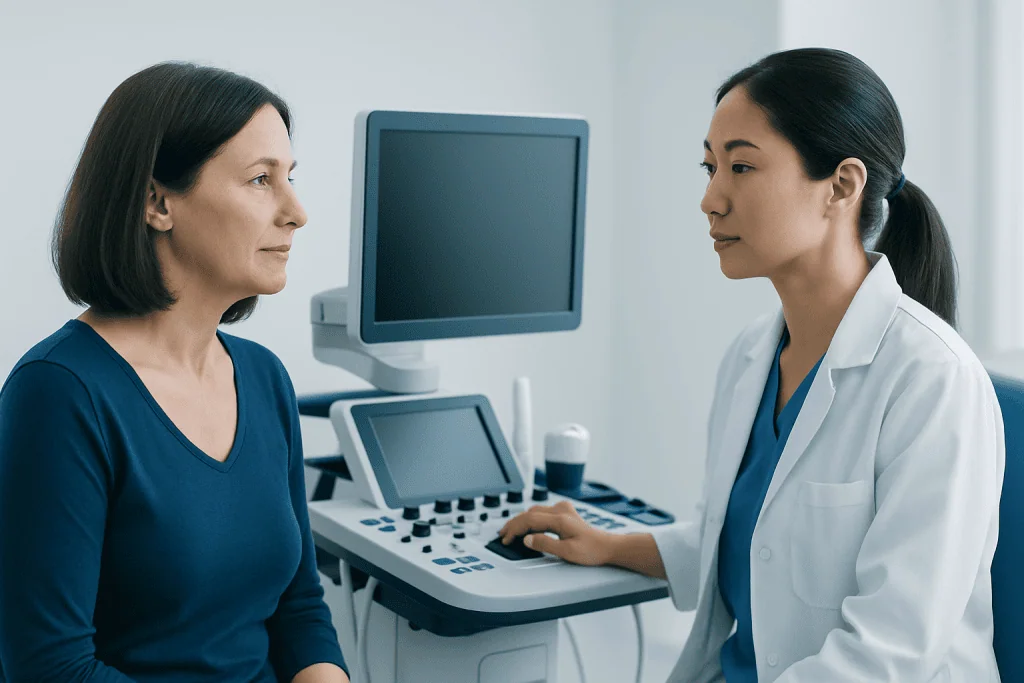
Endocrine therapy may be recommended for people with hormone receptor-positive breast cancer at an early stage, after surgery, chemotherapy and/or radiation therapy when appropriate. In this setting, it is often used to lower the chance of the cancer returning. It may also be used before surgery in selected cases, including when shrinking a hormone-sensitive tumor could help make surgery more suitable.
For locally advanced or metastatic hormone receptor-positive breast cancer, endocrine therapy is often an important treatment option. It may be used alone or combined with targeted medicines, depending on the cancer’s features, previous treatments, symptoms and how quickly the disease needs to be controlled.
In prostate cancer, androgen-deprivation treatment lowers or blocks testosterone signaling and is used in several clinical settings. Endocrine therapy is not useful for cancers without the relevant hormone receptors. A medical oncologist explains whether the cancer is likely to respond and how endocrine treatment fits with surgery, radiation and other systemic therapies.
What happens during endocrine therapy?

Endocrine therapy is usually not a single procedure or hospital admission. Most people receive treatment as tablets taken at home, scheduled injections, or both. Some medicines block estrogen receptors, while others lower estrogen levels after menopause. For people who have not reached menopause, medicines may temporarily suppress ovarian hormone production; less commonly, surgery to remove the ovaries may be discussed.
The process begins with a treatment consultation. The clinician reviews pathology results, medical history, current medicines, menstrual or menopause status, bone health and possible pregnancy considerations. Baseline tests may be arranged when needed, such as blood tests, bone-density scans or assessments of cardiovascular risk.
At follow-up visits, the team checks adherence, side effects, symptoms and any tests relevant to the selected medicine. It is important not to stop endocrine therapy independently, even if side effects are troublesome. There are often practical measures, medication changes or referral options that can make treatment more manageable.
- Tablets are generally taken on a regular daily schedule as prescribed.
- Injections are administered at clinic intervals determined by the medicine used.
- Follow-up frequency is individualized and may change over time.
- Any new medications, supplements or herbal products should be discussed with the care team.
How long does endocrine therapy last?
For early hormone receptor-positive breast cancer, endocrine therapy commonly lasts at least five years. Some people may be advised to continue for a longer total duration, often up to 10 years, when the expected reduction in recurrence risk outweighs the potential downsides. The decision is personalized rather than automatic.
For advanced or metastatic cancer, endocrine therapy may continue for as long as it is controlling the disease and side effects remain acceptable. If the cancer progresses or treatment becomes difficult to tolerate, the oncology team may recommend another endocrine medicine, a combination treatment or a different approach.
People sometimes ask how long the endocrine system takes to respond. This varies considerably. Endocrine medicines can begin changing hormone signaling soon after treatment starts, but the time needed to see a clinical response depends on the cancer type, treatment aim and how response is measured. In advanced disease, imaging and symptom review over time help assess effectiveness.
What stage of cancer is hormone therapy used for?
Hormone therapy can be used across several stages of hormone-sensitive cancer. In early-stage breast cancer, it is commonly given after local treatment to reduce the likelihood of recurrence. It may also be considered before surgery in selected patients, particularly when a tumor is strongly hormone receptor-positive and other clinical factors support this approach.
In stage III or locally advanced disease, endocrine therapy may be used alongside other treatments in a carefully planned sequence. In stage IV breast cancer, it is often a central treatment option for hormone receptor-positive disease, especially when there is no immediate need for rapid chemotherapy-based control.
Stage alone does not determine treatment. Cancer biology, including receptor status, tumor behavior, spread, symptoms and prior therapy, is equally important. A multidisciplinary cancer team can explain the goals of endocrine treatment in the individual situation: reducing recurrence risk, controlling cancer, relieving symptoms or preparing for another treatment.
Benefits, risks and recovery timeline
The main benefit of endocrine therapy is that it can reduce the risk of recurrence in early hormone receptor-positive breast cancer and can control hormone-sensitive advanced cancer. It is often less intensive than chemotherapy in terms of day-to-day administration, but it is still an active cancer treatment that requires consistent use and follow-up.
There is usually no physical recovery period like the recovery after surgery because most endocrine treatments are taken by mouth or given by injection. However, the body may take weeks to months to adjust to changed hormone signaling. Side effects can develop early or later during treatment, and may fluctuate over time.
Possible effects vary by medicine and may include hot flushes, night sweats, vaginal dryness or discharge, menstrual changes, fatigue, mood changes, joint or muscle aches, reduced sexual desire, and bone thinning. Certain medicines can also increase the risk of blood clots or affect the uterus, while others may affect cholesterol or bone density. The care team weighs these risks against expected benefit and monitors appropriately.
Healthy routines may support overall wellbeing during treatment, but they do not replace oncology care. For those wondering how to keep the endocrine system healthy or how to balance it, helpful foundations include regular physical activity, adequate sleep, a balanced diet, avoiding tobacco and limiting alcohol. Individual advice is especially important for bone health, menopause symptoms and cardiovascular risks.
How effective is endocrine therapy for breast cancer?
Endocrine therapy is highly important for hormone receptor-positive breast cancer because it addresses a key growth pathway in the tumor. In early-stage disease, it can substantially lower the risk of recurrence when used as recommended. The amount of benefit differs between individuals and depends on factors such as lymph node involvement, tumor size and grade, receptor levels, HER2 status, age, menopause status and other treatments received.
In metastatic breast cancer, endocrine therapy can slow cancer growth and may provide meaningful disease control for many people. Some cancers respond for a long time, while others develop resistance sooner. Targeted therapies are sometimes combined with endocrine medicines to improve treatment activity in appropriate patients.
Regular medication use matters. If side effects interfere with daily life, the care team should be contacted promptly rather than waiting for the next routine appointment. A change in medication, supportive treatment, rehabilitation, gynecologic support or bone-health planning may help a person continue effective therapy more comfortably.
What is the success rate of hormone therapy?
There is no single success rate for hormone therapy because the treatment is used for different cancers, stages and goals. For early breast cancer, success is measured mainly by the reduction in recurrence risk over years. For advanced cancer, success may mean shrinking tumors, slowing growth, easing symptoms or maintaining disease control for a period of time.
An oncologist can provide a more meaningful individual estimate after reviewing pathology, stage, genomic tests when relevant, treatments already received and overall health. General percentages from another person’s situation may not apply and can be misleading without this context.
Acibadem International’s multidisciplinary specialists at JCI-accredited hospitals assess hormone-sensitive cancers and coordinate individualized endocrine therapy plans for international patients. Ongoing reviews help ensure that treatment goals, safety monitoring and supportive care remain aligned with each person’s needs.
When to seek medical care
Anyone with a new breast lump, nipple discharge, breast skin changes, unexplained pelvic symptoms, urinary changes, persistent bone pain, unexplained weight loss or other concerning symptoms should arrange medical assessment. These symptoms often have causes other than cancer, but timely evaluation is the safest approach.
People already taking endocrine therapy should contact their oncology team promptly for severe or persistent symptoms, including chest pain, sudden shortness of breath, coughing blood, one-sided leg swelling or pain, unexpected vaginal bleeding, severe headache, vision changes, jaundice, or signs of an allergic reaction. These symptoms require timely assessment because some may indicate uncommon but serious treatment-related problems.
New or worsening pain, marked fatigue, emotional distress, difficulty taking medication, or troublesome menopausal symptoms also deserve attention. Supportive care is part of cancer treatment, and early discussion can often improve comfort, safety and treatment continuity.
Frequently asked questions
Is endocrine therapy the same as chemotherapy?
No. Chemotherapy generally works by damaging or stopping rapidly dividing cells, while endocrine therapy targets hormone signaling that helps certain cancers grow. The treatments may be used separately or together, depending on the cancer and treatment plan.
Can endocrine therapy cure breast cancer?
In early hormone receptor-positive breast cancer, endocrine therapy is used as part of curative-intent treatment and helps reduce the risk of cancer returning. Whether a person is cured depends on the full cancer situation and all treatments received. In metastatic cancer, endocrine therapy is usually used to control the disease rather than to cure it.
Will endocrine therapy cause menopause?
Some endocrine treatments can cause menopause-like symptoms, such as hot flushes, vaginal dryness and menstrual changes. Ovarian suppression can temporarily stop ovarian hormone production, and its effects may be reversible depending on age and the treatment used. The care team can explain fertility and menopause implications before treatment begins.
Can side effects be managed without stopping treatment?
Often, yes. Side effects may be addressed with lifestyle measures, symptom-relief treatments, specialist support or a change to another endocrine medicine. A person should speak with the oncology team before missing doses or stopping treatment.
How is response to endocrine therapy monitored?
For early breast cancer, monitoring usually includes clinical reviews and recommended follow-up imaging, with attention to treatment side effects and long-term health. In advanced cancer, symptom changes, examinations, blood tests and imaging may be used to assess disease control. The monitoring plan depends on the cancer type and treatment goal.
Can supplements or herbal remedies affect endocrine therapy?
Some supplements and herbal products may interact with cancer medicines or influence hormone-related pathways. It is safest to tell the oncology team about all non-prescription products, including vitamins, teas and remedies, before starting them. The team can advise which options are appropriate.
References
- National Cancer Institute
- American Cancer Society
- American Society of Clinical Oncology
- European Society for Medical Oncology
- National Comprehensive Cancer Network
This article is for general information only and is not a substitute for professional medical advice. Please consult a qualified doctor about your individual situation.
Oncology care in Turkey — second opinion and treatment plan
JCI-accredited · board-certified surgeons · reply within 24h
Add us as a Preferred Source to see more of our trusted health content across Google Search, AI Overviews and Discover.