Endometriosis: Pelvic Pain, Diagnosis, and Treatment Options
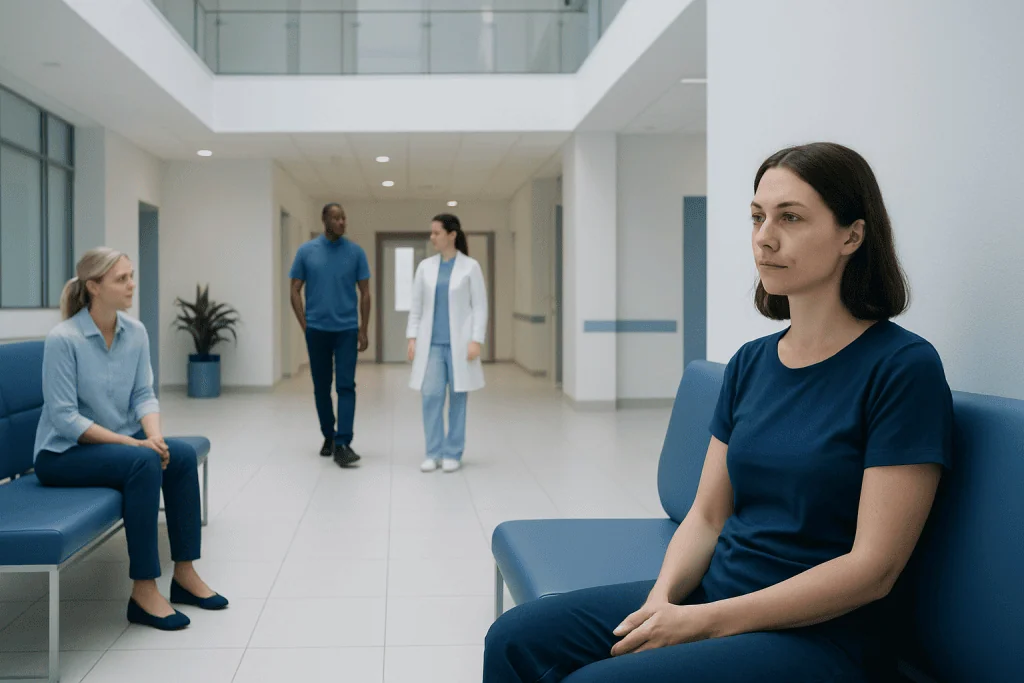
Endometriosis can cause pelvic pain, painful periods, pain during sex, bowel or bladder symptoms, and difficulty becoming pregnant. Symptoms do not always match the amount of disease seen in the pelvis, so careful assessment is important.
Key Takeaways
- Endometriosis can cause pelvic pain, painful periods, pain during sex, bowel or bladder symptoms, and difficulty becoming pregnant.
- Symptoms do not always match the amount of disease seen in the pelvis, so careful assessment is important.
- Diagnosis may include a medical history, pelvic examination, ultrasound or MRI, and sometimes laparoscopy.
- Treatment options include pain relief, hormonal therapies, surgery, fertility care, and supportive lifestyle measures.
- A personalized plan is best, especially for people who want to preserve fertility or manage long-term symptoms.
Endometriosis is a long-term condition in which tissue similar to the lining of the uterus grows outside the uterus, often causing pelvic pain, painful periods, and sometimes fertility challenges. With careful diagnosis and an individualized treatment plan, many people can reduce symptoms and improve daily quality of life.
Overview
Endometriosis is a condition in which tissue similar to the endometrium, the lining inside the uterus, is found outside the uterus. These areas of tissue may grow on the ovaries, fallopian tubes, the outer surface of the uterus, the pelvic lining, the bowel, the bladder, or other nearby structures. Like the uterine lining, endometriosis tissue can respond to monthly hormonal changes, leading to inflammation, irritation, scar tissue, and pain.
Endometriosis is usually a chronic condition, meaning it may need ongoing management rather than a one-time treatment. However, symptoms can often be improved with the right combination of medical care, surgery when appropriate, and self-care strategies. The goal is not only to treat visible lesions but also to reduce pain, support fertility goals, and help the person return to daily activities with more comfort.
The experience of endometriosis varies widely. Some people have severe pain with only small areas of disease, while others may have extensive disease with few symptoms. This is one reason why a patient-centered approach is important: treatment decisions should be based on symptoms, examination and imaging findings, life stage, fertility wishes, and personal preferences.
Symptoms of Endometriosis
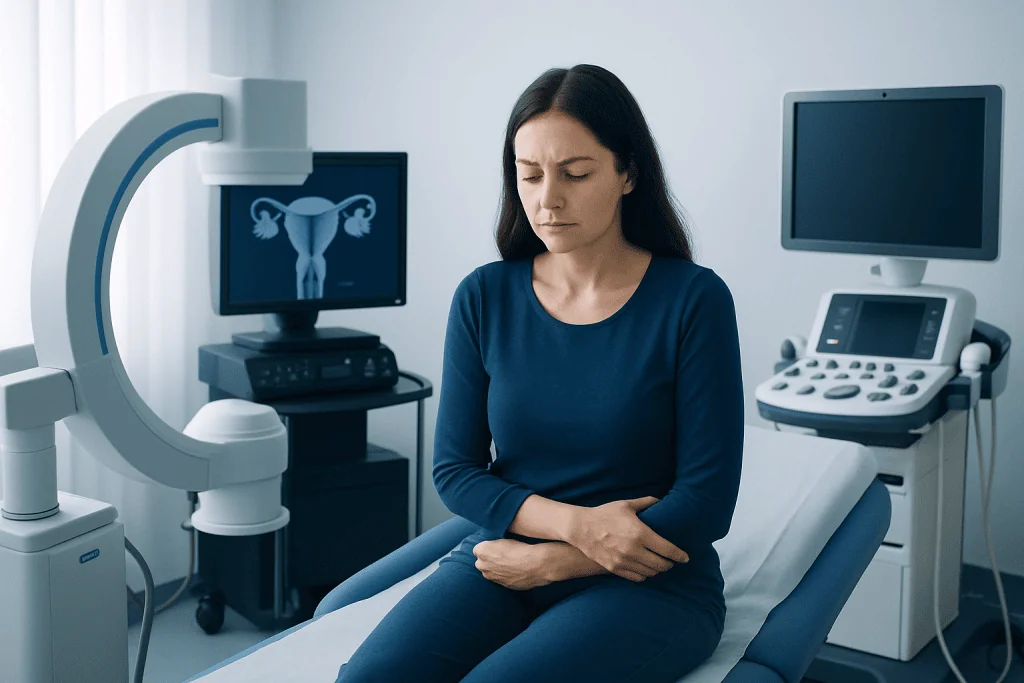
The most recognized symptom of endometriosis is pelvic pain, especially pain that worsens around menstruation. Period cramps caused by endometriosis may be more intense than typical menstrual cramps and may interfere with school, work, exercise, or social life. Pain may begin before bleeding starts and continue for several days.
Endometriosis can also cause pain at other times of the month. Some people have deep pain during or after sexual intercourse, pain with bowel movements, pain when urinating, lower back or hip discomfort, or a feeling of pelvic pressure. Symptoms may become more noticeable during the menstrual period, particularly if endometriosis affects the bowel, bladder, or tissue behind the uterus.
Common symptoms may include:
- Painful periods that are difficult to control with usual pain relievers
- Chronic pelvic pain lasting six months or longer
- Pain during sex, especially deep pelvic pain
- Heavy menstrual bleeding or bleeding between periods in some people
- Bloating, nausea, constipation, diarrhea, or painful bowel movements
- Difficulty becoming pregnant
- Fatigue, especially when pain is frequent or sleep is disturbed
Because these symptoms can overlap with other conditions, such as irritable bowel syndrome, pelvic inflammatory disease, ovarian cysts, urinary disorders, or fibroids, medical evaluation is important. A person does not need to consider severe period pain as normal, especially when it limits daily life.
Causes and Risk Factors
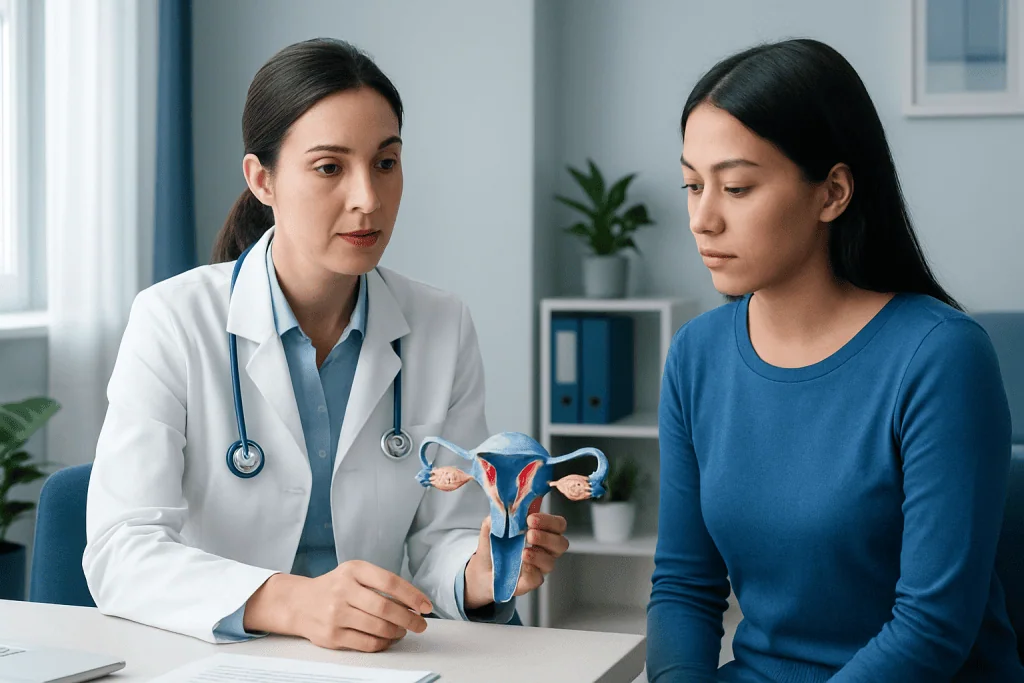
The exact cause of endometriosis is not fully understood. Several explanations have been studied, including backward flow of menstrual blood through the fallopian tubes, transformation of cells in the pelvic lining, immune system factors, genetic tendency, and spread of cells through blood or lymph channels. It is likely that more than one mechanism is involved.
Hormones, especially estrogen, play an important role because endometriosis tissue often grows and becomes inflamed in response to hormonal signals. This is why many treatments aim to reduce the hormonal stimulation of endometriosis tissue. However, endometriosis is not simply a hormone problem; inflammation, nerves, scarring, and pain pathways may also contribute to symptoms.
Risk factors may include having a close family member with endometriosis, starting periods at an early age, having short menstrual cycles, heavy or prolonged periods, or certain reproductive tract differences that affect menstrual flow. Endometriosis can occur in adolescents and adults, and symptoms may persist until menopause unless treated or managed. In some cases, symptoms may continue after menopause, particularly if hormone therapy is used or if disease remains active.
Diagnosis
Diagnosis begins with a detailed discussion of symptoms. A doctor may ask about the timing and severity of pain, menstrual history, bowel and bladder symptoms, sexual pain, previous surgeries, fertility goals, and how symptoms affect daily life. Keeping a symptom diary for a few cycles can help identify patterns and guide the conversation.
A pelvic examination may be recommended to check for tenderness, reduced movement of pelvic organs, nodules, or enlarged ovaries. However, a normal pelvic examination does not rule out endometriosis. Some areas of disease are small or located in places that cannot be felt during an exam.
Imaging can support the diagnosis and help plan treatment. Transvaginal ultrasound is often used to look for ovarian endometriomas, sometimes called chocolate cysts, and to assess the uterus and ovaries. MRI may be helpful when deep infiltrating endometriosis is suspected, especially if bowel, bladder, or complex pelvic involvement needs to be mapped before surgery.
Laparoscopy, a minimally invasive surgical procedure, has traditionally been used to confirm endometriosis by directly seeing lesions and, when needed, taking tissue samples. Today, many specialists can make a strong clinical diagnosis based on symptoms, examination, and high-quality imaging, especially when immediate surgery is not required. The decision to perform laparoscopy depends on the individual situation, symptom severity, response to treatment, imaging results, and fertility plans.
Treatment Options
Treatment is individualized. The best plan depends on pain severity, lesion location, age, previous treatments, whether the person is trying to become pregnant, and personal preferences. For some, symptom control with medication is the first step. For others, surgery or fertility treatment may be considered earlier, especially when symptoms are severe or imaging suggests endometriomas or deep disease.
Pain relief may include nonsteroidal anti-inflammatory drugs or other pain medicines recommended by a doctor. These can help with menstrual cramps and inflammation but may not be enough for all endometriosis-related pain. It is important to use pain medicines safely, particularly for people with stomach, kidney, bleeding, or heart-related risks.
Hormonal treatments are commonly used to reduce or suppress menstrual cycling and limit stimulation of endometriosis tissue. Options may include combined hormonal contraceptives, progestin-only pills, hormonal intrauterine systems, injections, implants, or medicines that temporarily lower estrogen levels. These treatments can reduce pain for many people, but they do not suit everyone and are not used when actively trying to conceive.
Surgery may be recommended if pain is severe, if there are endometriomas, if deep endometriosis affects organs, if medication is not effective, or if fertility is a concern. Laparoscopic surgery may remove or destroy endometriosis lesions, release adhesions, and treat ovarian cysts while aiming to preserve healthy tissue. In advanced or complex cases, a multidisciplinary surgical team may be needed, especially when the bowel, bladder, ureters, or pelvic nerves are involved.
Fertility, Pregnancy, and Long-Term Management
Endometriosis can be associated with difficulty becoming pregnant, but many people with endometriosis do conceive. The condition may affect fertility through inflammation, scar tissue, changes in the pelvic anatomy, ovarian endometriomas, or effects on egg and embryo development. The impact varies widely, so an individual fertility assessment is more helpful than general assumptions.
If pregnancy is desired, the care plan may include timed attempts to conceive, evaluation of both partners, ovarian reserve testing, surgery in selected cases, or assisted reproductive treatments such as in vitro fertilization. Hormonal suppression can help pain but prevents pregnancy while used, so treatment choices should be aligned with reproductive goals.
Pregnancy may improve symptoms for some people during the time periods stop, but it is not considered a cure for endometriosis. Symptoms can return after childbirth or after menstrual cycles resume. Long-term follow-up is often useful because endometriosis can recur, and pain may also involve pelvic floor muscles, nerves, or overlapping conditions that need additional care.
Ongoing management may combine gynecologic care with pain medicine, physiotherapy, nutrition support, mental health support, and fertility services when needed. A person with endometriosis should feel encouraged to discuss both physical and emotional effects, including fatigue, sleep disruption, anxiety about pain, or concerns about relationships and intimacy.
Prevention and Self-Care
There is no proven way to completely prevent endometriosis, because its causes are complex and not fully understood. However, self-care can support symptom control and improve daily functioning alongside medical treatment. These strategies are not substitutes for medical care, but they may make symptoms easier to manage.
Heat therapy, gentle movement, stretching, relaxation techniques, and adequate sleep may help some people during painful days. Pelvic floor physiotherapy can be beneficial when pelvic muscles become tight or painful in response to chronic pain. Some people also benefit from working with a dietitian to identify foods that affect bloating, bowel symptoms, or overall energy levels.
Helpful self-care steps may include:
- Tracking pain, bleeding, bowel and bladder symptoms, and medication use
- Planning rest and flexible activities around difficult cycle days when possible
- Using prescribed or recommended pain relief early in a pain flare, as directed by a clinician
- Seeking support for stress, mood changes, or relationship concerns linked to chronic pain
- Avoiding smoking and maintaining general health through balanced nutrition and regular activity as tolerated
Because endometriosis symptoms can fluctuate, it is useful to review the treatment plan periodically. If pain returns, side effects occur, fertility goals change, or daily life remains limited, a healthcare professional can reassess options and adjust care.
When to See a Doctor
A person should seek medical advice if period pain is severe, worsening, or not controlled with usual measures, or if pelvic pain interferes with daily life. Evaluation is also important for pain during sex, painful bowel movements or urination during periods, heavy bleeding, bleeding between periods, or difficulty becoming pregnant.
Prompt medical care is needed for sudden, severe pelvic pain; fainting; fever; persistent vomiting; heavy bleeding with dizziness; or a positive pregnancy test with pelvic pain. These symptoms can have causes other than endometriosis and may require urgent assessment.
Before an appointment, it may help to prepare a list of symptoms, cycle dates, previous treatments, family history, and fertility goals. Patients can ask what diagnoses are being considered, whether imaging is needed, what treatment options fit their goals, and when follow-up should occur.
For international patients seeking coordinated evaluation, Acibadem International offers access to multidisciplinary specialists and JCI-accredited hospitals for the diagnosis and treatment of endometriosis. As with any health decision, care should be guided by a qualified doctor after an individual assessment.
Frequently asked questions
Is endometriosis the same as painful periods?
No. Painful periods are common and can have different causes, while endometriosis is a specific condition in which tissue similar to the uterine lining grows outside the uterus. Endometriosis often causes period pain that is severe, progressive, or disruptive to daily life, but symptoms can also occur outside menstruation.
Can endometriosis be seen on ultrasound?
Ultrasound can detect some signs of endometriosis, especially ovarian endometriomas and certain features of deep disease when performed by an experienced clinician. However, superficial endometriosis may not be visible on ultrasound. A normal scan does not always rule out the condition.
Does endometriosis always cause infertility?
No. Many people with endometriosis are able to become pregnant naturally. Others may need fertility evaluation, surgery, or assisted reproductive treatment depending on age, ovarian reserve, partner factors, and the extent of disease.
Can endometriosis come back after surgery?
Yes, symptoms or lesions can recur after surgery, especially over time. Recurrence risk depends on factors such as disease type, completeness of treatment, age, and whether hormonal suppression is used afterward. Follow-up care helps manage symptoms early if they return.
Are hormonal treatments a cure for endometriosis?
Hormonal treatments can reduce pain by suppressing menstrual cycling and decreasing stimulation of endometriosis tissue. They do not remove existing scar tissue or permanently cure the condition. Symptoms may return after stopping treatment, so the plan should be reviewed with a doctor.
When should someone consider seeing an endometriosis specialist?
Specialist assessment is helpful if pain is severe, symptoms persist despite treatment, imaging suggests endometriomas or deep endometriosis, or fertility is a concern. A specialist can review diagnosis, discuss medical and surgical options, and coordinate care with other professionals when bowel, bladder, pain, or fertility issues are involved.
References
- World Health Organization
- European Society of Human Reproduction and Embryology
- American College of Obstetricians and Gynecologists
- National Institute for Health and Care Excellence
- Mayo Clinic
This article is for general information only and is not a substitute for professional medical advice. Please consult a qualified doctor about your individual situation.
Endometriosis in Turkey — costs, top hospitals & a free quote
JCI-accredited · board-certified surgeons · reply within 24h

More from the Health Library
Related Specialists

Dr. Semih Demirkıran
Pediatrics
Dr. Kadir Yavaşoğlu
Orthopedic Surgery & Traumatology
Dr. Seval Eren
Inpatient Clinic Physicians Clinical Service
Prof. Dr. Müfit Kalelioğlu
Neurosurgery