Ewing’s Sarcoma Treatment: How It Works, Results and What to Expect
Treatment usually combines systemic chemotherapy with local treatment using surgery, radiation therapy, or both. Ewing sarcoma can grow and spread relatively quickly, so prompt specialist assessment is important.
Key Takeaways
- Treatment usually combines systemic chemotherapy with local treatment using surgery, radiation therapy, or both.
- Ewing sarcoma can grow and spread relatively quickly, so prompt specialist assessment is important.
- Treatment is delivered in planned phases and often includes rehabilitation, monitoring, and supportive care.
- Outcomes depend on whether disease is localized or metastatic, tumor site, response to treatment, and other individual factors.
- Many people can have meaningful long-term survival after treatment, especially when the cancer is localized.
Ewing's sarcoma treatment usually starts with intensive chemotherapy, followed by surgery, radiation therapy, or both to treat the original tumor. Care is planned by a specialist multidisciplinary team and is tailored to the tumor location, whether it has spread, and the person's overall health.
Overview: How Ewing's Sarcoma Treatment Works
Ewing sarcoma is a rare cancer that most often begins in bone, although it can also arise in soft tissue. It occurs most commonly in children, teenagers, and young adults, but it can affect people of other ages. Because cancer cells may have traveled beyond the visible tumor before diagnosis, ewing’s sarcoma treatment generally uses more than one approach.
The usual plan combines chemotherapy, which circulates through the body, with local treatment directed at the primary tumor. Local treatment may involve surgery, radiation therapy, or both. Chemotherapy is commonly given before local treatment to shrink or control the tumor and treat possible microscopic disease, then continued afterward to reduce the chance of recurrence.
Care is best coordinated by a sarcoma team that includes pediatric or medical oncologists, orthopedic oncology surgeons, radiation oncologists, radiologists, pathologists, nurses, rehabilitation specialists, and supportive-care professionals. The team reviews imaging, biopsy findings, tumor location, and treatment response to develop an individual plan.
How Fast Does Ewing Sarcoma Progress?
Ewing sarcoma is considered an aggressive cancer, meaning it can grow and spread over a relatively short period if untreated. It may spread through the bloodstream, most often to the lungs, other bones, and bone marrow. However, its pace is not identical for every person, and symptoms alone cannot reliably show how quickly it is progressing.
Persistent bone pain, a growing lump, swelling, unexplained fever, reduced movement, or pain that becomes more noticeable at night should be medically assessed. These symptoms are much more often caused by non-cancerous conditions, but timely evaluation helps ensure that serious causes are not missed.
Once Ewing sarcoma is suspected, specialist teams arrange imaging and biopsy without unnecessary delay. Staging tests then determine whether cancer is confined to its starting site or has spread, which is essential for choosing the most appropriate treatment sequence.
Candidacy and Planning for Treatment
Nearly everyone with confirmed Ewing sarcoma needs treatment from a specialist cancer center. The treatment approach depends on whether the disease is localized or metastatic, where the tumor started, its size, whether nearby vital structures are involved, and how well it responds to initial chemotherapy. Age, general health, heart and kidney function, and previous medical treatment also guide decisions.
Diagnosis requires a biopsy reviewed by an experienced pathologist. Imaging may include MRI of the affected area, CT scans, PET imaging, bone scans, and chest imaging. Doctors may also assess bone marrow in selected situations. These tests help stage the cancer and create a baseline for comparing response during therapy.
Before treatment begins, the team discusses possible effects on fertility, growth, heart health, bone health, and daily function. Fertility preservation may be considered before chemotherapy when appropriate. People and families are encouraged to ask about the aim of treatment, expected timing, school or work planning, emotional support, and rehabilitation needs.
Step by Step: Chemotherapy, Surgery and Radiation Therapy
Systemic chemotherapy. Treatment commonly begins with cycles of several chemotherapy medicines given over months. These medicines target fast-growing cancer cells throughout the body. Blood tests, symptom reviews, and scans are used to monitor safety and tumor response. Treatment may be adjusted if side effects or test results require it.
Local tumor treatment. After early chemotherapy cycles, the sarcoma team decides how best to treat the original tumor. Orthopedic oncology surgery may remove the tumor while preserving limb function whenever safely possible. Depending on the location, reconstruction can involve bone grafts, implants, or other reconstructive techniques. Amputation is uncommon but may be the safest option in selected cases where the tumor cannot be fully removed while preserving essential function.
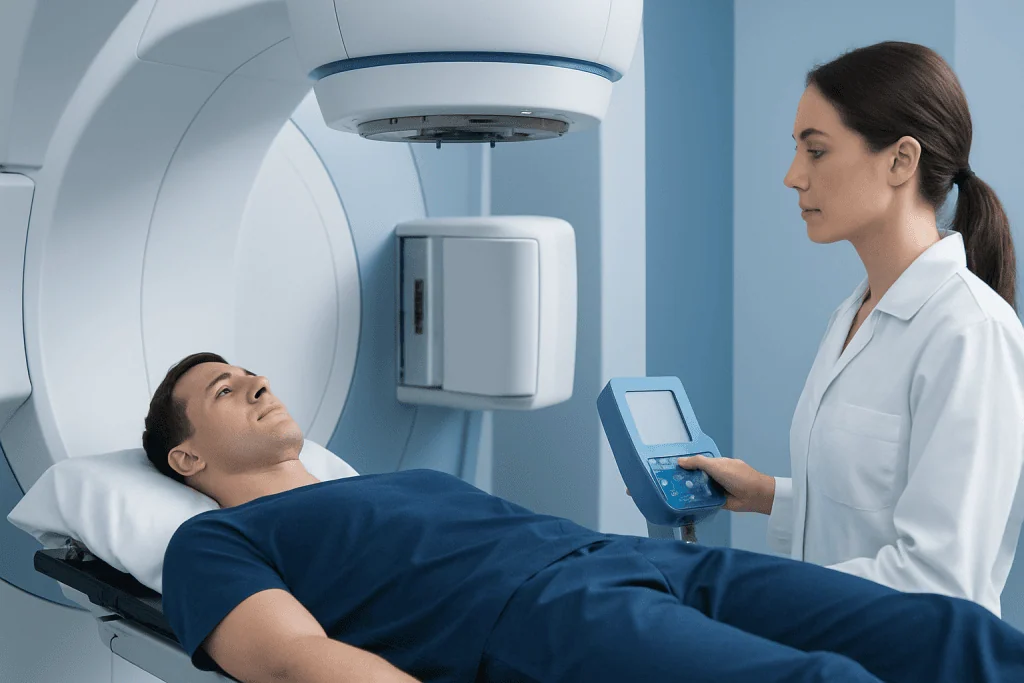
Radiation therapy. Radiation uses carefully planned high-energy beams to damage cancer cells at the tumor site. It may be used when surgery is not feasible, when an operation would cause major functional harm, when tumor margins are close or involved, or alongside surgery in selected situations. Radiation oncology treatment is planned precisely to limit dose to nearby healthy tissue as much as possible.
After surgery and/or radiation, chemotherapy usually continues to complete the planned course. If the cancer has spread or returned, treatment may include different chemotherapy combinations, radiation to selected sites, surgery where appropriate, clinical trials, or supportive treatments. The approach remains individualized and should be discussed with a sarcoma specialist.
Benefits, Risks and Recovery Timeline
The potential benefit of combined treatment is control or elimination of both the visible tumor and cancer cells that cannot be detected on scans. For localized Ewing sarcoma, treatment is often given with curative intent. For metastatic or recurrent disease, the goals may still include long-term control and, in some cases, cure, while also protecting comfort and quality of life.
Chemotherapy can cause fatigue, nausea, appetite changes, mouth sores, hair loss, low blood counts, infection risk, and effects on fertility. Some medicines can affect the heart, kidneys, nerves, hearing, or bladder, so monitoring is an important part of care. Not every person experiences every side effect, and supportive medicines and blood tests help the team manage treatment safely.
Recovery is gradual and varies by treatment. Chemotherapy visits and recovery periods extend over many months. Following surgery, hospital recovery may take days to weeks, while bone healing, physical therapy, and return of strength can take months. Radiation is usually delivered over several weeks; tiredness and skin changes in the treated area may build gradually and often improve after treatment ends.
Long-term follow-up is essential. It includes examinations, scans, rehabilitation assessment, and screening for possible late effects of treatment. Young people may need monitoring of growth and development. Emotional support, pain management, nutrition guidance, and help returning to education, work, sport, or family routines are important parts of recovery.
Is Ewing Sarcoma a Bad Cancer?
Ewing sarcoma is a serious cancer because it can spread and requires intensive, coordinated treatment. It is understandable for patients and families to feel worried after a diagnosis. At the same time, the term “bad” does not capture the full picture: treatment has improved substantially, and many people with localized disease are treated successfully.
Outlook is influenced by several factors, including whether the cancer is localized or metastatic at diagnosis, the primary tumor site and size, response to chemotherapy, and whether local control can be achieved. Prognosis statistics describe groups of people and cannot predict exactly what will happen for one individual.
A specialist team can explain the findings in context and revisit prognosis as treatment response becomes clearer. Seeking emotional support from counselors, social workers, patient groups, and trusted family members can help people manage the practical and emotional demands of treatment.
Can You Live a Long Life With Ewing Sarcoma?
Yes. Many people who are treated for localized Ewing sarcoma can live long lives after treatment. Long-term survival is possible because modern care combines chemotherapy with effective local control of the tumor. Follow-up remains important because recurrence is most likely in the first few years after treatment, although late effects of treatment also need attention over time.
People who complete treatment may need ongoing checks for heart health, fertility concerns, bone and joint function, growth-related issues, and second cancers associated with prior therapy. These risks vary according to the medicines, radiation fields, surgery, and age at treatment, and the care team can provide a personalized survivorship plan.
Returning to normal routines is usually a process rather than a single milestone. Rehabilitation can support mobility and strength after limb or pelvic surgery, while counseling and peer support can help address anxiety, body-image changes, and adjustment after cancer treatment.
What Is the Survival Rate for Patients With Metastatic Ewing Sarcoma?
Metastatic Ewing sarcoma is more difficult to treat than disease that remains localized. Published outcomes vary between studies and depend on where the cancer has spread, how much disease is present, response to chemotherapy, and access to complete treatment of all known sites. In general, long-term survival is considerably lower for metastatic disease than for localized Ewing sarcoma.
When disease has spread only to the lungs, outcomes may be more favorable than when it has spread to bone or bone marrow, although individual circumstances differ. Doctors consider intensive chemotherapy and, where feasible, local treatment of both the original tumor and metastatic sites. Clinical trials may also be considered when available and suitable.
Rather than relying on a single percentage, patients should ask their sarcoma team how their staging results and response to initial treatment affect their own outlook. This allows a realistic but individualized discussion of treatment goals, options, and supportive care needs.
When to Seek Medical Care
Medical assessment is appropriate for persistent or worsening bone pain, pain that wakes someone from sleep, unexplained swelling or a lump, a limp, reduced use of a limb, or pain that does not improve as expected after an injury. Fever, tiredness, or weight loss can occur for many reasons, but should be discussed with a clinician when they are persistent or combined with ongoing pain or swelling.
A person receiving chemotherapy should contact their cancer team urgently for fever, chills, breathing difficulty, unusual bleeding, severe vomiting or diarrhea, confusion, sudden severe pain, or signs of dehydration. Low white blood cell counts can make infections more serious, and the treating team will provide specific instructions for urgent concerns.
Acibadem International’s multidisciplinary specialists and JCI-accredited hospitals provide diagnostic assessment and treatment planning for international patients with Ewing sarcoma. A qualified sarcoma team can explain the available options, expected benefits, possible risks, and follow-up needs for each individual.
Frequently asked questions
What is the main treatment for Ewing sarcoma?
The main treatment is combination therapy, usually beginning with chemotherapy. Surgery, radiation therapy, or both are then used to control the original tumor, followed by further chemotherapy in most treatment plans.
Why is chemotherapy given before surgery for Ewing sarcoma?
Chemotherapy before surgery can treat cancer cells that may have spread microscopically and may shrink the primary tumor. The response to chemotherapy also provides useful information for the treatment team when planning local therapy.
Can Ewing sarcoma be treated without surgery?
Yes, radiation therapy may be used when surgery cannot safely remove the tumor or would lead to unacceptable loss of function. In some situations, surgery and radiation are both recommended, while in others surgery alone may provide local control.
How long does Ewing sarcoma treatment take?
Treatment commonly takes many months because chemotherapy is delivered in repeated cycles before and after local treatment. The exact timetable depends on the protocol, surgical recovery, radiation requirements, blood counts, and individual response.
Does Ewing sarcoma treatment affect fertility?
Some chemotherapy medicines and radiation involving reproductive organs can affect fertility. Before treatment starts, the oncology team can discuss fertility risks and possible preservation options that are appropriate for the person's age and circumstances.
What follow-up is needed after Ewing sarcoma treatment?
Follow-up usually includes regular physical examinations and imaging to monitor for recurrence, especially during the first years after therapy. It also addresses rehabilitation and possible late effects involving the heart, bones, growth, fertility, and emotional wellbeing.
References
- National Cancer Institute
- American Cancer Society
- European Society for Medical Oncology
- Children's Oncology Group
- National Comprehensive Cancer Network
This article is for general information only and is not a substitute for professional medical advice. Please consult a qualified doctor about your individual situation.
Oncology care in Turkey — second opinion and treatment plan
JCI-accredited · board-certified surgeons · reply within 24h
Add us as a Preferred Source to see more of our trusted health content across Google Search, AI Overviews and Discover.