Exposure to Exhaust Treatment: How It Works, Results and What to Expect

Most brief, outdoor exhaust exposures cause temporary irritation and improve after leaving the area, but severe symptoms need prompt medical assessment. Diesel exhaust contains a mixture of gases and particles that can irritate the eyes and airways and may worsen asthma or other lung disease.
Key Takeaways
- Most brief, outdoor exhaust exposures cause temporary irritation and improve after leaving the area, but severe symptoms need prompt medical assessment.
- Diesel exhaust contains a mixture of gases and particles that can irritate the eyes and airways and may worsen asthma or other lung disease.
- Diesel exhaust fluid (DEF) is different from diesel fuel; it is generally low in toxicity but can irritate skin, eyes, or the digestive tract if swallowed.
- Treatment may include oxygen, inhaled medicines, observation, and tests to assess the lungs, heart, and blood oxygen levels.
- Avoiding idling vehicles and ensuring good ventilation in garages and enclosed work areas can reduce future exposure risks.
Exposure to exhaust treatment depends on the type of exhaust, the amount and duration of exposure, and the person’s symptoms. The first steps are moving to fresh air, avoiding further exposure, and seeking urgent assessment for breathing difficulty, chest symptoms, confusion, fainting, or persistent symptoms.
Overview: What Is Exposure to Exhaust Treatment?
Exposure to exhaust treatment means the medical care used after breathing in vehicle, engine, or industrial exhaust fumes. Care begins by ending the exposure and moving the person into fresh air. A clinician then assesses symptoms, oxygen levels, and the possibility of exposure to harmful gases or fine particles.
There is no single antidote for all exhaust fumes. Treatment is tailored to the exposure and its effects, and may range from rest and observation to oxygen, medicines that open the airways, or emergency treatment. People who have been exposed in an enclosed area, such as a garage, workshop, tunnel, or vehicle cabin, may need more urgent evaluation than those exposed briefly outdoors.
Exhaust can contain carbon monoxide, nitrogen oxides, volatile chemicals, and fine particulate matter. Diesel exhaust also contains soot-like particles. The exact mixture varies with the engine, fuel, ventilation, and whether the engine is operating correctly.
What Are the Potential Health Effects of Exposure to Exhaust Fumes?
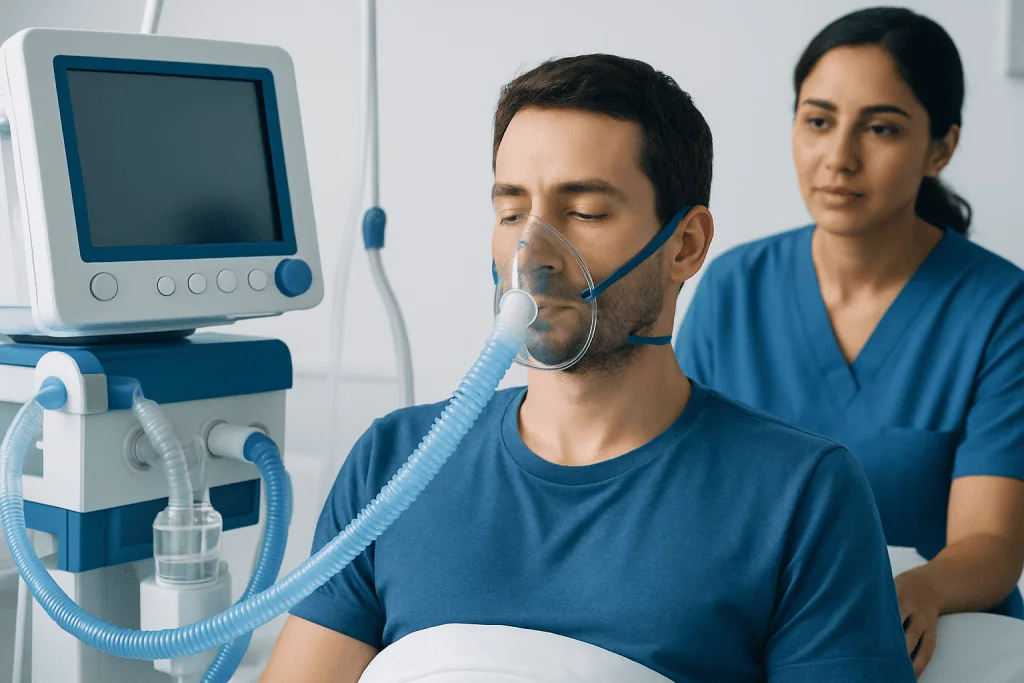
Health effects can vary from mild, short-lived irritation to serious illness. Common immediate symptoms include burning or watery eyes, nose or throat irritation, cough, headache, dizziness, nausea, and tiredness. Symptoms often improve after the person leaves the exposure area, especially after a short outdoor exposure.
More concentrated exposure can affect breathing and the nervous system. Wheezing, chest tightness, shortness of breath, confusion, unusual sleepiness, loss of coordination, or fainting are warning signs. Carbon monoxide is especially concerning because it is colorless and odorless and can reduce the blood’s ability to carry oxygen.
People with asthma, chronic obstructive pulmonary disease (COPD), heart disease, older age, pregnancy, or very young children may be more sensitive to exhaust. Repeated occupational exposure to diesel exhaust should be addressed with workplace safety measures and medical advice, particularly when respiratory symptoms recur.
Long-term exposure to air pollution and diesel exhaust particles is associated with increased risks for respiratory and cardiovascular health. This does not mean that a single brief encounter will cause chronic disease, but it does support taking persistent or repeated exposure seriously.
How Toxic Is DEF to Humans?

Diesel exhaust fluid, commonly called DEF, is not diesel fuel and is not the same as diesel exhaust. It is usually a water-based solution of urea used in some diesel vehicles to reduce certain exhaust emissions. In typical accidental contact, DEF is generally considered to have low toxicity.
DEF may still irritate the eyes, skin, nose, throat, or stomach. After skin contact, the area should be washed with soap and water. If it gets in the eyes, they should be rinsed gently with clean running water for several minutes. Anyone who has persistent irritation should seek medical advice.
If DEF has been swallowed, the mouth can be rinsed and a poison center or healthcare professional can advise on next steps. It is best not to induce vomiting unless specifically instructed to do so. Large ingestions, repeated vomiting, severe abdominal pain, drowsiness, or breathing symptoms require urgent medical assessment.
What Are the Health Risks Associated With Exposure to Diesel Exhaust?
Diesel exhaust is a complex mixture of gases and fine particles. Short-term exposure may cause eye, nose, and throat irritation, coughing, mucus production, headache, nausea, or a worsening of asthma symptoms. In people with sensitive airways, even relatively low exposures can trigger wheezing or chest tightness.
Higher concentrations in poorly ventilated places can lead to more serious breathing symptoms and may occur alongside carbon monoxide exposure from engines. The risk is influenced by the setting: idling vehicles in an attached garage, indoor loading areas, enclosed machinery spaces, and unventilated workshops are more concerning than a brief encounter in open air.
Repeated occupational exposure is linked with respiratory and cardiovascular concerns and is recognized by international cancer research authorities as a carcinogenic exposure. Workplace controls, including local exhaust ventilation, engine maintenance, limiting unnecessary idling, and appropriate protective practices, are important for reducing cumulative exposure.
Individuals with ongoing cough, breathlessness, or work-related respiratory symptoms may benefit from assessment for conditions such as asthma or other lung problems. A clinician can consider whether symptoms are related to exposure, infection, allergy, or another cause.
How Exposure to Exhaust Treatment Works: Candidacy and Assessment
Anyone with significant symptoms after exhaust exposure may be a candidate for medical evaluation. Urgent evaluation is particularly important after exposure in an enclosed or poorly ventilated space, after loss of consciousness, or when there is shortness of breath, chest pain, confusion, severe headache, persistent vomiting, or symptoms affecting more than one person in the same location.
At a clinic or emergency department, the medical team will ask what type of engine or chemical was involved, where the exposure occurred, how long it lasted, and which symptoms developed. They will also ask about asthma, COPD, heart conditions, pregnancy, medications, and possible workplace exposures.
Assessment may include a physical examination, pulse oximetry, and monitoring of breathing and heart rate. Depending on the circumstances, tests may include blood tests for carbon monoxide exposure, an electrocardiogram, chest imaging, or lung function testing. A standard fingertip oxygen reading may not reliably identify carbon monoxide poisoning, so clinical context matters.
Care may involve emergency medicine, pulmonology, cardiology, occupational medicine, or toxicology depending on the symptoms. Acibadem International’s multidisciplinary specialists and JCI-accredited hospitals can assess and treat exposure-related respiratory concerns for international patients.
What to Expect Step by Step: Immediate Care, Treatment and Recovery
First, leave the source safely. The person should move to fresh air without re-entering an unsafe space. If an engine is running in an enclosed area, emergency services may be needed to make the environment safe. A person who is confused, unconscious, severely breathless, or unable to leave should not be approached without appropriate rescue precautions.
Next, symptoms are stabilized. In a healthcare setting, oxygen may be given when clinically appropriate, especially when carbon monoxide exposure or low oxygen levels are suspected. People with wheezing may receive inhaled bronchodilator medicines. Clinicians may also provide fluids, anti-nausea care, or treatment for complications based on the individual assessment.
Observation and targeted testing follow. Some people can return home after symptoms resolve and a clinician confirms that it is safe. Others may need several hours of observation, repeat testing, or hospital care. Specialized hyperbaric oxygen therapy may be considered in selected cases of serious carbon monoxide poisoning, but it is not routinely needed for every exhaust exposure.
Recovery after a mild exposure is often measured in hours to a day or two. Ongoing cough or airway sensitivity may take longer, particularly in people with asthma or other lung disease. Follow-up may include a respiratory review and pulmonary function tests if symptoms persist or recur.
Benefits, Risks and Prevention After an Exposure
The main benefit of prompt assessment is identifying conditions that need treatment, including carbon monoxide poisoning, asthma flare-ups, or reduced oxygen delivery. Most people do well when exposure ends quickly and significant symptoms are evaluated. Care is based on symptoms and test results rather than on exposure alone.
Medical treatments have their own considerations. Oxygen is generally well tolerated but must be prescribed and monitored appropriately. Inhaled medicines can sometimes cause temporary tremor, palpitations, or nervousness. Hyperbaric oxygen has specific risks and is used only when the likely benefits outweigh them.
To reduce future risk, avoid leaving a vehicle idling in a garage, even if the garage door is open. Never run fuel-powered engines indoors or in enclosed spaces. Maintain exhaust systems, use ventilation in work areas, and follow employer safety procedures. Carbon monoxide alarms can add an important layer of protection in homes, but they do not replace safe engine use and ventilation.
After an exposure, rest in clean air, drink fluids if able, and avoid returning to the source until it has been assessed and ventilated. People with diagnosed airway disease should follow their personalized action plan and discuss repeated exposure at work or home with a healthcare professional.
When to Seek Medical Care
Emergency medical care is needed for difficulty breathing, blue or gray lips, chest pain, fainting, seizures, confusion, severe weakness, severe headache, or persistent vomiting after exposure to exhaust fumes. Emergency help is also appropriate if exposure occurred in a closed garage, vehicle, room, or other confined space, or if several people became ill at the same time.
Same-day medical advice is sensible for persistent cough, wheezing, dizziness, nausea, headache, eye irritation that does not settle after rinsing, or symptoms in a child, pregnant person, older adult, or someone with heart or lung disease. A poison control center can provide situation-specific guidance after contact with DEF or other vehicle fluids.
For symptoms that continue beyond a day or two, recur with work exposure, or limit normal activities, a clinician can assess the lungs and consider referral for respiratory rehabilitation when ongoing breathlessness affects daily life. Medical care should not be delayed if symptoms are worsening.
Frequently asked questions
What should a person do after inhaling diesel fumes?
They should move to fresh air immediately and avoid returning to the source until the area is safe and well ventilated. Emergency care is needed for breathing difficulty, chest pain, confusion, fainting, severe headache, or persistent vomiting. If milder symptoms do not settle or the exposure occurred in an enclosed area, they should contact a healthcare professional.
Can diesel exhaust cause headaches and dizziness?
Yes. Headache and dizziness can occur after exposure to exhaust fumes, particularly in poorly ventilated settings. These symptoms may result from airway irritation, chemicals in exhaust, or carbon monoxide exposure, so persistent or severe symptoms should be assessed promptly.
Is a brief smell of diesel exhaust dangerous?
A brief outdoor smell is unlikely to cause serious harm for most people, although it can be unpleasant or trigger symptoms in those with asthma or sensitive airways. Risk increases with higher concentrations, prolonged exposure, and poor ventilation. Anyone who feels unwell should move away from the source and seek advice if symptoms continue.
Does oxygen treat all types of exhaust exposure?
Oxygen may be used by clinicians when there is concern about carbon monoxide poisoning or impaired oxygen levels, but it is not a universal home treatment. The right treatment depends on the exhaust source, exposure setting, symptoms, and clinical findings. People should not self-treat serious symptoms without medical assessment.
How long do symptoms after diesel fume inhalation last?
Mild eye, throat, or airway irritation often improves within hours after leaving the exposure area. Symptoms can last longer in people with asthma, COPD, or a more substantial exposure. Cough, wheeze, headache, or breathlessness that persists or worsens should be evaluated.
Can diesel exhaust trigger asthma?
Diesel exhaust can irritate the airways and trigger coughing, wheezing, chest tightness, or shortness of breath in people with asthma. Repeated exposure may also contribute to ongoing airway symptoms in susceptible individuals. A person with an asthma flare that does not respond to their usual prescribed plan should seek medical care.
References
- World Health Organization
- United States Environmental Protection Agency
- Centers for Disease Control and Prevention
- National Institute for Occupational Safety and Health
- International Agency for Research on Cancer
This article is for general information only and is not a substitute for professional medical advice. Please consult a qualified doctor about your individual situation.
Persistent digestive symptoms? Get evaluated in Turkey
JCI-accredited · board-certified surgeons · reply within 24h