Fecal Therapy: How It Works, Results and What to Expect

Fecal therapy is also called fecal microbiota transplantation (FMT) or a fecal transplant. Its best-established use is recurrent C. difficile infection that returns after appropriate antibiotic treatment.
Key Takeaways
- Fecal therapy is also called fecal microbiota transplantation (FMT) or a fecal transplant.
- Its best-established use is recurrent C. difficile infection that returns after appropriate antibiotic treatment.
- Donor stool undergoes careful health and laboratory screening to reduce the risk of transmitting infections.
- FMT may be given by colonoscopy, enema, capsules, or through an upper gastrointestinal tube, depending on the clinical situation.
- A gastroenterologist should assess eligibility, explain benefits and risks, and arrange follow-up care.
Fecal therapy is a medical procedure that transfers screened stool-derived microorganisms from a healthy donor into a patient’s gut to help restore a balanced intestinal microbiome. It is used most clearly and effectively for recurrent or treatment-resistant Clostridioides difficile infection, while its role in other conditions remains under study.
Overview: What Is Fecal Therapy?
Fecal therapy is a treatment that transfers beneficial microorganisms from a carefully screened healthy donor’s stool into the digestive tract of another person. It is more formally known as fecal microbiota transplantation (FMT). The goal is to restore a diverse community of gut bacteria and other microorganisms, called the gut microbiome, when that community has been severely disrupted.
The clearest evidence for fecal therapy is in people with recurrent Clostridioides difficile, often shortened to C. difficile or C. diff, infection. This infection can cause frequent watery diarrhea, abdominal discomfort, fever, and inflammation of the colon. It often occurs after antibiotics disturb normal gut bacteria, allowing C. difficile to multiply and produce toxins.
FMT is not a general “gut cleanse,” a routine treatment for bloating, or a do-it-yourself remedy. Researchers are studying it for conditions such as inflammatory bowel disease, irritable bowel syndrome, metabolic conditions, and some complications of cancer treatment, but these uses may be investigational and are not appropriate for everyone.
How Fecal Therapy Works in the Gut
Healthy intestinal microorganisms support digestion, help train the immune system, and make it harder for harmful organisms to establish themselves. Antibiotics are often necessary and life-saving, but they can also reduce the normal variety of intestinal bacteria. In some people, this imbalance creates an opportunity for C. difficile to recur after treatment has ended.
Fecal therapy introduces a broad community of donor microorganisms into the patient’s bowel. These organisms can help rebuild colonization resistance: the gut’s natural ability to limit the growth of C. difficile. The treatment is usually considered after standard antibiotic therapy has not prevented repeated infection.
A fecal health evaluation may include a review of symptoms, medication use, previous infections, immune status, and digestive conditions. Stool testing can help confirm C. difficile when symptoms are present, but a positive test alone does not always mean active infection. A clinician interprets results alongside symptoms and medical history.
Who May Be a Candidate for Fecal Microbiota Transplantation?

Fecal therapy is most often considered for adults and, in selected circumstances, children with recurrent C. difficile infection. This generally means symptoms and confirmed infection have returned after appropriate courses of recommended antibiotic treatment. The decision is individualized and should be made with a gastroenterologist or infectious diseases specialist.
Before recommending FMT, the clinical team checks whether diarrhea may have another cause, such as medication side effects, inflammatory bowel disease, another intestinal infection, or a noninfectious bowel condition. They also review whether a person has severe colitis, bowel obstruction, a weakened immune system, recent surgery, or other factors that could change the safest approach.
A person seeking a “fecal therapist” should look for care through a regulated medical program rather than an unlicensed provider. FMT requires donor screening, controlled preparation, infection-prevention procedures, and medical follow-up. Home stool transfer can expose a person to serious infections and is not considered safe.
What Happens During a Fecal Therapy Procedure?
Preparation depends on the route of administration and the reason for treatment. The patient may be asked to stop or adjust certain medicines under medical guidance, complete an antibiotic course, and sometimes prepare the bowel in the same way as for a colonoscopy. The treating team provides individual instructions and explains what to eat, drink, and avoid beforehand.
Donor material comes from healthy individuals who complete detailed health questionnaires and laboratory testing. Screening typically looks for infectious diseases and other factors that could make donation unsafe. The stool is processed under controlled conditions into a preparation that can be delivered safely; it may be fresh, frozen, or available as a standardized microbiota-based product where approved.
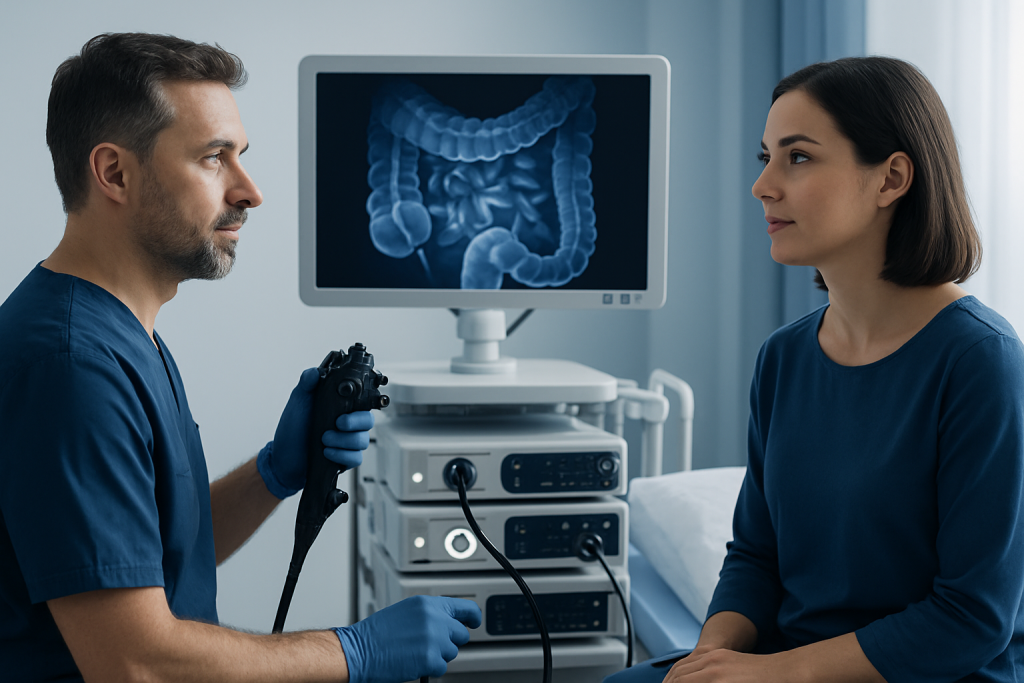
FMT may be delivered during colonoscopy, by enema, through a tube placed into the upper digestive tract, or as orally swallowed capsules. Colonoscopy allows direct placement into the large intestine and may also let the doctor inspect the colon when clinically needed. Capsules avoid an invasive procedure but may not suit every patient.
After administration, patients are monitored briefly for immediate symptoms, particularly if sedation or colonoscopy was used. The team will explain when normal activities can resume and what symptoms should prompt a call. People should not take antibiotics afterward unless a clinician considers them necessary, because antibiotics may again affect the restored microbiome.
Benefits, Results and Recovery Timeline
For appropriately selected people with recurrent C. difficile infection, fecal therapy can be highly effective at preventing another episode. Published studies and clinical guidelines support its use after recurrent disease, although the exact outcome varies with the number of prior recurrences, the delivery method, antibiotic management, overall health, and whether repeat treatment is needed.
Some people notice improvement in diarrhea and abdominal symptoms within days, while bowel habits may take longer to settle. Recovery is not always linear. Mild gas, bloating, cramping, constipation, or loose stools can occur temporarily as the digestive system adjusts. A follow-up plan usually focuses on symptoms, hydration, nutrition, and signs of recurrent infection rather than routine testing in someone who feels well.
Fecal test results time depends on the test ordered and the laboratory. Many common stool tests are available within a few days, while specialized cultures or parasite tests can take longer. A clinician can explain what fecal results mean and whether repeat testing is useful, since testing too soon after successful treatment may be misleading.
Acibadem International’s multidisciplinary specialists and JCI-accredited hospitals can assess recurrent C. difficile infection and discuss appropriate microbiome-based treatment options for international patients.
Risks, Safety and Practical Considerations
Fecal therapy is performed with strict donor screening because stool can carry bacteria, viruses, parasites, and antimicrobial-resistant organisms. Despite careful safeguards, transmission of infection remains a potential risk. Rare serious infections have been reported, particularly in people who are severely immunocompromised or medically fragile.
Risks also depend on how the treatment is delivered. Colonoscopy carries small risks such as bleeding, perforation, and sedation-related complications. Delivery through the upper digestive tract can carry a risk of aspiration. The medical team weighs these risks against the harms of recurrent C. difficile infection and selects the safest suitable route.
The cost of a fecal transplant varies considerably by country, hospital, route of delivery, donor-product availability, laboratory requirements, insurance coverage, and whether colonoscopy or hospitalization is needed. A care coordinator or hospital billing team can provide an individualized estimate after the treatment plan is known. Decisions should be based on clinical need and safety, not on low-cost unregulated services.
When to Seek Medical Care
People should seek prompt medical advice for diarrhea that is severe, persistent, or begins during or soon after antibiotic use. Assessment is especially important for people who have had C. difficile before, are older, have inflammatory bowel disease, have a weakened immune system, or have recently been hospitalized.
Urgent medical care is needed for signs of dehydration, such as very little urine, marked dizziness, confusion, or inability to keep fluids down. Immediate assessment is also appropriate for severe or worsening abdominal pain, a swollen abdomen, fever, blood in the stool, fainting, or significant weakness.
After fecal therapy, patients should contact their treating team if diarrhea returns, fever develops, abdominal pain becomes significant, or symptoms do not improve as expected. They should avoid self-treating suspected recurrent C. difficile with leftover antibiotics or antidiarrheal medicines without medical advice.
Frequently asked questions
What is the success rate of FMT?
For recurrent C. difficile infection, FMT has shown high rates of preventing further recurrence in clinical studies, particularly after standard antibiotic treatment has not been sufficient. Results differ between individuals and may depend on the delivery method, underlying health conditions, and whether repeat treatment is required. A treating specialist can explain the expected benefit in an individual situation.
Can you get C. diff again after a fecal transplant?
Yes. FMT lowers the chance of further C. difficile infection for many people, but it does not eliminate the possibility of recurrence. Future antibiotic exposure, hospitalization, serious illness, and other disruptions to the gut microbiome can increase the risk. New or returning diarrhea should be discussed with a clinician rather than assumed to be C. difficile.
How expensive is a fecal transplant?
The cost varies widely because it depends on location, donor screening and processing, the delivery method, professional fees, facility charges, and insurance or public health coverage. Colonoscopy-based treatment may involve additional procedural and sedation costs. A hospital can provide a personalized cost estimate once the clinical plan is confirmed.
Where do the feces come from for a fecal transplant?
Donor stool comes from healthy people who have undergone extensive medical and laboratory screening. Programs assess donor health history and test for infections and other safety concerns before material is accepted and processed. Patients should not use stool from family members or other unscreened individuals outside a regulated medical program.
How long do fecal test results take?
Fecal test results time varies by the specific test and laboratory workflow. Some tests for C. difficile may be reported within hours to a few days, while stool cultures, parasite tests, or specialized microbiome testing can take longer. The clinician ordering the test can explain the expected timing and how the result will guide care.
Is fecal therapy the same as a probiotic?
No. Probiotics usually contain one or a small number of selected microorganisms, while fecal therapy transfers a much broader community of screened donor microorganisms. Probiotics may be appropriate in some circumstances, but they are not a substitute for medically supervised FMT in recurrent C. difficile infection. A clinician can advise whether either approach is suitable.
References
- Centers for Disease Control and Prevention
- U.S. Food and Drug Administration
- American College of Gastroenterology
- European Society of Clinical Microbiology and Infectious Diseases
- National Institute of Diabetes and Digestive and Kidney Diseases
This article is for general information only and is not a substitute for professional medical advice. Please consult a qualified doctor about your individual situation.
Persistent digestive symptoms? Get evaluated in Turkey
JCI-accredited · board-certified surgeons · reply within 24h
Add us as a Preferred Source to see more of our trusted health content across Google Search, AI Overviews and Discover.