Spinal Muscular Atrophy Treatment: How It Works, Results and What to Expect
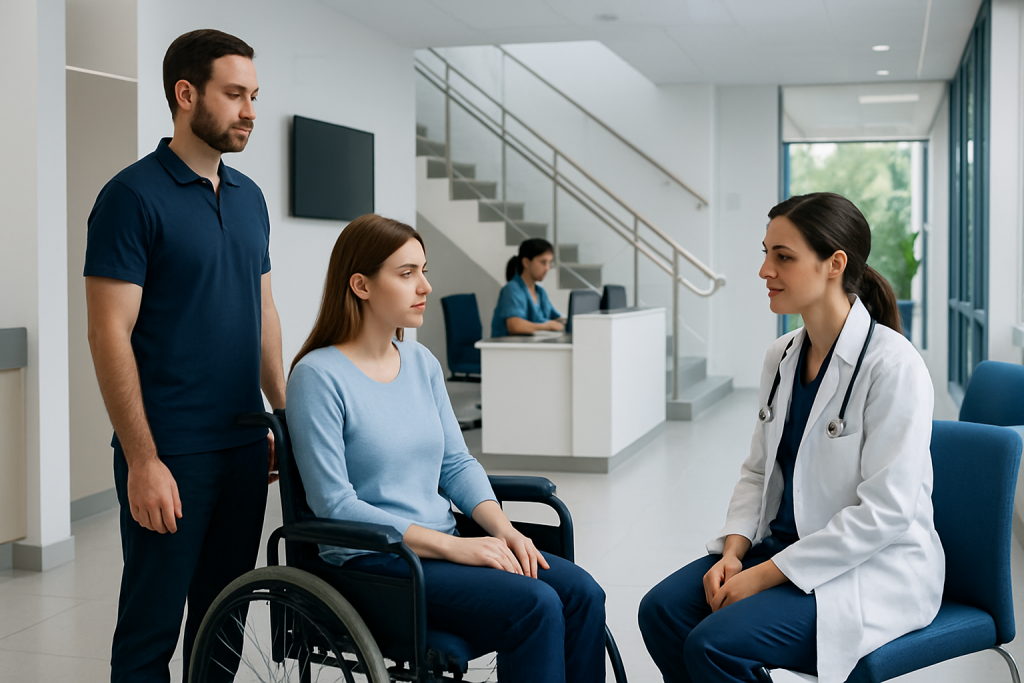
Spinal muscular atrophy is a genetic neuromuscular condition that causes progressive muscle weakness because motor neurons are affected. Disease-modifying treatments can alter the course of SMA, especially when started before significant symptoms develop.
Key Takeaways
- Spinal muscular atrophy is a genetic neuromuscular condition that causes progressive muscle weakness because motor neurons are affected.
- Disease-modifying treatments can alter the course of SMA, especially when started before significant symptoms develop.
- Treatment choices include oral medicine, injections into the spinal fluid and one-time gene replacement therapy; suitability depends on age, subtype, health status and local approval.
- Care usually involves neurology, pulmonology, rehabilitation, nutrition, orthopedics and other specialists.
- Treatment does not reverse motor neuron loss that has already occurred, but it may preserve function and improve outcomes.
- New or worsening breathing difficulty, feeding problems or rapid weakness need prompt medical assessment.
Spinal muscular atrophy treatment aims to increase survival motor neuron (SMN) protein, preserve muscle function and prevent complications. Starting treatment early offers the greatest opportunity to protect motor neurons, while ongoing respiratory, nutritional, orthopedic and rehabilitation support remains important at every age.
Overview: how spinal muscular atrophy treatment works
Spinal muscular atrophy treatment works by increasing the amount of survival motor neuron (SMN) protein in the body. People with SMA have changes in the SMN1 gene, which reduces this protein and leads to loss of motor neurons—the nerve cells that control voluntary muscles. Modern disease-modifying therapies can help preserve these nerve cells and may improve survival, motor milestones and day-to-day function, particularly when treatment begins early.
Treatment is not a single procedure or a cure that restores every affected nerve cell. It is a long-term care plan combining an SMN-targeted medicine with monitoring and practical support for breathing, feeding, movement, bone health and participation in school, work and family life. The plan is individualized because SMA varies widely in age of onset, severity and rate of progression.
SMA is often described as type 1, type 2 or type 3 based on age at onset and highest motor milestone achieved. However, clinicians increasingly focus on each person’s current abilities, symptoms, genetic findings and treatment history rather than relying on type alone. Related information about the condition is available in spinal muscular atrophy.
Who may be a candidate for treatment?
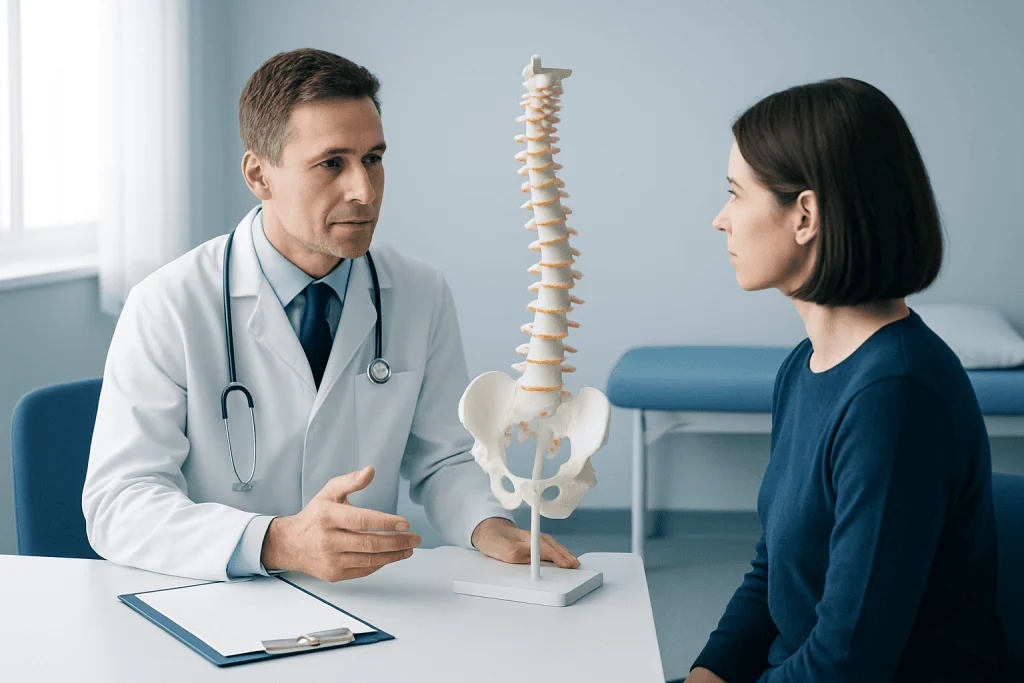
Genetic testing is used to confirm SMA and to identify details that help guide treatment planning, including the number of SMN2 gene copies. Anyone with confirmed 5q SMA should be assessed by an experienced neuromuscular team promptly, including newborns identified through screening and adults whose symptoms started later in life. Early referral matters because motor neuron loss can begin before weakness is obvious.
Eligibility for a specific medicine depends on factors such as age, body weight, disease stage, liver and kidney health, platelet count, prior therapy, access requirements and the medicine’s regulatory approval in the country where care is provided. A specialist will also consider whether there are current respiratory infections, swallowing concerns, scoliosis or contractures that require attention alongside disease-modifying treatment.
Genetic counseling is valuable for affected individuals and families. SMA is usually inherited in an autosomal recessive pattern, meaning parents may be healthy carriers. Counseling can explain test results, recurrence risk and reproductive options in a supportive, non-directive way.
Treatment options and the step-by-step care pathway
Three main disease-modifying approaches are used for 5q SMA. Nusinersen is given by injection into the fluid around the spinal cord and changes how the SMN2 gene is processed, helping it make more SMN protein. Risdiplam is an oral medicine that also increases functional SMN protein from SMN2. Onasemnogene abeparvovec is a one-time intravenous gene replacement therapy designed to provide a working copy of SMN1; it requires careful pre-treatment assessment and close follow-up, particularly for liver-related safety monitoring.
The treatment pathway usually begins with confirmation of the genetic diagnosis, baseline assessment of movement, breathing, swallowing and nutrition, and discussion of the options. The team reviews expected benefits, limitations, practical considerations and monitoring needs. For spinal-fluid treatment, imaging and anesthesia planning may be needed when scoliosis or prior spinal surgery makes lumbar puncture more complex. The selected therapy is then started, with scheduled visits to assess response and safety.
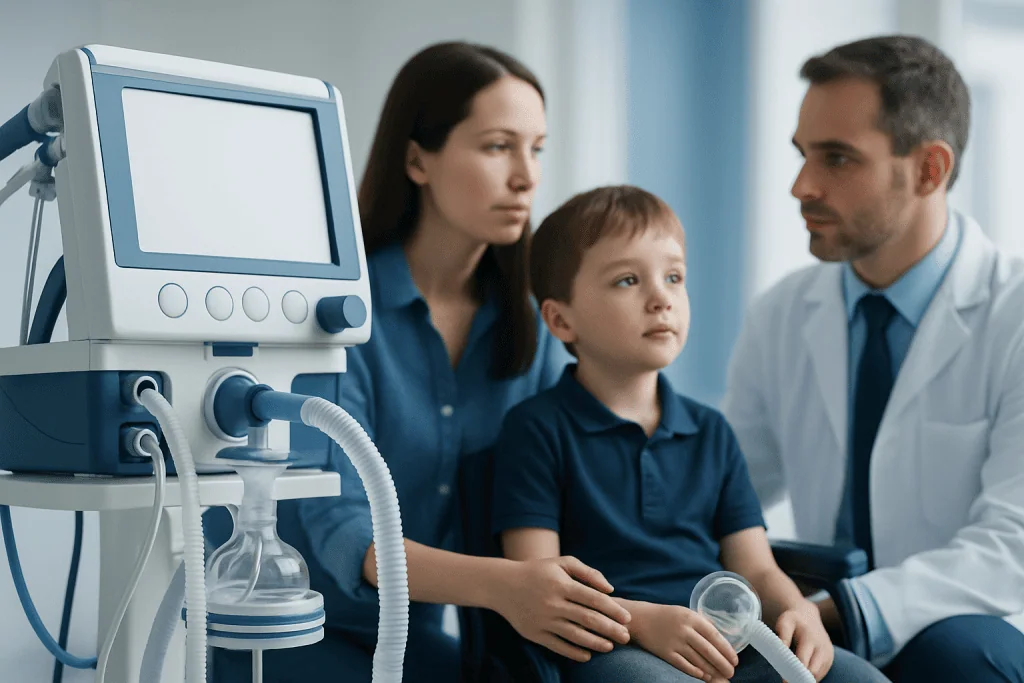
Supportive care is not secondary care; it is an essential part of treatment. Respiratory specialists may assess cough strength, sleep-related breathing and the need for airway-clearance or ventilation support. Dietitians and swallowing specialists can help maintain safe nutrition, while physiotherapists and occupational therapists support positioning, mobility, stretching, equipment and independence. Orthopedic assessment helps address scoliosis, hip concerns and contractures.
Because treatment decisions are specialized, families should discuss the most appropriate option with a neuromuscular specialist. A comprehensive spinal muscular atrophy treatment program can coordinate medicine, monitoring and rehabilitation within one care plan.
Benefits, risks and recovery timeline
The potential benefit of treatment is to slow or stabilize disease progression and preserve motor function. Some infants treated very early can achieve developmental milestones that would have been unlikely in untreated SMA, while children and adults may maintain or gain meaningful abilities such as sitting, transferring, standing or using their hands. Results vary, and improvement may be gradual rather than immediate.
There is no universal recovery timeline. Baseline assessments are typically repeated over months and years using age-appropriate motor scales, respiratory measures, nutrition review and discussions about daily activities. For a spinal-fluid injection, recovery from the procedure itself is generally brief, though some people experience temporary headache, back discomfort or fatigue. Gene therapy involves more intensive laboratory monitoring in the weeks and months after infusion, while oral therapy requires ongoing adherence and scheduled safety checks.
Each medicine has specific possible risks. Nusinersen may be associated with effects on platelets, kidney monitoring needs and procedure-related complications. Risdiplam can cause gastrointestinal symptoms and requires monitoring according to prescribing guidance. Gene replacement therapy can cause serious liver-related effects and may involve platelet or cardiac-related monitoring. The treating team explains individual risks, tests and warning signs before treatment.
Physical therapy and suitable activity can help maintain comfort, joint range and function, but strenuous exercise should not be used to the point of prolonged exhaustion or muscle pain. Care plans should be adjusted as needs and goals change over time.
Can people with SMA ever walk?
Some people with SMA can walk, particularly those with later-onset forms such as many people diagnosed with type 3 SMA. Others may stand or walk with support, while some never develop independent walking. Walking ability depends on the age symptoms began, the amount of existing muscle weakness, the timing of treatment and individual factors.
Early treatment can improve the chance of reaching or retaining motor milestones in some children, but it cannot promise a particular outcome for an individual. For a person who already walks, the care team may focus on preserving safe mobility, avoiding falls and fatigue, managing contractures and using assistive devices when helpful.
Not walking does not define a person’s independence or quality of life. Wheelchairs, standing systems, communication technology, home adaptations and occupational therapy can support education, work, social participation and personal goals.
Can you recover from spinal muscular atrophy?
There is currently no treatment that completely reverses spinal muscular atrophy or replaces motor neurons that have already been lost. However, disease-modifying medicines have changed the outlook for many people by increasing SMN protein and helping slow progression. They may support gains or stability in movement, breathing and survival, especially when given as early as possible.
“Recovery” can mean different things to different families. Some people gain skills, such as stronger head control, sitting or improved arm function; others may mainly aim to preserve abilities they already have. Regular reassessment helps the team recognize meaningful progress and adjust supportive care.
Research in SMA continues, and people may wish to ask their specialist about clinical trials or emerging approaches. Any experimental option should be discussed carefully with a qualified team, including its uncertainty, possible burden and known safety information.
What is SMA-1 life expectancy?
SMA type 1, also called infantile-onset SMA, is a serious condition that historically caused severe weakness, feeding difficulty and respiratory failure in infancy or early childhood without disease-modifying treatment. It is no longer appropriate to apply one fixed life-expectancy estimate to every child with SMA type 1, because newborn screening, modern SMN-targeted therapies and proactive respiratory and nutritional care have substantially changed outcomes.
A child’s outlook depends on when symptoms began, how early treatment starts, respiratory function, feeding safety, infections and the response to care. Families should ask the child’s neuromuscular and respiratory specialists for an individualized discussion, with space to revisit questions as the child develops.
Care may include planning for respiratory support, cough assistance, feeding support and prevention of respiratory infections. These measures are intended to maximize comfort, health and participation while the family and clinical team make decisions together.
Is spinal muscular atrophy serious, and when to seek medical care
Yes, spinal muscular atrophy is a serious genetic condition because it can affect muscles used for movement, swallowing and breathing. Its severity ranges from profound weakness in early infancy to milder symptoms beginning in childhood or adulthood. With early diagnosis, disease-modifying therapy and coordinated supportive care, many people have better opportunities to maintain function and manage complications than in the past.
Medical assessment should be arranged promptly for unexplained muscle weakness, loss of previously acquired motor skills, frequent falls, tremor, trouble climbing stairs, a weak cough, recurrent chest infections or difficulty chewing and swallowing. In infants, poor head control, reduced movement, weak crying, feeding difficulty or fast or labored breathing need urgent medical attention.
Emergency care is needed for severe breathing difficulty, bluish lips or skin, pauses in breathing, choking that does not resolve, marked drowsiness or signs of dehydration. People with SMA should have an individualized plan for respiratory illnesses, as infections may become more serious when breathing muscles are weak.
Acibadem International’s multidisciplinary specialists and JCI-accredited hospitals can assess and treat SMA for international patients, coordinating neuromuscular care with respiratory, rehabilitation, nutritional and orthopedic services when needed.
Frequently asked questions
What is the best treatment for spinal muscular atrophy?
There is no single best treatment for every person with SMA. The choice among SMN-targeted medicines depends on age, symptoms, genetic findings, medical history, practical considerations and local availability. A neuromuscular specialist can explain which approach is most suitable and how supportive therapies fit into the plan.
How soon should SMA treatment start?
Treatment should begin as soon as possible after diagnosis, including for babies identified through newborn screening before symptoms appear. Earlier treatment offers the best chance to protect motor neurons before substantial loss has occurred. Prompt specialist referral is therefore important.
Can SMA treatment improve muscle strength?
Some people gain strength or motor skills after treatment, while others experience stabilization or slower loss of function. The degree of benefit varies with the timing of treatment and the person’s baseline abilities. Rehabilitation and management of breathing and nutrition can also support function and comfort.
Does SMA treatment need to continue for life?
Oral and spinal-fluid therapies are generally ongoing treatments with scheduled dosing and monitoring. Gene replacement therapy is designed as a one-time infusion, but lifelong clinical follow-up and supportive care are still needed. Treatment plans should not be changed or stopped without specialist guidance.
Can adults receive spinal muscular atrophy treatment?
Many adults with 5q SMA may be eligible for disease-modifying treatment, depending on the medicine, regulatory guidance and individual medical factors. Goals may include maintaining hand function, mobility, endurance, breathing capacity and independence. Adult neuromuscular assessment is useful even when symptoms have been present for many years.
How is SMA diagnosed?
SMA is usually diagnosed with a blood-based genetic test that looks for changes affecting the SMN1 gene. Neurological examination and assessments of motor and respiratory function help describe the condition’s impact. In many regions, newborn screening can identify SMA before symptoms begin.
References
- Cure SMA
- Muscular Dystrophy Association
- National Institute of Neurological Disorders and Stroke
- U.S. Food and Drug Administration
- World Health Organization
This article is for general information only and is not a substitute for professional medical advice. Please consult a qualified doctor about your individual situation.
Joint and spine care in Turkey — expert assessment & treatment
JCI-accredited · board-certified surgeons · reply within 24h
Add us as a Preferred Source to see more of our trusted health content across Google Search, AI Overviews and Discover.