Full mouth reconstruction in Turkey: Hospitals, Safety & What to Expect

Full mouth reconstruction is a customized plan that may combine implants, crowns, bridges, gum treatment, fillings, root canal treatment, or bite rehabilitation. A dentist should first assess oral health, bone support, gums, bite function, medical history, and treatment goals.
Key Takeaways
- Full mouth reconstruction is a customized plan that may combine implants, crowns, bridges, gum treatment, fillings, root canal treatment, or bite rehabilitation.
- A dentist should first assess oral health, bone support, gums, bite function, medical history, and treatment goals.
- Treatment may take one visit or several stages over months, especially when healing after implant placement or bone grafting is needed.
- Patients travelling for care should plan sufficient time for assessment, treatment, recovery, and follow-up arrangements at home.
- Good daily oral hygiene and regular dental reviews are important for protecting long-term restorative results.
Full mouth reconstruction in Turkey may be appropriate for people with widespread tooth damage, missing teeth, bite problems, or failing dental work who need a coordinated restorative plan. Safe care depends on a thorough assessment, an individualized treatment sequence, clear communication, and appropriate follow-up rather than on a one-size-fits-all procedure.
Overview: What Full Mouth Reconstruction Involves
Full mouth reconstruction in Turkey refers to comprehensive dental rehabilitation for a person who needs treatment across many or all areas of the mouth. It is not a single, standard procedure. Instead, a restorative dentist develops a plan to improve oral function, comfort, tooth structure, appearance, and the way the upper and lower teeth meet.
A reconstruction may be considered when teeth are extensively worn, broken, decayed, missing, unstable, or supported by unhealthy gums. Depending on the clinical findings, treatment can include periodontal care, fillings, root canal treatment, crowns, bridges, dental implants, dentures, or adjustments to restore a more stable bite. The central aim is to create a healthy, maintainable result that suits the person’s needs.
People considering care abroad should focus on clinical planning and continuity, not only on the number of procedures proposed. A detailed consultation, diagnostic imaging where appropriate, written treatment information, and a realistic healing schedule help support informed decision-making. For an overview of the treatment pathway, see full mouth reconstruction treatment.
How a Full Mouth Reconstruction Works
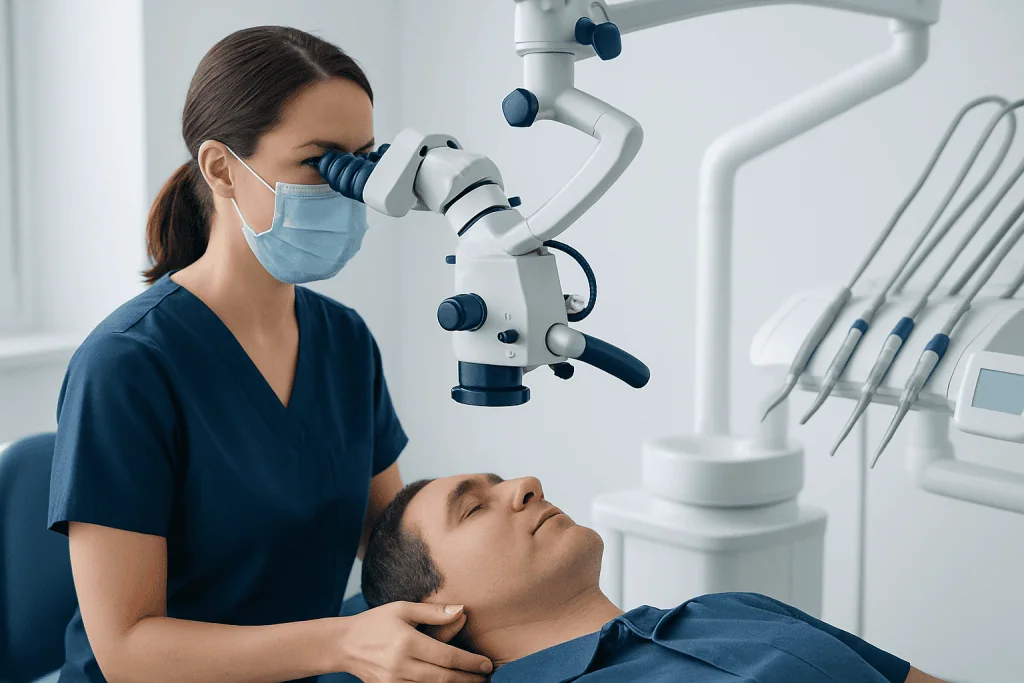
Full mouth reconstruction usually begins by addressing disease and instability before placing final restorations. Active gum inflammation, untreated decay, infections, fractured teeth, or poorly fitting restorations may need attention first. The dental team then determines which natural teeth can be predictably preserved and which may require replacement.
The rebuilding phase may involve strengthening remaining teeth with fillings, onlays, veneers, or crowns; replacing missing teeth with bridges, removable prostheses, or implants; and carefully designing tooth shape and position. When teeth have become shorter through wear or have shifted after tooth loss, the dentist may also need to restore the bite gradually so that chewing forces are distributed more evenly.
Digital photographs, intraoral scans, models, and X-rays can support planning. In some cases, a three-dimensional scan is used to assess bone and anatomical structures before implant treatment. Temporary restorations may be used to test comfort, speech, bite position, and appearance before definitive restorations are made.
While implants can be an important part of rehabilitation for suitable patients, they are not necessary in every plan. The best approach depends on the health of the teeth and gums, bone volume, bite, general health, preferences, and ability to maintain the final restorations over time.
Who May Be a Candidate

A person may benefit from an assessment for full mouth reconstruction if multiple teeth are missing, severely decayed, worn down, broken, loose, or affected by repeated failure of older dental work. It may also be considered for significant bite changes, difficulty chewing, jaw fatigue related to altered tooth contact, or a smile affected by widespread dental damage.
Suitability is based on a full clinical evaluation rather than age alone. The dentist considers gum health, bone support, tooth prognosis, tooth grinding or clenching, saliva flow, oral hygiene, smoking status, medical conditions, medicines, and the ability to attend follow-up appointments. Conditions such as uncontrolled diabetes or some treatments that affect bone healing may require additional planning with the patient’s doctor.
Healthy gums and reliable home care are especially important. Gum disease can damage the tissues that support both natural teeth and implants, so it may need treatment before restorative work begins. Patients with tooth loss related to gum disease may also find information about periodontal disease helpful.
Patients should share a complete medical and dental history, including allergies, blood-thinning medicines, previous implant treatment, jaw surgery, and any history of teeth grinding. An ethical plan should explain alternatives, likely limitations, maintenance needs, and what may happen if treatment is delayed or declined.
Assessment and Step-by-Step Treatment Process
The first stage is a comprehensive consultation. This commonly includes an oral examination, gum assessment, bite evaluation, photographs, dental X-rays, and sometimes three-dimensional imaging. The clinician discusses symptoms, goals, concerns about appearance, current restorations, and practical considerations such as available travel time for staged treatment.
Next, the dental team prepares a phased treatment plan. Urgent problems such as pain, infection, active decay, or unstable teeth are usually managed first. Gum therapy, root canal treatment, extractions, bone preservation procedures, or temporary restorations may be recommended before final rehabilitation begins.
If implants are appropriate, they are placed surgically into the jawbone and then allowed to integrate with the bone over a healing period. Some patients can receive temporary teeth sooner, while others need a longer staged approach for safety and predictability. The final crowns, bridges, or implant-supported teeth are designed after healing and bite assessment.
The final phase includes fitting restorations, checking bite contact, and explaining cleaning methods and review schedules. Treatment plans vary substantially: some people need relatively limited restoration, while others require carefully sequenced care over multiple appointments. A reputable team should not promise the same timeline or technique for every patient.
Recovery Timeline, Benefits and Limitations
Recovery depends on the procedures performed. After routine restorative work, many people return to usual activities quickly, although teeth and gums may feel temporarily sensitive. After extractions, implant surgery, or grafting, swelling, tenderness, and dietary adjustments are common for several days. The treating team provides individualized instructions for pain control, oral hygiene, food choices, and activity.
Implant healing commonly takes longer than the initial surgical visit. Bone and soft tissues need time to heal before final restorations are placed in many cases. Patients travelling internationally should avoid assuming that the entire process can always be completed in one short visit; this depends on their anatomy, oral health, treatment complexity, and the clinician’s judgment.
Potential benefits include improved chewing efficiency, clearer speech in some cases, restoration of damaged tooth structure, greater bite stability, and improved confidence in smiling. However, reconstruction does not make teeth or implants maintenance-free. Crowns, bridges, dentures, and implant restorations can require adjustment, repair, or replacement over time.
Long-term success is supported by brushing with fluoride toothpaste, cleaning between teeth or around implants as instructed, attending professional reviews, and using a protective night guard when recommended for grinding or clenching. A reconstruction should be designed for health and function first, with cosmetic goals considered within safe biological limits.
Safety, Risks and Planning Treatment in Turkey
Like all dental treatment, full mouth reconstruction has potential risks. These vary with the procedures involved and may include temporary sensitivity, pain, swelling, bleeding, infection, bite discomfort, restoration fracture or loosening, gum recession, nerve-related symptoms after surgery, implant failure, or the need for further treatment. Careful diagnosis, appropriate imaging, infection control, and experienced clinical judgment help reduce risks but cannot remove them completely.
For international patients, safe planning includes confirming the qualifications of the dental professionals, understanding which procedures are being recommended and why, reviewing written consent information, and asking how complications or follow-up will be managed after returning home. Patients should keep copies of imaging, treatment records, implant details, laboratory information, and the final care plan for their local dentist.
Travel plans should allow enough time for clinical assessment and any immediate review that may be needed. Accommodation should be arranged with rest and transport in mind, particularly after surgical procedures. It is also wise to avoid scheduling return travel so tightly that there is no flexibility if the dentist recommends an additional check.
JCI accreditation applies to healthcare organizations rather than automatically to every individual service or clinician. Patients can ask a hospital directly about its current accreditation status, dental facilities, infection-prevention standards, emergency arrangements, interpreter support, and coordination of accommodation or transfers. Acibadem International’s multidisciplinary specialists and JCI-accredited hospitals support diagnosis and treatment planning for international patients.
When to Seek Medical Care
Dental assessment should be arranged promptly for persistent tooth pain, facial swelling, pus, fever, a broken or loose tooth, bleeding gums that do not improve, difficulty chewing, or a sudden change in how the teeth meet. These symptoms may indicate infection, gum disease, tooth fracture, or other problems that need timely evaluation before a major reconstruction is planned.
Urgent medical or dental care is needed for rapidly increasing facial or neck swelling, trouble breathing or swallowing, severe bleeding, high fever with dental swelling, or symptoms that are worsening quickly. These situations may require immediate assessment rather than waiting for a planned dental visit or travelling for treatment.
After dental surgery, patients should contact their treating clinician if pain or swelling becomes worse after initially improving, if bleeding does not settle with the instructions provided, if there is fever, numbness that persists or changes, or if a temporary restoration becomes loose or breaks. Early communication can often prevent a minor issue from becoming more difficult to manage.
Frequently asked questions
Is full mouth reconstruction the same as a smile makeover?
No. A smile makeover is primarily focused on appearance, although it may include restorative treatment. Full mouth reconstruction is a broader clinical process that addresses dental health, chewing function, bite stability, missing teeth, and appearance where needed.
How long does full mouth reconstruction in Turkey take?
The timeline depends on the number and type of procedures, the health of the gums and bone, and whether implants or grafting are needed. Some restorative phases may be completed over a short visit, while implant-based rehabilitation often requires healing time and staged appointments over several months.
Can everyone have dental implants as part of reconstruction?
Not everyone needs or is suitable for implants. The dentist assesses bone volume, gum health, general health, smoking, oral hygiene, bite forces, and other factors before recommending implant treatment.
Will full mouth reconstruction be painful?
Modern local anesthesia and appropriate sedation options can help keep treatment comfortable. Mild soreness, sensitivity, or swelling can occur after some procedures, especially surgery, and the dental team should explain how these symptoms are managed.
What should an international patient ask before booking treatment?
Patients should ask for a clear diagnosis, a phased treatment plan, the alternatives and risks, expected healing periods, and how follow-up or complications will be handled after travel. They should also request copies of records and details of any implants or restorations used.
How should reconstructed teeth and implants be cared for?
Daily brushing with fluoride toothpaste, cleaning between teeth or around implants, and professional dental reviews are essential. A dentist may recommend special brushes, flossing aids, water irrigation devices, or a night guard depending on the restorations and bite.
References
- World Health Organization
- American Dental Association
- European Federation of Periodontology
- International Team for Implantology
- Joint Commission International
This article is for general information only and is not a substitute for professional medical advice. Please consult a qualified doctor about your individual situation.
Full Mouth Reconstruction in Turkey — costs, top hospitals & a free quote
JCI-accredited · board-certified surgeons · reply within 24h