Veneers in Turkey: Hospitals, Safety & What to Expect

Veneers are thin restorations bonded to the front surface of selected teeth to improve colour, shape, spacing or minor wear. A dental examination is essential before veneers because active decay, gum disease and bite problems usually need treatment first.
Key Takeaways
- Veneers are thin restorations bonded to the front surface of selected teeth to improve colour, shape, spacing or minor wear.
- A dental examination is essential before veneers because active decay, gum disease and bite problems usually need treatment first.
- Porcelain veneers typically require some enamel preparation and are not considered reversible once teeth have been prepared.
- Patients travelling for veneers should allow time for assessment, laboratory work, fitting and any necessary adjustments.
- Good oral hygiene, a protective night guard when advised and regular dental reviews help veneers last longer.
Veneers in Turkey may be an appropriate option for people seeking cosmetic improvements to the visible front teeth, provided treatment follows a careful clinical assessment and is delivered by qualified dental professionals. A safe plan should prioritize oral health, conservative tooth preparation, suitable materials and realistic long-term follow-up.
Veneers in Turkey: What Patients Can Expect
Veneers in Turkey can be safe when they are planned after a full dental assessment, provided by appropriately qualified dentists and supported by clear information about tooth preparation, materials, aftercare and future maintenance. The best choice is not based on appearance alone: healthy gums, stable teeth and a balanced bite are important foundations for a successful result.
Dental veneers are thin, custom-made shells that are bonded to the front surfaces of teeth, most often the upper front teeth and sometimes the lower front teeth. They can improve the appearance of discolouration, uneven shape, small gaps, minor chips and limited wear. They are a cosmetic restoration, not a treatment for untreated dental disease or significant bite dysfunction.
For an overview of the treatment options, assessment process and dental planning involved, patients can review dental veneers treatment. A responsible consultation should include discussion of alternatives, such as whitening, orthodontic treatment, bonding or crowns, depending on the individual concern.
How Veneers Work and What They Can Treat
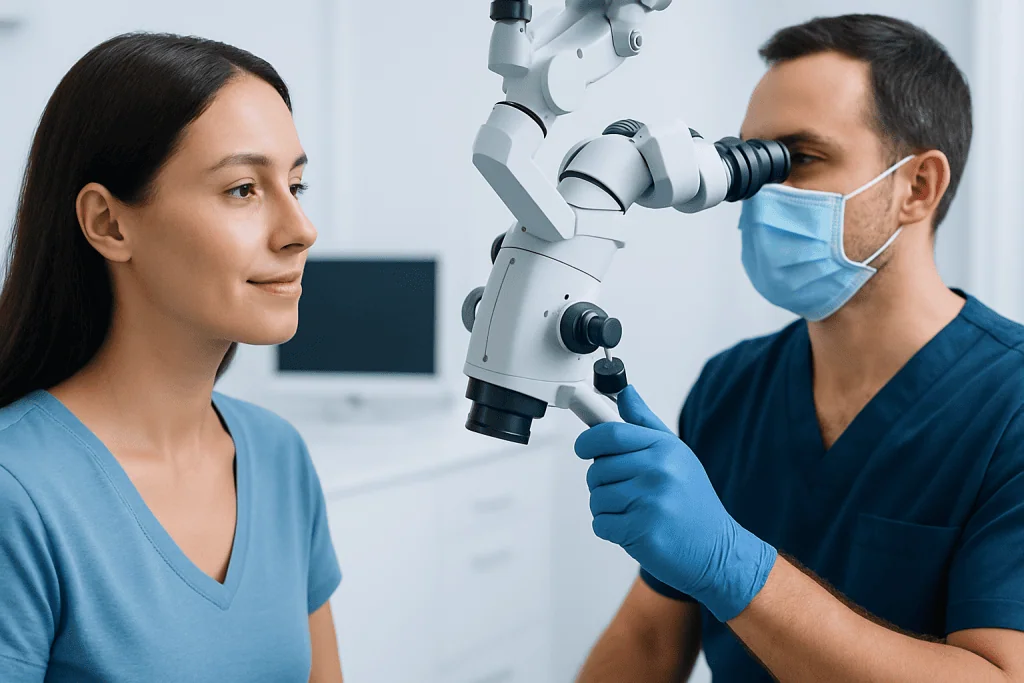
Veneers create a new visible outer surface for a tooth. They may be made from porcelain or a resin composite material. Porcelain is commonly chosen for its natural-looking translucency and resistance to staining, while composite bonding may sometimes be completed more conservatively and repaired more easily. The most suitable material depends on the teeth, smile goals, bite forces and the amount of tooth structure available.
Veneers may help improve teeth that are naturally small, slightly irregular, mildly worn, chipped or resistant to whitening. They can also help close modest spaces between teeth. A dentist should assess whether the desired change can be achieved without excessive removal of healthy enamel and whether the proposed tooth colour and shape fit naturally with the lips, gums and facial features.
They do not correct every dental concern. Large fractures, extensive fillings, severe crowding, loose teeth, advanced gum disease or major jaw-clenching problems may require different treatment first. In some situations, professional teeth whitening or orthodontic alignment may achieve the desired change with less alteration to the teeth.
Who May Be a Candidate for Veneers?

Suitable candidates generally have healthy teeth and gums, adequate enamel for secure bonding and cosmetic concerns that veneers can reasonably address. They should also understand that a veneer is a restoration that requires ongoing care. A dentist will examine the teeth, gums, jaw relationship and bite, and may take X-rays, photographs, digital scans or impressions before making recommendations.
It is particularly important to identify tooth decay, gum inflammation, infection, old leaking restorations and bite-related wear before cosmetic treatment begins. People who grind or clench their teeth may still be candidates in selected cases, but they may need a night guard and a plan that accounts for the added forces on the restorations.
Veneers may not be advisable until oral health is stabilized in people with untreated periodontal disease, poor plaque control, severe enamel loss or highly destructive grinding. Patients with heavily damaged teeth may need more extensive restorative options, such as dental crowns, if a dentist determines that a veneer would not provide adequate support.
- Good candidates have stable oral health and realistic expectations.
- Careful planning is especially important for people with bruxism, gum recession or previous dental restorations.
- A conservative plan preserves as much healthy tooth structure as possible.
The Veneer Procedure: Step by Step
The process begins with a consultation and smile assessment. The dentist discusses the patient’s concerns, examines the mouth and reviews treatment alternatives. Digital smile planning, photographs, models or a temporary mock-up may be used to help the patient understand possible changes in tooth length, shape and colour before permanent veneers are made.
For conventional porcelain veneers, the dentist usually removes a small amount of enamel from the front and sometimes the edge of each tooth. This creates space for the restoration and helps avoid an overly bulky appearance. Local anaesthetic may be used if needed. A scan or impression is then sent to a dental laboratory, and temporary veneers may be placed while the final restorations are being created.
At the fitting appointment, the dentist checks the shade, contour, fit and bite. The teeth are prepared for bonding, and the veneers are attached using a dental adhesive and cured with a special light. Small adjustments may be made so the teeth meet comfortably. The patient should receive guidance on cleaning, eating, sensitivity and planned review appointments.
For international patients, travel planning should allow enough time for diagnostic assessment, preparation, laboratory fabrication, bonding and adjustments. Treatment schedules vary according to the number of teeth, dental laboratory requirements and whether any preliminary care is needed.
Benefits, Limitations and Possible Risks
When appropriately planned, veneers can provide a natural-looking improvement in tooth colour, shape and symmetry. Porcelain veneers are designed to maintain their appearance over time and may resist surface staining better than natural enamel or some composite materials. They can also be a more conservative choice than full crowns when the tooth is otherwise structurally healthy.
However, veneers have limitations. Tooth preparation is commonly permanent because enamel does not grow back. Veneers can chip, crack, debond or require replacement in the future. Their long-term performance depends on material choice, bonding technique, bite forces, home care and regular dental review.
Some patients notice temporary sensitivity after preparation, particularly to cold foods or drinks. Other possible concerns include gum irritation, a mismatch in colour as natural teeth change over time, or an uncomfortable bite that needs adjustment. Choosing veneers that are too large, too white or poorly aligned with the gum line can compromise comfort and appearance.
A detailed consent discussion should cover how much enamel may be altered, what result is realistically achievable, the expected need for maintenance and what happens if a veneer is damaged. Patients should feel able to ask questions and should not feel pressured into treating more teeth than necessary.
Recovery, Aftercare and Long-Term Maintenance
Most people return to normal daily activities shortly after veneer placement. It can take several days to become accustomed to the new tooth contours, particularly if several teeth have been treated. Mild sensitivity or awareness of the bite may occur initially, but persistent pain, significant sensitivity or a bite that feels uneven should be reviewed by the dentist.
Aftercare is similar to caring for natural teeth. Patients should brush twice daily with a fluoride toothpaste, clean between the teeth every day and attend regular dental check-ups and hygiene appointments. A non-abrasive toothpaste is often preferable, as highly abrasive products may affect the polish of restorations over time.
Although veneers are durable, they are not indestructible. Biting hard objects, opening packaging with the teeth, chewing ice or using teeth as tools can increase the risk of damage. Those who grind or clench their teeth may be advised to use a custom night guard. Smoking and frequent intake of strongly staining foods or drinks may affect surrounding natural teeth and overall smile colour.
Before returning home after treatment abroad, patients should receive a written summary of the work completed, material information, aftercare advice and guidance about where to seek review if a problem develops. Maintaining a relationship with a local dentist for routine care is also sensible.
Safety, Hospital Standards and Planning Travel
For patients considering veneers in another country, safety starts with choosing a regulated clinical setting and a dentist with appropriate training in restorative and cosmetic dentistry. A high-quality provider should explain who will perform each part of treatment, what diagnostic records are needed, which material is proposed and why, and how potential complications will be managed.
Hospital-based dental care may be particularly helpful for people who need multidisciplinary assessment, have complex medical histories or require additional dental treatment. International patients should share relevant medical information in advance, including medicines, allergies, bleeding conditions, diabetes, pregnancy status and previous dental problems.
Accreditation can be one useful indicator of organizational standards, although it does not replace an individual clinical assessment. JCI-accredited hospitals follow established systems for quality and patient safety. Acibadem International’s multidisciplinary specialists and JCI-accredited hospitals diagnose and treat dental concerns for international patients, with support for care coordination and travel planning.
Accommodation and travel arrangements should leave room for appointments and unforeseen adjustments rather than relying on a tightly scheduled return journey. It is also important to clarify communication channels, record transfer and follow-up responsibilities before treatment begins.
When to Seek Medical Care
Patients should contact a dentist promptly if they develop severe tooth pain, facial swelling, fever, pus, a loose tooth or bleeding gums that do not settle. These symptoms may indicate infection or another oral health problem that should be assessed before any cosmetic procedure is considered.
After veneers are placed, dental review is recommended if a veneer feels loose, cracks, chips, causes persistent sensitivity, or changes the bite. A dentist should also assess gum swelling, ongoing bleeding, bad taste, pain when biting or a veneer edge that feels rough or sharp.
Urgent medical assessment may be needed for rapidly spreading facial swelling, trouble swallowing, difficulty breathing or inability to open the mouth normally. These symptoms are uncommon but should not be managed with cosmetic treatment or delayed while travelling.
Frequently asked questions
Are veneers in Turkey safe?
Veneers in Turkey can be safe when a qualified dentist performs a full clinical assessment and treatment is provided in an appropriately regulated setting. Patients should be given clear information about tooth preparation, materials, risks, aftercare and how follow-up will be managed after travel.
How long does the veneer procedure take?
The timeline varies according to the number of teeth, type of veneer, dental laboratory schedule and whether other dental problems need treatment first. Conventional porcelain veneers commonly require assessment, tooth preparation, fabrication and a bonding visit, so patients should allow time for adjustments rather than planning a rushed trip.
Do veneers damage natural teeth?
Conventional veneers usually require removal of a small amount of enamel, which is a permanent change to the tooth. Careful planning aims to preserve as much healthy tooth structure as possible, and alternatives may be considered when a less invasive approach is suitable.
Are veneers painful?
The procedure is usually managed with local anaesthetic when tooth preparation is needed, so discomfort during treatment is generally limited. Some people experience short-term sensitivity after treatment, especially to cold temperatures, and should contact their dentist if pain is severe or persists.
Can veneers fix crooked teeth?
Veneers can sometimes improve the appearance of mildly uneven or slightly rotated teeth. They do not move teeth, so moderate or severe crowding often requires orthodontic assessment to avoid removing too much healthy tooth structure.
How should veneers be cared for after placement?
Veneers should be cared for with twice-daily brushing using fluoride toothpaste, daily cleaning between teeth and routine dental check-ups. Avoid using teeth to bite hard objects, and wear a night guard if a dentist recommends one for grinding or clenching.
References
- American Dental Association
- FDI World Dental Federation
- National Institute of Dental and Craniofacial Research
- World Health Organization
- Joint Commission International
This article is for general information only and is not a substitute for professional medical advice. Please consult a qualified doctor about your individual situation.
Explore treatments in Turkey — costs, top hospitals & a free quote
JCI-accredited · board-certified surgeons · reply within 24h