

Gastric Sleeve Stricture: Symptoms, Endoscopy, and Treatment

A gastric sleeve stricture may cause persistent nausea, vomiting, reflux, trouble swallowing, or inability to progress from liquids to soft foods. The narrowing may be a true scar-related stenosis or a functional blockage caused by twisting, kinking, or sharp angulation of the sleeve.
Key Takeaways
- A gastric sleeve stricture may cause persistent nausea, vomiting, reflux, trouble swallowing, or inability to progress from liquids to soft foods.
- The narrowing may be a true scar-related stenosis or a functional blockage caused by twisting, kinking, or sharp angulation of the sleeve.
- Diagnosis often involves a careful symptom review, blood tests, contrast swallow imaging, and upper gastrointestinal endoscopy.
- Endoscopic balloon dilation is a common first-line treatment for many strictures and may require more than one session.
- Urgent medical advice is needed if vomiting prevents fluid intake, symptoms of dehydration develop, or severe abdominal pain occurs.
Gastric sleeve stricture is an uncommon but treatable narrowing or twist of the stomach sleeve that may make food and fluids difficult to pass. Early evaluation is important because dehydration, reflux, and poor nutrition can often be improved with endoscopic or surgical treatment when needed.
Overview
A gastric sleeve stricture is a narrowing of the stomach tube that can occur after gastric sleeve surgery. During this operation, a large part of the stomach is removed and the remaining stomach is shaped into a long, narrow sleeve. If one part of the sleeve becomes too tight, twisted, or sharply angled, food and liquids may not pass smoothly from the upper stomach toward the small intestine.
Doctors may also use terms such as gastric sleeve stenosis, sleeve narrowing, incisura stenosis, or functional obstruction. A true stricture usually means a fixed narrowing caused by swelling, scarring, or tissue healing. A functional stricture means the sleeve may not be scarred shut, but its shape creates a kink or twist that behaves like a blockage.
This problem is not the same as normal early fullness after bariatric surgery. Feeling satisfied after small amounts is expected, especially in the first weeks. However, repeated vomiting, inability to tolerate liquids, worsening reflux, or a sense that food is stuck should be assessed by a bariatric surgeon or gastroenterologist.
Common Symptoms
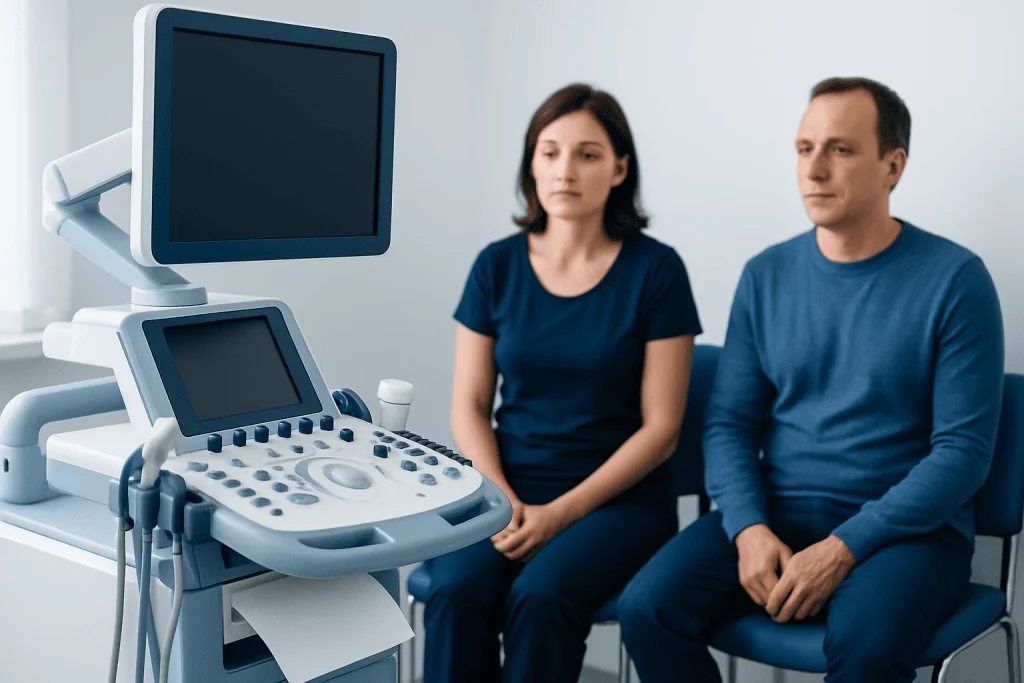
Symptoms of gastric sleeve stricture can appear soon after surgery or develop gradually over weeks to months. Early symptoms may overlap with routine recovery, which is why the pattern and persistence are important. A person may feel that liquids or soft foods sit in the chest or upper abdomen, then return upward soon after swallowing.
Common symptoms include:
- Persistent nausea or repeated vomiting, especially after eating or drinking
- Difficulty swallowing, also called dysphagia
- Feeling of food or liquids getting stuck
- Reflux, heartburn, sour taste, or regurgitation
- Upper abdominal discomfort, pressure, or cramping after meals
- Inability to progress from clear liquids to purées or soft foods as expected
- Signs of dehydration such as dizziness, dark urine, weakness, or very low fluid intake
Some people also notice poor tolerance of protein supplements, tablets, or thicker fluids. Weight loss may be faster than expected because intake is very limited, but rapid weight loss from vomiting is not a safe goal. Ongoing vomiting can lead to dehydration, electrolyte imbalance, and vitamin deficiencies, so timely care is important.
Causes and Risk Factors
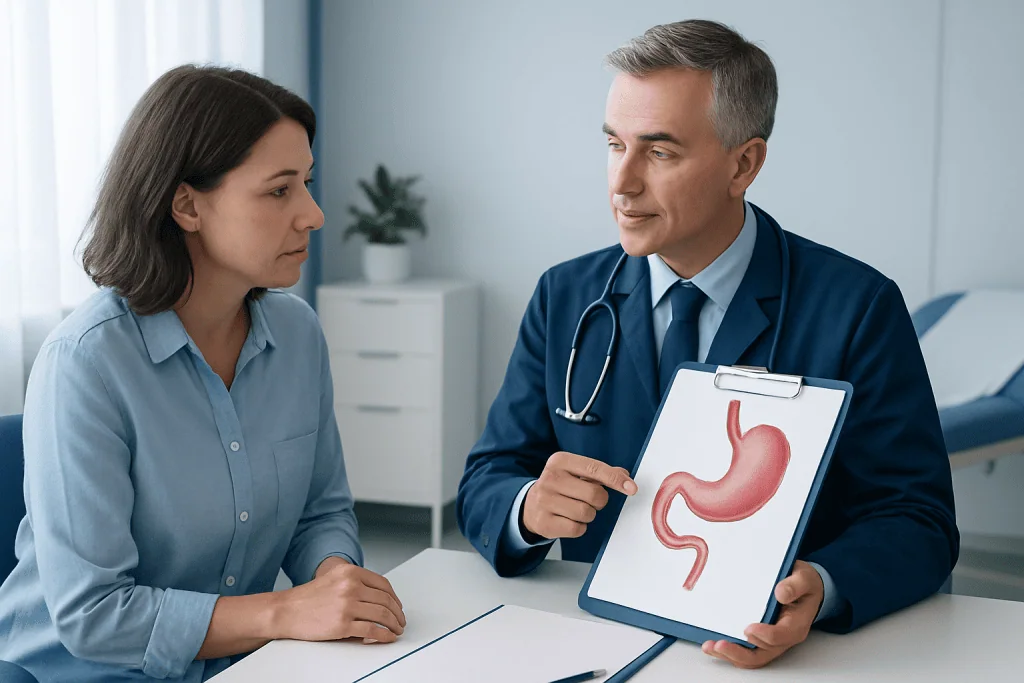
A stricture may form for several reasons. In the early period after sleeve gastrectomy, swelling around the staple line can temporarily narrow the sleeve. Later, healing tissue or scarring may create a fixed tight segment. The most common area is often near the incisura angularis, a natural curve in the lower part of the stomach where the sleeve can become relatively narrow.
Functional narrowing can occur when the sleeve twists, spirals, or bends sharply. This may happen because of the sleeve shape, tissue traction, adhesions, or how the stomach heals after surgery. In these cases, the inside opening may look partly open, but the route through the sleeve is difficult for food and fluid to follow.
Risk can be influenced by surgical anatomy, inflammation, local healing, and postoperative factors. Severe vomiting early after surgery, untreated reflux, leak or inflammation near the staple line, and scar formation may contribute in some patients. However, many people who develop a stricture have followed instructions carefully; it is best understood as a postoperative complication rather than a personal failure.
Diagnosis: Endoscopy and Imaging
Diagnosis begins with a detailed discussion of symptoms, surgical history, diet stage, fluid intake, medications, and warning signs such as fever or severe pain. The doctor may check hydration status and order blood tests to look for electrolyte changes, kidney strain from dehydration, inflammation, anemia, or vitamin-related concerns if vomiting has been prolonged.
An upper gastrointestinal contrast study, sometimes called a swallow study, may be used to show the shape of the sleeve and the movement of liquid through it. The patient drinks a contrast liquid while X-ray images are taken. This can help identify delayed emptying, a tight segment, a twist, reflux, or a possible leak depending on the clinical situation.
Upper gastrointestinal endoscopy is often central to diagnosis. During endoscopy, a flexible camera is passed through the mouth to view the esophagus, sleeve, and stomach outlet. It can show whether there is inflammation, ulceration, retained food or fluid, a narrowed area, or an angulated segment; in many cases, endoscopy can also be used for treatment during the same or a planned later session.
Sometimes imaging and endoscopy give complementary information. A sleeve may appear narrow on a contrast study but be passable with an endoscope, suggesting a functional problem. In other cases, the endoscope may clearly meet resistance at a fixed stricture, helping the care team plan endoscopic dilation or other options.
Treatment Options
Treatment depends on the severity, timing, and cause of the narrowing. Mild early swelling may improve with close monitoring, temporary diet adjustment, hydration support, and medicines such as acid suppression or anti-nausea treatment prescribed by a doctor. If vomiting is ongoing, clinicians also pay attention to thiamine and other nutritional needs because deficiencies can develop quickly when intake is poor.
Endoscopic balloon dilation is a common first-line treatment for many sleeve strictures. During endoscopy, a special balloon is positioned across the narrowed segment and gently inflated to widen the area. The size and duration of dilation are selected by the specialist, and more than one session may be needed to achieve lasting improvement while reducing the risk of injury.
Some complex cases may require other endoscopic approaches, such as temporary stent placement or techniques to address a tight scar or angulation. These decisions are individualized because a fixed scar, a long narrowed area, and a twisted sleeve may respond differently. The goal is to restore safe passage of liquids and food while protecting the staple line and surrounding tissues.
If endoscopic therapy is not successful, or if the sleeve anatomy is severely twisted or obstructed, revisional surgery may be considered. This may involve correcting the narrowing or converting to another bariatric procedure, such as gastric bypass, in selected patients. Such decisions are made carefully by an experienced bariatric surgery team after reviewing risks, nutrition status, imaging, endoscopy findings, and the patient’s overall health.
Recovery, Nutrition, and Self-care
After treatment, the care team usually gives specific instructions about diet progression. A person may return temporarily to clear liquids, then full liquids, purées, soft foods, and finally more textured foods as tolerated. Eating slowly, taking small sips, chewing well, and avoiding large portions can reduce pressure in the sleeve while it heals.
Hydration is a priority. Patients are often advised to sip fluids throughout the day rather than drink large amounts at once. Protein intake, bariatric vitamins, and mineral supplements should be reviewed with the clinical team, especially if vomiting has lasted more than a short time or if oral intake has been very limited.
Self-care does not replace medical assessment when a stricture is suspected, but it can support recovery. Patients should avoid forcing food through a painful or tight sensation, should not take non-prescribed anti-inflammatory medicines without medical approval, and should inform their doctor if tablets feel stuck. Keeping a simple log of fluids, foods tolerated, vomiting episodes, reflux symptoms, and weight changes can help the team adjust care.
When to See a Doctor
A person should contact the bariatric team promptly if vomiting is repeated, fluids cannot be kept down, swallowing becomes difficult, or reflux is worsening despite treatment. It is also important to seek care if diet progression has stalled, if there is persistent upper abdominal pain after eating, or if symptoms return after an initial improvement.
Urgent assessment is needed for signs of dehydration, fainting, confusion, very little urination, severe or worsening abdominal pain, fever, chest pain, shortness of breath, or vomiting blood. These symptoms do not always mean a dangerous complication is present, but they should be evaluated without delay so that dehydration, obstruction, leak, ulcer, or other causes can be ruled out.
International patients can be evaluated by multidisciplinary teams that include bariatric surgeons, gastroenterologists, endoscopy specialists, dietitians, and anesthesiology support. Acibadem International’s JCI-accredited hospitals diagnose and treat complications after bariatric procedures, including sleeve narrowing, with care plans tailored to the patient’s medical condition and travel needs.
Frequently asked questions
Is gastric sleeve stricture dangerous?
A gastric sleeve stricture is usually treatable, especially when recognized early. The main concerns are dehydration, poor nutrition, reflux, and persistent vomiting. Severe pain, fever, fainting, or inability to keep fluids down should be assessed urgently.
How soon after sleeve surgery can a stricture happen?
Symptoms can appear in the early weeks if swelling or sleeve shape causes narrowing. Some strictures develop later as scar tissue forms or as the sleeve heals into a twisted or angled position. Any persistent vomiting or swallowing difficulty after surgery deserves medical review.
Can endoscopy diagnose a gastric sleeve stricture?
Yes, upper gastrointestinal endoscopy is one of the main tests used to evaluate suspected sleeve narrowing. It allows the doctor to see the inside of the sleeve, assess inflammation or narrowing, and sometimes treat the problem with balloon dilation. A contrast swallow study may also be used to show the sleeve’s shape and emptying pattern.
Does balloon dilation hurt?
Endoscopic balloon dilation is usually performed with sedation or anesthesia support, so patients are typically comfortable during the procedure. Some throat irritation, bloating, or mild discomfort may occur afterward. The medical team explains expected recovery signs and when to call for help.
How many dilations are needed for a sleeve stricture?
Some people improve after one dilation, while others need several sessions spaced over time. The number depends on whether the narrowing is short or long, fixed or functional, and how the tissue responds. The specialist balances gradual widening with safety.
Can a gastric sleeve stricture come back?
A stricture can recur, particularly if there is significant scar tissue or a persistent twist in the sleeve. Follow-up is important after treatment to monitor swallowing, reflux, hydration, and nutrition. If symptoms return, the doctor may repeat imaging or endoscopy and adjust the treatment plan.
Can diet changes fix a gastric sleeve stricture?
Diet changes may help mild early swelling and can reduce symptoms while a patient is being evaluated. However, a true stricture or significant twist usually needs medical treatment rather than diet alone. Patients should not keep forcing food or fluids if vomiting and blockage symptoms continue.
References
- American Society for Metabolic and Bariatric Surgery
- International Federation for the Surgery of Obesity and Metabolic Disorders
- Society of American Gastrointestinal and Endoscopic Surgeons
- American Gastroenterological Association
- National Institute of Diabetes and Digestive and Kidney Diseases
This article is for general information only and is not a substitute for professional medical advice. Please consult a qualified doctor about your individual situation.
Medical weight-loss options in Turkey — costs & eligibility
JCI-accredited · board-certified surgeons · reply within 24h

Related Treatments
Related Conditions
More from the Health Library



Related Specialists
Prof. Dr. Tayfun Karahasanoğlu
General Surgery
Prof. Dr. Güralp Onur Ceyhan
General Surgery
Prof. Dr. Volkan Özben
General Surgery
Assoc. Prof. Dr. Halil Kara
General Surgery