Head Tremor: Common Causes and When a Movement Disorders Specialist Is Needed

Head tremor is a symptom, not a diagnosis, and it can have several possible causes. Essential tremor and cervical dystonia are among the most common causes of persistent head tremor.
Key Takeaways
- Head tremor is a symptom, not a diagnosis, and it can have several possible causes.
- Essential tremor and cervical dystonia are among the most common causes of persistent head tremor.
- A careful neurological evaluation is important because treatment depends on the underlying cause.
- Management may include medicines, botulinum toxin injections, therapy, and lifestyle adjustments.
- A movement disorders specialist is especially helpful when symptoms are unclear, progressive, or affecting daily life.
Head tremor is an involuntary movement that can make the head shake, nod, or turn rhythmically. It is often caused by a movement disorder such as essential tremor or cervical dystonia, and a specialist assessment can help identify the cause and guide treatment.
Overview
Head tremor is an involuntary, repeated movement of the head. It may look like a “yes-yes” nodding motion, a “no-no” side-to-side movement, or a mixed pattern. Some people notice it only occasionally, while others experience it more regularly during certain positions, activities, or times of stress.
Although many people use the term casually, head tremor is not a disease by itself. It is a sign that can occur with different neurological conditions, especially movement disorders. The most common causes include essential tremor and cervical dystonia, but other neurological, medication-related, and less common medical causes are also possible.
Because the appearance of head tremor can vary, a proper diagnosis matters. Some tremors are mainly rhythmic, while others are more irregular and associated with abnormal neck posture or muscle pulling. Understanding the pattern helps doctors decide whether the problem is likely to come from essential tremor, cervical dystonia, or another condition.
Symptoms and How Head Tremor May Feel
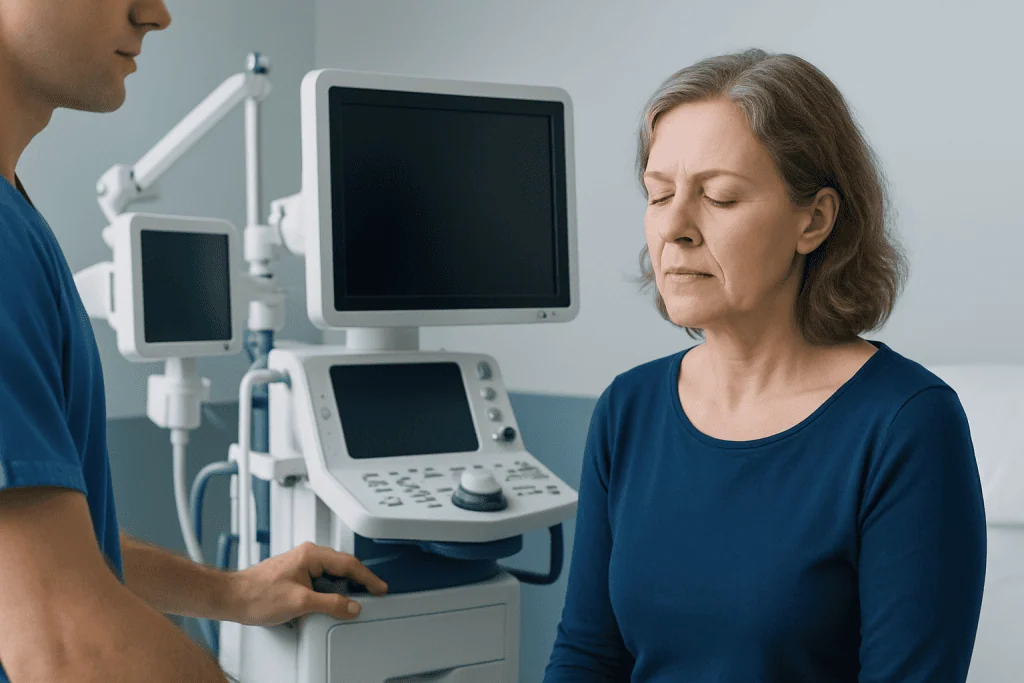
The main symptom is involuntary shaking or oscillation of the head. In some people the movement is mild and intermittent, while in others it is more visible and persistent. The tremor may worsen when the person is sitting upright, speaking, feeling tired, or under emotional stress.
Head tremor may occur alone, but it often comes with other symptoms depending on the cause. For example, a person with essential tremor may also notice shaking in the hands, voice, or less commonly other body parts. A person with cervical dystonia may have neck tightness, head turning, shoulder elevation, pain, or a sensation that the head is being pulled in one direction.
People sometimes report that the tremor improves when they lightly touch the chin, cheek, or back of the head. This can happen in dystonia and may help provide a clue during examination. Others may feel embarrassed in social settings, fatigued from holding their head steady, or limited in activities such as reading, working at a computer, or driving.
- Rhythmic nodding or side-to-side shaking
- Neck tightness or discomfort
- Worsening with stress, fatigue, or certain postures
- Associated hand tremor or voice tremor
- Abnormal head position or pulling sensation
Common Causes and Risk Factors

One of the best-known causes of head tremor is essential tremor. This is a common movement disorder that usually affects the hands, but in some people it also involves the head or voice. It tends to run in families, although not everyone with a family history develops symptoms. Essential tremor often becomes more noticeable over time and may be worse with action or posture rather than at complete rest.
Another major cause is cervical dystonia, also called spasmodic torticollis. In this condition, neck muscles contract involuntarily and cause the head to twist, tilt, or turn. The tremor associated with dystonia can be jerky or irregular rather than smoothly rhythmic, and it often appears together with an abnormal head posture. Some people mainly notice pain or pulling, while others notice the tremor first.
Less commonly, head tremor may occur with Parkinsonian syndromes, cerebellar disorders, multiple sclerosis, structural brain conditions, or side effects of certain medications. Anxiety and stress do not usually cause a true neurological tremor by themselves, but they can make an existing tremor more obvious. Risk factors depend on the underlying condition and may include age, family history, prior neurological disease, and certain medication exposures.
How Doctors Diagnose Head Tremor
Diagnosis begins with a detailed history and neurological examination. The doctor will ask when the tremor started, whether it is getting worse, what makes it better or worse, and whether there are associated symptoms such as hand tremor, neck pain, stiffness, balance problems, voice changes, or abnormal posturing. Family history and current medications are also important.
The examination focuses on the pattern of movement. A specialist looks at whether the tremor is rhythmic or irregular, whether it appears at rest or during posture, and whether there are signs of dystonia, Parkinsonism, cerebellar dysfunction, or other neurological findings. Video recording in the clinic can sometimes help document the tremor pattern, especially if symptoms vary.
There is no single test that diagnoses all head tremor. In many cases, the diagnosis is made clinically. However, blood tests, brain imaging, or additional studies may be recommended if the symptoms are sudden, unusual, rapidly progressive, or accompanied by other neurological signs. When the cause is unclear, referral to a movement disorders specialist can be especially valuable because these neurologists have advanced expertise in distinguishing similar-looking conditions.
Treatment Options
Treatment depends on the underlying cause, the severity of symptoms, and how much the tremor affects daily life. If the tremor is mild and not interfering with function, careful monitoring may be enough. When treatment is needed, the main goal is to reduce symptoms and improve comfort, confidence, and quality of life.
For essential tremor, doctors may recommend medication to lessen tremor severity. When tremor is more complex or difficult to classify, evaluation in a specialized neurology program can help guide the next steps. In selected cases with significant disability that does not respond well to standard treatment, advanced options may be discussed through a deep brain stimulation assessment.
For cervical dystonia, botulinum toxin injections are a common and effective treatment because they can reduce overactive neck muscle contractions and improve both posture and tremor. Some patients also benefit from physical therapy, stretching, posture training, or pain management. In carefully selected cases, a broader movement disorders treatment plan may include rehabilitation strategies and multidisciplinary follow-up.
When head tremor is related to another neurological or medical issue, treatment focuses on that underlying problem. Near the end of the care pathway, some international patients choose centers such as Acibadem International, where multidisciplinary specialists in JCI-accredited hospitals evaluate and treat movement disorders using individualized plans.
Self-care, Daily Management, and Prevention
There is no universal way to prevent head tremor because prevention depends on the cause. However, some practical steps can reduce symptom burden. Good sleep, stress management, regular physical activity, and limiting personal triggers such as fatigue may help make tremor less noticeable for some people.
People with head tremor may benefit from posture awareness and gentle neck exercises advised by a qualified clinician or therapist. Supportive strategies, such as ergonomic seating, screen height adjustment, and rest breaks during computer work, can reduce neck strain. If voice or hand tremor is also present, a broader therapy plan may help with communication and daily tasks.
It is important not to start or stop medications without medical advice, since some drugs can worsen tremor and others may interact with treatment. Keeping a symptom diary can be useful. Recording when the tremor occurs, whether pain is present, and what seems to trigger or ease it can provide valuable information for a specialist visit.
When a Movement Disorders Specialist Is Needed
A movement disorders specialist is a neurologist with additional expertise in conditions such as tremor, dystonia, and Parkinsonian disorders. Referral is often helpful when the diagnosis is uncertain, when standard treatment has not worked well, or when the tremor is affecting work, social confidence, reading, driving, or other daily activities.
Specialist evaluation is also important if the tremor began suddenly, is rapidly worsening, is associated with weakness, balance problems, swallowing difficulty, severe neck pain, or other new neurological symptoms. These situations do not always mean a serious condition, but they do require prompt medical assessment to identify the cause safely.
People should also seek medical attention if they develop an abnormal head posture, significant muscle pulling, or signs that suggest dystonia rather than a simple tremor. The right diagnosis can open the door to more targeted treatment, including specialized injections, tailored medication strategies, therapy, or advanced procedures when appropriate.
Frequently asked questions
Is head tremor always a sign of Parkinson’s disease?
No. Head tremor is more commonly linked to essential tremor or cervical dystonia than to Parkinson’s disease. A neurological examination is important because different movement disorders can look similar at first.
What is the most common cause of head tremor?
Two common causes are essential tremor and cervical dystonia. Essential tremor often affects the hands as well, while cervical dystonia may cause neck pain, pulling, or an abnormal head position along with tremor.
Can stress cause head tremor?
Stress usually does not create a neurological tremor on its own, but it can make an existing tremor more noticeable. Fatigue, anxiety, and emotional strain often increase the visibility or severity of symptoms.
How is head tremor treated?
Treatment depends on the cause. Options may include medication, botulinum toxin injections, physical therapy, and in selected cases advanced procedures such as deep brain stimulation.
Should a person see a doctor for mild head tremor?
Yes, especially if the tremor is persistent, new, or getting worse. Even a mild tremor deserves evaluation because treatment and follow-up depend on identifying the underlying cause.
When should someone see a movement disorders specialist?
A specialist is helpful when the diagnosis is unclear, symptoms are progressive, or treatment is not working well. Referral is also important if the tremor interferes with daily activities or is accompanied by abnormal posture, pain, or other neurological symptoms.
References
- National Institute of Neurological Disorders and Stroke
- International Parkinson and Movement Disorder Society
- American Academy of Neurology
- NHS
- MedlinePlus
This article is for general information only and is not a substitute for professional medical advice. Please consult a qualified doctor about your individual situation.
Movement Disorders in Turkey — costs, top hospitals & a free quote
JCI-accredited · board-certified surgeons · reply within 24h
Add us as a Preferred Source to see more of our trusted health content across Google Search, AI Overviews and Discover.

Neurology
Diagnosis and treatment of disorders of the brain, spinal cord, nerves and muscles.
51 specialists in this unit