How Much Is Lung Cancer Treatment: How It Works, Results and What to Expect
Lung cancer treatment may involve surgery, radiation therapy, systemic medicines, or a combination of approaches. The most appropriate plan depends on the cancer type, stage, molecular test results, general health, and personal treatment goals.
Key Takeaways
- Lung cancer treatment may involve surgery, radiation therapy, systemic medicines, or a combination of approaches.
- The most appropriate plan depends on the cancer type, stage, molecular test results, general health, and personal treatment goals.
- Cost planning should include diagnostic testing, treatment sessions, medicines, hospital care, travel, rehabilitation, and follow-up.
- Early-stage lung cancer may sometimes be treated with curative intent, while advanced disease can often be controlled with modern therapies.
- A multidisciplinary cancer team can help explain likely benefits, side effects, practical needs, and financial questions before treatment begins.
How much is lung cancer treatment cannot be answered with one figure because care is individualized. The overall expense and treatment plan depend on the lung cancer type and stage, required tests, treatment approach, treatment setting, insurance or funding arrangements, and the need for follow-up care.
How much is lung cancer treatment?
How much is lung cancer treatment depends on the individual treatment pathway rather than a single standard price. Costs can vary according to the type of lung cancer, its stage, whether surgery is possible, the medicines recommended, the number of treatment sessions, the country and hospital setting, and insurance or other funding arrangements.
Before starting care, patients can ask for a written estimate that separates diagnostic tests, specialist consultations, hospital admission, surgery or procedures, radiation planning and delivery, medicines, pathology, follow-up visits, and supportive care. For people travelling for treatment, accommodation, transport, translation, and the possibility of an extended stay should also be considered.
Medical decisions should not be based on cost alone. A cancer team can explain which treatments are medically appropriate, whether there are alternatives, and what services are included in a proposed plan. It is also reasonable to ask how changes in test results, complications, or a revised treatment strategy could affect the expected course of care.
How lung cancer treatment works
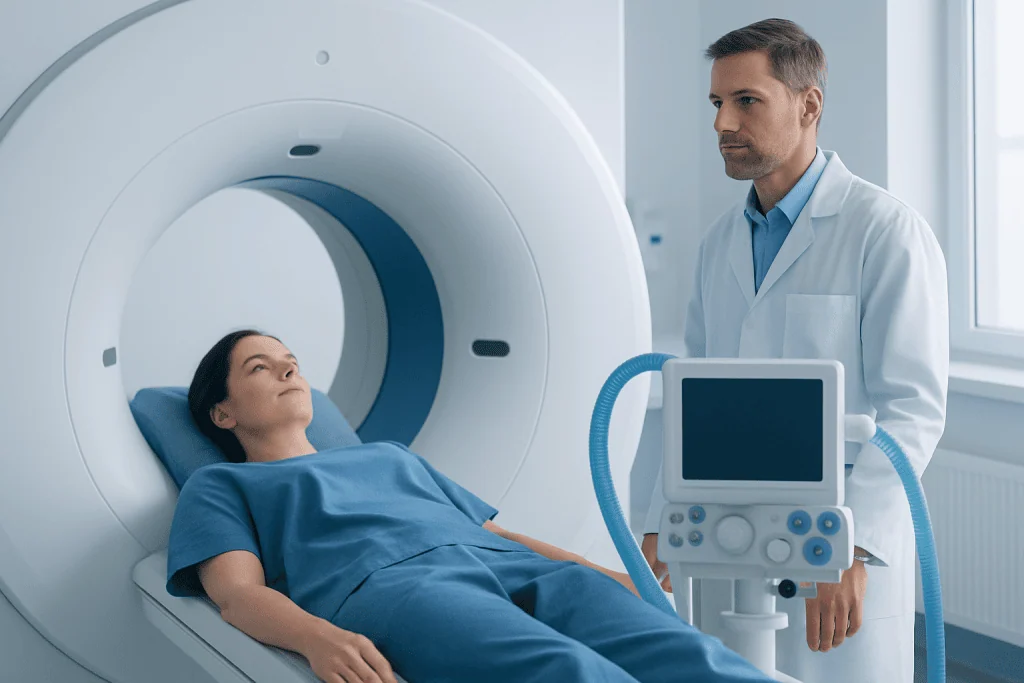
Lung cancer treatment aims to remove, destroy, shrink, or control cancer cells while preserving quality of life as much as possible. The main approaches are surgery, radiation therapy, systemic treatments such as chemotherapy, targeted therapy, immunotherapy, and in selected cases local procedures that treat a small area of cancer.
Non-small cell lung cancer and small cell lung cancer are treated differently. Non-small cell lung cancer is the more common broad group and may be treated with surgery when it is localized and a person is fit for an operation. Small cell lung cancer often grows and spreads earlier, so systemic treatment and radiation are commonly central parts of care.
For many patients, treatment is combined or given in sequence. For example, a person may receive chemotherapy and radiation before or after surgery, or immunotherapy after chemoradiation in certain situations. The order is carefully selected to reflect the cancer stage, pathology findings, molecular features, lung function, and the person’s preferences.
A multidisciplinary review usually brings together medical oncologists, thoracic surgeons, radiation oncologists, pulmonologists, radiologists, pathologists, specialist nurses, and supportive-care professionals. This helps ensure that the plan addresses both the cancer and the practical effects of treatment.
Who may be a candidate for each treatment approach
Candidacy is determined through a detailed assessment, not by stage alone. Clinicians consider where the cancer began, its size and location, lymph node involvement, whether it has spread, biopsy results, molecular testing, breathing capacity, heart health, other medical conditions, and day-to-day function.
Surgery may be considered when all visible cancer can likely be removed safely and there is enough remaining lung function after the procedure. Some people are not suited to surgery because of the cancer’s location, advanced spread, or health conditions that make an operation unsafe. In these cases, radiation or systemic therapies may offer important treatment options.
Biomarker and genetic testing of tumor tissue is particularly important in many cases of advanced non-small cell lung cancer. Certain changes in cancer cells may make targeted medicines appropriate. PD-L1 and other test results can also help guide whether immunotherapy may be useful.
- Localized disease may be treated with surgery, focused radiation, or both.
- Locally advanced disease often needs a combined approach using radiation and systemic therapy.
- Metastatic disease is usually treated with systemic medicines, with radiation or procedures used for symptoms or selected cancer sites.
What happens during diagnosis and treatment
The process usually starts with imaging, often including a chest CT scan, followed by tests to confirm the diagnosis. A biopsy provides tissue for pathology and may be obtained through bronchoscopy, a needle biopsy, or a surgical procedure. PET-CT, brain imaging, breathing tests, blood tests, and other assessments may be used to stage the cancer and plan treatment safely.
For surgery, the team explains the planned operation, such as removal of a small portion of lung, a lobe, or, less commonly, an entire lung. Surgery may be performed through minimally invasive techniques or an open incision, depending on the cancer and anatomy. Lymph nodes are commonly sampled or removed to clarify staging and reduce the chance of remaining local disease.
Radiation treatment begins with planning scans that allow the team to map the tumor and protect nearby healthy tissue. Treatment is typically delivered in scheduled sessions over days or weeks, although some small early cancers may be treated with a shorter course of highly focused radiation. Radiation itself is painless, but planning and positioning are important.
Systemic treatment is commonly administered in cycles or at regular intervals. The team monitors blood tests, symptoms, scans, and treatment response throughout care. Depending on the cancer and treatment goals, therapy may have a defined endpoint or continue while it remains beneficial and manageable.
Benefits, risks, and recovery timeline
The potential benefit of treatment depends on the cancer stage and biology. In earlier-stage disease, treatment may be given with curative intent. In more advanced disease, treatment may slow cancer growth, reduce symptoms, prolong life, and help maintain daily activities. No treatment can guarantee a particular outcome, so discussions should include realistic goals and personal priorities.
Side effects vary by treatment. Surgery can cause pain, temporary breathlessness, infection, bleeding, blood clots, and changes in lung capacity. Radiation can lead to fatigue, skin irritation, swallowing discomfort, cough, inflammation of lung tissue, or longer-term scarring. Chemotherapy, targeted therapy, and immunotherapy have different possible effects, including fatigue, nausea, appetite changes, low blood counts, skin reactions, diarrhea, and immune-related inflammation.
Recovery after lung surgery often includes a hospital stay followed by several weeks of increasing activity at home. Breathing exercises, pain management, walking, nutritional support, and pulmonary rehabilitation can be helpful. Recovery from radiation or systemic treatment differs widely; fatigue may build gradually and may take weeks to improve after treatment ends.
Patients should promptly report fever, increasing shortness of breath, chest pain, new confusion, severe diarrhea, uncontrolled vomiting, coughing up significant blood, or any sudden new symptom. Early communication allows the clinical team to identify treatable complications and adjust supportive care.
How long does lung cancer take from stage 1 to 4?
There is no fixed timeline for lung cancer to progress from stage 1 to stage 4. Growth patterns differ substantially between tumor types and even between cancers of the same type. Some cancers grow relatively slowly, while others spread more quickly.
Stage does not necessarily describe a predictable sequence that can be observed over time. A cancer may already be advanced when it is first detected because early lung cancer often causes no symptoms. Conversely, some early cancers may remain localized for a period before spreading.
Regular follow-up, appropriate imaging, and timely assessment of concerning symptoms are important. Once lung cancer is diagnosed, staging tests help the team understand the extent of disease at that point and select the most suitable treatment without unnecessary delay.
Is lung cancer 100% curable?
Lung cancer is not considered 100% curable because outcomes vary with the cancer type, stage, tumor biology, treatment response, and general health. However, some people with early-stage lung cancer can be treated successfully with curative intent, often through surgery and, when indicated, additional radiation or systemic treatment.
Even after apparently complete treatment, follow-up is important because recurrence can occur. Surveillance commonly includes clinical visits and imaging at intervals recommended by the treating team. Avoiding tobacco exposure and maintaining overall health can support recovery, although these steps cannot eliminate recurrence risk.
For advanced lung cancer, modern targeted therapies, immunotherapies, chemotherapy, and radiation can offer meaningful disease control for many patients. Treatment aims should be reviewed regularly, as they may change according to response, side effects, and the person’s wishes.
Does lung cancer spread quickly?
Some lung cancers can spread quickly, but the rate is not the same for everyone. Small cell lung cancer generally tends to grow and spread more rapidly than non-small cell lung cancer. Within non-small cell lung cancer, behavior also varies according to tumor subtype and molecular characteristics.
Because symptoms may be absent early on, it is possible for lung cancer to be discovered after it has spread. This does not mean a person did anything wrong or that treatment is not possible. Staging and molecular testing provide more useful information than assumptions based on symptoms alone.
People with a persistent or changing cough, coughing up blood, unexplained weight loss, chest discomfort, ongoing breathlessness, repeated chest infections, or new unexplained hoarseness should arrange medical assessment. These symptoms have many possible causes, but they deserve evaluation when they persist.
What is the most successful treatment for lung cancer?
There is no single most successful treatment for every person with lung cancer. For many early-stage non-small cell lung cancers, complete surgical removal offers the best opportunity for cure when it can be performed safely. Highly focused radiation may be an alternative for selected people who cannot have surgery.
For locally advanced disease, combined chemotherapy and radiation, sometimes followed by immunotherapy, can be effective. For metastatic disease, targeted therapy can be especially effective when a treatable genetic alteration is present, while immunotherapy, chemotherapy, or combinations may be appropriate for other cancers.
The best treatment is therefore the one matched to the individual cancer and person. Asking about pathology, stage, biomarker results, likely benefits, side effects, alternatives, and the treatment goal can help patients take part in informed decisions.
When to seek medical care and plan support
Medical care should be sought promptly for coughing up blood, severe or worsening shortness of breath, chest pain, a high fever during cancer treatment, sudden weakness, confusion, or symptoms of a possible blood clot such as one-sided leg swelling. Emergency services may be needed for severe breathing difficulty, fainting, or sudden chest pain.
For non-emergency concerns, patients should contact a doctor if a cough lasts more than a few weeks, breathing changes persist, voice changes do not resolve, or there is unexplained weight loss or ongoing fatigue. People with a current or past smoking history may also wish to discuss whether lung cancer screening is appropriate for them under local guidelines.
It can help to bring a family member or trusted person to appointments, keep copies of scan and pathology reports, and write down questions in advance. Supportive care for pain, breathing symptoms, nutrition, emotional wellbeing, sleep, and smoking cessation can be provided alongside cancer-directed treatment at every stage.
Acibadem International’s multidisciplinary specialists and JCI-accredited hospitals diagnose and treat lung cancer for international patients, with care planning guided by the individual clinical situation.
Frequently asked questions
What factors affect how much lung cancer treatment costs?
The total cost can be influenced by diagnostic testing, cancer type and stage, surgery, radiation sessions, medicines, hospital care, pathology, follow-up, and supportive services. Geographic location, insurance coverage, travel needs, and whether treatment changes over time can also affect planning. A written, itemized estimate from the treatment center can clarify what is included.
How is lung cancer staged?
Lung cancer staging describes the size and location of the primary tumor, lymph node involvement, and whether cancer has spread to other parts of the body. Staging may require imaging, biopsy findings, and sometimes surgical assessment of lymph nodes. Small cell lung cancer is often described as limited-stage or extensive-stage, while non-small cell lung cancer commonly uses stages 1 through 4.
Can a person work during lung cancer treatment?
Some people can continue working during parts of treatment, while others need reduced hours or time away from work. The ability to work depends on symptoms, treatment type, side effects, travel, physical demands, and individual energy levels. Discussing work responsibilities early with the clinical team can help with planning.
Will all patients need chemotherapy for lung cancer?
No. Whether chemotherapy is recommended depends on the cancer type, stage, surgery results, molecular findings, and overall treatment goal. Some early cancers can be managed with surgery or focused radiation alone, while other cases may benefit from chemotherapy, targeted therapy, immunotherapy, or combinations.
How often are scans needed after lung cancer treatment?
Follow-up schedules vary according to the cancer type, stage, and treatment received. Imaging is often performed at regular intervals after curative-intent treatment and may be more frequent during treatment for advanced disease. The treating team will recommend a surveillance plan tailored to the individual situation.
What should patients ask before starting lung cancer treatment?
Useful questions include the exact cancer type and stage, the purpose of treatment, available alternatives, expected benefits, possible side effects, and how response will be monitored. Patients can also ask about recovery needs, supportive care, clinical trials where appropriate, and an itemized explanation of expected treatment-related expenses.
References
- World Health Organization
- National Cancer Institute
- American Cancer Society
- European Society for Medical Oncology
- International Association for the Study of Lung Cancer
This article is for general information only and is not a substitute for professional medical advice. Please consult a qualified doctor about your individual situation.
Lung Cancer in Turkey — costs, top hospitals & a free quote
JCI-accredited · board-certified surgeons · reply within 24h
Add us as a Preferred Source to see more of our trusted health content across Google Search, AI Overviews and Discover.

Hematology Department
17 specialists in this unitMore from the Health Library

Related Specialists

Fzt. İsmail Ateş
Physical Medicine and Rehabilitation
Assoc. Prof. Dr. Diğdem Özer Etik
Gastroenterology
Ferît Pekgöz
Physical Medicine & Rehabilitation
Prof. Dr. Tevfik Rifki Evrenkaya
Internal Medicine