How to Check Heart Blockage at Home? A Doctor-Reviewed Answer

There is no home test that can confirm or rule out blocked heart arteries. Many brief chest sensations are not caused by heart disease, but persistent or exertional symptoms should be assessed.
Key Takeaways
- There is no home test that can confirm or rule out blocked heart arteries.
- Many brief chest sensations are not caused by heart disease, but persistent or exertional symptoms should be assessed.
- Red flags include chest pressure, shortness of breath, pain spreading to the arm or jaw, fainting, or symptoms at rest.
- Doctors diagnose possible heart blockage with a history, examination, ECG, blood tests, and heart imaging when needed.
- Managing blood pressure, cholesterol, diabetes, smoking, sleep, stress, and exercise lowers future risk.
A person cannot reliably diagnose a heart artery blockage at home. However, paying attention to symptoms, checking pulse and blood pressure, and knowing the warning signs can help them decide when to seek prompt medical care.
What this question really means
Many people who search for how to check heart blockage at home are trying to answer a practical question: Are these symptoms serious, or can they wait? In many cases, chest discomfort, palpitations, indigestion, muscle strain, anxiety, or fatigue are not caused by a blocked heart artery. That is reassuring, but it is still important to recognize the patterns that deserve medical attention.
The most important point is that a person cannot confirm a heart blockage at home. There is no home device, finger test, or symptom checklist that can reliably show whether a coronary artery is narrowed or blocked. Home observations can be useful for deciding how urgently to seek care, but they do not replace a medical evaluation.
If symptoms suggest reduced blood flow to the heart, doctors use tests such as an electrocardiogram, blood work, stress testing, echocardiography, CT coronary imaging, or catheter-based angiography. Home checks are best viewed as a first step in recognizing warning signs rather than a way to make a diagnosis.
Signs at home that should not be ignored
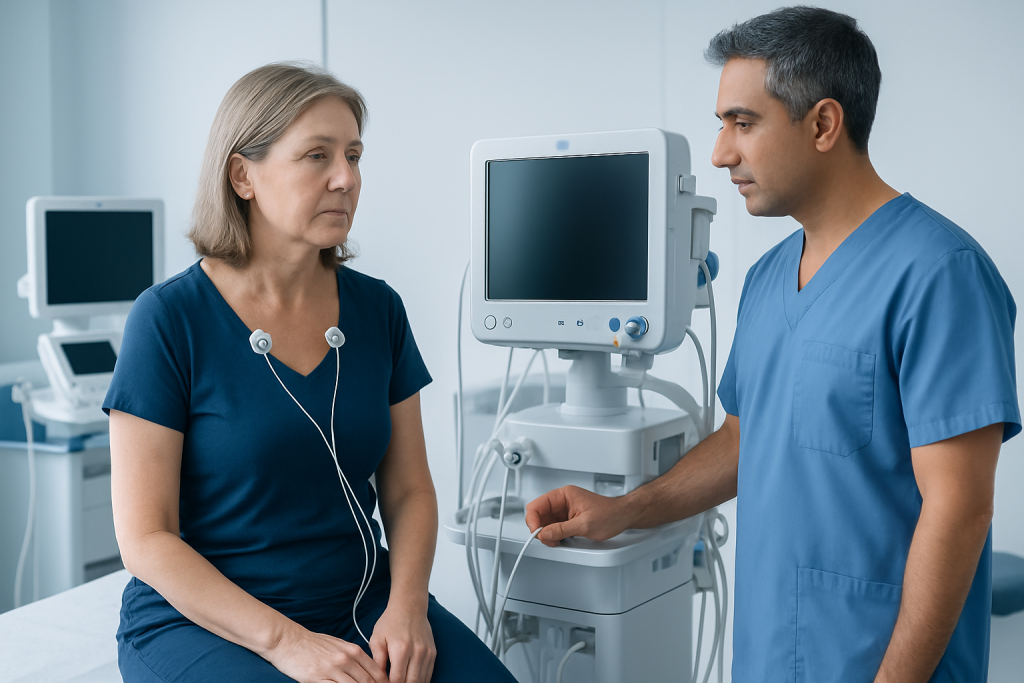
The most concerning symptom pattern is chest pressure, tightness, heaviness, squeezing, or burning that appears with physical effort or emotional stress and improves with rest. Some people describe it as a weight on the chest rather than a sharp pain. Others notice shortness of breath, unusual fatigue, nausea, sweating, dizziness, or discomfort that travels to the arm, shoulder, back, neck, or jaw.
Symptoms can vary, especially in older adults, people with diabetes, and women. Instead of classic chest pain, they may notice breathlessness during activities that were previously easy, a sudden drop in exercise tolerance, upper back discomfort, or unexplained exhaustion. New symptoms that repeatedly happen with exertion deserve medical review even if they seem mild.
Call emergency services right away if chest pressure lasts more than a few minutes, returns repeatedly at rest, or comes with fainting, severe shortness of breath, cold sweats, confusion, or pain spreading to the arm or jaw. These features may signal a medical emergency such as a heart attack and should not be monitored at home.
What can be checked at home

Although home checks cannot diagnose a blockage, they can help a person gather useful information. If they feel well enough to do so, they can note when symptoms started, what they feel like, how long they last, whether they happen during walking or climbing stairs, and what improves or worsens them. This pattern often helps a clinician judge whether symptoms may be heart-related.
Simple checks may include:
- Measuring blood pressure if a home cuff is available
- Checking pulse rate and whether the heartbeat feels regular or unusually fast
- Observing whether symptoms occur during exertion or at rest
- Noting associated symptoms such as breathlessness, sweating, nausea, lightheadedness, or pain radiating to the jaw or arm
- Recording cardiovascular risk factors such as smoking, diabetes, high cholesterol, high blood pressure, kidney disease, or a family history of early heart disease
A home blood pressure machine or smartwatch may provide helpful clues, but neither can show whether an artery is blocked. Normal blood pressure, normal oxygen levels, or a normal pulse do not rule out coronary artery disease. Likewise, a wearable device that flags an irregular rhythm does not necessarily mean a blocked artery is present.
If symptoms are brought on by activity, it is safer to stop and rest rather than trying to “test” the heart by pushing through exercise. Deliberately provoking chest pain at home is not recommended.
Symptoms that are often harmless, and symptoms that are more concerning
Some chest sensations are less typical of a heart artery blockage. Pain that is very brief, changes with body position, becomes worse when pressing on the chest wall, or clearly relates to swallowing or heartburn is often caused by something other than the heart. Stress, poor sleep, dehydration, viral illness, and muscle strain can also cause symptoms that feel alarming but are not due to blocked arteries.
Still, symptoms should be judged in context. For example, a person with diabetes, high blood pressure, high cholesterol, smoking exposure, obesity, or a strong family history of early heart disease may need evaluation even if symptoms seem vague. A new pattern matters more than any single symptom in isolation.
Concerning features include symptoms that are new, worsening, repetitive, triggered by effort, or accompanied by reduced exercise capacity. People who already have known coronary artery disease should be especially cautious if their usual symptoms become more frequent, occur with less activity, or appear at rest.
How doctors check for heart blockage
When a doctor evaluates possible heart blockage, the first step is a careful history and physical examination. They will ask about the type of discomfort, when it occurs, what triggers it, how long it lasts, and whether there are associated symptoms such as shortness of breath or nausea. Risk factors and family history are also important.
Basic tests may include an electrocardiogram to look for signs of reduced blood flow or a heart rhythm problem, and blood tests to check for heart muscle injury if symptoms suggest a heart attack. Depending on the situation, further testing may include an echocardiogram, an exercise stress test, or a cardiac check-up focused on assessing cardiovascular risk and symptoms.
Imaging can provide more direct information about the heart and blood vessels. Some people may need coronary CT angiography to look for narrowing in the coronary arteries. In more urgent or complex cases, doctors may recommend coronary angiography to identify significant blockages and guide treatment.
The goal is not simply to find a blockage, but to determine whether symptoms are truly caused by reduced blood flow to the heart and how serious the problem may be. This helps the care team choose the safest and most appropriate next step.
Treatment if a blockage is found
Treatment depends on how severe the narrowing is, whether symptoms are stable or urgent, and the person’s overall health. Many patients are treated first with medicines and lifestyle changes. This may include medication to lower cholesterol, control blood pressure, reduce strain on the heart, or lower the risk of clot formation, depending on the clinical situation.
If symptoms are due to significant coronary artery narrowing, a procedure may be needed to improve blood flow. Some people benefit from catheter-based treatment such as balloon angioplasty and stenting, while others may need surgery if multiple vessels are affected or the anatomy is complex. A doctor will explain the risks and benefits of each option.
Blocked arteries are only one possible explanation for chest symptoms. Doctors may also consider rhythm disorders, heart valve disease, inflammation around the heart, lung problems, acid reflux, anxiety, or musculoskeletal pain. That is why diagnosis should not be based on symptoms alone.
Prevention and self-care between appointments
While waiting for a routine medical review, the safest approach is to avoid ignoring symptoms and to reduce strain on the cardiovascular system. That means stopping smoking, taking prescribed medicines consistently, limiting heavy exertion if it triggers symptoms, and seeking guidance before starting a demanding exercise program. If symptoms change or become more severe, routine care should be escalated promptly.
Long-term prevention focuses on risk-factor control. Keeping blood pressure, cholesterol, and blood sugar in target range can reduce the chance of future heart problems. A heart-healthy eating pattern, regular physical activity when approved by a doctor, healthy sleep, and stress management all support vascular health.
People with repeated chest discomfort or known heart disease should keep an up-to-date list of medicines and medical conditions and bring it to appointments. At Acibadem International, multidisciplinary specialists in JCI-accredited hospitals evaluate and treat heart conditions for international patients when more advanced assessment is needed.
When to seek medical care
Emergency care is needed for chest pressure or pain that lasts several minutes, returns at rest, or occurs with severe shortness of breath, fainting, sweating, nausea, confusion, or pain spreading to the arm, back, neck, or jaw. It is also important to seek urgent help for sudden collapse, signs of stroke, or a very unwell appearance. In these situations, a person should not drive themselves if emergency transport is available.
A prompt but non-emergency medical appointment is appropriate for new chest discomfort with exercise, a noticeable drop in exercise tolerance, unusual fatigue, repeated episodes of breathlessness, or symptoms in someone with multiple heart risk factors. Symptoms that seem minor but are new and persistent should still be discussed with a qualified doctor.
If there is uncertainty, it is safer to seek medical advice than to rely on home monitoring alone. Early evaluation can rule out serious disease, identify underlying coronary artery disease if present, and provide reassurance when symptoms are due to a less serious cause.
Frequently asked questions
Can a person check for heart blockage with their fingers, pulse, or a smartwatch?
No home method can confirm whether a coronary artery is blocked. Pulse checks, blood pressure readings, and smartwatch data may offer useful clues, but they cannot reliably rule in or rule out a blockage. Concerning symptoms still need medical evaluation.
Does chest pain always mean a blocked heart artery?
No. Chest symptoms may come from muscles, acid reflux, anxiety, lung conditions, or other causes. However, chest pressure or tightness linked to activity, especially with breathlessness or pain spreading to the arm or jaw, should be assessed promptly.
Can blocked arteries be silent?
Yes, some people have few or no clear symptoms, especially early on. Others notice subtle signs such as reduced exercise tolerance, unusual tiredness, or shortness of breath rather than obvious chest pain. That is why risk factors and regular medical care matter.
What is the fastest way doctors check for a serious heart problem?
In urgent situations, doctors usually start with a history, physical examination, an electrocardiogram, and blood tests. These help determine whether the symptoms may be caused by a heart attack or another acute heart problem. Further imaging or angiography may follow if needed.
Should a person exercise to see whether chest symptoms are serious?
No. It is not a good idea to deliberately provoke symptoms at home. If activity brings on chest pressure, unusual breathlessness, or dizziness, the safer choice is to stop, rest, and seek medical advice.
What risk factors make heart blockage more likely?
Important risk factors include smoking, diabetes, high blood pressure, high cholesterol, kidney disease, obesity, older age, and a family history of early heart disease. Having more than one risk factor increases the likelihood that symptoms may need closer evaluation.
References
- American Heart Association
- National Heart, Lung, and Blood Institute
- Centers for Disease Control and Prevention
- European Society of Cardiology
- Mayo Clinic
This article is for general information only and is not a substitute for professional medical advice. Please consult a qualified doctor about your individual situation.
Persistent digestive symptoms? Get evaluated in Turkey
JCI-accredited · board-certified surgeons · reply within 24h
Add us as a Preferred Source to see more of our trusted health content across Google Search, AI Overviews and Discover.
Check your numbers in seconds
BMI, calories, due date, blood pressure and 30+ more clinical calculators — free, instant, doctor-reviewed ranges.