Cardiorespiratory Endurance — Explained by Medical Evidence, Not Myths

Cardiorespiratory endurance describes how well the body delivers and uses oxygen during ongoing physical activity. It is different from muscular strength or flexibility, although all are important parts of fitness.
Key Takeaways
- Cardiorespiratory endurance describes how well the body delivers and uses oxygen during ongoing physical activity.
- It is different from muscular strength or flexibility, although all are important parts of fitness.
- Regular aerobic activity can improve endurance gradually, even in people who are currently inactive.
- Low cardiorespiratory endurance may be linked to deconditioning, aging, smoking, or heart and lung conditions.
- Medical evaluation is important if exercise causes chest pain, fainting, severe shortness of breath, or unusual palpitations.
Cardiorespiratory endurance is the ability of the heart, lungs, blood vessels, and muscles to work together so the body can keep moving over time. In practical terms, it reflects how efficiently oxygen is taken in, transported, and used during walking, climbing stairs, cycling, swimming, and other sustained activities.
Overview: what cardiorespiratory endurance really means
Cardiorespiratory endurance is the body’s ability to continue physical activity while the heart, lungs, circulation, and muscles supply and use oxygen efficiently. It is often called aerobic fitness. A person with better cardiorespiratory endurance can usually perform moderate or vigorous activity for longer with less fatigue and a faster recovery afterward.
This concept is broader than simply “having stamina.” It reflects several body systems working together: the lungs bring in oxygen, the heart pumps oxygen-rich blood, blood vessels deliver it to tissues, and muscles use it to make energy. Because of this, cardiorespiratory endurance can provide useful information about overall health as well as exercise capacity.
Cardiorespiratory endurance is not the same as athletic performance alone. Elite sports training can improve it, but everyday habits matter too. Walking regularly, avoiding smoking, maintaining a healthy sleep routine, and managing conditions such as high blood pressure or asthma can all influence endurance in daily life.
Why it matters for health and daily function
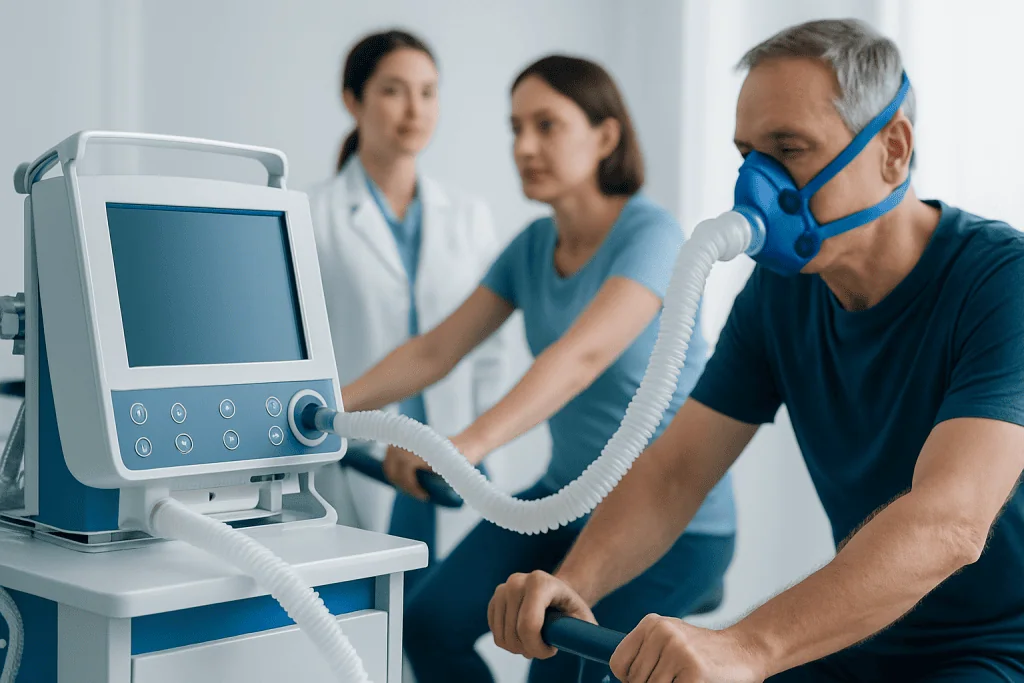
Good cardiorespiratory endurance supports more than exercise sessions. It can make ordinary activities feel easier, such as climbing stairs, carrying groceries, walking through an airport, or keeping up with children. People with stronger aerobic fitness often notice less breathlessness during routine movement and better ability to stay active throughout the day.
From a medical perspective, cardiorespiratory fitness is associated with heart, lung, and metabolic health. While endurance alone does not guarantee freedom from disease, low fitness can be an important clue that the body is deconditioned or that an underlying problem deserves attention. In clinical care, doctors may consider endurance alongside blood pressure, weight, symptoms, and other risk factors.
Endurance also affects recovery and resilience. After illness, surgery, or prolonged inactivity, a drop in aerobic capacity is common. Rebuilding it gradually can improve independence, energy, and quality of life. This is one reason structured rehabilitation and supervised exercise programs may be recommended for some patients.
How the body builds endurance

When a person performs repeated aerobic activity, the body adapts over time. The heart can pump blood more effectively, muscles can develop a richer capillary supply, and cells can become better at using oxygen to produce energy. These changes help the same activity feel easier than it did at the beginning.
Doctors and exercise specialists may describe endurance using terms such as aerobic capacity or VO2 max. VO2 max refers to the maximum amount of oxygen the body can use during intense exercise. It is one way to estimate cardiorespiratory fitness, but it is not the only useful measure. Simpler assessments, such as walking tests, step tests, or the ability to speak comfortably during exercise, can also help gauge functional fitness.
Several factors shape endurance, including age, genetics, training history, sleep, nutrition, medication use, altitude, and the presence of heart or lung disease. Because so many influences are involved, comparing one person with another is less helpful than tracking safe progress over time.
Signs of low cardiorespiratory endurance
Low cardiorespiratory endurance often shows up as early fatigue during activity that should feel manageable for the person’s age and health status. Someone may feel unusually winded when walking uphill, climbing a few flights of stairs, or doing household tasks. Recovery may also take longer after exertion.
Common signs can include:
- Shortness of breath with light or moderate activity
- Needing frequent breaks during walking or exercise
- Rapid heartbeat out of proportion to effort
- Feeling weak or exhausted after routine movement
- Difficulty returning to a normal breathing pattern after activity
These signs do not always mean disease is present. They can reflect deconditioning after a sedentary period, recent illness, obesity, poor sleep, stress, or smoking. However, persistent symptoms should not be ignored, especially if they are new or worsening.
In some cases, reduced endurance may be related to conditions such as coronary artery disease, asthma, chronic obstructive pulmonary disease, anemia, heart rhythm disorders, or heart failure. That is why the pattern of symptoms matters, not just the fitness level itself.
What lowers endurance: common causes and risk factors
The most common reason for reduced cardiorespiratory endurance is simple inactivity. When the body is not challenged regularly, the heart and muscles become less efficient at sustained work. This can happen gradually with desk-based routines, recovery after injury, or long periods of rest.
Other contributors include smoking, excess body weight, poor sleep, chronic stress, dehydration, and some medications. Aging also plays a role, but age-related change is not the whole story. Many older adults maintain strong endurance by staying consistently active and addressing medical conditions early.
Sometimes, low endurance points to an underlying health issue. Examples include high blood pressure, lung disease, poorly controlled diabetes, thyroid disorders, anemia, or a heart problem such as heart failure. In children and younger adults, congenital heart or lung conditions can also affect exercise tolerance. A careful medical assessment helps separate ordinary deconditioning from something that needs treatment.
How doctors assess cardiorespiratory endurance
Assessment usually begins with a medical history and physical examination. A doctor asks about breathlessness, chest discomfort, dizziness, fainting, palpitations, smoking history, medications, activity level, and any known heart or lung conditions. This helps determine whether reduced endurance is most likely related to lifestyle, recovery from illness, or a condition needing further investigation.
Basic testing may include blood pressure measurement, pulse, oxygen level, and sometimes blood tests. Depending on symptoms, the doctor may recommend heart or lung evaluation, such as an electrocardiogram, echocardiography, pulmonary function testing, or exercise testing. If a structural or blood-flow problem is suspected, more advanced evaluation may be considered, including cardiology care.
For exercise-specific assessment, clinicians may use practical tests such as a six-minute walk test, treadmill or bicycle exercise test, or supervised cardiopulmonary exercise testing. These tools can help measure tolerance, monitor improvement, and guide a safe activity plan.
How to improve cardiorespiratory endurance safely
The most reliable way to improve cardiorespiratory endurance is regular aerobic activity performed consistently over time. Brisk walking, cycling, swimming, dancing, low-impact classes, rowing, and jogging can all help. The best option is usually the one a person can do safely and continue long term.
A gradual approach is important. Starting too intensely can lead to discouragement, excessive soreness, or injury. Many people benefit from beginning with short sessions and building duration first, then increasing intensity later. For example, a person may start with several 10-minute walks and progress toward longer continuous sessions as tolerance improves.
Helpful habits include:
- Warming up before activity and cooling down afterward
- Exercising on most days of the week when possible
- Using the “talk test,” where moderate effort still allows conversation
- Adding strength training to support posture, joints, and movement efficiency
- Stopping and seeking advice if warning symptoms occur
Some patients need a more structured or medically supervised plan. After cardiac events, major illness, or surgery, doctors may recommend cardiac rehabilitation or pulmonary rehabilitation. If excess weight is placing a large burden on breathing and movement, comprehensive obesity treatment may also support endurance gains as part of a broader care plan.
When to seek medical care
It is sensible to speak with a doctor if cardiorespiratory endurance drops noticeably without a clear reason, or if breathlessness seems out of proportion to the level of activity. Medical advice is also appropriate for people with known heart disease, lung disease, diabetes, or risk factors such as smoking and high blood pressure before they begin a more intense exercise program.
Urgent medical attention is needed if exercise causes chest pain, pressure, fainting, severe shortness of breath, bluish lips, or a fast or irregular heartbeat that does not settle promptly. These symptoms should not be explained away as simply being “out of shape.”
For ongoing symptoms, multidisciplinary evaluation can help identify whether the cause is deconditioning, a respiratory problem, a cardiovascular issue, or another medical condition. Near the end of the care pathway, it may also be helpful to know that Acibadem International’s multidisciplinary specialists and JCI-accredited hospitals diagnose and treat heart, lung, and exercise-related conditions for international patients.
Frequently asked questions
Is cardiorespiratory endurance the same as stamina?
They are related, but not identical. Stamina is a broad everyday term, while cardiorespiratory endurance specifically describes how well the heart, lungs, blood vessels, and muscles support sustained activity through oxygen delivery and use.
How can someone tell if their cardiorespiratory endurance is improving?
Improvement often shows up in practical ways. Walking the same distance with less breathlessness, recovering faster after exercise, or being able to exercise longer at the same effort are common signs. Formal testing can provide more precise tracking when needed.
What exercises are best for cardiorespiratory endurance?
Aerobic activities that use large muscle groups and can be sustained are usually most effective. Examples include brisk walking, cycling, swimming, jogging, and low-impact aerobic exercise. The best choice depends on the person's health, joint comfort, preferences, and safety.
Can cardiorespiratory endurance improve at any age?
Yes. Although aerobic capacity tends to change with age, the body can still adapt to regular training later in life. Gradual, consistent activity often improves endurance, mobility, and confidence in both younger and older adults.
Does low cardiorespiratory endurance always mean there is a medical problem?
No. It is often caused by inactivity or recent deconditioning. However, if reduced endurance is new, severe, or accompanied by symptoms such as chest pain, dizziness, palpitations, or unusual shortness of breath, medical evaluation is important.
What is VO2 max, and does everyone need to measure it?
VO2 max is a measurement of the maximum amount of oxygen the body can use during intense exercise. It is useful in sports science and some medical assessments, but most people do not need a formal VO2 max test to begin improving fitness safely.
References
- World Health Organization
- American Heart Association
- Centers for Disease Control and Prevention
- American College of Sports Medicine
- National Heart, Lung, and Blood Institute
This article is for general information only and is not a substitute for professional medical advice. Please consult a qualified doctor about your individual situation.
Explore treatments in Turkey — costs, top hospitals & a free quote
JCI-accredited · board-certified surgeons · reply within 24h
Add us as a Preferred Source to see more of our trusted health content across Google Search, AI Overviews and Discover.
Check your numbers in seconds
BMI, calories, due date, blood pressure and 30+ more clinical calculators — free, instant, doctor-reviewed ranges.

More from the Health Library



Related Specialists

Prof. Dr. Memet Özek
Neurosurgery
Dr. Fikret Mert Acar
Cardiology
Assoc. Prof. Dr. Keramettin Yanık
Clinical Laboratory
Assoc. Prof. Dr. Elif Ganime Aygün
Gynecology & Obstetrics