Inspirational Quotes for Chemotherapy Patients: How It Works, Results and What to Expect

Chemotherapy uses medicines that damage or stop the growth of cancer cells and may be used alone or with other treatments. A person’s treatment plan, expected benefits, side effects, and recovery time depend on the cancer type, medicines, dose, and overall health.
Key Takeaways
- Chemotherapy uses medicines that damage or stop the growth of cancer cells and may be used alone or with other treatments.
- A person’s treatment plan, expected benefits, side effects, and recovery time depend on the cancer type, medicines, dose, and overall health.
- Imaging, blood tests, physical examinations, and symptom changes help the oncology team assess whether chemotherapy is working.
- Supportive words are most helpful when they are sincere, specific, and do not pressure a person to feel positive.
- Many side effects improve after treatment ends, although some can last longer and need follow-up care.
Inspirational quotes for chemotherapy patients can provide a small source of encouragement, especially when they acknowledge that strength may include resting, asking for help, and taking one day at a time. Chemotherapy is a medical cancer treatment with individualized goals, side effects, monitoring, and recovery needs that should be discussed with the oncology team.
Inspirational Quotes for Chemotherapy Patients: Support Alongside Care
Inspirational quotes for chemotherapy patients can be meaningful when they offer compassion without minimizing the difficulty of cancer treatment. A short message may help someone feel seen on a treatment day, during a period of fatigue, or while waiting for results. Quotes do not replace medical care, but they can complement practical help, trusted relationships, and support from an oncology team.
Examples of gentle, realistic encouragement include: “You do not have to be brave every moment; you only have to get through this moment.” “Rest is part of the work you are doing.” “You are more than your diagnosis and more than today’s treatment.” “One day at a time is enough.” A person may prefer a handwritten note, a text message, a favorite song, quiet company, or no conversation at all.
Chemotherapy can bring physical and emotional changes that vary greatly from one person to another. Understanding how treatment is planned, monitored, and supported can help patients and families prepare for the weeks or months ahead. Any new, severe, or worrying symptom should be discussed promptly with the cancer care team.
How Chemotherapy Works
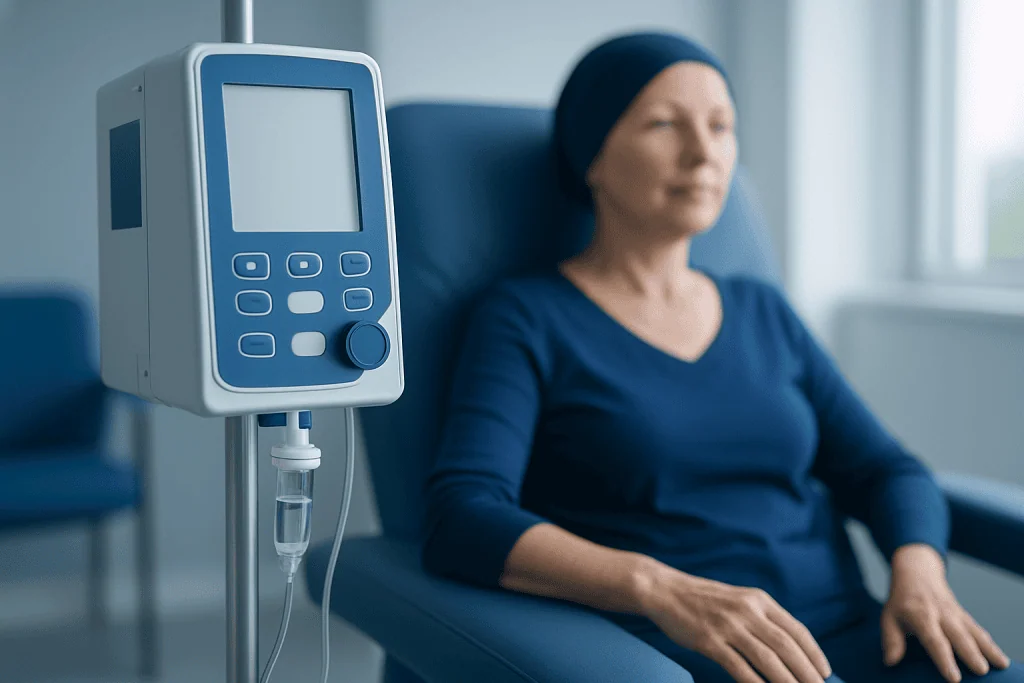
Chemotherapy is a group of medicines used to treat cancer. These medicines circulate through the bloodstream or act in specific parts of the body to damage cancer cells, slow their growth, or prevent them from dividing. Because cancer cells often grow more quickly than many normal cells, they can be particularly sensitive to chemotherapy. However, some healthy rapidly dividing cells can also be affected, which contributes to side effects.
Depending on the diagnosis, chemotherapy may be given to cure cancer, reduce the chance that cancer returns after surgery, shrink a tumor before surgery or radiation therapy, control cancer growth, or relieve symptoms. It may be delivered through a vein, as tablets or capsules, by injection, or directly into a body area in selected situations. The treatment plan is individualized and may include cycles of treatment followed by recovery periods.
Chemotherapy is often one part of a broader cancer plan. Other approaches may include surgery, radiation therapy, targeted therapy, immunotherapy, hormone therapy, and supportive or palliative care. The choice depends on the cancer’s type, stage, molecular features when relevant, prior treatment, and the patient’s health and personal priorities.
Who May Be a Candidate for Chemotherapy?
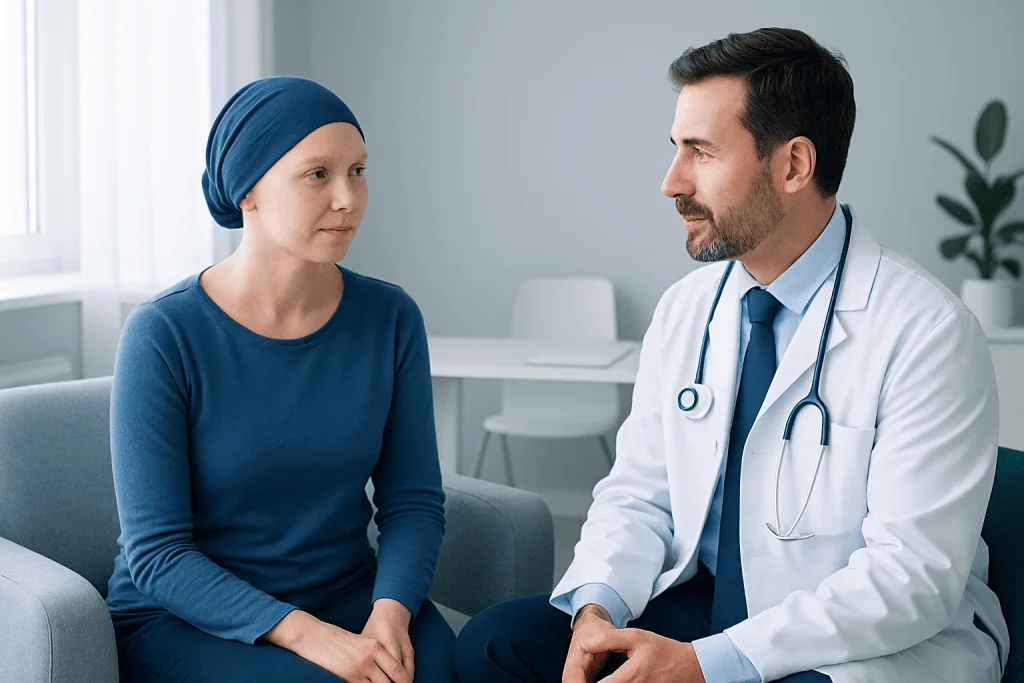
A medical oncologist considers chemotherapy when evidence shows it may provide benefit for a particular cancer. Some people receive it soon after diagnosis; others receive it before or after another treatment. It is also possible that chemotherapy is not the most appropriate option, particularly when another systemic treatment is likely to work better or when its possible harms outweigh expected benefit.
Before treatment begins, the care team reviews pathology results, imaging, medical history, current medicines, allergies, organ function, and blood counts. Discussions usually cover treatment goals, possible alternatives, likely side effects, fertility considerations, work and family needs, and the person’s preferences. Older age alone does not determine candidacy; overall health, daily functioning, and individual risks are more important.
Some people need adjustments to timing, medicine choice, or dose because of low blood counts, kidney or liver problems, infection, pregnancy, existing nerve damage, or other health concerns. Patients should tell their team about vitamins, herbal products, and non-prescription medicines, as some may interact with cancer treatments. An informed conversation can help a patient decide whether the expected benefits align with their goals.
What Happens During Chemotherapy Treatment?
Before each cycle, patients commonly have a review of symptoms and may have blood tests to check blood cell counts and organ function. The oncology team confirms that it is safe to proceed and may modify the plan if side effects or test results indicate a need. Medicines to help prevent nausea, allergic reactions, or other treatment-related problems may be given before chemotherapy.
For intravenous treatment, a nurse places a small tube in a vein or accesses a device such as a port if one has been inserted. The medicines are administered over a timeframe that depends on the regimen. Staff monitor for reactions during treatment, and patients can report burning, pain, itching, dizziness, shortness of breath, or any other unexpected symptom immediately.
After treatment, the team provides written instructions about medicines, fluids, food, activity, infection precautions, and symptoms requiring urgent contact. A treatment diary can help patients track fatigue, temperature, bowel changes, nausea, appetite, pain, and other symptoms between visits. Chemotherapy treatment should always be delivered and monitored by an experienced oncology team.
Many treatment plans involve repeated cycles. The interval allows healthy tissues time to recover while continuing to target cancer cells. Appointment schedules, scans, and laboratory monitoring vary, so patients should rely on their own treatment calendar rather than comparing their experience with someone else’s.
Benefits, Risks, and Recovery Timeline
The main potential benefit of chemotherapy is its ability to reduce or eliminate cancer cells, lower recurrence risk in some settings, slow cancer growth, or improve cancer-related symptoms. The expected result differs by cancer type and treatment purpose. The oncologist can explain what response is realistic, what tests will be used to assess it, and when those results may become available.
Side effects can include tiredness, nausea or vomiting, appetite changes, mouth sores, diarrhea or constipation, hair thinning or loss, skin or nail changes, low blood counts, infection risk, and changes in concentration or memory. Certain medicines may also affect nerves, the heart, lungs, kidneys, hearing, or fertility. Not everyone develops the same effects, and many symptoms can be prevented, reduced, or treated with supportive care.
Recovery is not identical for every patient. Some effects settle within days or weeks after a cycle, while blood counts may take time to recover and energy can return gradually over weeks to months after the final treatment. Hair often regrows after treatment, although its texture or color may initially differ. Some effects, including nerve symptoms, early menopause, fertility changes, or organ-specific effects, may persist and require ongoing care.
Regular follow-up matters after chemotherapy ends. It allows clinicians to monitor recovery, manage late effects, provide surveillance for cancer when appropriate, and address emotional wellbeing. A balanced diet, gentle activity when approved, sleep, hydration, and rehabilitation support can all be useful parts of recovery.
What Are Some Signs That Chemotherapy Is Working?
Possible signs that chemotherapy is working may include improvement in symptoms caused by the cancer, such as less pain, easier breathing, reduced swelling, improved appetite, or better energy. In some cases, a visible or palpable tumor becomes smaller. However, symptom changes alone cannot reliably show whether treatment is working, because symptoms can also change for other reasons and treatment itself can cause fatigue or discomfort.
The most dependable assessment comes from the oncology team. Depending on the cancer, they may use physical examinations, blood tests, tumor markers when appropriate, CT, MRI, PET, ultrasound, or other imaging studies. Results may show that cancer has shrunk, remained stable, or progressed. In some situations, scans are intentionally scheduled after several cycles because early testing may not give a clear answer.
It is important not to assume that difficult side effects mean chemotherapy is more effective, or that few side effects mean it is not working. Side effects reflect how healthy tissues respond to medicines, not necessarily how well cancer cells are responding. Patients should ask their oncologist when and how their response will be evaluated.
What Is a Good Prayer for Cancer Patients to Receive Healing?
Prayer can be a source of comfort for people who hold spiritual or religious beliefs. A good prayer is personal and can focus on peace, strength, healing, wisdom for the care team, and support for loved ones. It should respect the patient’s own faith, language, and preferences rather than assuming what they believe.
One simple example is: “May you be surrounded by peace, strength, and loving support. May your care bring comfort and healing, and may each day bring the help you need.” A faith leader, chaplain, spiritual care professional, family member, or trusted friend may be able to offer support if the patient wishes.
Spiritual care can sit alongside evidence-based cancer treatment and emotional support. If a person feels frightened, low in mood, overwhelmed, or isolated, speaking with the oncology team can help connect them with counseling, social work, support groups, or palliative care services. Seeking emotional support is a normal part of comprehensive cancer care.
What to Say to Someone Going Through Chemo Treatments?
Helpful words are usually simple, honest, and centered on the person’s needs. Examples include: “I am thinking of you today.” “I am here with you.” “Would it help if I brought a meal, drove you to an appointment, or sat with you?” “You do not need to reply; I just wanted you to know I care.” Specific offers can be easier to accept than a general request to “let me know if you need anything.”
It can also help to listen without trying to fix the situation. A person having chemotherapy may want to talk about cancer, everyday life, fears, or something completely unrelated. Following their lead, remembering important dates, and checking in after treatment can communicate steady support.
Comments that pressure someone to be positive, compare their experience with someone else’s, or make promises about outcomes can feel burdensome even when well intended. Instead of saying “Everything happens for a reason” or “You are so strong,” it may be more supportive to say, “This sounds hard,” or “You do not have to go through this alone.”
Does Your Body Ever Fully Recover From Chemotherapy?
Many people recover substantially after chemotherapy, and numerous short-term side effects improve once treatment is complete. The extent and pace of recovery depend on the medicines used, total treatment exposure, the person’s age and health, other cancer treatments, and whether there were complications. Some patients feel closer to their usual selves within weeks, while others need months or longer.
Some chemotherapy-related effects can be long-lasting or permanent. These may include numbness or tingling from nerve damage, changes in fertility or menstrual cycles, early menopause, ongoing fatigue, concentration difficulties, or effects on particular organs. The care team can explain risks related to the specific regimen and arrange assessments or referrals when symptoms continue.
Recovery is more than the end of treatment. Follow-up visits can address physical symptoms, nutrition, sleep, emotional health, sexual health, rehabilitation, return to work, and fear of recurrence. Patients should report persistent symptoms rather than assuming they must simply live with them. Supportive treatments and rehabilitation strategies may improve quality of life.
When to Seek Medical Care
Patients receiving chemotherapy should follow the urgent-contact instructions provided by their own cancer team. They should contact the team promptly for fever or chills, signs of infection, new shortness of breath, chest pain, uncontrolled vomiting or diarrhea, inability to drink fluids, severe weakness, confusion, unusual bleeding or bruising, severe pain, or a rapidly worsening symptom. Fever during chemotherapy can be especially important because low white blood cell counts may reduce the body’s ability to fight infection.
Emergency care may be needed for severe breathing difficulty, chest pain, fainting, sudden confusion, uncontrolled bleeding, or signs of a severe allergic reaction such as facial swelling or trouble breathing. Patients should not wait for a routine appointment if they are concerned. If they are unsure whether a symptom is urgent, calling the oncology service is the safest choice.
Acibadem International’s multidisciplinary specialists and JCI-accredited hospitals support international patients with cancer diagnosis, chemotherapy planning, treatment, and follow-up care. Individualized guidance from a qualified oncology team remains essential throughout treatment and recovery.
Frequently asked questions
Can inspirational quotes help a person cope with chemotherapy?
Inspirational quotes may offer comfort, validation, and a sense of connection, particularly when they acknowledge that treatment can be difficult. They are most helpful when they match the person’s personality and do not imply that they must be positive all the time. Emotional support, counseling, and clear communication with the care team are also valuable.
How long does a chemotherapy session take?
The length of a session varies widely by treatment regimen and method of delivery. Some treatments take a short time, while others require several hours or longer observation. The oncology team can provide an accurate estimate for the individual treatment plan.
Will chemotherapy always cause hair loss?
No. Hair loss depends on the medicines, dose, and schedule used. Some chemotherapy medicines cause little or no hair loss, while others may lead to thinning or more complete loss. The oncology team can explain what is expected and discuss available supportive options.
Can chemotherapy side effects be managed?
Many side effects can be prevented, reduced, or treated with medicines, nutrition support, activity adjustments, and other supportive care. Patients should report symptoms early, rather than waiting until the next appointment. The care team may adjust treatment or provide additional support when needed.
Is it safe to be around family during chemotherapy?
In most cases, it is safe to be around family and friends, but infection prevention can be especially important if blood counts are low. Patients may be advised to avoid close contact with people who are sick and to follow hand hygiene guidance. The oncology team can provide recommendations based on blood test results and treatment type.
When should chemotherapy patients call their oncology team?
They should call for fever, chills, symptoms of infection, persistent vomiting or diarrhea, dehydration, unusual bleeding, severe pain, breathing changes, or any symptom that feels sudden or serious. Each treatment center provides specific contact guidance, including after-hours instructions. When in doubt, it is appropriate to call.
References
- American Cancer Society
- National Cancer Institute
- American Society of Clinical Oncology
- Cancer Research UK
- World Health Organization
This article is for general information only and is not a substitute for professional medical advice. Please consult a qualified doctor about your individual situation.
Chemotherapy in Turkey — costs, top hospitals & a free quote
JCI-accredited · board-certified surgeons · reply within 24h
Add us as a Preferred Source to see more of our trusted health content across Google Search, AI Overviews and Discover.