Laparoscopic Gallbladder Surgery: Removing the Gallbladder Safely
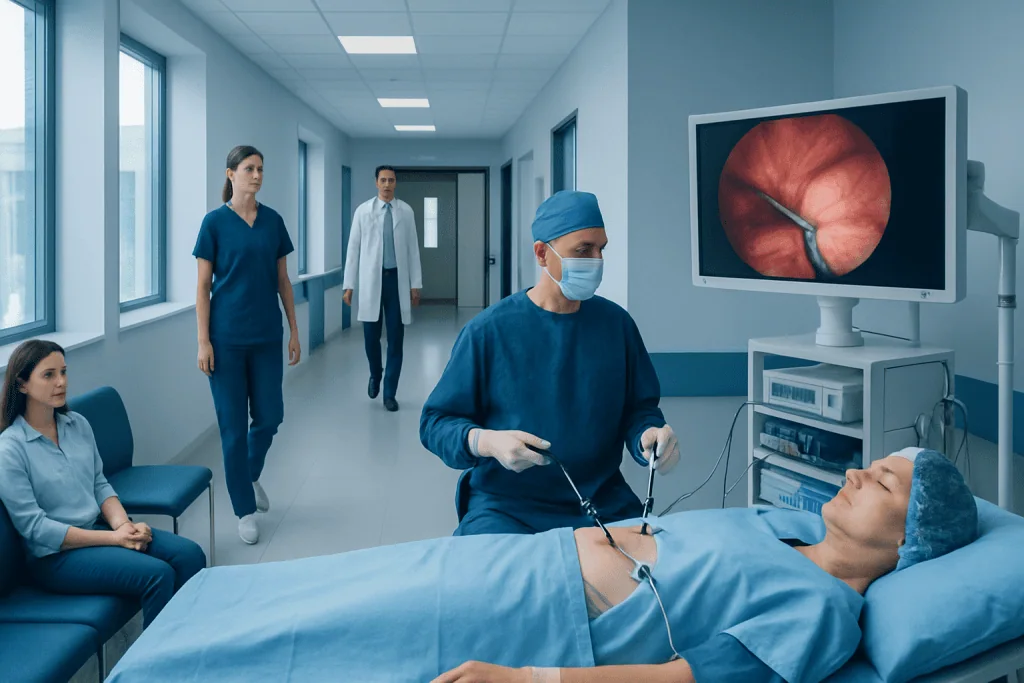
Laparoscopic gallbladder surgery is commonly used to treat symptomatic gallstones and gallbladder inflammation. The operation is performed through small abdominal incisions using a camera and specialized instruments.
Key Takeaways
- Laparoscopic gallbladder surgery is commonly used to treat symptomatic gallstones and gallbladder inflammation.
- The operation is performed through small abdominal incisions using a camera and specialized instruments.
- Most people can digest food without a gallbladder, although temporary diet adjustments may be helpful after surgery.
- Possible risks include bleeding, infection, bile leakage, bile duct injury, blood clots, and conversion to open surgery when needed for safety.
- Patients should seek urgent medical advice for fever, worsening pain, jaundice, persistent vomiting, or signs of wound infection after surgery.
Laparoscopic gallbladder surgery, also called laparoscopic cholecystectomy, is a minimally invasive operation to remove the gallbladder when it causes pain, inflammation, or complications. Most people can live well without a gallbladder, and careful diagnosis, surgical planning, and follow-up help support a safe recovery.
Overview
Laparoscopic gallbladder surgery is the removal of the gallbladder through several small cuts in the abdomen. The medical name is laparoscopic cholecystectomy. It is most often performed when gallstones cause repeated pain, inflammation, infection, or blockage of bile flow.
The gallbladder is a small pouch under the liver. It stores bile, a digestive fluid made by the liver that helps break down fats. When the gallbladder is removed, bile still flows from the liver into the small intestine, so digestion can usually continue without major long-term problems.
Compared with traditional open surgery, the laparoscopic approach usually involves smaller incisions, less wound discomfort, a shorter hospital stay, and a faster return to daily activities. However, it is still real surgery and requires anesthesia, careful preparation, and appropriate follow-up with a qualified surgical team.
When Gallbladder Removal Is Recommended
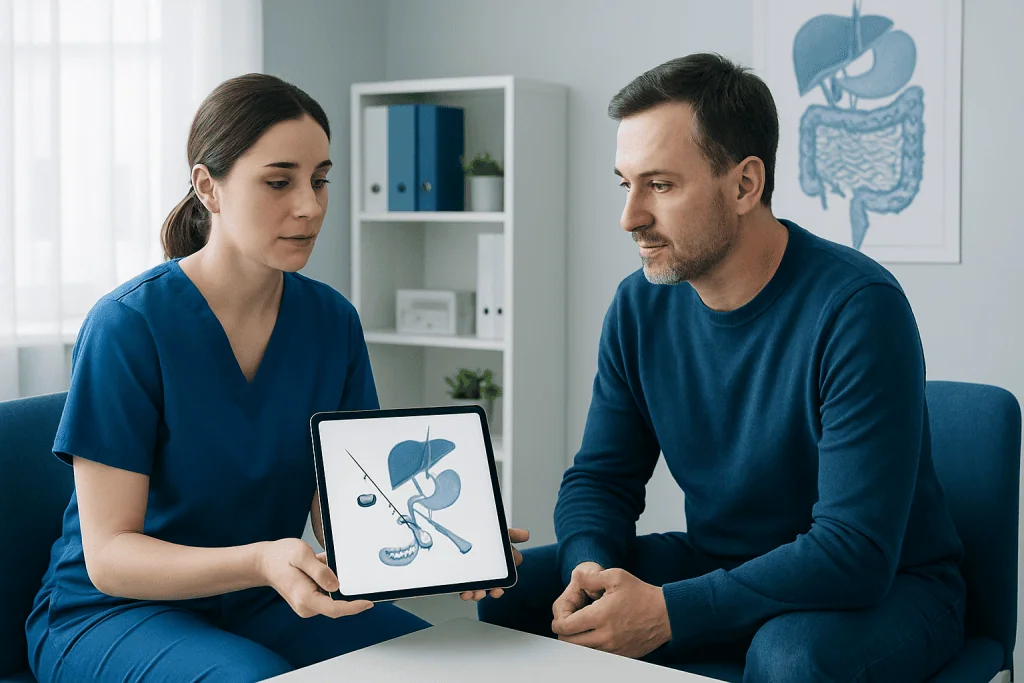
Not every person with gallstones needs surgery. Many gallstones are discovered incidentally during imaging for another reason and may never cause symptoms. Surgery is usually considered when gallstones or gallbladder disease cause clear symptoms or complications.
A typical symptom is biliary colic, which is pain in the upper right or upper middle abdomen that may occur after meals and can radiate to the back or right shoulder. Pain may last from minutes to several hours. Nausea, vomiting, bloating, and intolerance of fatty meals may also occur, although these symptoms can have many causes.
Doctors may recommend gallbladder removal for conditions such as:
- Repeated gallstone attacks that affect quality of life
- Acute cholecystitis, meaning inflammation of the gallbladder
- Gallstones that block the bile duct or contribute to jaundice
- Gallstone-related pancreatitis after the acute episode is managed
- Gallbladder polyps or other findings that require surgical assessment
The decision depends on symptoms, imaging results, blood tests, overall health, age, pregnancy status when relevant, and the risk of future complications. A surgeon explains the expected benefits and risks so the patient can make an informed decision.
How the Procedure Is Performed
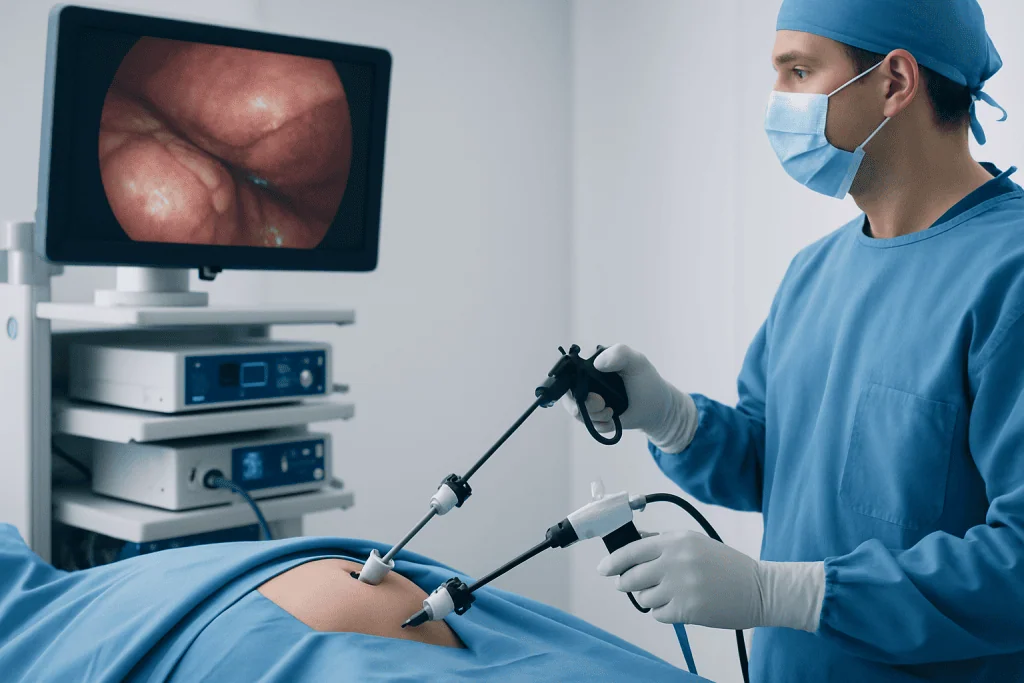
Laparoscopic gallbladder surgery is usually performed under general anesthesia, so the patient is asleep and does not feel pain during the operation. The surgeon makes several small incisions in the abdomen. Carbon dioxide gas is used to gently inflate the abdomen, creating space to see and work safely.
A thin camera called a laparoscope is inserted through one incision and displays a magnified view on a monitor. Specialized instruments are inserted through the other small openings. The surgeon carefully identifies the gallbladder, cystic duct, and cystic artery, then clips and divides the necessary structures before separating the gallbladder from the liver bed and removing it through one of the incisions.
In some cases, imaging of the bile ducts may be performed during surgery if there is concern about stones in the common bile duct or unclear anatomy. If the surgeon cannot proceed safely through the laparoscopic approach because of inflammation, scar tissue, bleeding, or anatomical uncertainty, the operation may be converted to an open procedure. Conversion is not a complication by itself; it is a safety decision.
After removal, the incisions are closed with stitches, skin adhesive, or small dressings. The gallbladder is often sent to pathology for examination. The patient is then monitored in the recovery area while anesthesia wears off.
Preparation Before Surgery
Preparation begins with a medical evaluation. This may include a physical examination, review of symptoms, ultrasound or other imaging, blood tests, and assessment of anesthesia fitness. Patients should tell their healthcare team about all prescription medicines, over-the-counter products, supplements, allergies, previous operations, bleeding problems, and any history of reactions to anesthesia.
Some medications, especially blood thinners, diabetes medicines, and certain anti-inflammatory drugs, may need special instructions before surgery. Patients should not stop or change medicines without medical advice. Smoking, if applicable, should be discussed because it can affect wound healing and anesthesia safety.
Patients are usually asked not to eat or drink for a specific period before anesthesia. They may receive instructions about bathing, arrival time, transportation, and whether they can go home the same day. Because anesthesia and pain medicines can affect alertness, patients generally need a responsible adult to accompany them after discharge.
It is helpful to prepare the home for recovery by arranging easy meals, loose clothing, and a comfortable place to rest. Patients should also understand which symptoms are expected after surgery and which require prompt medical contact.
Benefits, Risks, and Safety Considerations
The main benefit of laparoscopic gallbladder surgery is that it treats the source of gallstone-related gallbladder pain and helps prevent future gallbladder attacks. For many patients, the minimally invasive approach offers faster mobility, smaller scars, and less postoperative wound discomfort than open surgery.
All surgery has risks. Possible risks include bleeding, infection, injury to nearby organs, bile leakage, bile duct injury, retained bile duct stones, hernia at an incision site, blood clots, and complications related to anesthesia. These events are uncommon, but they are important to discuss before the procedure. The risk level varies depending on inflammation, previous abdominal surgery, body weight, other medical conditions, and the urgency of surgery.
A key safety step is correct identification of the bile duct anatomy before clipping and cutting. Surgeons use established techniques and may use additional imaging or convert to open surgery if needed. Patients can support safety by sharing accurate medical history, following fasting and medication instructions, and attending follow-up appointments.
For some people, alternative or additional treatments may be needed. If a stone is lodged in the common bile duct, an endoscopic procedure called ERCP may be performed before, during, or after gallbladder surgery. The best sequence depends on the patient’s test results and clinical condition.
Recovery and Aftercare
Recovery varies from person to person. Many patients go home the same day or after a short hospital stay, depending on the reason for surgery and overall health. Mild to moderate discomfort around the incisions, shoulder-tip discomfort from the gas used during laparoscopy, bloating, tiredness, and mild nausea can occur in the first days.
Doctors usually encourage gentle walking soon after surgery because movement helps circulation and reduces stiffness. Heavy lifting, strenuous exercise, and driving should be avoided until the surgeon says it is safe. Driving is usually not appropriate while taking medicines that cause drowsiness or while movement is painful.
Wound care instructions should be followed carefully. Patients should keep dressings clean and dry as directed and avoid soaking the wounds until cleared by the healthcare team. A follow-up visit is used to check healing, review pathology results if applicable, and answer questions about returning to work, exercise, and normal activities.
Diet after gallbladder removal is often advanced gradually. Many people start with light meals and return to a usual diet as tolerated. Temporary loose stools, gas, or sensitivity to high-fat meals can occur. Eating smaller meals, choosing lean proteins, whole grains, fruits, vegetables, and limiting very greasy foods may help during recovery.
Living Without a Gallbladder
The gallbladder stores bile, but it does not produce it. After gallbladder removal, the liver continues to make bile, which drains directly into the small intestine. Most people adapt well and do not need long-term medication or a highly restrictive diet solely because the gallbladder has been removed.
Some patients notice changes in digestion, especially in the early weeks. Fatty meals may trigger bloating, urgency, or loose stools. These symptoms often improve as the digestive system adjusts. If diarrhea is persistent, severe, or affecting daily life, a doctor can evaluate for other causes and recommend appropriate treatment.
Healthy eating remains important. A balanced diet with adequate fiber, hydration, and moderate portions of fat can support digestion and general health. Patients with other conditions, such as diabetes, liver disease, inflammatory bowel disease, or pancreatitis, should follow individualized nutrition advice from their clinician or dietitian.
When to See a Doctor
Before surgery, anyone with repeated upper abdominal pain, especially after meals, should seek medical evaluation rather than assuming the cause is gallbladder disease. Similar symptoms can occur with reflux, ulcers, pancreatitis, liver conditions, heart problems, and other digestive disorders.
After laparoscopic gallbladder surgery, patients should contact their doctor promptly if they develop fever, chills, worsening abdominal pain, persistent vomiting, increasing redness or drainage from an incision, yellowing of the skin or eyes, dark urine, pale stools, chest pain, shortness of breath, calf swelling, or inability to eat or drink.
Follow-up care is an important part of safe recovery. Acibadem International’s multidisciplinary specialists and JCI-accredited hospitals diagnose and treat gallbladder disease for international patients, including evaluation, surgery, and postoperative guidance when appropriate. Patients should always seek care from qualified healthcare professionals who can assess their individual situation.
Frequently asked questions
Is laparoscopic gallbladder surgery a major operation?
It is a common minimally invasive operation, but it is still surgery under general anesthesia. It requires careful evaluation, sterile technique, and monitoring for possible complications. Most patients recover well, but individual risk depends on overall health and the severity of gallbladder disease.
Can a person live normally without a gallbladder?
Yes. The liver continues to make bile after the gallbladder is removed, and bile flows directly into the small intestine. Some people need temporary diet adjustments, especially reducing very fatty meals during early recovery.
How long does recovery take after laparoscopic gallbladder removal?
Many people return to light daily activities within a few days, but recovery time varies. Strenuous exercise, heavy lifting, and driving should wait until the surgeon confirms it is safe. People with severe inflammation or complications may need a longer recovery.
Will gallstones come back after the gallbladder is removed?
Gallstones in the gallbladder cannot come back because the gallbladder has been removed. Rarely, stones may remain in or form within the bile ducts, which can cause symptoms and may require additional treatment. New pain or jaundice after surgery should be assessed by a doctor.
What foods should be avoided after gallbladder surgery?
There is no single diet required for everyone. In the first weeks, it may help to eat smaller meals and limit greasy, fried, or very high-fat foods if they cause symptoms. A balanced diet can usually be resumed gradually as tolerated.
Why might laparoscopic surgery be changed to open surgery?
A surgeon may convert to open surgery if inflammation, scar tissue, bleeding, or unclear anatomy makes the laparoscopic approach unsafe. This decision is made to protect the patient and allow better visibility or control. It does not mean the surgery has failed.
References
- World Society of Emergency Surgery
- Society of American Gastrointestinal and Endoscopic Surgeons
- National Institute of Diabetes and Digestive and Kidney Diseases
- American College of Surgeons
- European Association for the Study of the Liver
This article is for general information only and is not a substitute for professional medical advice. Please consult a qualified doctor about your individual situation.
Explore treatments in Turkey — costs, top hospitals & a free quote
JCI-accredited · board-certified surgeons · reply within 24h

More from the Health Library



Related Specialists

Prof. Dr. Kübra Eren Bozdağ
Dermatology
Dr. Şenay Olguner
Anesthesiology
Dr. Safiye Sayilir
Physical Medicine & Rehabilitation
Dr. Derya Uyan
Gynecology & Obstetrics