Lumbar Pulled Muscle: An Evidence-Based Guide for Patients

A lumbar pulled muscle usually means a lower back muscle or tendon strain, not a slipped disc. Pain often starts after lifting, bending, twisting, sports, or an awkward movement and may include stiffness or spasm.
Key Takeaways
- A lumbar pulled muscle usually means a lower back muscle or tendon strain, not a slipped disc.
- Pain often starts after lifting, bending, twisting, sports, or an awkward movement and may include stiffness or spasm.
- Most people improve with relative rest, gentle activity, heat or ice, and medical advice when needed.
- Numbness, leg weakness, fever, severe trauma, or bowel or bladder changes need prompt medical assessment.
- Prevention focuses on body mechanics, core strength, flexibility, and gradual return to activity.
A lumbar pulled muscle is usually a strain of the muscles or tendons in the lower back. It often causes pain, stiffness, and muscle spasm after lifting, twisting, overuse, or sudden movement, and most cases improve with conservative care over days to weeks.
Overview: What a Lumbar Pulled Muscle Means
A lumbar pulled muscle usually refers to a strain in the muscles or tendons of the lower back. In everyday language, “pulled muscle” describes tiny overstretching or tearing of soft tissue, often caused by lifting, twisting, sudden effort, or repeating the same movement too often. The lumbar area is the lower part of the spine, and because it supports much of the body’s weight, it is a common place for strain.
For many patients, this type of injury is painful but not dangerous. It can cause soreness, tightness, difficulty straightening up, and muscle spasm, especially in the first few days. Although the pain may feel intense, a lumbar pulled muscle is different from other causes of back pain such as a herniated disc, fracture, kidney problem, or inflammatory disease.
Understanding that not all lower back pain is the same can help patients choose the right next step. A muscle strain often improves with time and self-care, while pain that travels below the knee, causes numbness, or follows a major injury may need a different evaluation. In persistent or unclear cases, doctors may also assess related spine conditions such as lumbar disc problems or other mechanical causes of back pain.
Symptoms and How It Feels
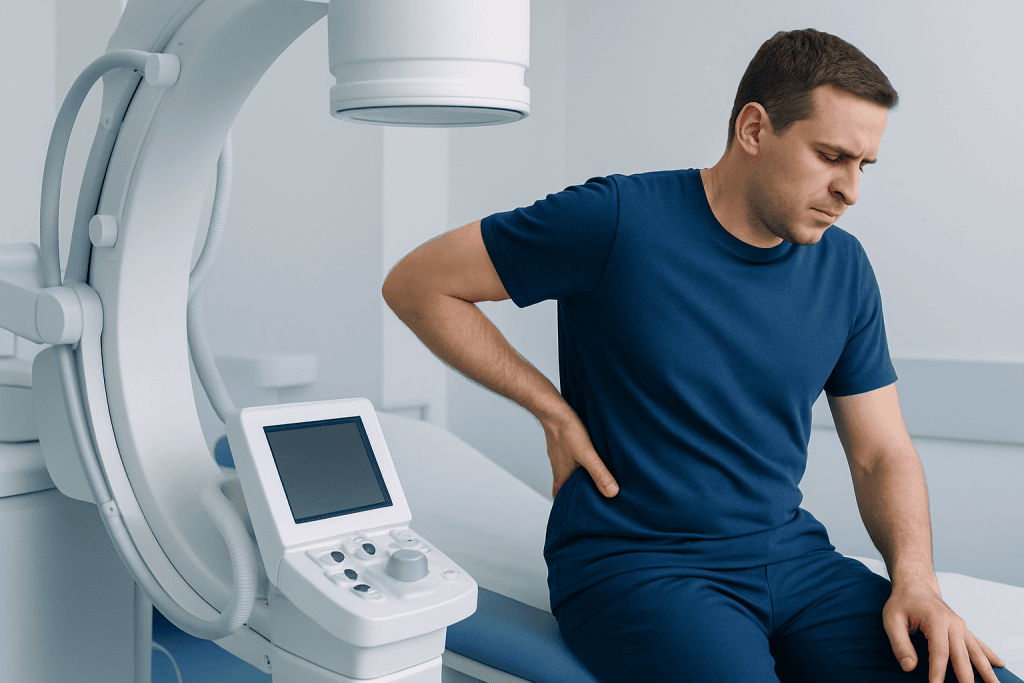
The most common symptom of a lumbar pulled muscle is pain in the lower back that starts suddenly or within hours after activity. Some people can point to a specific event, such as lifting a heavy box, reaching awkwardly, or standing up after bending. Others notice pain after sports, long periods of physical work, or an unusual exercise session.
The pain is often localized to the lower back and may feel sharp at first, then become aching or tight. Many patients also describe stiffness, tenderness when pressing the area, and muscle spasm. It may hurt more with bending, twisting, standing up from a chair, coughing, or changing position in bed.
Unlike nerve-related pain, a simple muscle strain usually does not cause significant numbness, tingling, or true weakness in the leg. Mild discomfort into the buttock can happen because nearby muscles tighten, but pain that clearly radiates down the leg may suggest another issue, including sciatica. Because symptoms can overlap, persistent or worsening pain should be reviewed by a qualified clinician.
- Localized lower back pain
- Stiffness and reduced range of motion
- Muscle spasm or a “locked up” feeling
- Pain that worsens with movement
- Tenderness over the affected muscles
Causes and Risk Factors

A lumbar pulled muscle happens when back muscles or tendons are stretched beyond what they can comfortably tolerate. This may occur during lifting, twisting while carrying weight, sudden acceleration in sport, slipping without fully falling, or even a forceful cough in a vulnerable back. Repetitive strain can also build up over time, especially in jobs or activities that involve frequent bending, reaching, or prolonged awkward posture.
Risk factors often include deconditioning, weak core muscles, tight hamstrings or hip muscles, poor lifting mechanics, and returning too quickly to intense activity after being inactive. Fatigue matters as well. Tired muscles provide less support to the spine, making a strain more likely during ordinary tasks.
Age-related changes can play a role too, although a pulled muscle can happen at any age. People with previous back pain may be more likely to develop another episode, not necessarily because of serious damage, but because the back becomes more sensitive and movement patterns may change. Excess body weight, smoking, and long periods of sitting may also contribute to back strain risk over time.
How Doctors Diagnose a Lumbar Muscle Strain
Diagnosis usually begins with the story of how the pain started and a focused physical examination. A doctor typically asks when the pain began, what movement triggered it, where it hurts, whether it radiates to the leg, and whether there are red-flag symptoms such as fever, unexplained weight loss, numbness, or bowel or bladder changes. This history often gives the most important clues.
During the examination, the clinician checks posture, spinal movement, tenderness, reflexes, strength, and sensation. In a straightforward lumbar pulled muscle, the exam may show pain with movement and tight muscles but normal nerve function. This helps distinguish a simple strain from a nerve compression problem, spinal instability, or another medical cause.
Imaging is not always needed. X-rays do not show muscles well and are mainly used when fracture or structural problems are suspected. MRI or other scans may be considered if symptoms are severe, do not improve as expected, or suggest a condition other than a soft-tissue strain. If pain is ongoing or the diagnosis is uncertain, evaluation by specialists in orthopedics and traumatology or physical therapy and rehabilitation can help guide care.
Treatment and Recovery
Most lumbar muscle strains are treated conservatively. In the first 24 to 72 hours, relative rest can help, but complete bed rest is usually discouraged because it may worsen stiffness and slow recovery. Gentle walking and light daily movement are often better tolerated than staying still for long periods. Some people prefer ice early on for soreness, while others find heat more helpful once muscle spasm and stiffness become prominent.
Over-the-counter pain relievers may reduce discomfort for some patients, if a doctor or pharmacist says they are appropriate based on medical history. The best approach is usually short-term symptom relief combined with gradual return to normal movement. Stretching should be gentle, not forced, and exercise should not sharply increase pain.
As the acute pain settles, rehabilitation becomes important. Targeted exercises may improve flexibility, core support, hip mobility, and movement patterns that protect the lower back. A clinician may suggest physical therapy and rehabilitation for guided recovery, especially if the pain is recurrent or limiting work, sport, or sleep. In selected cases where symptoms are more complex or prolonged, a broader review by spine specialists may be considered to rule out other causes.
Recovery time varies. Mild strains may improve within several days, while more significant strains can take a few weeks. It is common for pain to improve before stiffness fully resolves. Returning to heavy lifting or high-impact sports too early can delay healing, so activity is usually increased step by step.
Self-Care and Prevention
Self-care aims to calm pain without making the back deconditioned. Helpful measures often include staying gently active, using supportive positions when sitting or sleeping, and avoiding sudden heavy lifting during the painful phase. Some patients feel better placing a pillow under the knees when lying on the back or between the knees when lying on the side.
Prevention focuses less on any single “perfect” posture and more on overall back resilience. Regular exercise that strengthens the trunk, hips, and legs can reduce strain during daily tasks. Flexibility in the hips and hamstrings may also improve movement patterns that otherwise overload the lower back.
Practical lifting habits matter. Keeping an object close to the body, avoiding twisting while carrying, and sharing loads when possible can reduce stress on the lumbar muscles. For desk-based work, breaking up long periods of sitting and adjusting workstation height may help. People with repeated episodes of lower back pain may benefit from a structured program designed by rehabilitation professionals.
- Resume movement gradually rather than staying in bed
- Use heat or ice based on comfort and advice from a clinician
- Build core, hip, and leg strength over time
- Practice safer lifting and carrying techniques
- Increase exercise intensity gradually after recovery
When to Seek Medical Care
Many cases of lumbar pulled muscle improve without urgent treatment, but some symptoms should not be ignored. Medical care is appropriate if the pain is severe, follows a fall or other trauma, or keeps getting worse instead of gradually improving. It is also sensible to seek advice if pain persists beyond a couple of weeks, repeatedly returns, or interferes with daily function.
Prompt assessment is important if lower back pain comes with numbness, weakness, loss of balance, pain shooting below the knee, fever, unexplained weight loss, or a history of cancer, osteoporosis, or immune suppression. Changes in bladder or bowel control, or numbness in the groin or saddle area, need urgent attention because they can signal a more serious spinal problem.
For international patients who need further assessment, Acibadem International’s multidisciplinary specialists in JCI-accredited hospitals diagnose and treat back and spine conditions using coordinated medical, rehabilitation, and imaging services. Even so, the best next step depends on the individual pattern of symptoms, so a qualified doctor should guide diagnosis and treatment.
Frequently asked questions
How do patients know if it is a lumbar pulled muscle or something more serious?
A lumbar pulled muscle often causes localized lower back pain, stiffness, and spasm after lifting, twisting, or overuse. More serious causes may be suggested by numbness, leg weakness, pain radiating below the knee, fever, major trauma, or bowel or bladder changes. A doctor can assess these symptoms and decide whether further tests are needed.
How long does a lumbar pulled muscle take to heal?
Many mild strains improve within several days to two weeks, while moderate strains may take a few weeks. Recovery depends on the severity of the strain, physical conditioning, and whether the person returns to heavy activity too soon. Pain may ease before full flexibility and confidence in movement return.
Is walking good for a pulled lower back muscle?
Gentle walking is often helpful because it keeps the back moving without excessive strain. It can reduce stiffness and support circulation during recovery. The pace and distance should stay comfortable, and activity should be reduced if it clearly worsens pain.
Should heat or ice be used for a lumbar pulled muscle?
Both can help, and comfort often guides the choice. Ice may feel better early after the injury when soreness is prominent, while heat is often preferred for tightness and muscle spasm. A clinician can advise what is most suitable based on symptoms and medical history.
Can a lumbar pulled muscle cause leg pain?
A simple muscle strain may cause some discomfort into the buttock or upper thigh because surrounding muscles tighten. Clear shooting pain, tingling, or numbness down the leg is less typical and may suggest nerve irritation instead. If leg symptoms are significant or progressive, medical assessment is recommended.
When should exercise start again after a pulled lower back muscle?
Light movement usually starts early, often within the first days, as tolerated. More structured strengthening and stretching are commonly added once severe pain begins to settle. A gradual return is important, and a physical therapist can help plan safe progression.
References
- National Institute of Arthritis and Musculoskeletal and Skin Diseases
- American Academy of Orthopaedic Surgeons
- National Institute for Health and Care Excellence
- American College of Physicians
- MedlinePlus
This article is for general information only and is not a substitute for professional medical advice. Please consult a qualified doctor about your individual situation.
Joint and spine care in Turkey — expert assessment & treatment
JCI-accredited · board-certified surgeons · reply within 24h