Neuromodulation for Spasticity: When Is It Considered and What Results Are Realistic?

Spasticity is a common effect of damage to the brain or spinal cord and can interfere with comfort, movement, sleep, and daily care. Neuromodulation is generally considered when therapy and oral medicines do not provide enough relief or cause troublesome side effects.
Key Takeaways
- Spasticity is a common effect of damage to the brain or spinal cord and can interfere with comfort, movement, sleep, and daily care.
- Neuromodulation is generally considered when therapy and oral medicines do not provide enough relief or cause troublesome side effects.
- The most established neuromodulation-based option for severe generalized spasticity is intrathecal baclofen delivered by an implanted pump.
- Realistic goals include less stiffness, fewer painful spasms, easier positioning and hygiene, and better function in selected patients.
- Careful assessment, goal setting, and follow-up with a multidisciplinary team are essential before and after treatment.
Neuromodulation for spasticity is usually considered when muscle stiffness, spasms, or pain continue despite rehabilitation, stretching, and standard medicines. In carefully selected patients, it can improve comfort, ease caregiving, and support better movement goals, but results vary and are usually measured as meaningful improvement rather than a complete cure.
Overview: what neuromodulation for spasticity means
Spasticity is a pattern of increased muscle tone and overactive reflexes that can happen after injury or disease affecting the brain or spinal cord. It may cause stiffness, involuntary muscle contractions, abnormal postures, pain, reduced range of motion, and difficulty with walking, dressing, hygiene, or sleep. Some people also develop contractures over time if muscles and joints remain tight for long periods.
Neuromodulation for spasticity refers to treatments that change how the nervous system sends or processes signals in order to reduce excessive muscle activity. In practice, the most established option is intrathecal baclofen therapy, in which medication is delivered directly into the spinal fluid by a small implanted pump. This approach can target severe, widespread spasticity while often using much lower doses than oral medicine.
Neuromodulation is not the first step for most patients. Spasticity management usually begins with physical and occupational therapy, stretching, positioning, splints or orthoses, treatment of pain triggers, and oral medications when needed. Neuromodulation becomes relevant when these measures are no longer enough, when side effects limit treatment, or when the pattern of symptoms suggests a more targeted approach could help.
When is it considered?
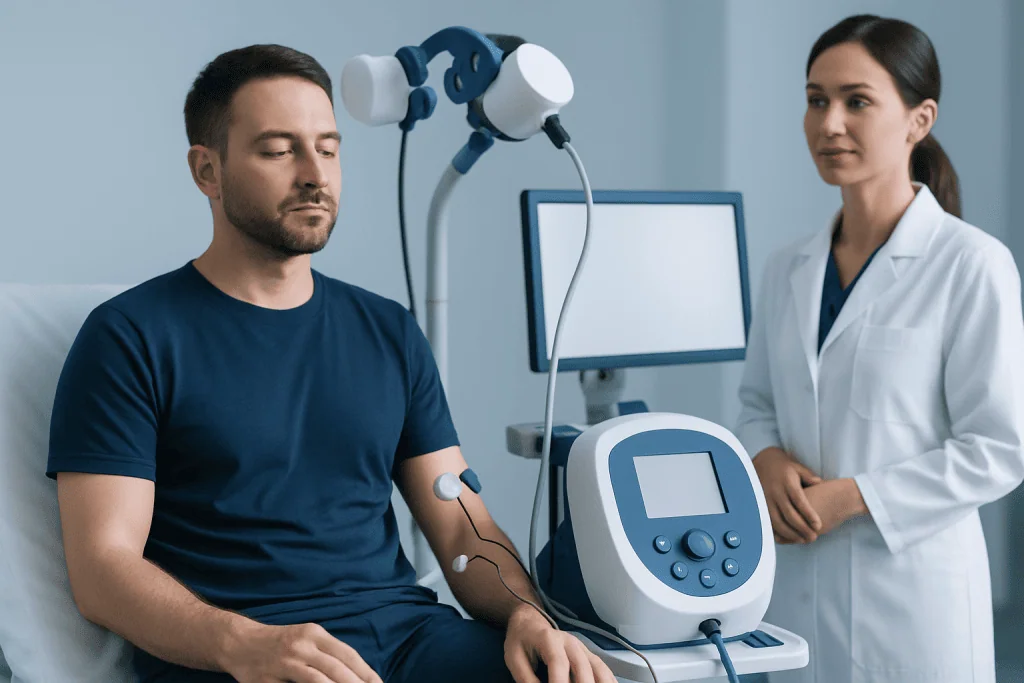
Neuromodulation is usually considered for people with moderate to severe spasticity that significantly affects comfort, care, function, or quality of life despite appropriate noninvasive treatment. It may be discussed in patients with spasticity related to conditions such as stroke, traumatic brain injury, spinal cord injury, multiple sclerosis, cerebral palsy, or other neurological disorders. The decision depends not just on diagnosis, but on how the symptoms affect everyday life.
Doctors also consider whether the spasticity is generalized or more localized. Severe stiffness affecting both legs, several limbs, or the trunk may be more suitable for intrathecal baclofen than focal treatments. By contrast, if tightness is limited to a small number of muscles, other options such as injections, bracing, or targeted rehabilitation may be more appropriate. In some cases, patients have a mix of problems and may need combined treatment.
Another key question is whether spasticity is always harmful. In some people, a certain amount of muscle tone may help with standing transfers, posture, or basic mobility. Because of this, treatment is based on individualized goals rather than reducing tone as much as possible. Common goals include easier walking, less pain, better sleep, safer transfers, easier hygiene and dressing, and reduced caregiver burden.
Before proceeding, the care team checks whether reversible factors are making spasticity worse. Infection, constipation, pressure injuries, poorly fitting devices, pain, bladder issues, or emotional stress can all increase muscle tone. Addressing these triggers may improve symptoms and sometimes reduces the need for more advanced treatment.
How spasticity is assessed before treatment

A detailed assessment is essential because spasticity is only one part of the movement problem. Doctors and rehabilitation specialists evaluate muscle tone, strength, voluntary control, balance, range of motion, walking pattern, pain, skin condition, bladder and bowel issues, and the presence of fixed contractures. They also ask how symptoms affect daily life at home, school, or work.
Standardized scales may be used to document severity and track change over time. Just as important are practical measures such as transfer ability, sleep quality, ease of sitting, tolerance of splints, and the amount of assistance needed for personal care. This broader evaluation helps determine whether the main issue is truly spasticity or whether weakness, poor motor control, or long-standing muscle shortening are contributing more.
When intrathecal baclofen is being considered, many centers perform a screening test dose. This helps show whether reducing spinal overactivity is likely to produce meaningful benefit without unacceptable side effects. The response is monitored closely, with attention to tone, spasms, function, comfort, and any changes in standing or walking. This step helps set expectations before an implanted system is offered.
Neuromodulation options and how they work
The best-known neuromodulation-based treatment for severe spasticity is intrathecal baclofen therapy. A small pump is implanted under the skin, usually in the abdominal area, with a catheter delivering baclofen into the fluid around the spinal cord. Because the medication reaches the nervous system directly, it can reduce generalized spasticity with lower total drug exposure than oral treatment in selected patients.
This option is most often used when spasticity is widespread and has not responded adequately to therapy and standard medicines. The pump can be programmed and adjusted over time, allowing the team to tailor treatment to changing needs. That flexibility can be useful for patients whose symptoms vary during the day or whose rehabilitation goals evolve over time.
Other neuromodulation techniques may be explored in selected cases, but their role in spasticity is less established and depends on the underlying neurological condition and local expertise. Because treatment choice is individualized, some patients are evaluated through a broader neuromodulation program alongside rehabilitation medicine, neurology, and neurosurgery. In patients whose spasticity follows a major neurological event such as stroke, the team usually considers the full recovery picture before recommending an implanted therapy.
Even when neuromodulation is chosen, it is rarely a stand-alone solution. Stretching, strengthening, orthotic support, positioning, gait training, and occupational therapy remain important after treatment. Neuromodulation often works best as part of a comprehensive plan rather than a replacement for rehabilitation.
What results are realistic?
Realistic results depend on the cause of spasticity, how long it has been present, whether there are fixed contractures, the patient’s baseline strength and mobility, and the goals of treatment. In general, the most consistent benefits are reduced stiffness, fewer spasms, less pain, better sleep, improved sitting or positioning, and easier caregiving tasks such as dressing, bathing, and transfers. These changes can be meaningful even when walking speed or hand function improves only modestly.
Some patients do experience functional gains, especially when excessive tone is interfering with movement more than weakness is. For example, reducing lower-limb spasticity may support a more comfortable walking pattern, easier use of orthoses, or better participation in therapy. However, if weakness, poor balance, or fixed shortening of muscles is the main limitation, reducing tone alone may not restore normal movement.
It is also important to understand that neuromodulation does not cure the underlying neurological condition. The aim is symptom control and better day-to-day function. Treatment often needs adjustment over time, and benefits are usually judged by whether agreed goals are met rather than by a single measurement or a dramatic change in appearance.
Children and adults can both benefit, but expectations are shaped differently in each case. In children, goals may include comfort, easier care, better positioning, and support for long-term musculoskeletal health. In adults, goals may focus more on mobility, pain relief, sleep, and independence. Across all age groups, success is most likely when the treatment target is clear and realistic.
Benefits, risks, and follow-up care
Potential benefits of neuromodulation for spasticity include improved comfort, reduced painful muscle spasms, less reliance on sedating oral medication, and better participation in rehabilitation. For some families and caregivers, easier positioning, hygiene, and transfers are among the most important gains. Treatment may also help protect joints and soft tissues when high tone is causing repeated strain.
At the same time, implanted therapies require ongoing follow-up. Pumps need periodic refilling and programming adjustments, and the system must be monitored for mechanical problems. Side effects can include excessive weakness, drowsiness, dizziness, nausea, or changes in bladder function, depending on the treatment and the patient’s overall health. Surgical and device-related risks also need to be discussed carefully before implantation.
Because baclofen delivered into the spinal fluid acts directly on the nervous system, maintaining the system properly is essential. Sudden interruption or dosing problems can be serious, so patients and caregivers are taught what symptoms to watch for and when to seek urgent help. Follow-up visits are a routine part of safe treatment, not an optional extra.
A multidisciplinary team is especially valuable here. Rehabilitation physicians, neurologists, neurosurgeons, physical and occupational therapists, nurses, and when appropriate pediatric specialists all contribute to treatment planning and long-term review. Near the end of the care pathway, some international patients may choose centers such as Acibadem International, where multidisciplinary specialists in JCI-accredited hospitals assess and treat complex spasticity and neuromodulation needs.
Self-care, rehabilitation, and when to seek medical advice
Whether or not neuromodulation is used, daily self-care remains important. Regular stretching, prescribed home exercise, good seating and positioning, skin checks, adequate hydration, and prompt treatment of bladder or bowel problems can all help reduce symptom flares. Patients should also review splints, wheelchairs, and other assistive devices regularly to make sure they still fit well and support their goals.
People should contact their doctor if spasticity suddenly becomes worse, starts causing more pain, interferes with sleep or daily care, or leads to falls, skin breakdown, or joint problems. Medical review is also important when oral medicines cause bothersome side effects such as sleepiness or confusion. These situations may signal the need to adjust treatment or reassess the management plan.
Patients with implanted systems should seek prompt advice if they notice new weakness, unusual drowsiness, severe return of stiffness or spasms, fever around the surgical area, headaches, or concerns about the pump site. It is safer to have these symptoms checked early rather than waiting. In some cases, additional evaluation with physical therapy and rehabilitation or specialist review in neurosurgery may be helpful as part of ongoing care.
Frequently asked questions
Is neuromodulation for spasticity a cure?
No. Neuromodulation does not cure the underlying brain or spinal cord condition that causes spasticity. Its purpose is to reduce symptoms such as stiffness, spasms, and pain, and to support practical goals like comfort, mobility, or easier caregiving.
Who is a good candidate for intrathecal baclofen therapy?
Good candidates are usually people with significant generalized spasticity that has not improved enough with therapy and oral medicines or has caused too many side effects. Doctors also look at overall health, treatment goals, caregiver support, and the results of a screening test dose when used.
Can reducing spasticity make a person weaker?
It can. In some people, muscle tone partly compensates for weakness and helps with standing or transfers, so reducing it too much may temporarily make function harder. This is why careful evaluation and gradual dose adjustment are important.
How soon are results seen after treatment?
The timeline depends on the method used and the patient’s condition. Some effects can be noticed relatively soon after a test dose or early pump programming, but finding the best setting often takes time and follow-up visits. Functional gains may also depend on ongoing rehabilitation.
Does neuromodulation replace physical therapy?
No. Physical and occupational therapy remain central to spasticity management before and after neuromodulation. Rehabilitation helps patients make the most of reduced tone by improving stretching, strength, positioning, movement patterns, and daily function.
What are the main reasons to call a doctor urgently after pump treatment?
Urgent medical advice is needed for sudden severe return of stiffness or spasms, unusual weakness, marked drowsiness, fever, redness or swelling near the device, or other concerning new symptoms. These may indicate a dosing issue, infection, or a device problem that should be checked quickly.
References
- World Health Organization
- National Institute of Neurological Disorders and Stroke
- National Institute for Health and Care Excellence
- American Academy of Neurology
- Cerebral Palsy Foundation
This article is for general information only and is not a substitute for professional medical advice. Please consult a qualified doctor about your individual situation.
Neuromodulation in Turkey — costs, top hospitals & a free quote
JCI-accredited · board-certified surgeons · reply within 24h
Add us as a Preferred Source to see more of our trusted health content across Google Search, AI Overviews and Discover.