Neurophysiology vs Neurology: Which Specialist Handles Your Symptoms?
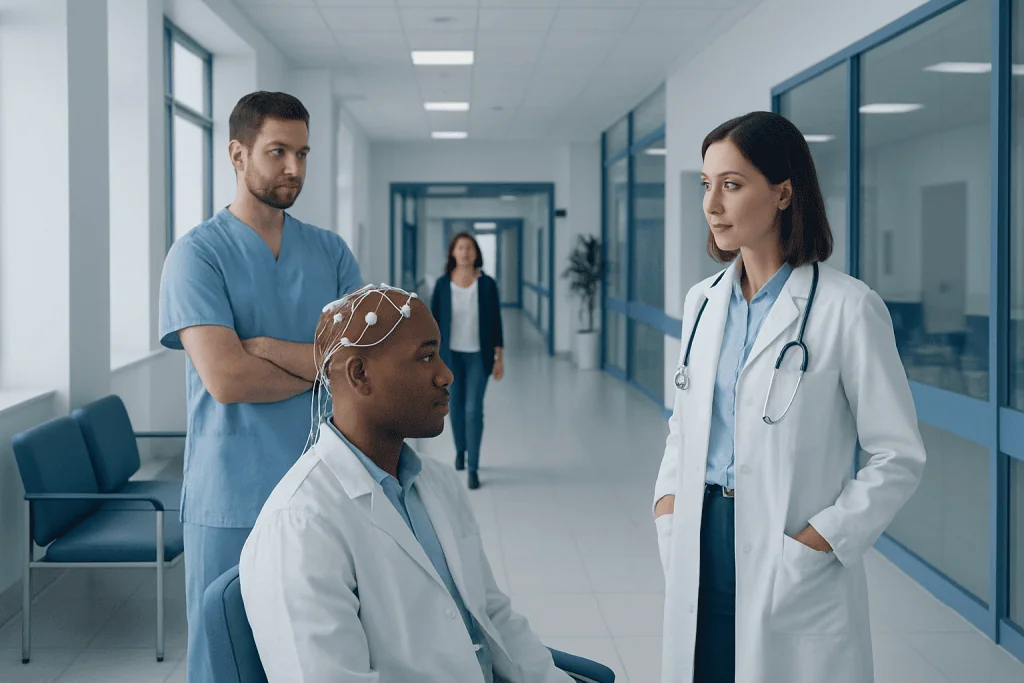
Neurology is a medical specialty that diagnoses and treats disorders of the brain, spinal cord, nerves, and muscles. Clinical neurophysiology is a subspecialty focused on testing and interpreting nervous system function.
Key Takeaways
- Neurology is a medical specialty that diagnoses and treats disorders of the brain, spinal cord, nerves, and muscles.
- Clinical neurophysiology is a subspecialty focused on testing and interpreting nervous system function.
- Common neurophysiology tests include EEG, EMG, nerve conduction studies, evoked potentials, and sleep-related testing.
- People with symptoms such as seizures, weakness, numbness, tremor, or persistent headaches often start with a neurologist.
- A neurologist may order neurophysiology tests to confirm a diagnosis or understand how severe a problem is.
- The right specialist depends on the symptom pattern, urgency, and whether treatment or diagnostic testing is needed.
Neurophysiology and neurology both focus on the nervous system, but they play different roles in care. A neurologist evaluates symptoms, diagnoses conditions, and manages treatment, while clinical neurophysiology helps measure how the brain, spinal cord, nerves, and muscles are functioning through specialized tests.
Overview: How Neurophysiology and Neurology Differ
Many people are unsure whether they need a neurologist or a neurophysiology specialist when symptoms affect the brain, nerves, or muscles. This confusion is understandable because both fields deal with the nervous system and often work closely together. In practice, the main difference is that neurology is the broader medical specialty, while clinical neurophysiology is a focused area that studies how the nervous system functions through diagnostic testing.
A neurologist is a medical doctor who evaluates symptoms, takes a medical history, performs a neurological examination, diagnoses disorders, and recommends treatment. Neurologists care for a wide range of conditions, including headache disorders, seizures, stroke, neuropathy, movement disorders, memory problems, and multiple sclerosis. They may use imaging, blood tests, and neurophysiology studies as part of the overall assessment.
A clinical neurophysiologist is usually a physician with specialized training in tests that measure electrical activity or signal transmission in the nervous system. These tests can help show whether symptoms come from the brain, spinal cord, peripheral nerves, neuromuscular junction, or muscles. Rather than replacing neurology, neurophysiology supports it by providing objective information that guides diagnosis and treatment planning.
In many hospitals, a person first sees a neurologist and then undergoes neurophysiology testing if needed. In other situations, a primary care doctor, rehabilitation physician, neurosurgeon, or sleep specialist may refer directly for testing. The two specialties are complementary, and patients often benefit from both at different stages of care.
What a Neurologist Does

Neurologists diagnose and manage diseases of the central and peripheral nervous system. This includes the brain, spinal cord, nerves, and muscles. Their work begins with listening carefully to symptoms such as headaches, dizziness, weakness, balance problems, memory changes, tremor, numbness, blackouts, or pain that may reflect a neurological cause.
During an appointment, the neurologist performs a neurological examination to assess strength, sensation, reflexes, coordination, gait, eye movements, speech, and mental status. This helps narrow down where in the nervous system the problem may be. They then decide whether additional tests are needed, such as MRI, CT, laboratory tests, lumbar puncture, or neurophysiology studies.
Neurologists also provide treatment and ongoing follow-up. Depending on the diagnosis, this may include medications, lifestyle advice, rehabilitation referral, monitoring over time, or coordination with other specialists. For example, a neurologist may treat migraine, help manage epilepsy, or evaluate symptoms suggesting Parkinson's disease or multiple sclerosis.
In short, the neurologist is usually the specialist who brings together symptoms, examination findings, test results, and long-term care. When a functional test is needed to clarify the diagnosis, the neurologist often involves a clinical neurophysiology team.
What a Clinical Neurophysiologist Does

Clinical neurophysiology focuses on measuring how the nervous system works. Instead of looking mainly at structure, as imaging does, neurophysiology assesses electrical activity and signal transmission. This can be especially helpful when symptoms are intermittent, subtle, or difficult to localize based on examination alone.
One of the best-known tests is electroencephalography, or EEG, which records the brain’s electrical activity. EEG is often used when seizures are suspected, but it may also assist in evaluating episodes of altered awareness, certain sleep problems, or some brain function changes. Another major area is electromyography and nerve conduction studies, often written as EMG and NCS. These tests help assess peripheral nerves, muscles, and the connection between nerves and muscles.
Clinical neurophysiology may also include evoked potentials, intraoperative monitoring during surgery, and some sleep-related studies depending on the center. These tests can help identify whether nerve pathways are conducting signals normally and whether there is evidence of damage, irritation, or dysfunction. The findings are interpreted in the context of the person’s symptoms and examination.
Because neurophysiology is highly specialized, patients often see this team after referral rather than as a first step. The results are then shared with the referring doctor, usually a neurologist, who explains how the findings fit into the bigger clinical picture and what should happen next.
Symptoms and Situations That May Need One or Both
Some symptoms point more strongly toward a neurologist as the starting point. These include new or severe headaches, memory concerns, recurrent dizziness, tremor, walking difficulty, vision changes linked to the nervous system, speech problems, or episodes that could represent seizures or transient neurological events. A neurologist can assess urgency, rule out serious causes, and decide what testing is most appropriate.
Other symptoms often lead to neurophysiology testing because they suggest a problem with nerves or muscles. Examples include numbness or tingling in the hands or feet, burning pain, muscle weakness, muscle twitching, cramps, facial numbness, or suspected nerve compression such as carpal tunnel syndrome. In these situations, tests such as EMG electromyography or nerve conduction studies can help pinpoint the source of symptoms.
Episodes of fainting-like spells, unexplained blackouts, or possible seizures may require EEG electroencephalography as part of the evaluation. Sleep-related symptoms, unusual movements in sleep, or suspected disorders affecting sleep and brain function may also involve neurophysiological assessment in selected cases. Some people need more than one type of specialist input because neurological symptoms can overlap.
As a practical guide, if the question is “What is causing these symptoms and how should they be treated?” a neurologist is usually the lead specialist. If the question is “How well are the nerves, brain signals, or muscles functioning?” neurophysiology testing is often the next step. Many patients move between both services during diagnosis and follow-up.
Common Tests Used in Neurophysiology
Neurophysiology testing is selected based on the symptom pattern and the part of the nervous system being assessed. The goal is to provide objective information, not simply to perform testing routinely. A doctor will explain which test is relevant, what it can show, and any limits it may have.
Common neurophysiology tests include:
- EEG: records electrical activity in the brain and is often used in seizure assessment.
- EMG: evaluates muscle electrical activity and can help identify muscle disease or nerve-related weakness.
- Nerve conduction studies: measure how quickly and effectively electrical signals travel through peripheral nerves.
- Evoked potentials: assess how the brain responds to stimulation of specific sensory pathways.
- Sleep-related neurophysiology studies: may be used in selected patients with complex sleep or movement symptoms.
- Intraoperative neurophysiological monitoring: helps monitor nerve pathway function during certain surgeries.
These tests are generally well tolerated, though some may cause brief discomfort. Nerve conduction studies involve small electrical stimuli, and EMG uses a thin needle electrode in selected muscles. EEG is noninvasive and usually painless. Preparation depends on the test, so it is helpful for patients to ask in advance about medications, skin products, sleep requirements, or recent illnesses that might affect results.
Test results do not stand alone. A normal or abnormal study must be interpreted together with symptoms, examination findings, and other investigations. This is why a neurologist and neurophysiology specialist often collaborate closely, especially in complex cases such as epilepsy or suspected neuromuscular disease.
How Diagnosis and Treatment Work Together
One of the clearest ways to understand neurophysiology vs neurology is to separate diagnosis from management, while remembering that there is overlap. Neurology usually leads the overall diagnostic process and treatment plan. Neurophysiology contributes highly detailed functional testing that can confirm a suspected diagnosis, rule out alternatives, show severity, or track changes over time.
For example, a person with hand numbness may first see a neurologist or another doctor. If the examination suggests a compressed nerve, the doctor may request EMG electromyography and nerve conduction studies to determine which nerve is affected and how significantly. If a person has episodes concerning for seizures, the neurologist may arrange EEG electroencephalography to look for abnormal brain activity. Treatment is then chosen based on the full clinical picture, not the test alone.
In some conditions, neurophysiology also helps monitor disease or guide therapy. This may be useful in neuropathies, myasthenia, some muscle disorders, and epilepsy care. However, treatment itself is usually managed by a neurologist or the relevant specialist team, with support from rehabilitation, pain medicine, neurosurgery, psychiatry, or sleep medicine when appropriate.
For international patients seeking coordinated neurological care, Acibadem International’s multidisciplinary specialists and JCI-accredited hospitals diagnose and treat nervous system conditions using both clinical evaluation and advanced neurophysiological testing when indicated.
How to Choose the Right Specialist and When to Seek Medical Advice
If symptoms are new, progressive, recurrent, or difficult to explain, starting with a doctor who can assess the whole picture is often the best approach. A primary care physician can help decide whether a neurology referral is needed, and a neurologist can then determine whether neurophysiology testing would add useful information. This approach can prevent unnecessary tests and make the diagnostic process more efficient.
Urgent medical attention is important for sudden weakness, facial drooping, trouble speaking, severe new headache, loss of consciousness, new seizures, or sudden vision loss. These symptoms may signal emergencies that should not wait for a routine specialist appointment. Likewise, rapidly worsening numbness, breathing difficulty, or major problems with walking or swallowing should be assessed promptly.
For less urgent concerns, it helps to keep a simple symptom diary before the appointment. Notes about when symptoms happen, how long they last, what triggers them, and whether they affect sleep, work, or daily activities can be very useful. Bringing previous test results, imaging reports, and a medication list can also support accurate diagnosis.
Ultimately, patients do not need to solve the specialist question on their own. Neurology and neurophysiology are connected parts of nervous system care. The most important step is seeking evaluation when symptoms persist, worsen, or interfere with everyday life.
Frequently asked questions
Is a neurophysiologist the same as a neurologist?
No. A neurologist is a physician who diagnoses and treats disorders of the nervous system, while a clinical neurophysiologist focuses on specialized testing that measures nerve, muscle, and brain function. The two often work together as part of the same care pathway.
Should a person see a neurologist first?
In many cases, yes. A neurologist is often the best first specialist for symptoms such as headaches, seizures, tremor, weakness, numbness, memory changes, or balance problems. After the assessment, the neurologist may recommend neurophysiology tests if they are likely to help clarify the diagnosis.
What conditions are commonly evaluated with neurophysiology tests?
Neurophysiology tests are often used when doctors suspect epilepsy, peripheral neuropathy, nerve compression, radiculopathy, myasthenia, muscle disease, or other neuromuscular disorders. They can also help assess certain sleep-related or sensory pathway problems. The specific test depends on the symptom pattern.
Are EEG and EMG painful?
EEG is generally painless because it records brain activity through electrodes placed on the scalp. EMG and nerve conduction studies can cause brief discomfort because they involve small electrical stimuli and, for EMG, a thin needle electrode in selected muscles. Most people tolerate these tests well.
Can neurophysiology tests replace MRI or other scans?
Not usually. Neurophysiology tests and imaging answer different questions: imaging looks more at structure, while neurophysiology looks at function. Doctors often use them together to build a more complete understanding of a neurological problem.
When should someone seek urgent help for neurological symptoms?
Urgent evaluation is important for sudden weakness, facial drooping, trouble speaking, new seizures, severe sudden headache, fainting with prolonged confusion, or sudden vision loss. Rapidly worsening numbness, swallowing problems, or breathing difficulty also need prompt medical attention. These symptoms may signal serious conditions that should be assessed without delay.
References
- World Health Organization
- National Institute of Neurological Disorders and Stroke
- American Academy of Neurology
- International Federation of Clinical Neurophysiology
- NHS
This article is for general information only and is not a substitute for professional medical advice. Please consult a qualified doctor about your individual situation.
Neurophysiology in Turkey — costs, top hospitals & a free quote
JCI-accredited · board-certified surgeons · reply within 24h
Add us as a Preferred Source to see more of our trusted health content across Google Search, AI Overviews and Discover.

More from the Health Library



Related Specialists

Prof. Dr. Banu Atalar
Radiation Oncology
Dr. Alper Sonkaya
Medical Oncology
Prof. Dr. Ertap Akoğlu
Otorhinolaryngology
Dr. Azad Bairamovi
Inpatient Clinic Physicians Clinical Service