Neuropsychological Testing: Memory, Attention, and Brain Function Assessment

Neuropsychological testing evaluates thinking abilities such as memory, attention, language, planning, and processing speed. The results can help distinguish between neurological, psychiatric, developmental, and medical causes of cognitive symptoms.
Key Takeaways
- Neuropsychological testing evaluates thinking abilities such as memory, attention, language, planning, and processing speed.
- The results can help distinguish between neurological, psychiatric, developmental, and medical causes of cognitive symptoms.
- Testing is usually noninvasive and involves interviews, questionnaires, and standardized paper-based or computer-based tasks.
- A neuropsychologist interprets results in the context of medical history, education, culture, mood, sleep, medications, and daily functioning.
- The final report often guides diagnosis, treatment planning, rehabilitation, school or workplace accommodations, and follow-up care.
Neuropsychological testing is a structured way to measure memory, attention, language, problem-solving, and other thinking skills. It helps doctors understand how the brain is working and how symptoms affect daily life, school, work, and recovery.
Overview
Neuropsychological testing is a detailed assessment of how a person’s brain supports thinking, behavior, and emotions. It is not a single test, but a carefully selected set of standardized tasks and questionnaires. These tools measure abilities such as memory, attention, language, visual-spatial skills, problem-solving, processing speed, and emotional functioning.
The goal is to create a practical picture of cognitive strengths and difficulties. For example, two people may both say they are “forgetful,” but one may have trouble learning new information, while another may be distracted, anxious, sleep-deprived, or affected by medication. Neuropsychological testing helps clarify these differences so care can be more targeted.
This type of assessment is used in many settings, including neurology, psychiatry, pediatrics, rehabilitation, geriatrics, oncology, and sports medicine. It can support diagnosis, track changes over time, guide treatment, and help plan return to school, work, driving, or independent living when appropriate.
What Neuropsychological Testing Measures
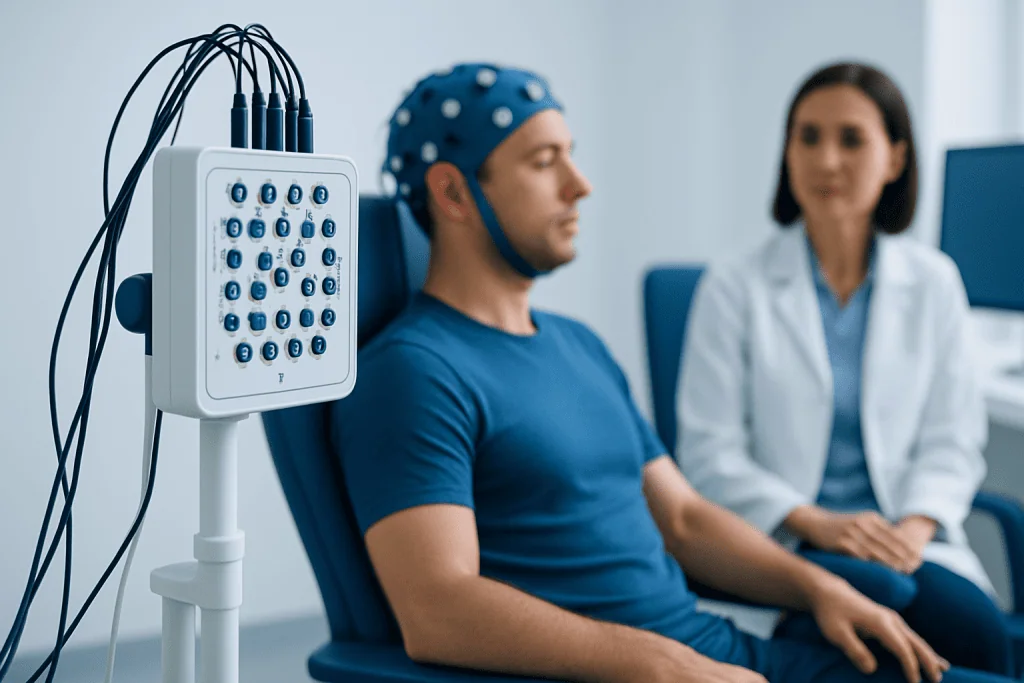
Neuropsychological testing looks at multiple thinking skills because the brain works as an interconnected system. A person may perform well in one area and have difficulty in another, and this pattern can provide useful clinical information. The tests are selected according to the person’s age, symptoms, medical history, language, education, and reason for referral.
Common areas assessed include attention and concentration, learning and memory, language, executive functions, processing speed, motor skills, visual-spatial skills, and social-emotional functioning. Executive functions include skills such as planning, flexible thinking, organization, impulse control, and problem-solving. These skills are important for everyday tasks such as managing appointments, following instructions, completing schoolwork, making decisions, or handling finances.
- Memory: learning new information, recalling it later, and recognizing it when prompted.
- Attention: staying focused, shifting attention, and working with information in the moment.
- Language: naming, word finding, comprehension, reading, and verbal expression.
- Processing speed: how efficiently information is understood and acted upon.
- Executive function: planning, reasoning, self-monitoring, and mental flexibility.
Emotional symptoms are also considered because mood, anxiety, stress, pain, fatigue, and sleep problems can strongly affect cognitive performance. A good assessment does not look at test scores in isolation; it interprets them alongside the person’s real-life concerns and medical context.
Who May Need Neuropsychological Testing
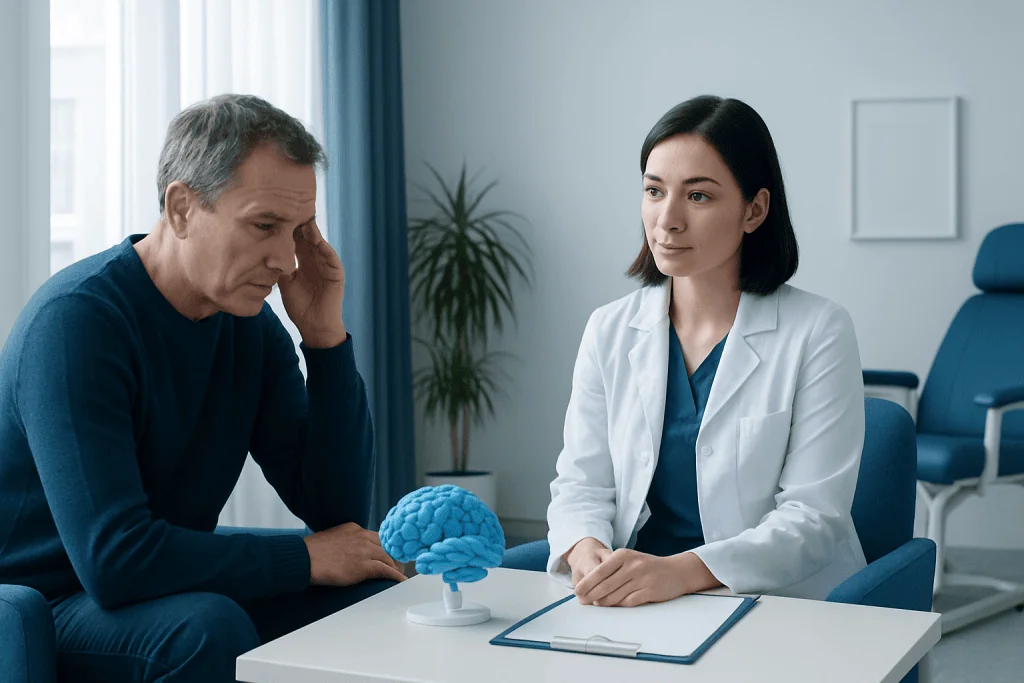
A doctor may recommend neuropsychological testing when there are concerns about memory, attention, behavior, learning, or changes in thinking. These concerns may develop suddenly, gradually, or after a known event such as a head injury, stroke, infection, seizure, or major medical treatment. Testing may also be useful when symptoms are present but brain imaging or routine medical tests do not fully explain the person’s difficulties.
Adults may be referred for evaluation of possible mild cognitive impairment, dementia, traumatic brain injury, epilepsy-related cognitive changes, multiple sclerosis, Parkinson’s disease, stroke recovery, brain tumors, long-term effects of critical illness, or cognitive side effects of medical treatments. It may also help when depression, anxiety, attention-deficit/hyperactivity disorder, or sleep disorders overlap with memory and concentration complaints.
Children and adolescents may be assessed for learning disorders, attention problems, developmental conditions, effects of prematurity or neurological illness, concussion recovery, or changes in school performance. In these cases, the assessment can help families and schools understand the child’s learning profile and identify appropriate educational supports.
Neuropsychological testing is also used to establish a baseline before certain medical treatments or surgeries, and to monitor recovery or progression over time. When repeated at appropriate intervals, it can show whether cognition is stable, improving, or declining.
How the Assessment Is Performed
The process usually begins with a clinical interview. The neuropsychologist asks about symptoms, medical history, medications, sleep, mood, education, work, family history, and everyday functioning. With permission, a family member, caregiver, teacher, or close colleague may provide additional observations, especially when memory or behavior changes are part of the concern.
The testing session may include paper-and-pencil activities, spoken questions, puzzles, drawing tasks, computer-based measures, questionnaires, and tasks that assess speed and accuracy. Some tests feel similar to school or problem-solving activities, but they are not designed to be passed or failed. They are designed to compare performance with standardized norms for people of similar age and, when available, similar educational or cultural background.
The length of testing varies. A focused assessment may take a few hours, while a comprehensive evaluation may take most of a day or be divided into separate sessions. Breaks are commonly provided, especially for children, older adults, people with fatigue, or those recovering from injury or illness.
After testing, the neuropsychologist scores and interprets the results. The final report typically includes the reason for referral, relevant history, test findings, diagnostic impressions when appropriate, and practical recommendations. These may include medical follow-up, rehabilitation therapies, psychotherapy, school accommodations, workplace adjustments, or strategies for daily life.
Understanding the Results
Neuropsychological results are usually described as a pattern of strengths and weaknesses rather than a single number. A person’s performance is compared with expected performance for their background, and the clinician looks for meaningful differences across skills. For example, slow processing speed with good memory may suggest a different care plan than poor learning and recall with preserved speed.
Results may support a diagnosis, but they are rarely the only source of diagnosis. Doctors consider the full clinical picture, including neurological examination, laboratory tests, imaging when needed, psychiatric assessment, medication review, and daily functioning. This is especially important because many conditions can cause similar symptoms, including sleep disorders, thyroid problems, vitamin deficiencies, medication effects, depression, anxiety, chronic pain, and neurological disease.
The report may also describe how cognitive changes affect everyday life. A person may need help with complex tasks, reminders for appointments, reduced distractions while working, extra time for exams, cognitive rehabilitation, or a gradual return to work or school. In some cases, testing provides reassurance by showing that performance is within the expected range, while identifying modifiable factors such as stress, sleep, or attention habits.
Follow-up testing may be recommended when monitoring change is important. This is often done after a meaningful interval, not too soon, because practice effects can influence results. The timing depends on the condition, treatment plan, and clinical question.
Preparing for Neuropsychological Testing
No special medical preparation is usually required, but practical steps can make the evaluation more accurate and comfortable. The person should try to sleep as well as possible the night before, eat a normal meal, bring glasses or hearing aids if used, and take regular medications unless a doctor has advised otherwise. If there are concerns about medications affecting alertness, this should be discussed with the referring doctor before the appointment.
It is helpful to bring relevant medical records, previous test results, school reports, brain imaging reports, medication lists, and a brief written timeline of symptoms. For children, teacher reports and school evaluations can be especially useful. For adults with memory concerns, a family member or caregiver may help provide examples of changes in daily life.
- Bring identification, glasses, hearing aids, and any assistive devices normally used.
- List current medications, supplements, and recent medication changes.
- Write down the main questions the patient and family hope the assessment will answer.
- Inform the clinic in advance about language needs, mobility limitations, fatigue, pain, or anxiety.
People should not worry about “studying” for the tests. The best approach is to give a sincere effort, ask for clarification when instructions are unclear, and take breaks when needed. The assessment is meant to understand the person’s current functioning, not to judge intelligence or character.
Benefits, Limitations, and When to See a Doctor
The main benefit of neuropsychological testing is that it translates cognitive symptoms into a detailed clinical profile. This can help guide care, reduce uncertainty, and support practical planning. It may help clinicians distinguish between conditions that look similar, identify treatable contributors, recommend rehabilitation strategies, or document the need for accommodations.
Like all medical assessments, it has limitations. Test results can be affected by fatigue, pain, language differences, sensory problems, emotional distress, medication effects, sleep deprivation, and effort. For this reason, the clinician interprets results carefully and may recommend additional medical evaluation if the findings suggest a neurological, psychiatric, or systemic condition that needs further assessment.
A person should seek medical advice if memory loss, confusion, attention problems, personality changes, language difficulty, repeated falls, seizures, severe headaches, or changes after a head injury interfere with daily life. Urgent medical care is needed for sudden weakness, facial drooping, new trouble speaking, sudden severe confusion, or other possible signs of stroke or acute neurological illness.
For international patients, Acibadem International’s multidisciplinary specialists and JCI-accredited hospitals can provide diagnostic evaluation and coordinated care for cognitive and neurological concerns. Neuropsychological testing is most useful when it is part of a broader, individualized medical assessment led by qualified professionals.
Frequently asked questions
Is neuropsychological testing the same as an IQ test?
No. An IQ test measures certain intellectual abilities, while neuropsychological testing evaluates a broader range of brain functions, including memory, attention, language, processing speed, executive function, and emotional factors. Some evaluations include intelligence measures, but they are only one part of the overall picture.
Does neuropsychological testing diagnose dementia?
Neuropsychological testing can provide important evidence for or against dementia and can help identify the pattern of cognitive changes. However, dementia diagnosis usually requires a full medical evaluation, including history, functional assessment, physical or neurological examination, and sometimes laboratory tests or brain imaging.
How long does a neuropsychological evaluation take?
The time varies depending on the referral question and the person’s needs. Some focused evaluations take a few hours, while comprehensive assessments may take most of a day or be split into more than one appointment. Breaks are usually provided to reduce fatigue.
Can anxiety or depression affect test results?
Yes. Anxiety, depression, stress, poor sleep, pain, and fatigue can all affect attention, memory, and processing speed. A neuropsychologist considers these factors during interpretation and may include recommendations for treating emotional or lifestyle contributors to cognitive symptoms.
Is neuropsychological testing painful or risky?
Neuropsychological testing is noninvasive and does not involve needles, radiation, or surgery. Some people may feel tired or frustrated during challenging tasks, but breaks and supportive instructions are part of the process. The goal is to understand current functioning in a respectful and clinically useful way.
Will the results help with school or work accommodations?
Often, yes. When testing identifies functional difficulties, the report may recommend accommodations such as extra time, reduced distractions, written instructions, assistive technology, or adjusted workload. The exact supports depend on the findings and the rules of the school, employer, or relevant authority.
References
- American Psychological Association
- International Neuropsychological Society
- National Institute of Neurological Disorders and Stroke
- Alzheimer’s Association
- American Academy of Neurology
This article is for general information only and is not a substitute for professional medical advice. Please consult a qualified doctor about your individual situation.
Explore treatments in Turkey — costs, top hospitals & a free quote
JCI-accredited · board-certified surgeons · reply within 24h

More from the Health Library


Related Specialists

Prof. Dr. Ercan Karaarslan
Radiology
Prof. Dr. Bora Peynircioğlu
Interventional Radiology
Prof. Dr. Koray Güven
Interventional Radiology
Assoc. Prof. Dr. Deniz Can Aliş
Radiology