Nhl Treatment: How It Works, Results and What to Expect
Non-Hodgkin lymphoma is a group of diseases, so treatment begins with confirming the precise subtype. Watchful waiting can be appropriate for selected slow-growing NHLs that are not causing symptoms or organ problems.
Key Takeaways
- Non-Hodgkin lymphoma is a group of diseases, so treatment begins with confirming the precise subtype.
- Watchful waiting can be appropriate for selected slow-growing NHLs that are not causing symptoms or organ problems.
- Chemoimmunotherapy is commonly used, but targeted therapies and other treatments may be better suited to some lymphoma types or situations.
- Treatment length varies substantially; a course may involve several cycles over months, while other approaches follow different schedules.
- Follow-up care is important for monitoring response, managing side effects, and identifying relapse or long-term health needs.
NHL treatment is individualized according to the exact non-Hodgkin lymphoma subtype, its extent, symptoms, overall health, and treatment goals. Some slow-growing lymphomas can be monitored safely at first, while others need prompt systemic treatment with chemotherapy, immunotherapy, targeted medicines, radiation therapy, cellular therapy, or stem cell transplantation.
NHL Treatment: How It Works
NHL treatment refers to care for non-Hodgkin lymphoma, a broad group of cancers that begin in lymphocytes, a type of white blood cell. It is not one single treatment or one fixed pathway. The most effective approach depends on whether the lymphoma is slow-growing (indolent) or fast-growing (aggressive), whether it arises from B cells or T cells, its genetic features, where it is located, and whether it is causing symptoms.
An NHL treatment plan may include active surveillance, chemotherapy, immunotherapy, targeted therapy, radiation therapy, stem cell transplantation, or, for selected relapsed cases, cellular therapies. Treatments may be used alone or in combination. The aim may be cure for many aggressive lymphomas, long-lasting disease control for some indolent lymphomas, symptom relief, or a combination of these goals.
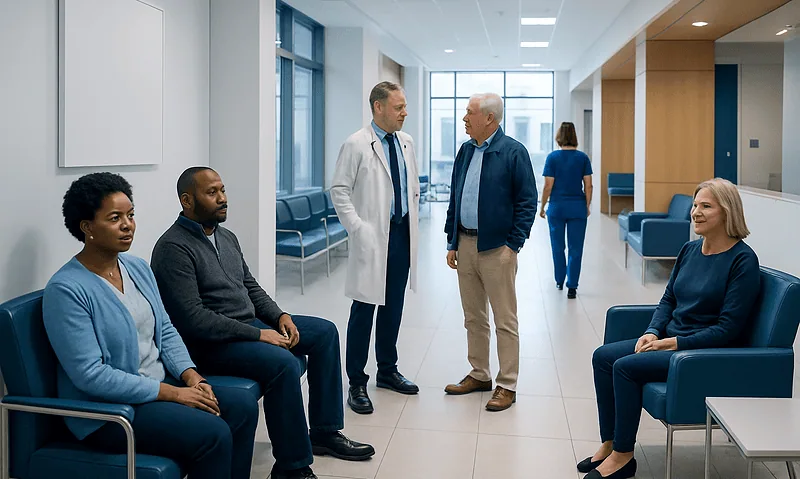
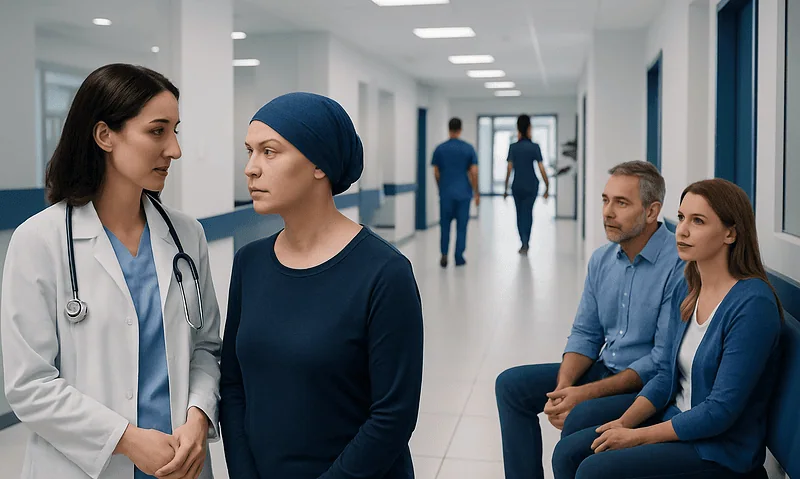
Care is generally planned by a multidisciplinary team that may include hematologists, medical oncologists, radiation oncologists, pathologists, radiologists, nurses, pharmacists, and supportive-care professionals. Before treatment begins, the team discusses the likely benefits, possible side effects, practical schedule, fertility considerations where relevant, and the person’s preferences.
How Doctors Build an NHL Treatment Plan
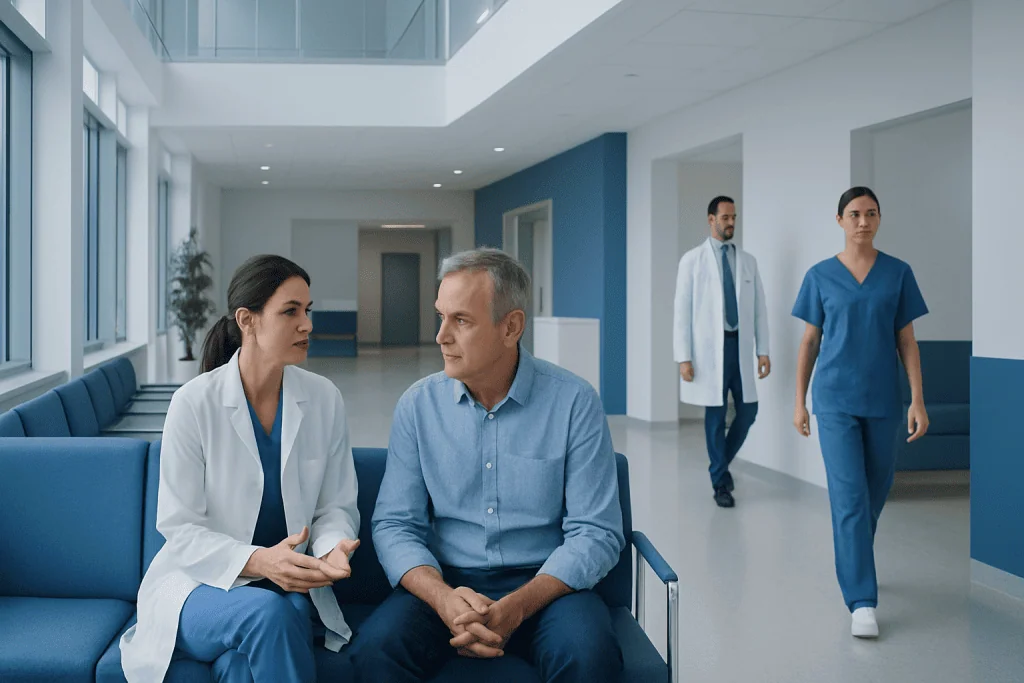
The first step is an accurate diagnosis. A lymph node or tissue biopsy is examined by a specialist pathologist to identify the lymphoma subtype. Blood tests, imaging such as CT or PET-CT, and sometimes bone marrow testing help determine the stage and assess how the lymphoma is affecting the body. In certain cases, laboratory testing of the lymphoma cells helps guide treatment selection.
The NHL treatment algorithm is therefore based on more than stage alone. Doctors consider the lymphoma subtype, speed of growth, tumor burden, symptoms such as fevers or weight loss, blood counts, organ function, prior treatments, age, and general fitness. A person with localized lymphoma may be considered for radiation-based treatment, while widespread or symptomatic disease more often needs treatment that works throughout the body.
For some people with indolent lymphoma and no troubling symptoms, watchful waiting is an evidence-based choice. This means regular appointments and tests rather than immediate medication. It is not the same as ignoring the condition; treatment begins if there are signs that the lymphoma is progressing or causing health problems.
- Biopsy and expert pathology review confirm the subtype.
- Staging tests show where lymphoma is present.
- Risk assessment helps balance treatment intensity with expected benefit.
- Supportive care needs are addressed before and throughout treatment.
NHL Treatment Options and the Treatment Process
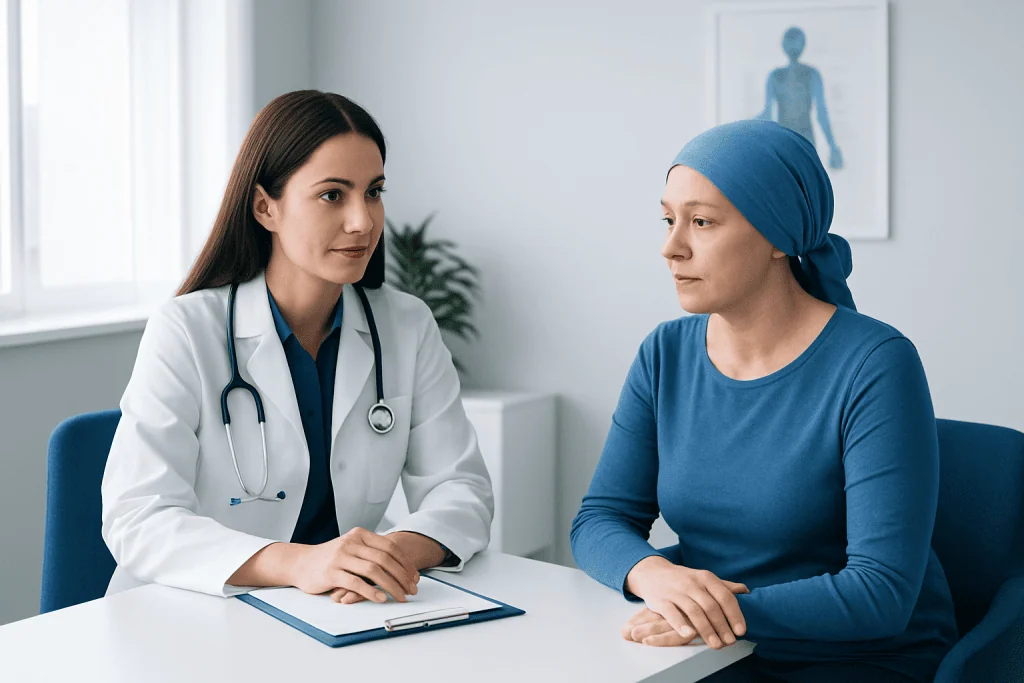
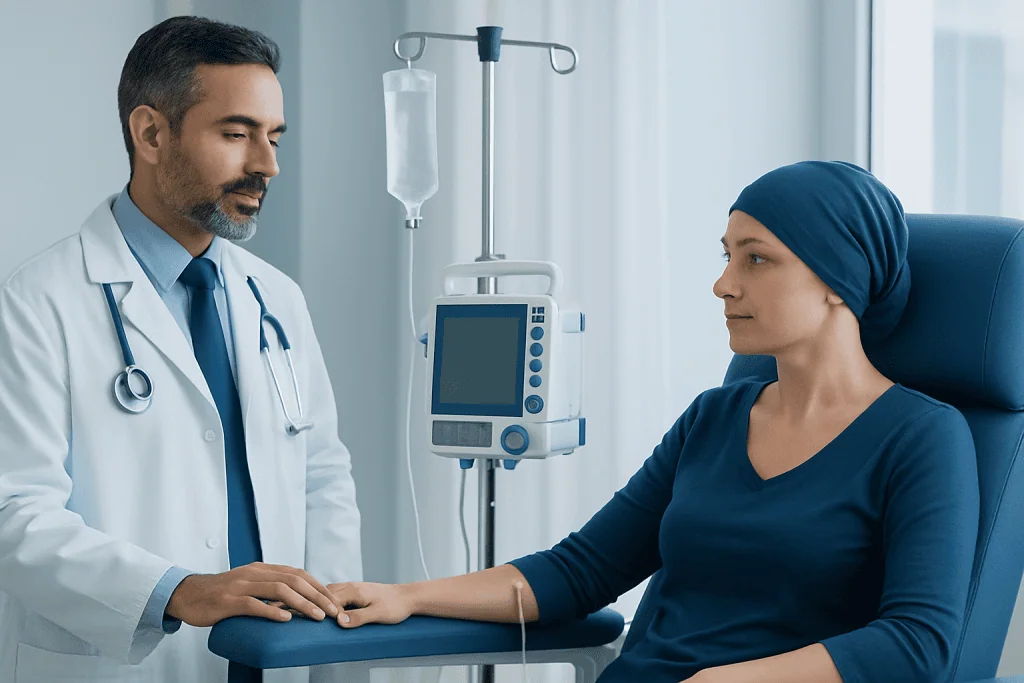
NHL treatment options vary widely. Chemotherapy uses medicines that damage or stop rapidly dividing cancer cells. It is often combined with immunotherapy, particularly antibody medicines that recognize markers on certain lymphoma cells. This combination is commonly called chemoimmunotherapy and may be given intravenously, by injection under the skin, by mouth, or through a combination of routes depending on the regimen.
Targeted therapies act on specific pathways that lymphoma cells use to grow or survive. Other options include immunomodulating medicines, antibody-drug conjugates, and bispecific antibodies for particular settings. Radiation therapy may be used for a localized area, to treat a remaining mass, or to relieve symptoms. In selected people whose lymphoma returns or does not respond adequately, high-dose therapy with stem cell transplant, CAR T-cell therapy, or other specialized approaches may be considered.
A typical treatment cycle starts with a pre-treatment review, blood tests, and medicines to reduce certain side effects when needed. Treatment is then administered, followed by a recovery period before the next cycle. Clinicians review symptoms, blood counts, and treatment response throughout the course. Scans are usually performed at defined points rather than after every treatment session, since timing is selected to give meaningful information.
Supportive treatments are an important part of an NHL treatment program. These can include anti-nausea medicines, infection prevention measures, blood transfusions or growth-factor support when appropriate, nutritional guidance, pain management, emotional support, and rehabilitation. The team should be contacted promptly if new or concerning symptoms develop between visits.
Candidacy, Benefits and Possible Risks
There is no universal “best” NHL treatment. A person may be a candidate for intensive therapy when the lymphoma is aggressive and their overall health allows it. Others may benefit more from lower-intensity or targeted approaches, particularly if the lymphoma is slower-growing, if other medical conditions are present, or if previous therapy limits future options. Older age alone does not determine eligibility; functional status and individual health are more informative.
The potential benefit of treatment is to eliminate lymphoma, reduce it to a remission, slow its growth, prevent complications, or improve symptoms and quality of life. Many aggressive forms of NHL can be cured, while several indolent forms can often be managed effectively over many years. However, outcomes differ considerably by subtype and individual circumstances.
Possible side effects depend on the specific treatment. Chemotherapy can cause fatigue, nausea, mouth soreness, hair loss, low blood counts, and a higher risk of infection. Immunotherapy and targeted medicines may cause infusion reactions, skin changes, diarrhea, low blood counts, or effects on the immune system. Radiation can irritate tissues in the treated area. Stem cell transplantation and cellular therapies can involve more intensive risks and require close specialist monitoring.
Before treatment, clinicians may review vaccination status, infection risks, heart and kidney function, and fertility preservation options. Patients should tell the care team about all medicines, supplements, allergies, and existing conditions. They should not stop prescribed medication or start supplements intended to treat lymphoma without medical advice.
Recovery Timeline and Follow-Up After NHL Treatment
Recovery is individual and depends on the treatment type, its duration, the lymphoma itself, and a person’s baseline health. During chemotherapy-based treatment, fatigue may build over successive cycles, while blood counts often fall and then recover between treatments. Some side effects improve within days or weeks after each cycle, but tiredness and reduced stamina can last longer.
After the final treatment, follow-up visits assess response, recovery, and any lasting effects. Some people return gradually to usual activities within weeks, while others need several months for energy, immune function, and emotional wellbeing to improve. The care team can advise on work, travel, exercise, food safety, vaccination, and exposure to infection according to the individual situation.
Long-term follow-up may include physical examinations, blood tests, and imaging when clinically indicated. It also focuses on survivorship needs such as heart health, bone health, fertility, mental wellbeing, and screening for late effects in people who received certain therapies. New symptoms should be discussed rather than waiting until the next routine appointment.
When to Seek Medical Care
A person should seek medical assessment for unexplained enlarged lymph nodes that persist or grow, ongoing fevers, drenching night sweats, unexplained weight loss, persistent fatigue, itching, abdominal fullness, or shortness of breath. These symptoms can have many causes and do not necessarily mean lymphoma, but they deserve evaluation when persistent or concerning.
Someone already receiving NHL treatment should contact their cancer team promptly for fever, chills, new shortness of breath, chest pain, confusion, uncontrolled vomiting or diarrhea, unusual bleeding, severe weakness, or signs of an allergic reaction during or after treatment. A fever during treatment can be urgent, especially when white blood cell counts may be low, so the treatment center’s instructions should be followed.
Acibadem International’s multidisciplinary specialists and JCI-accredited hospitals provide diagnosis and treatment planning for international patients with lymphoma, including coordination of hematology, oncology, pathology, imaging, and supportive care.
Can you live 10 years with non-Hodgkin's lymphoma?
Yes. Many people live 10 years or longer with non-Hodgkin lymphoma, particularly when it is an indolent subtype that can be controlled over time or when treatment achieves a durable remission. Some aggressive NHLs are potentially curable, and many people remain disease-free long after completing treatment.
It is not possible to estimate an individual outlook from the diagnosis name alone. The subtype, stage, molecular features, response to treatment, age, general health, and whether the lymphoma is newly diagnosed or relapsed all matter. A hematology team can explain the outlook using the person’s own pathology and treatment response rather than general averages.
How many rounds of chemo for NHL?
The number of rounds of NHL treatment chemo depends on the lymphoma subtype, stage, treatment regimen, and response. Many chemotherapy-based plans are delivered in cycles, often every few weeks, and may involve several cycles over a number of months. Some localized or lower-risk situations may require fewer cycles, while advanced or high-risk disease may require a longer planned course.
Doctors do not usually add or remove cycles without a clinical reason. They monitor side effects, blood counts, scans, and response to ensure treatment remains safe and appropriate. If side effects are significant, the team may adjust timing, provide supportive treatment, or consider an alternative approach where suitable.
How long does it take to get rid of Hodgkin's lymphoma?
Hodgkin lymphoma is different from non-Hodgkin lymphoma, although both affect lymphocytes and are treated by hematology-oncology teams. Treatment for Hodgkin lymphoma often lasts several months, but the exact schedule depends on stage, risk features, treatment response, and the selected regimen.
Interim imaging may help doctors assess how well treatment is working and, in some situations, adapt the plan. Even when scans show a complete response, follow-up continues after treatment to confirm recovery and monitor for recurrence or late effects. Anyone with a lymphoma diagnosis should ask their team which type they have, since timelines and treatment choices differ.
Does non-Hodgkin lymphoma ever go away completely?
Yes. Some forms of non-Hodgkin lymphoma can go away completely after treatment, which is described as a complete remission. In many aggressive lymphoma subtypes, a complete remission can be long-lasting and may represent cure. Follow-up is still important because healthcare teams monitor recovery and watch for signs of recurrence.
Indolent non-Hodgkin lymphomas may also enter complete remission, but they can return after months or years. If relapse occurs, further treatment may still control the disease effectively. The meaning of a complete response and the chances of long-term remission should always be discussed in the context of the specific NHL subtype.
Frequently asked questions
What is the first treatment for non-Hodgkin lymphoma?
The first treatment depends on the exact NHL subtype and whether it is causing symptoms or affecting organs. Some people begin with active surveillance, while others start chemotherapy combined with immunotherapy, targeted therapy, radiation, or another approach. A biopsy and staging assessment are essential before deciding.
Is chemotherapy always needed for NHL treatment?
No. Some slow-growing lymphomas can be monitored initially without treatment, and others may be treated with radiation, immunotherapy, or targeted medicines. Chemotherapy is common for many aggressive lymphomas, often in combination with an antibody-based treatment.
What does remission mean in non-Hodgkin lymphoma?
Remission means that lymphoma has reduced substantially or cannot be detected on the tests used to assess it. A complete remission means there is no evidence of active lymphoma on those assessments, while a partial remission means it has decreased but remains detectable. Remission does not remove the need for scheduled follow-up.
Can NHL come back after treatment?
Yes, some non-Hodgkin lymphomas can relapse after an initial response. The options after relapse depend on the subtype, previous treatments, the length of remission, and overall health. Newer targeted, immune-based, cellular, and transplant approaches may be available for selected people.
How can a person prepare for NHL treatment?
Preparation may include dental review when advised, discussions about fertility preservation, medication review, vaccination planning, and arranging practical support at home or work. It can help to bring a trusted person to appointments and keep a written list of questions. The treatment team should provide clear instructions about symptoms that require urgent contact.
Can lifestyle changes cure non-Hodgkin lymphoma?
No lifestyle approach has been shown to cure NHL in place of medical treatment. However, adequate nutrition, gentle physical activity as tolerated, sleep, avoiding tobacco, limiting alcohol, and infection-prevention measures can support general wellbeing during care. Individual advice should come from the oncology team, especially during periods of low immunity.
References
- National Cancer Institute
- American Cancer Society
- National Comprehensive Cancer Network
- Leukemia & Lymphoma Society
- European Society for Medical Oncology
This article is for general information only and is not a substitute for professional medical advice. Please consult a qualified doctor about your individual situation.
Oncology care in Turkey — second opinion and treatment plan
JCI-accredited · board-certified surgeons · reply within 24h
Add us as a Preferred Source to see more of our trusted health content across Google Search, AI Overviews and Discover.