Obturator Nerve: An Evidence-Based Guide for Patients

The obturator nerve mainly supports thigh adduction and sensation in part of the inner thigh. Problems affecting the obturator nerve can lead to groin pain, inner thigh pain, weakness, or altered sensation.
Key Takeaways
- The obturator nerve mainly supports thigh adduction and sensation in part of the inner thigh.
- Problems affecting the obturator nerve can lead to groin pain, inner thigh pain, weakness, or altered sensation.
- Diagnosis often relies on a physical exam, history, and selected tests such as imaging or nerve studies.
- Treatment depends on the cause and may include rest, physical therapy, pain management, or surgery in specific cases.
- Persistent pain, walking difficulty, or symptoms after pelvic surgery or trauma should be assessed by a doctor.
The obturator nerve helps control the inner thigh muscles and carries sensation from part of the upper inner leg. When it is irritated, compressed, or injured, it may cause groin or inner thigh pain, weakness when bringing the legs together, and sometimes numbness.
Overview: what the obturator nerve does
The obturator nerve is a peripheral nerve that starts in the lower back, travels through the pelvis, and reaches the inner thigh. Its main job is to help several muscles pull the leg inward, a movement called adduction. It also carries feeling from a small area of skin on the upper inner thigh.
Because of this pathway, obturator nerve problems can sometimes be felt in more than one place. A person may notice groin discomfort, pain along the inner thigh, weakness when crossing the legs, or a sense that the leg is less stable during walking. Symptoms can be subtle at first, which is one reason this nerve is sometimes overlooked.
The obturator nerve is less commonly discussed than the sciatic or femoral nerves, but it can still be an important source of symptoms. Issues may arise after pelvic surgery, trauma, overuse in athletes, or from conditions that compress or irritate the nerve inside the pelvis.
Common symptoms of obturator nerve problems
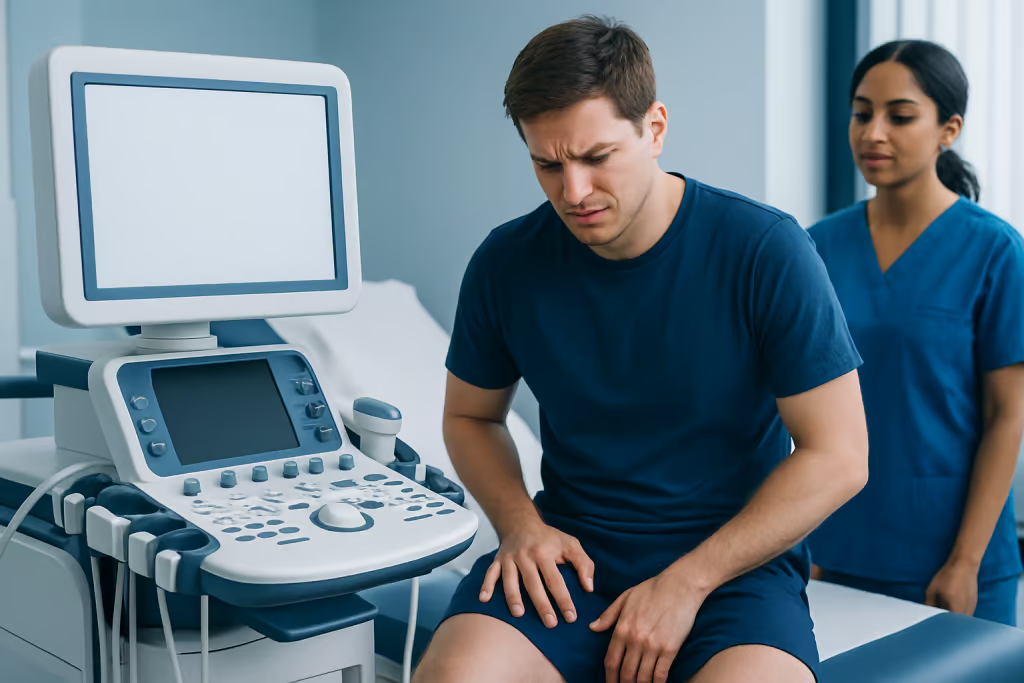
Symptoms vary depending on whether the nerve is compressed, stretched, inflamed, or injured. The most common complaint is pain in the groin or inner thigh. Some people describe it as aching, burning, sharp, or deep discomfort that worsens with exercise, sudden direction changes, or bringing the legs together.
Weakness is another important sign. Since the obturator nerve supplies muscles that pull the thigh inward, a person may feel reduced strength when squeezing the knees together, stepping sideways, or stabilizing the leg while walking or running. Athletes may notice reduced performance, especially in sports that involve cutting, kicking, or rapid pivots.
Sensory symptoms may include numbness, tingling, or altered feeling in a patch of the upper inner thigh, although this is not always present. In some cases, symptoms can resemble muscle strain, hip joint problems, or other nerve conditions. For that reason, symptoms should be assessed in context rather than assumed to come from a single cause.
- Inner thigh or groin pain
- Weakness with leg adduction
- Numbness or tingling in the upper inner thigh
- Discomfort with walking, running, or crossing the legs
- Symptoms after pelvic surgery, trauma, or intense athletic activity
Causes and risk factors
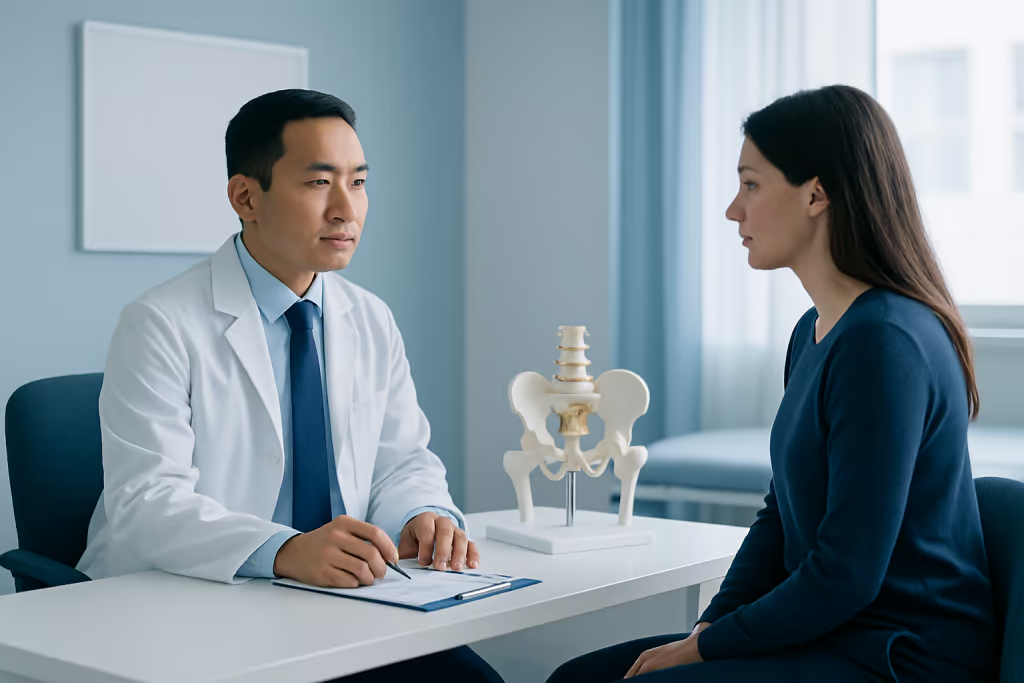
Obturator nerve symptoms can result from several different problems. One possible cause is direct injury, such as pelvic trauma, fractures, or complications related to surgery in the pelvis, hip, or groin region. The nerve may also be stretched or compressed during certain procedures or by scar tissue during healing.
Compression can happen within the pelvis or in the obturator canal, a small opening through which the nerve passes. Less commonly, masses, enlarged structures, bleeding, or inflammation may place pressure on the nerve. In athletes, repetitive movements and overuse may contribute to obturator neuropathy, especially when symptoms are confused with adductor muscle strain.
Other conditions may produce similar symptoms and need to be considered during evaluation. These include hip joint disorders, groin muscle injuries, lumbar spine problems, and other forms of peripheral neuropathy. In some patients, pain in the pelvis or lower abdomen may also raise concern for related structural problems such as a hernia, depending on the overall symptom pattern.
How doctors diagnose obturator nerve disorders
Diagnosis begins with a careful medical history and physical examination. A doctor will ask where the pain starts, what movements trigger it, whether there is numbness, and whether symptoms began after surgery, injury, or sports activity. The physical exam often includes checking inner thigh strength, gait, hip movement, and tenderness in the groin or pelvic region.
Because obturator nerve symptoms overlap with many other causes of groin pain, further testing may be needed. Imaging can help evaluate the pelvis, hip, or spine and look for structural causes. When appropriate, doctors may request MRI to assess nearby soft tissues, the spine, or possible compression along the nerve pathway.
In selected cases, nerve conduction studies and electromyography may help confirm nerve involvement and distinguish it from a muscle injury or a nerve root problem in the lower back. Diagnostic nerve blocks are sometimes used by specialists when the diagnosis remains uncertain. The goal is not only to identify the nerve problem, but also to find the reason behind it so treatment can be targeted appropriately.
Treatment options
Treatment depends on the cause, symptom severity, and how long the problem has been present. Many people improve with conservative care, especially when symptoms are related to strain, mild compression, or overuse. This often includes activity modification, a gradual return to exercise, pain-relieving measures, and supervised rehabilitation to improve strength, flexibility, and movement patterns.
Physical therapy is frequently a central part of care. A rehabilitation program may focus on the hip adductors, core stability, posture, gait mechanics, and reducing stress on the groin and pelvis. In some cases, doctors may also recommend medicines for pain or inflammation, depending on the patient’s overall health and the likely cause.
If symptoms are persistent or the diagnosis is complex, image-guided injections may be considered to reduce inflammation or help clarify the source of pain. Some patients may benefit from specialized pain management approaches as part of a broader plan. Surgery is usually reserved for clear structural compression, severe injury, or symptoms that do not improve with non-surgical care. When a mass, scar tissue, or another compressive cause is identified, treatment may involve peripheral nerve surgery or another procedure guided by the underlying diagnosis.
Self-care, recovery, and prevention
Self-care should be practical and safe. During painful flare-ups, it often helps to reduce activities that worsen symptoms, such as sprinting, side-stepping, forceful kicking, or repetitive groin-loading movements. Gentle mobility work and a gradual, structured return to activity are generally safer than trying to push through pain.
Prevention focuses on lowering strain across the pelvis, hip, and inner thigh. This may include warming up properly, improving hip and core strength, addressing flexibility limits, and correcting movement patterns that overload the groin. Athletes may benefit from individualized coaching or sports rehabilitation if symptoms keep returning.
Recovery time varies widely. A mild irritation may improve in weeks, while recovery after surgery, major trauma, or long-standing nerve compression can take much longer. Consistent follow-up is important, especially if weakness or numbness persists. For international patients with complex nerve, pelvic, or musculoskeletal symptoms, Acibadem International’s multidisciplinary specialists and JCI-accredited hospitals provide diagnostic assessment and treatment planning.
When to seek medical care
Medical evaluation is advisable if inner thigh or groin pain lasts more than a short period, keeps returning, or interferes with walking, exercise, sleep, or daily activities. Care is also important when symptoms begin after pelvic surgery, a fall, a sports injury, or any trauma affecting the hip or pelvis.
A person should seek prompt medical attention if there is marked weakness in the leg, trouble bearing weight, worsening numbness, severe pain, fever, or new bladder or bowel symptoms. These features may point to a more urgent problem and should not be self-diagnosed.
Because groin and thigh pain can come from the hip, spine, muscles, hernias, blood vessels, or nerves, a clear diagnosis matters. If symptoms are unexplained or do not improve with rest, a qualified doctor can determine whether the obturator nerve is involved and recommend the next steps, which may include a specialist assessment and physical therapy and rehabilitation.
Frequently asked questions
What is the obturator nerve?
The obturator nerve is a peripheral nerve that arises from the lumbar plexus in the lower back and travels into the inner thigh. It mainly helps control muscles that pull the leg inward and supplies sensation to part of the upper inner thigh.
What does obturator nerve pain feel like?
Obturator nerve pain is often felt in the groin or inner thigh and may be aching, sharp, burning, or deep. Some people also notice weakness, especially when squeezing the legs together, and occasionally numbness or tingling in the upper inner thigh.
Can an obturator nerve problem be mistaken for a muscle strain?
Yes. Obturator nerve symptoms can resemble adductor muscle strain, hip problems, or pain coming from the lower back. That is why a physical examination and, when needed, imaging or nerve testing can be helpful.
How is obturator neuropathy treated?
Treatment depends on the cause. It may include rest from aggravating activities, physical therapy, pain-relief strategies, and treatment of any underlying compression or injury. Surgery is considered only in selected cases, such as persistent symptoms with a clear structural cause.
Can obturator nerve symptoms go away on their own?
Mild irritation related to overuse or minor strain may improve with time and activity modification. However, persistent pain, weakness, or numbness should be evaluated because ongoing nerve compression or another underlying condition may need treatment.
When should someone see a doctor for possible obturator nerve symptoms?
A doctor should be consulted if groin or inner thigh pain lasts, comes back repeatedly, or affects walking and exercise. Prompt evaluation is especially important after trauma or surgery, or if there is significant weakness, worsening numbness, or severe pain.
References
- National Institute of Neurological Disorders and Stroke
- American Academy of Orthopaedic Surgeons
- Merck Manual Professional Edition
- Mayo Clinic
- Cleveland Clinic
This article is for general information only and is not a substitute for professional medical advice. Please consult a qualified doctor about your individual situation.
Explore treatments in Turkey — costs, top hospitals & a free quote
JCI-accredited · board-certified surgeons · reply within 24h